La ricerca di Peter Gay si addentra nella storia culturale e intellettuale, con un focus particolare sull'Illuminismo europeo. La sua scrittura è caratterizzata da una profonda comprensione del contesto storico e da un'analisi precisa delle correnti intellettuali. Gay esplora come le idee si sono formate e come hanno influenzato la società. Le sue opere sono apprezzate per la loro erudizione e la capacità di illuminare fenomeni storici complessi per i lettori.
A National Book Award-winning Yale scholar's reflections on the romantic period, its contributors and its legacy addresses recurring questions about how to interpret romantic figures and their works while assessing modernism's debt to romanticism.
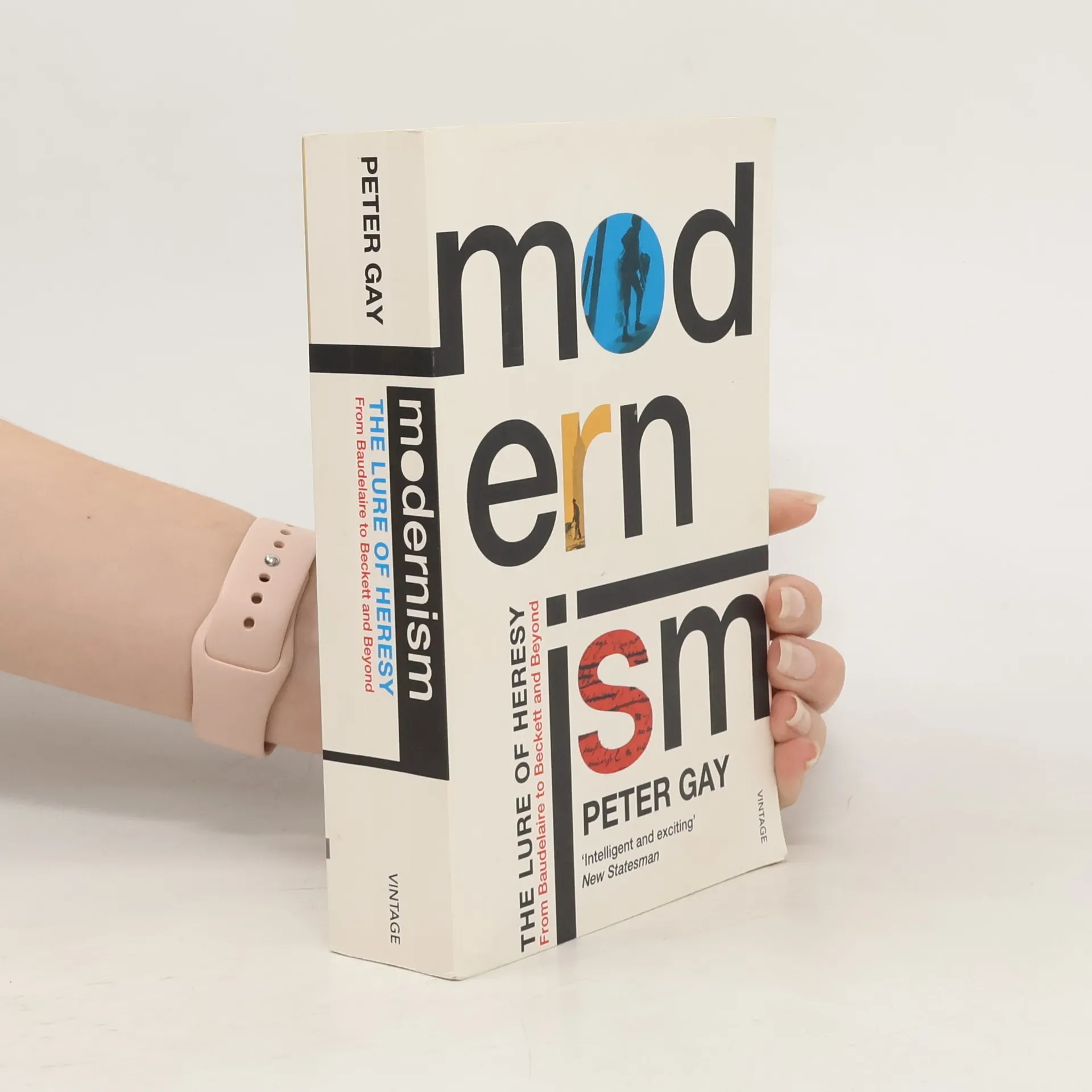
Acclaimed cultural historian Peter Gay traces and explores the rise of artistic Modernism, the cultural movement that heralded and shaped the modern world, dominating western high culture for over a century.Peter Gay s most ambitious endeavour since
Peter Gay explores three literary masterpieces—Dickens's "Bleak House," Flaubert's "Madame Bovary," and Mann's "Buddenbrooks"—to reveal that novels offer more than historical truth. He examines the authors' craftsmanship and shared resentment towards society, showcasing their writing as a form of revenge within the Western literary canon.
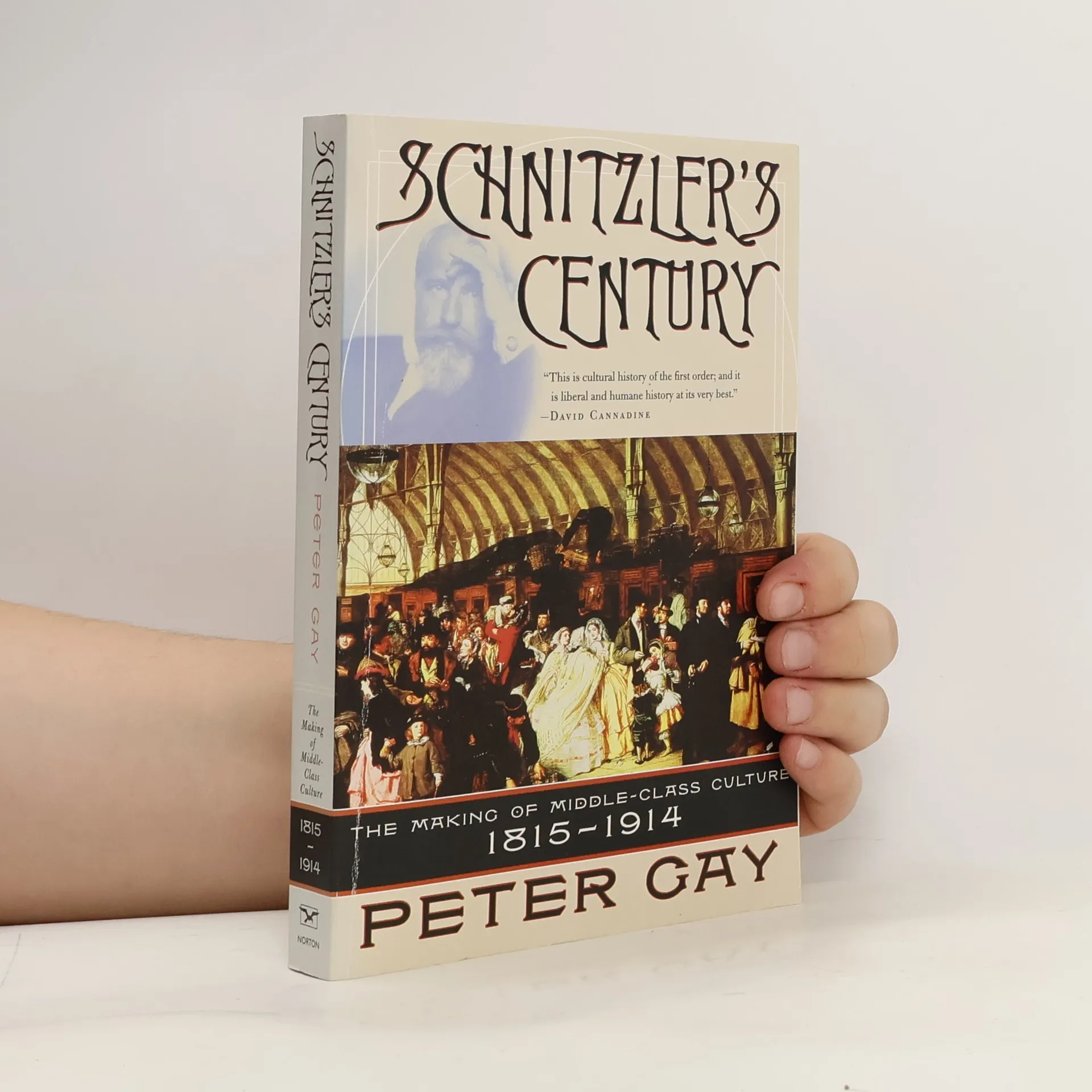
Focusing on the social history of the nineteenth century, this book presents a thorough exploration of bourgeois culture through the lens of Arthur Schnitzler, a provocative Viennese playwright. Peter Gay draws on his extensive scholarship to analyze the transformative century from Napoleon's defeat to the onset of World War I, providing insights into the era's cultural dynamics. This work stands as a significant contribution from one of America's foremost historians, offering a fresh perspective on a pivotal period in history.
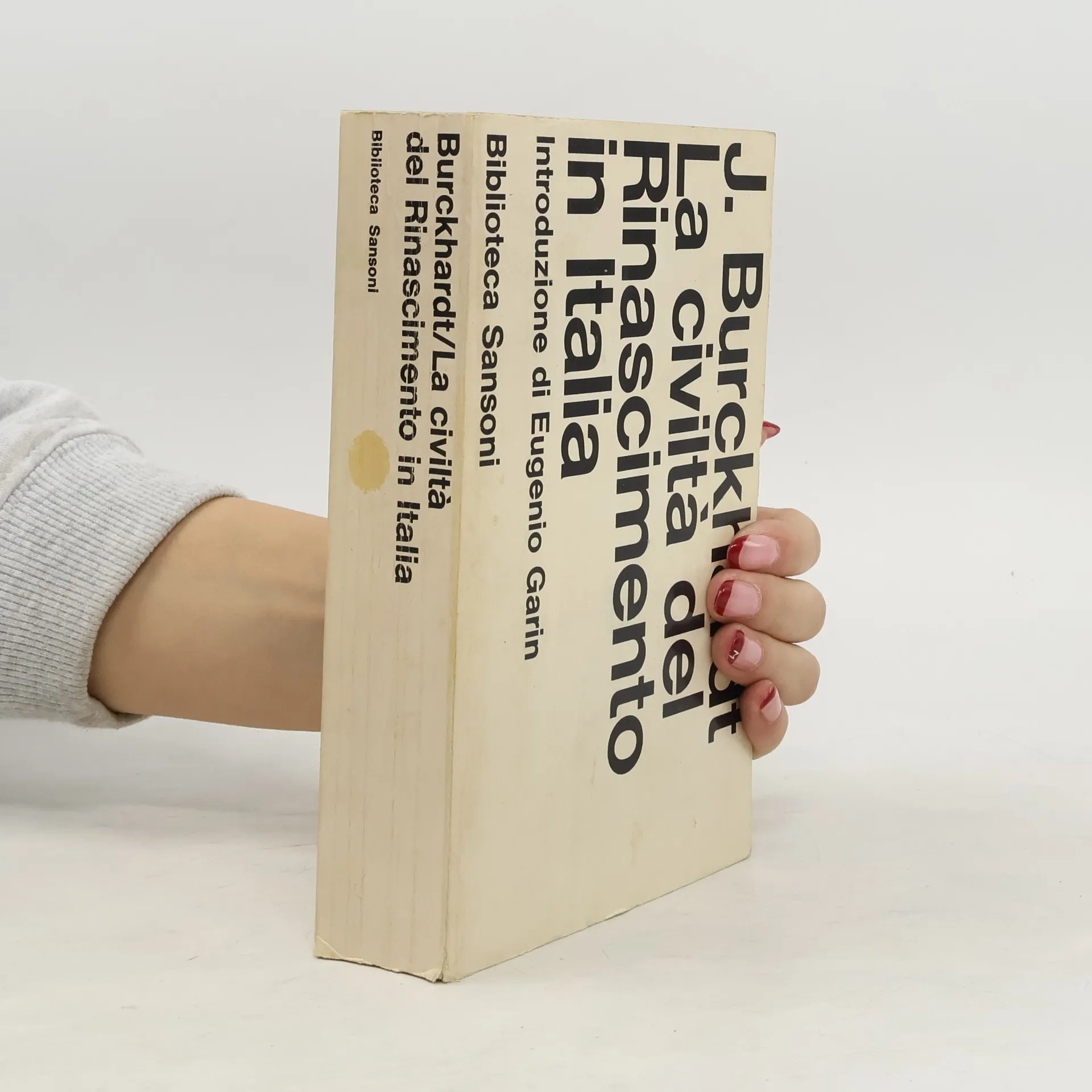
La cultura del Rinascimento in Italia è il principale lavoro di Jacob Burckhardt, che descrive il cambiamento strutturale di Stato e Chiesa alla fine del Medioevo e la conseguente formazione dell'uomo "moderno" e individuale, concetti oggi oggetto di critica. Durante i suoi viaggi in Italia, Burckhardt fu profondamente attratto dalla cultura rinascimentale. Il termine "Rinascimento" era inizialmente utilizzato come denominazione epocale nella storia dell'arte, ma fu Jules Michelet il primo a impiegarlo direttamente per un'epoca storica. Grazie agli studi di Burckhardt sulla cultura italiana del XV e XVI secolo, il concetto di "Rinascimento" si affermò nell'opinione pubblica. Quest'opera è considerata ancora oggi un testo fondamentale su questo periodo. Burckhardt offre un quadro complessivo della società rinascimentale italiana; questa prima rappresentazione esaustiva ha influenzato profondamente l'immagine del Rinascimento in Europa ed è diventata un'opera esemplare nella storiografia culturale. La Rinascenza ha segnato l'inizio della modernità in Europa.
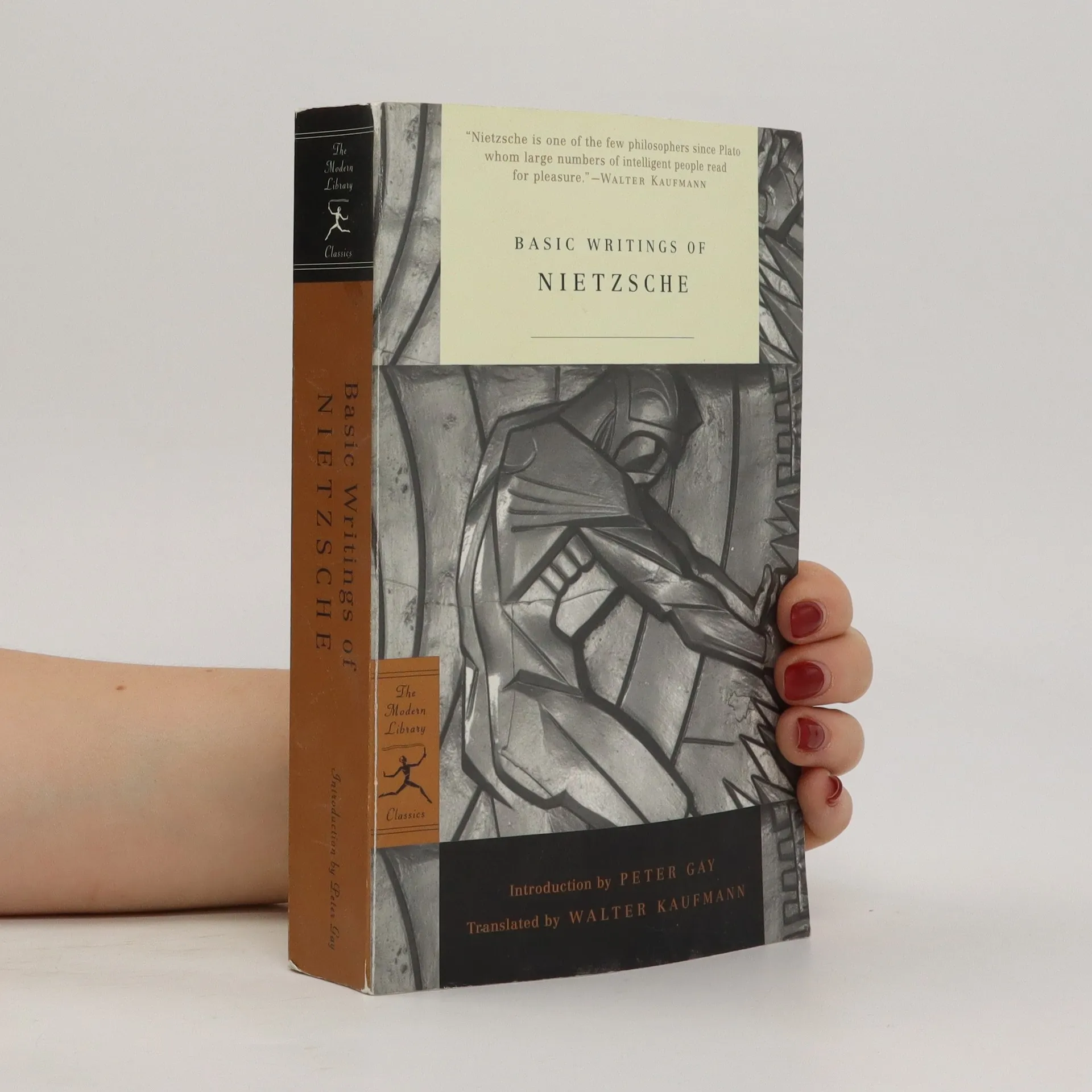
Introduction by Peter Gay Translated and edited by Walter Kaufmann Commentary by Martin Heidegger, Albert Camus, and Gilles Deleuze One hundred years after his death, Friedrich Nietzsche remains the most influential philosopher of the modern era. Basic Writings of Nietzsche gathers the complete texts of five of Nietzsche’s most important works, from his first book to his last: The Birth of Tragedy, Beyond Good and Evil, On the Genealogy of Morals, The Case of Wagner, and Ecce Homo. Edited and translated by the great Nietzsche scholar Walter Kaufmann, this volume also features seventy-five aphorisms, selections from Nietzsche’s correspondence, and variants from drafts for Ecce Homo. It is a definitive guide to the full range of Nietzsche’s thought. Includes a Modern Library Reading Group Guide
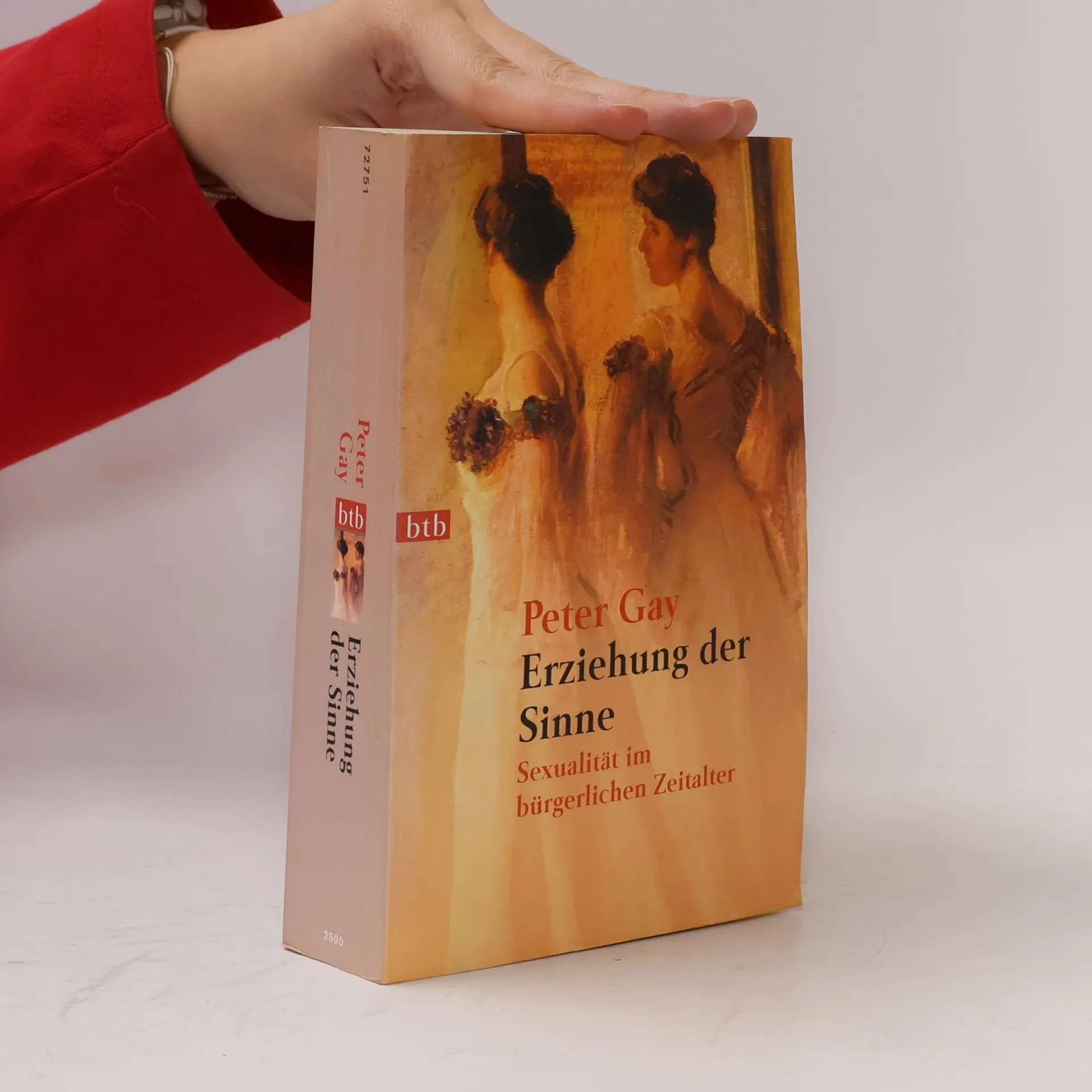
Focusing on nineteenth-century sexual behavior, this book utilizes a wide range of primary sources to challenge and redefine stereotypes, particularly regarding women's sexuality. By delving into historical contexts, it offers fresh insights that illuminate the complexities of sexual norms and behaviors during this era, providing a nuanced understanding of the interplay between gender and sexuality.
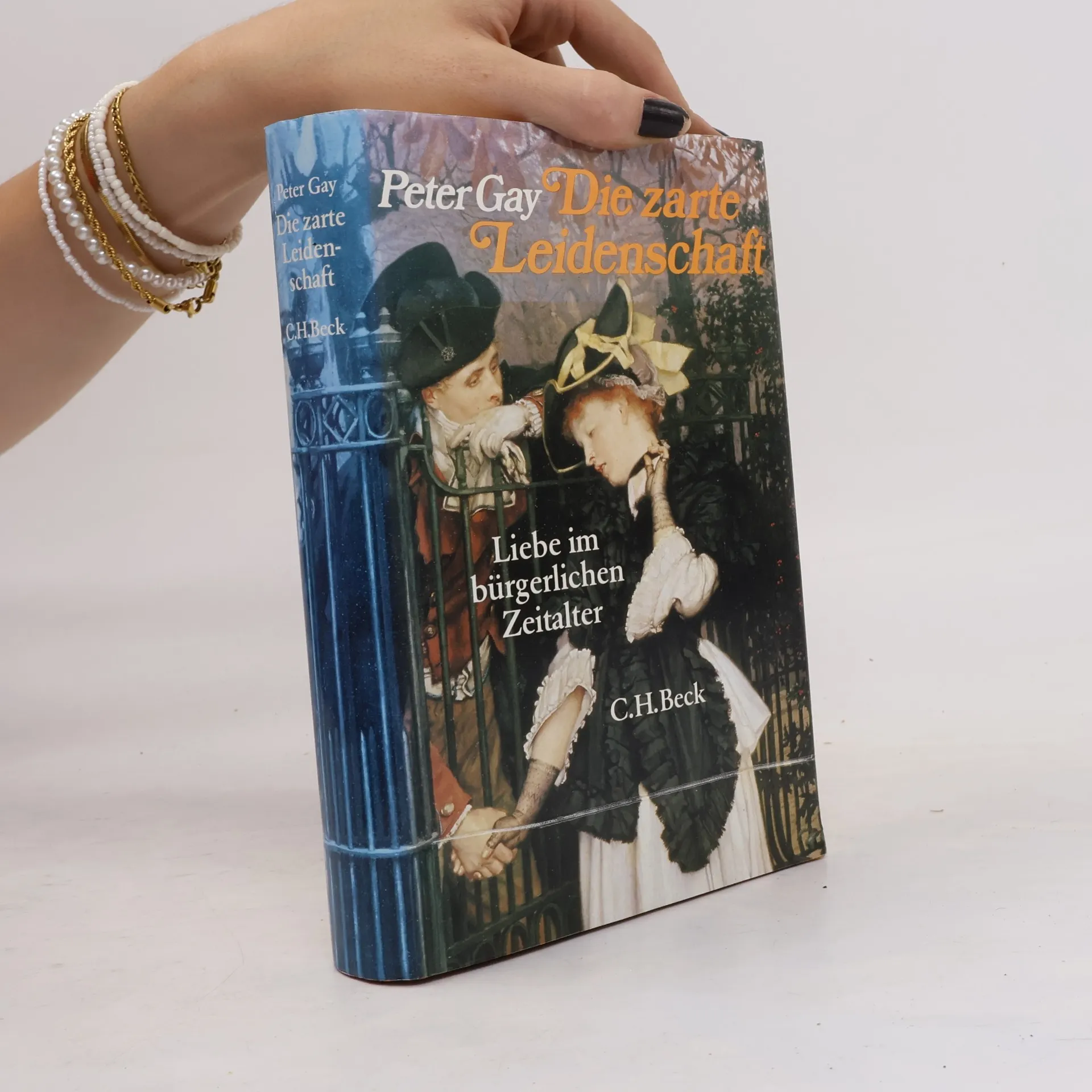
Set against a backdrop of shifting societal norms, the book delves into a pivotal era when the lines between erotic expression and restraint began to blur, reshaping the nature of love. It combines meticulous research with a lyrical writing style, offering insights into the complexities of Victorian relationships, both fictional and real. The author’s ability to weave together historical context and personal experiences creates a compelling narrative that captures the essence of the "tender passion" during this transformative time.
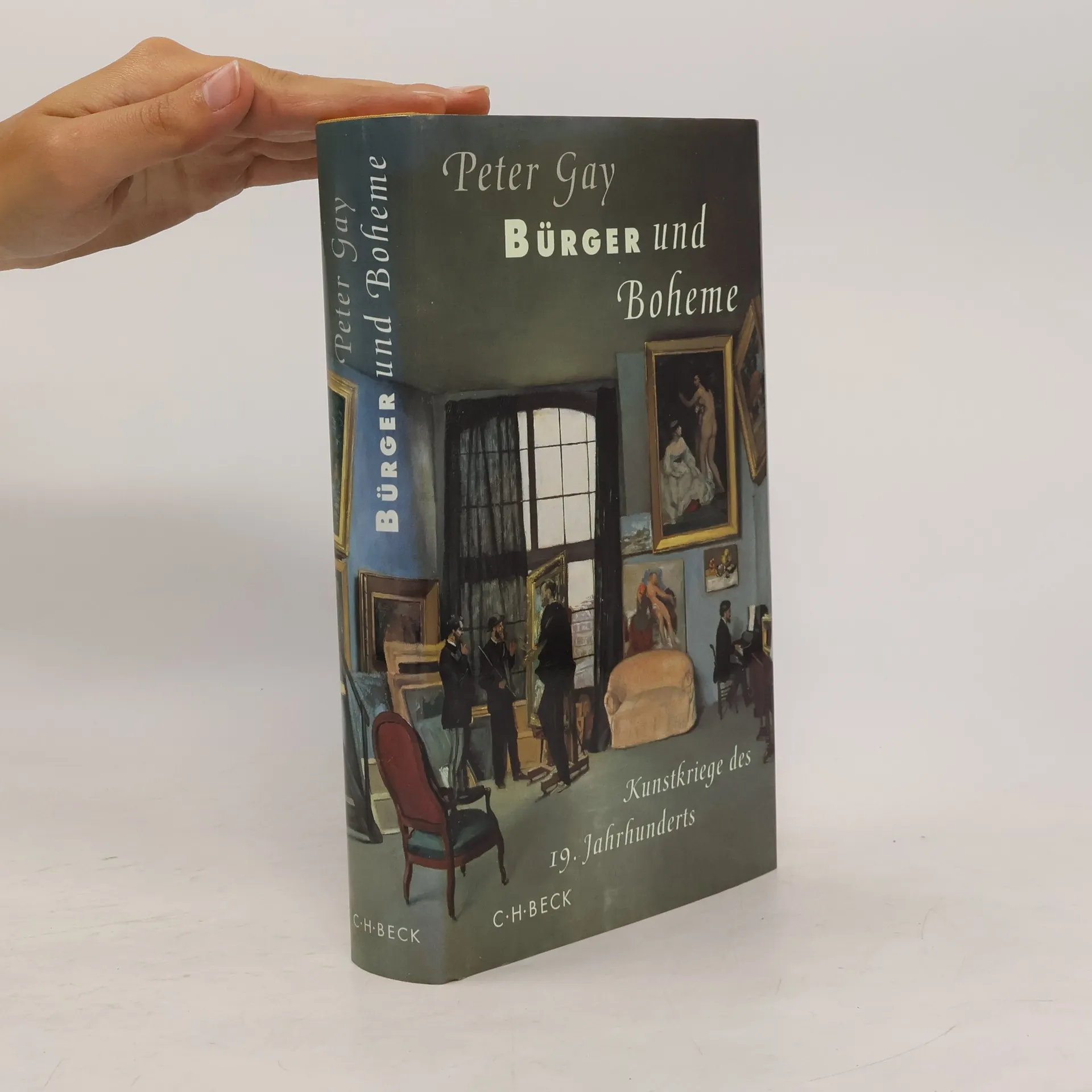
Während die Bürger der Unter- und Mittelschicht aus Unwissenheit, oder auch aus Unsicherheit gegenüber den sich ständig wechselnden Stilrichtungen in der Bildenden Kunst, der Musik und der Literatur, häufig am traditionellen Kunstgeschmack festhielten, gab es durchaus - vor allem in der Oberschicht - Bürger, die sich der Avantgarde und den Vorreitern der Moderne aufgeschlossen gegenüber zeigten. Sie betätigten sich als Sammler traditioneller und moderner Werke, insbesondere auch der ersten Impressionisten und machten ihre Kunstschätze der breiten Öffentlichkeit als Stiftungen zugänglich.§Die Künstler hingegen, die bestrebt waren, sich deutlich in ihren Werken von allen Zwängen gesellschaftlicher Konventionen zu befreien, überschütteten die Bourgeoisie in der zweiten Hälfte des Jahrhunderts heftiger als je zuvor mit Häme. Ihr Anspruch auf Kultiviertheit sei lächerlich, es fehle ihr jeglicher Kunstsinn, und sie huldige daher nur dem Kitsch oder einem prahlerischen Kunstkonsum.§ Peter Gay zeigt, daß diese zum Teil heftig ausgetragenen Konflikte letztendlich dennoch dazu führten, daß sich der Kulturbetrieb im 19. Jahrhundert in beispielloser Vielfalt entwickeln konnte.
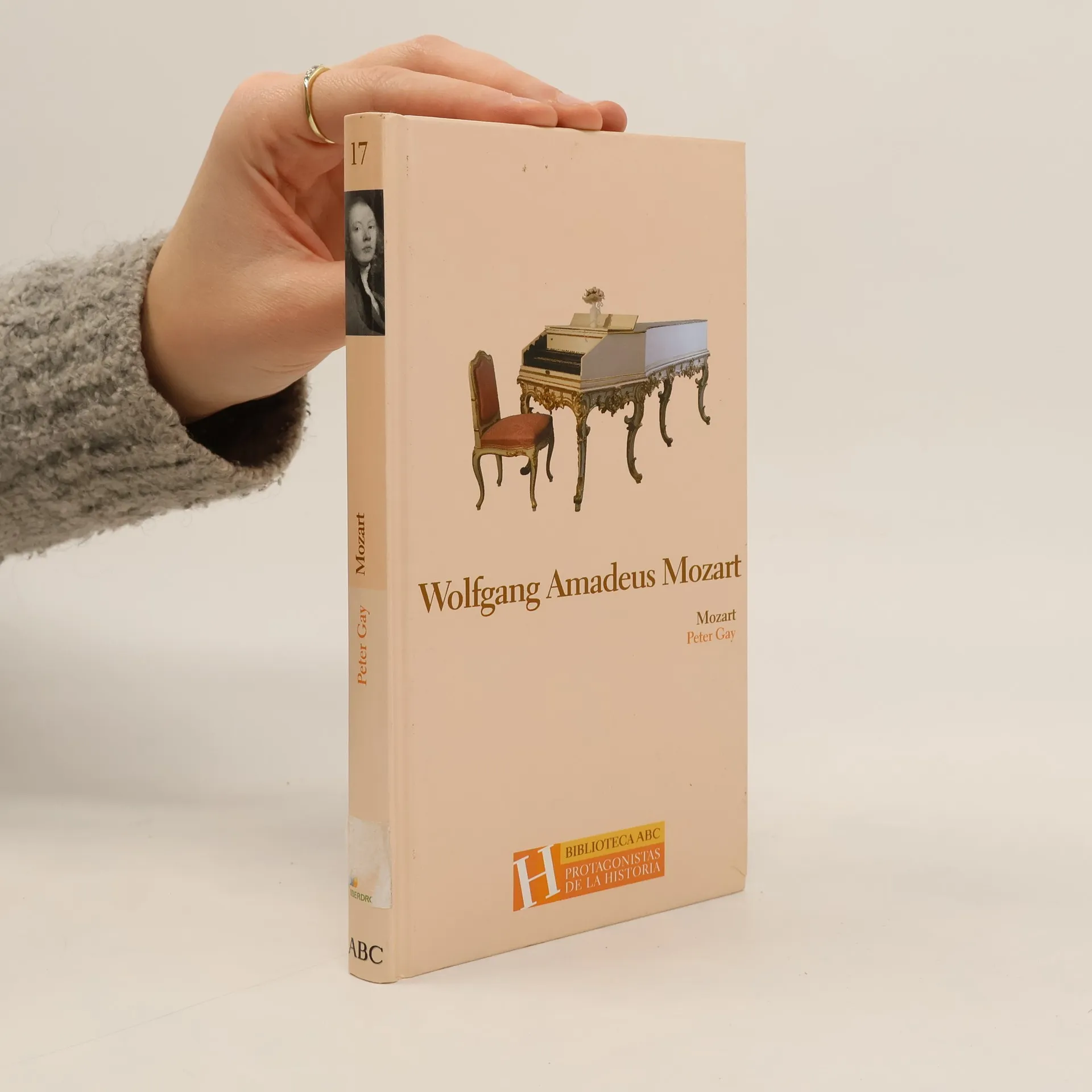
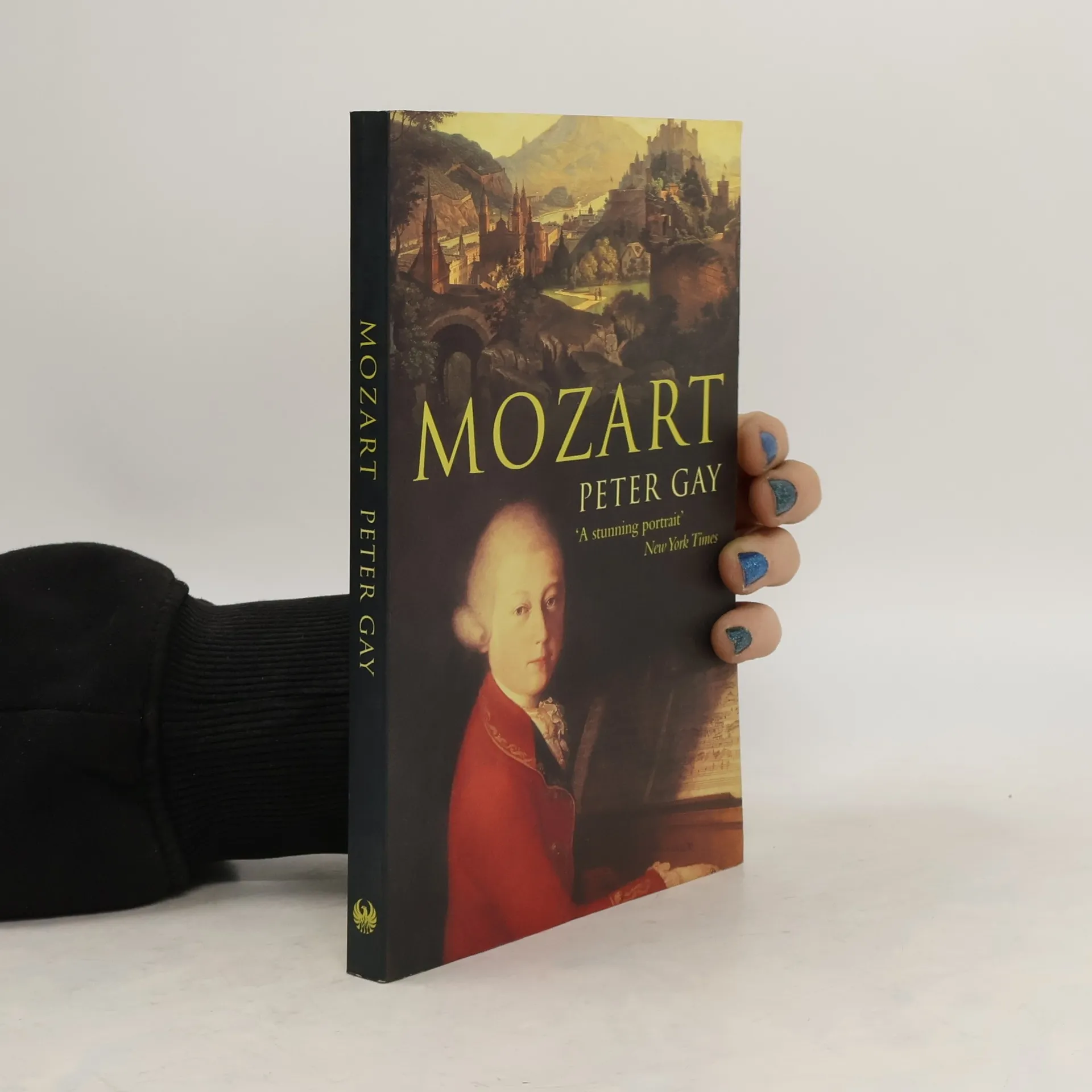
In this volume in the Lives series, Peter Gay, author of the bestselling Freud: A Life For Our Time, presents his appreciation of the life and work of Mozart, revealing truths more fascinating than the myths that have long shrouded the maestro's life.
The author traces his youth as an assimilated, atheistic Jew during the early years of the Nazi regime, his family's emigration in 1939, and his lingering ambivalent feelings toward Germany and the Germans
Exploring the contrast between the external achievements of industrialists and scientists and the introspective journey of self-discovery, the author highlights how the pursuit of understanding one's inner self became a significant focus during a time of rapid progress. This examination reveals the complexities of human experience as individuals grapple with their identities amidst societal advancements.
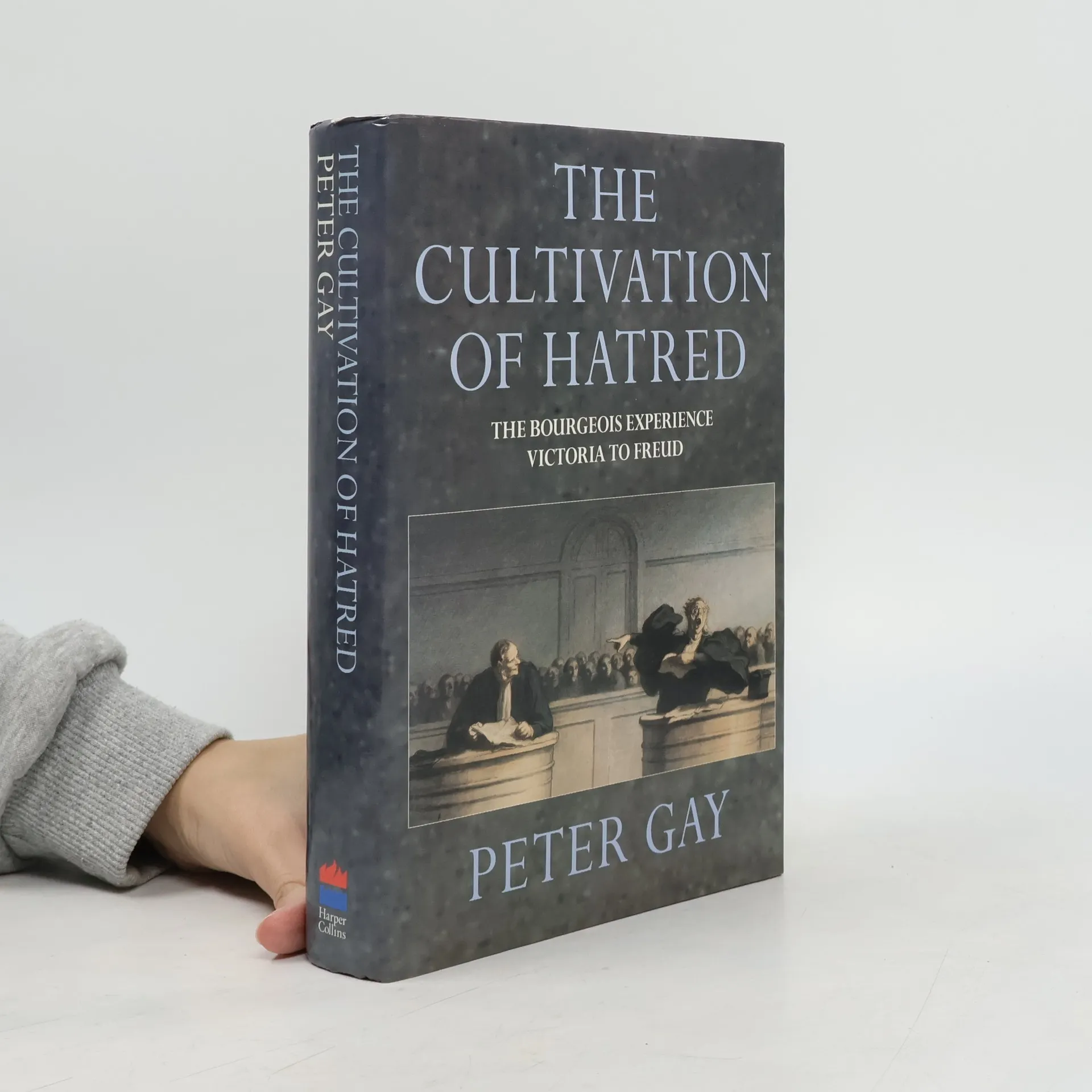
Gay's exploration of middle-class Victorian culture features vivid portraits of influential figures such as Bismarck, Darwin, George Eliot, and notable satirists like Daumier and Wilhelm Busch. The work examines the complex dynamics between men and women, wit, and demagoguery, revealing how the nineteenth century simultaneously constrained and sanctioned aggressive behavior. This aggression created a divide within society, categorizing individuals into insiders and outsiders. Gay notes that the Victorians, by forming communities of insiders, often invented a world of strangers—comprising individuals and classes, races, and nations—that it was deemed acceptable to debate, patronize, ridicule, bully, exploit, or exterminate. The bottled-up aggressions of this era could not remain contained indefinitely, ultimately culminating in the outbreak of the First World War.
Gay presents a series of essays ranging from reflections on Freud and Shakespeare to Gay's controversial spoof review of Freud's The Interpretation of Dreams.
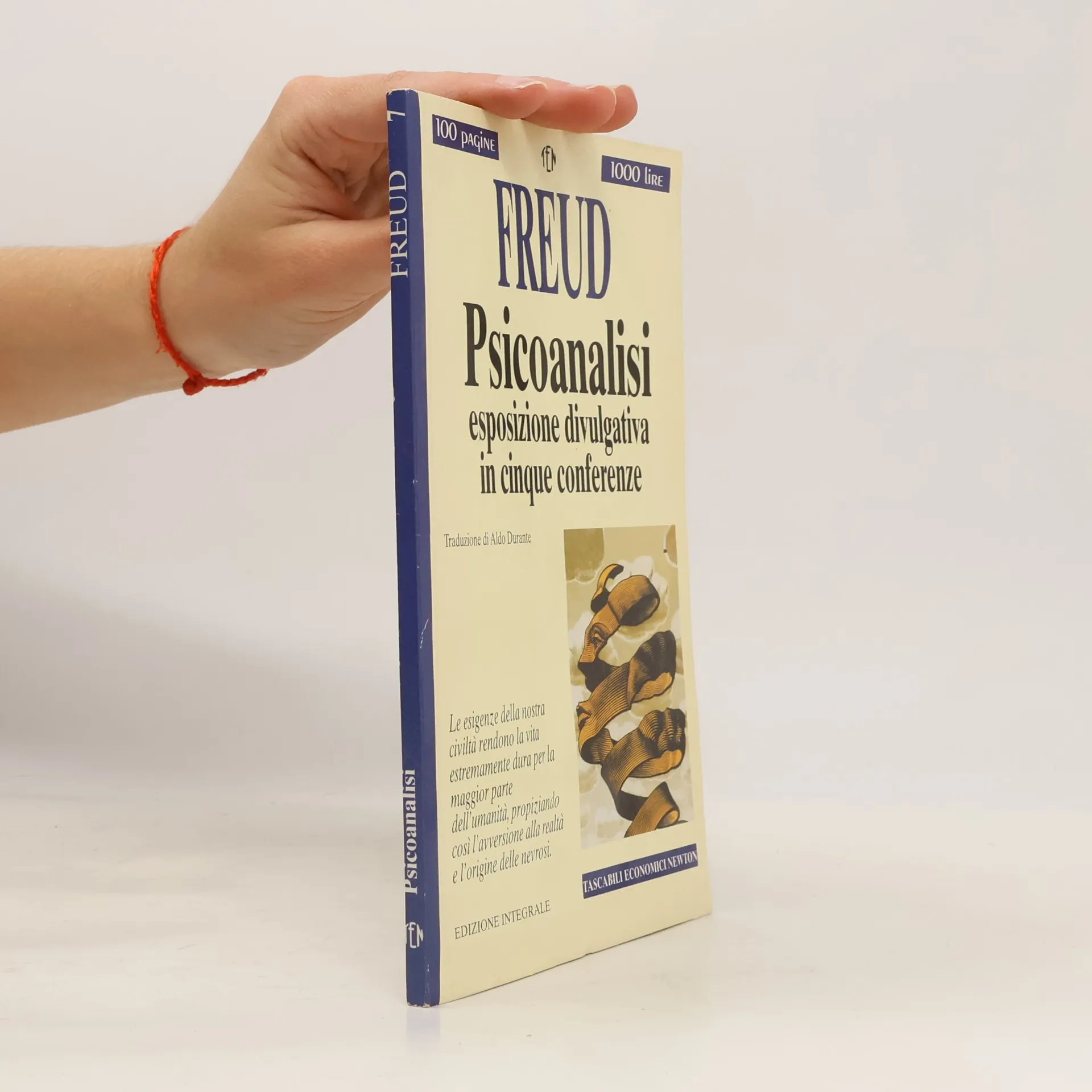
In questo volume la teoria della psicoanalisi viene esaminata, come concezione e come pratica terapeutica, nei suoi diversi aspetti. Il metodo analitico vi è delineato sin dalle prime formulazioni ed è seguito nel suo sviluppo, attraverso le scoperte e le sistemazioni successive che Freud veniva elaborando sulla base dell'esperienza terapeutica e del rapporto con i malati. "La psicoanalisi è una combinazione degna di rilievo, in quanto non solo comprende un metodo di indagine della nevrosi, ma anche un metodo di cura fondato sull'eziologia in tal modo scoperta. [...] Non è figlia della speculazione, ma è il risultato dell'esperienza" (Sigmund Freud).
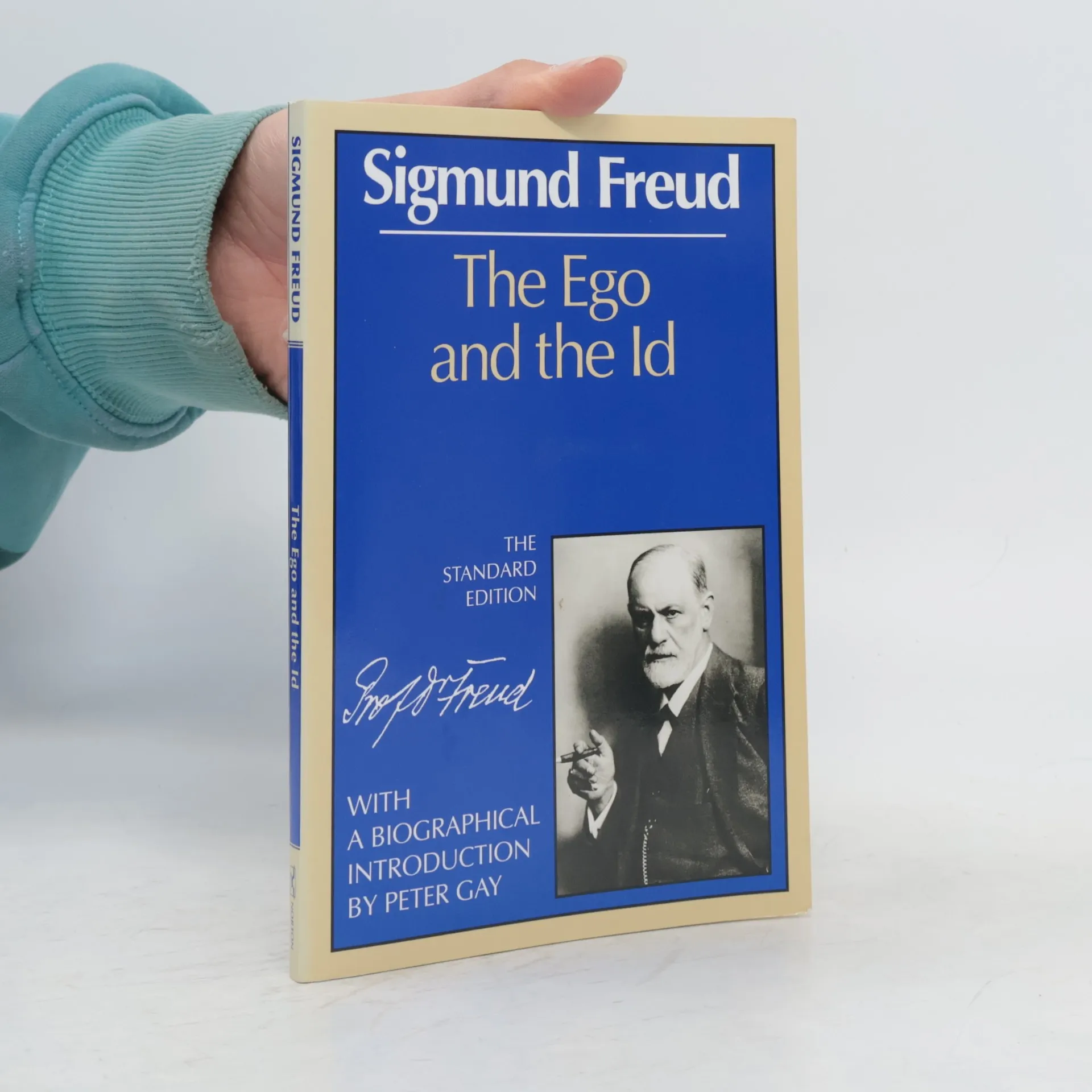
The Standard Edition, With a Biographical Introduction by Peter Gay
87pagine
4 ore di lettura
The Ego and the Id ranks high among the works of Freud's later years. The heart of his concern is the ego, which he sees battling with three forces: the id, the super-ego, and the outside world. Of the various English translations of Freud's major works to appear in his lifetime, only one was authorized by Freud himself: The Standard Edition of the Complete Psychological Works of Sigmund Freud under the general editorship of James Strachey. Freud approved the overall editorial plan, specific renderings of key words and phrases, and the addition of valuable notes, from bibliographical and explanatory. Many of the translations were done by Strachey himself; the rest were prepared under his supervision. The result was to place the Standard Edition in a position of unquestioned supremacy over all other existing versions.
Freud approved the overall editorial plan, specific renderings of key words and phrases, and the addition of valuable notes, from bibliographical and explanatory. Many of the translations were done by Strachey himself; the rest were prepared under his supervision. The result was to place the Standard Edition in a position of unquestioned supremacy over all other existing versions.Newly designed in a uniform format, each new paperback in the Standard Edition opens with a biographical essay on Freud's life and work--along with a note on the individual volume--by Peter Gay, Sterling Professor of History at Yale.
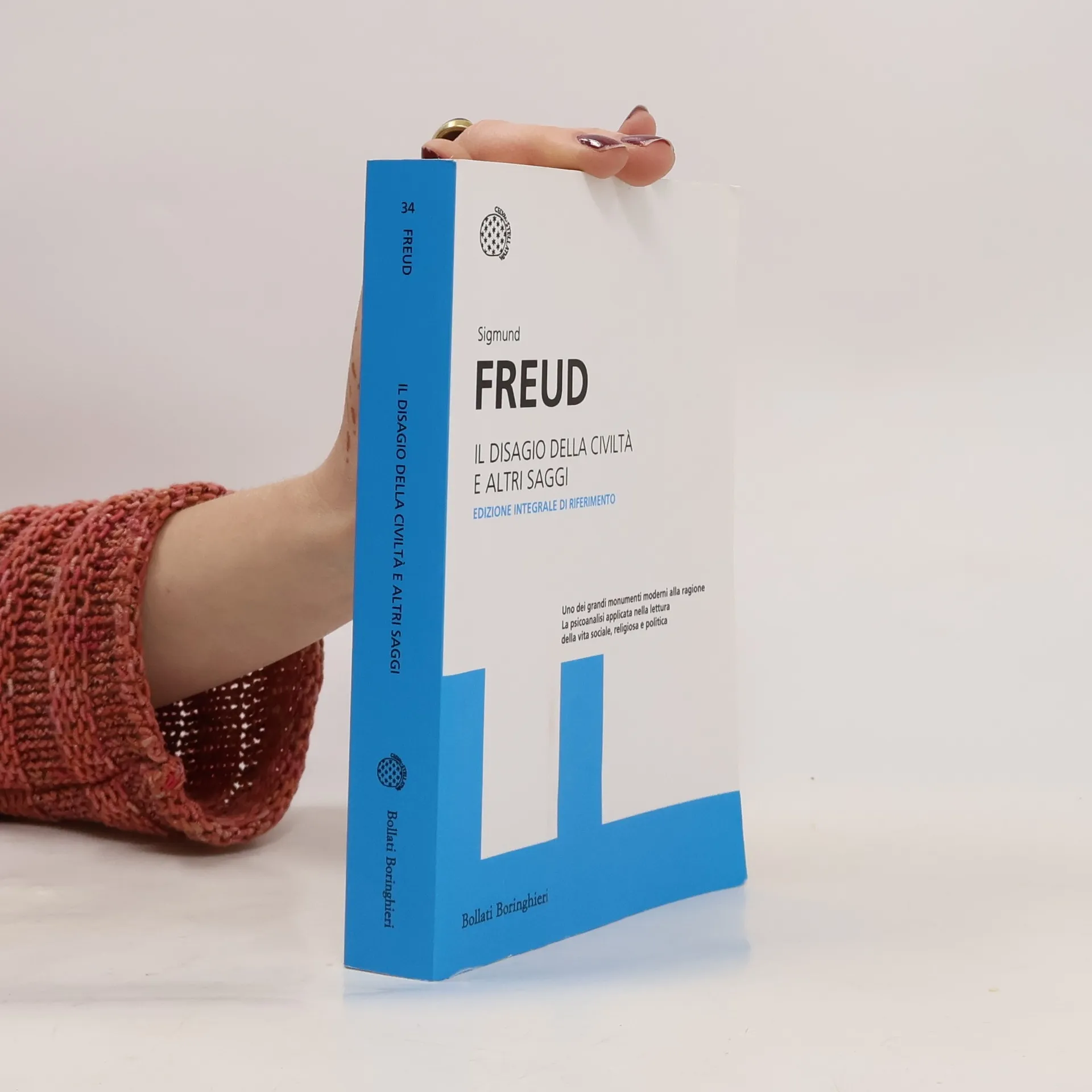
Straordinariamente attuali, questi saggi propongono la critica alle ipocrisie della società occidentale e il giudizio sulla barbarie che minaccia di travolgerla; le meditazioni sull'anima collettiva e sulla religione, implacabilmente definita la grande illusione dell'umanità, sui fondamenti della civiltà, sugli aspetti coercitivi che la distruttività innata in tutti gli individui e la mancanza di spontaneo amore al lavoro rendono indisgiungibili dagli ordinamenti civili. La radicale coerenza di pensiero, il realismo e la sistematicità dell'analisi fanno di queste pagine, frutto di venticinque anni di riflessione, il primo studio di psicoanalisi sociale, in cui il progetto freudiano di giungere a spiegare tutta la realtà sulla base di principi scientifici innalza uno dei grandi monumenti moderni alla ragione.
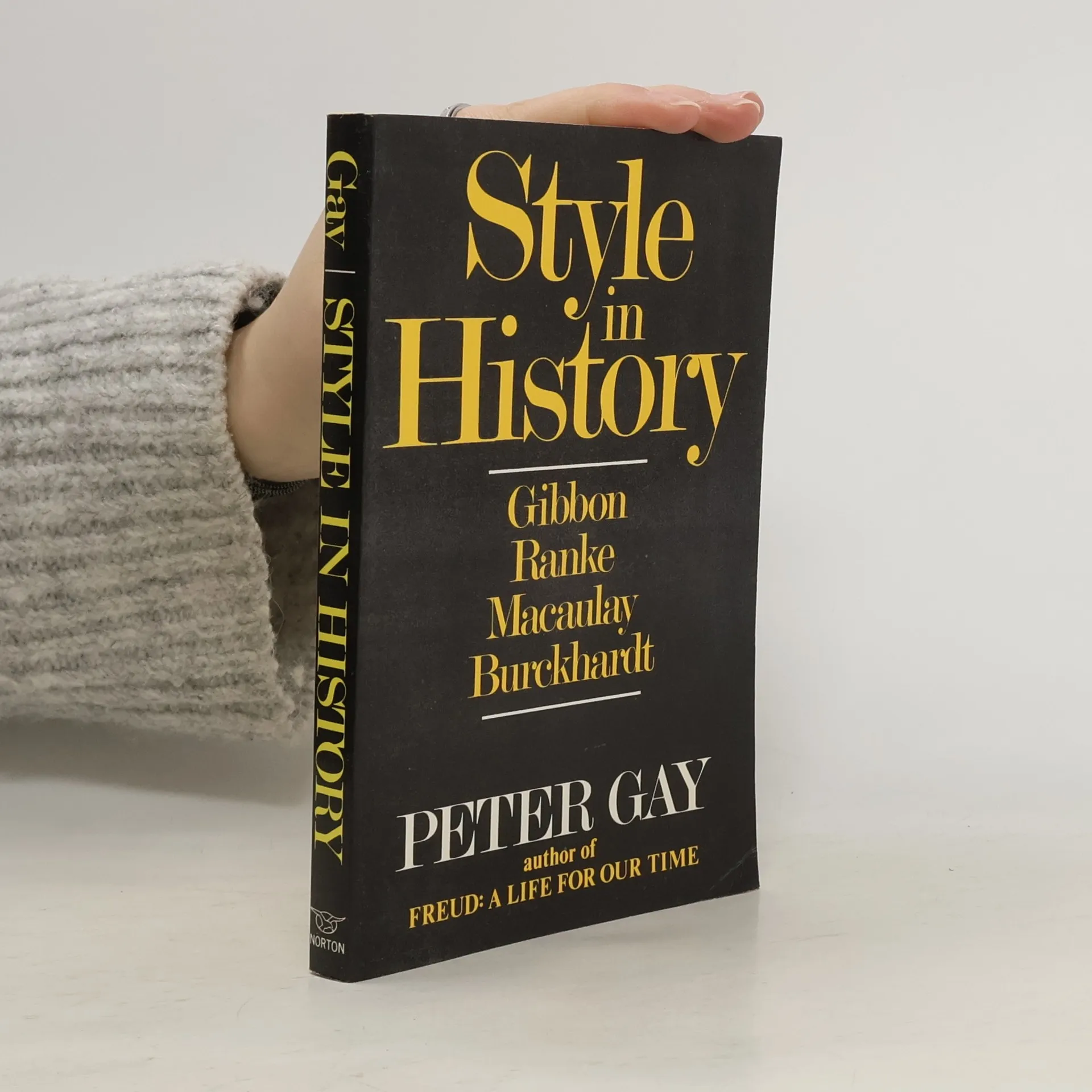
In this original and lucid guide to the proper reading of Gibbon, Ranke, Macaulay, and Burckhardt--great historians who were also great stylists--Peter Gay demonstrates that style is an invaluable clue to the historian's insight.
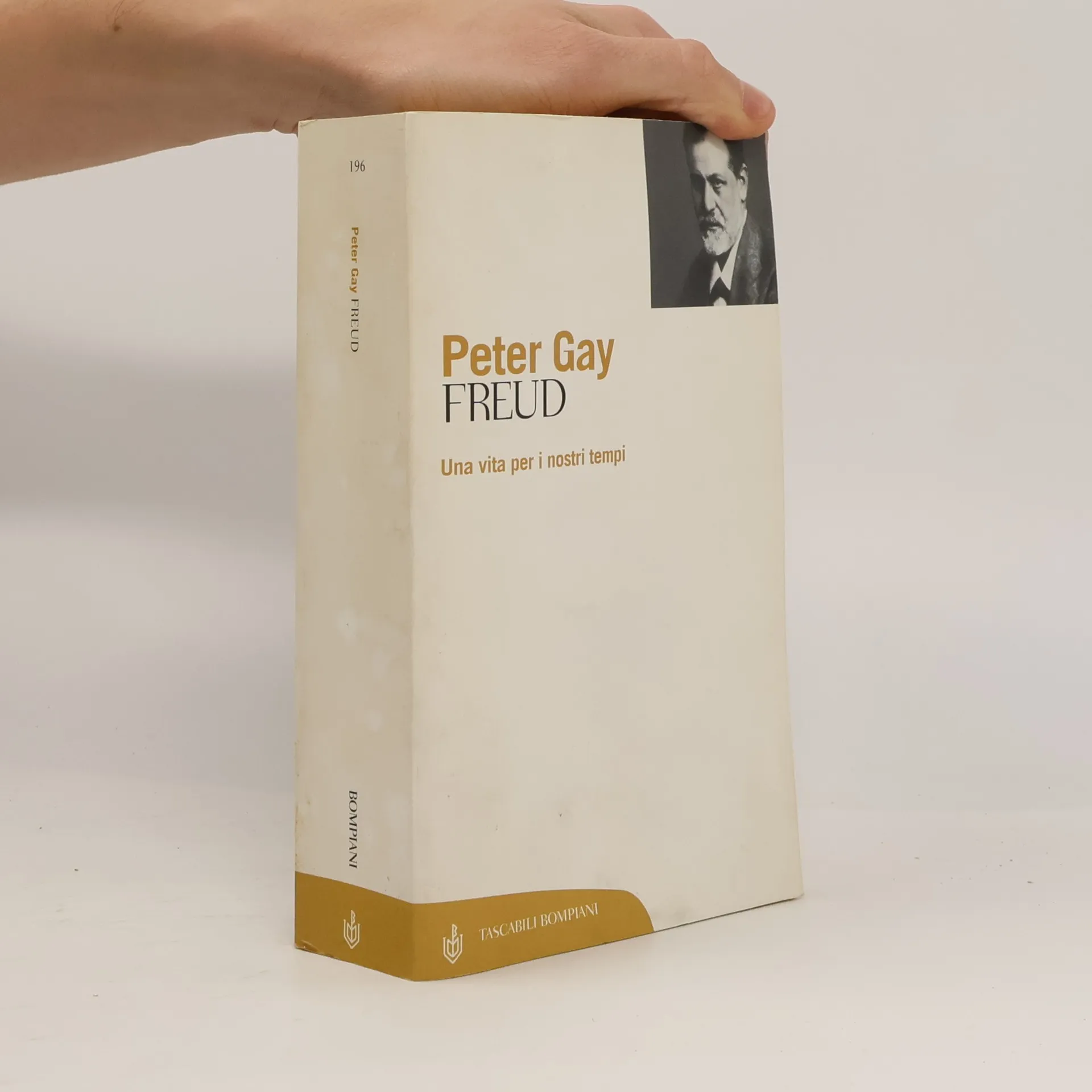
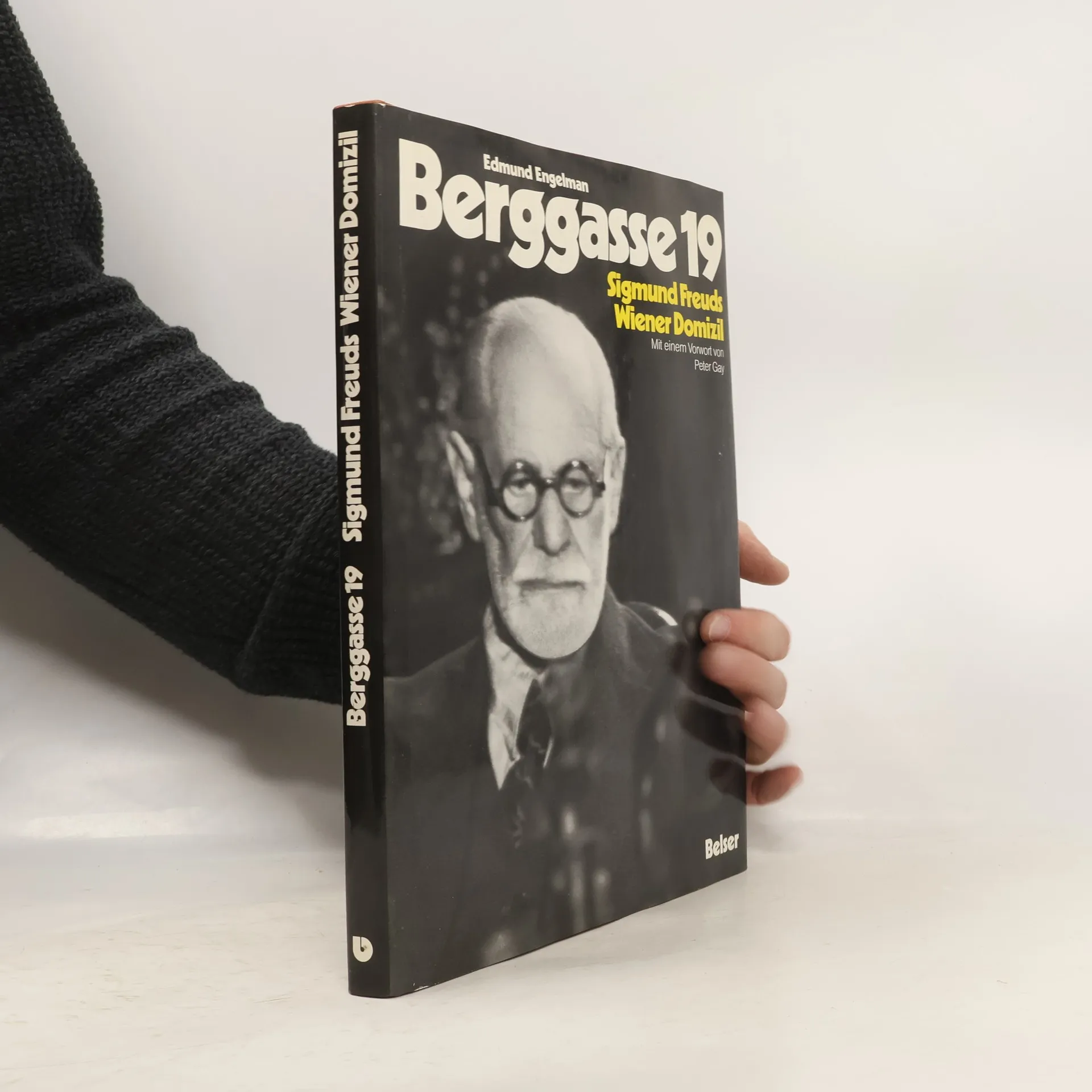
Leggere questo libro significa immergersi nel mondo di Sigmund Freud come mai prima d'ora, esplorando la sua vita, la famiglia, la città e le sue battaglie professionali. Lo seguiamo in un periodo di declino del liberalismo, durante conflitti devastanti e l'ascesa di Hitler, mentre formula e rivede teorie che hanno segnato un'epoca. Siamo testimoni delle sue scoperte, delle sfide che affronta e delle pubblicazioni che scrive, nonché delle dispute con i suoi discepoli. Freud emerge come una figura energica, spesso turbata e talvolta vendicativa, mentre le sue idee si diffondono da Vienna agli Stati Uniti e oltre. Attraverso documenti inediti e lettere sconosciute, Peter Gay esplora la mente di Freud, rivelando le sue passioni e la sua straordinaria carriera. Analizza il rapporto tra Freud e i suoi seguaci più complessi, come Jung e Ferenczi, e affronta le controversie riguardanti le sue amicizie, la vita amorosa e le innovazioni teoriche. Per la prima volta, viene svelato l'affetto di Freud per la figlia Anna e la loro analisi poco ortodossa. Nessun biografo ha saputo integrare con tanta sicurezza i casi clinici di Freud, il suo lavoro teorico e le sue speculazioni estetiche nella sua vita.
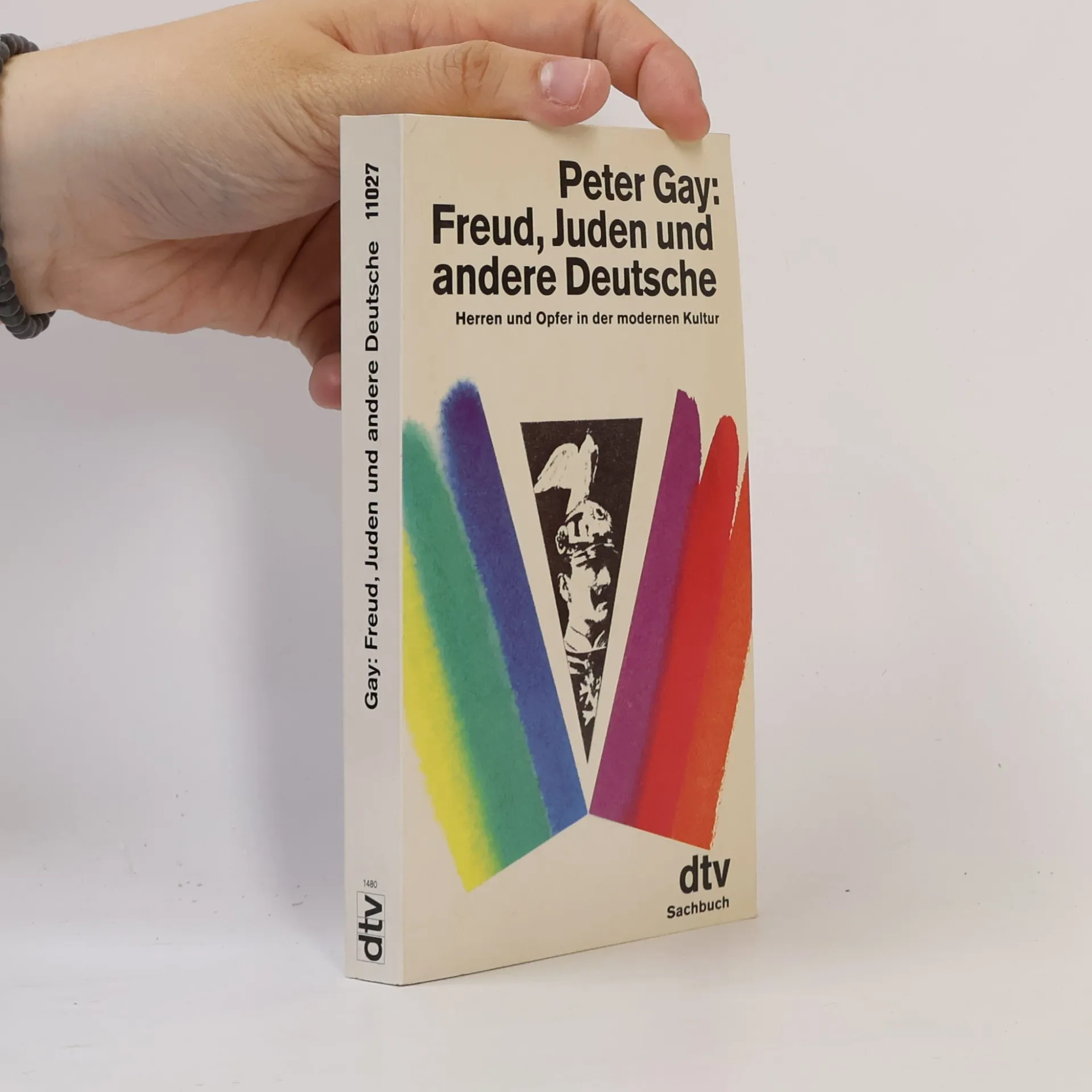
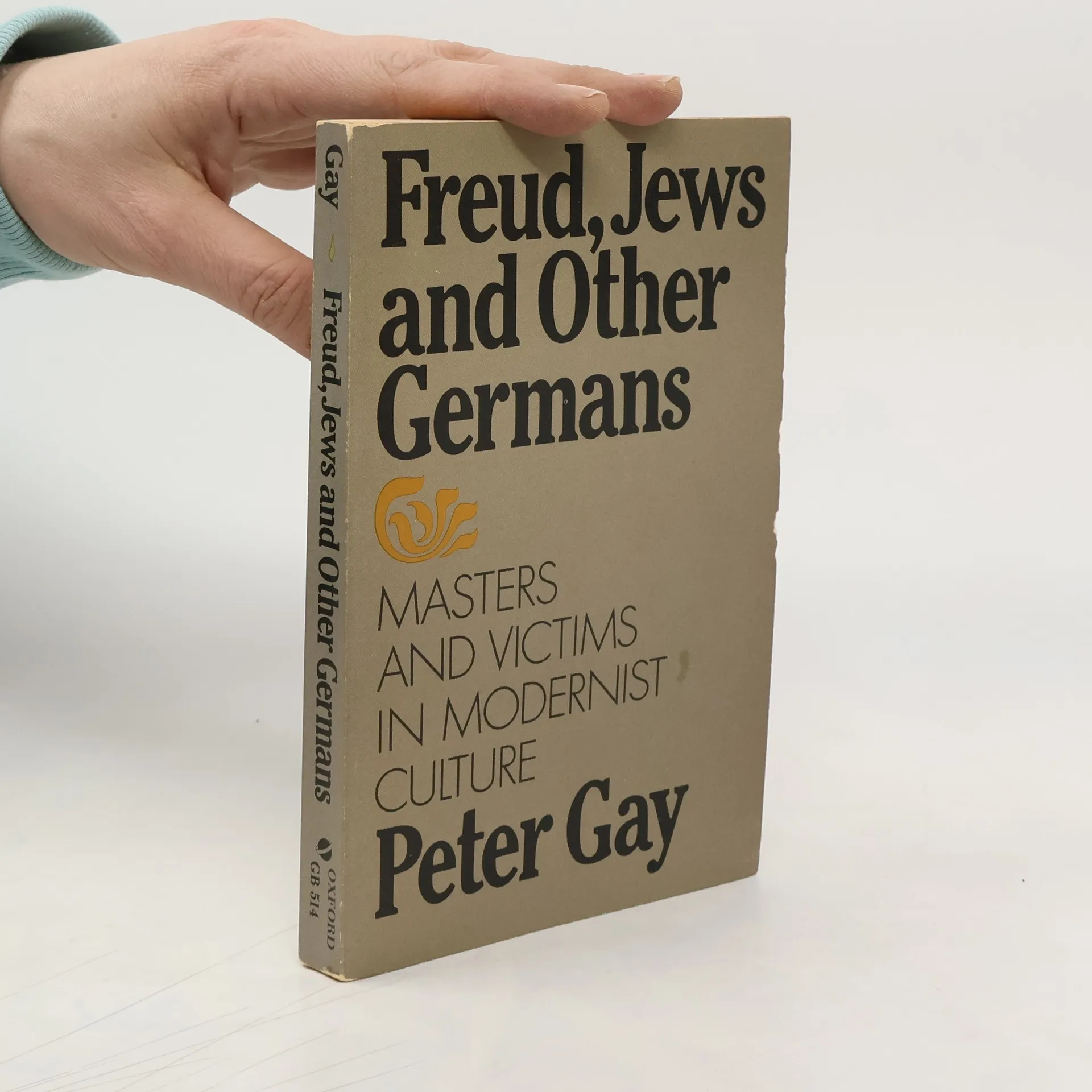
A series of essays examining German culture in the late nineteenth and early twentieth centuries focuses on the Jewish presence and the role of the modernist spirit in that culture.
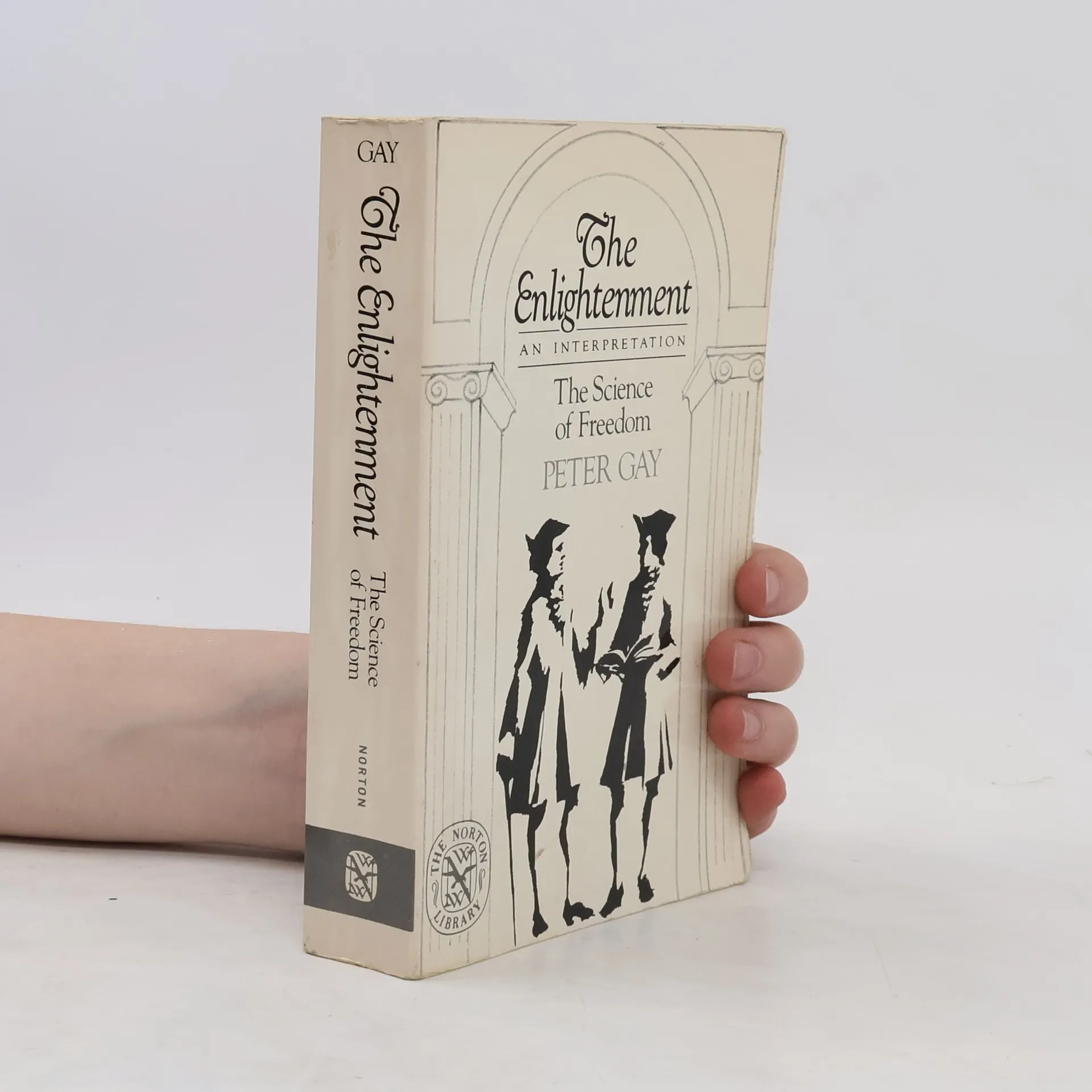
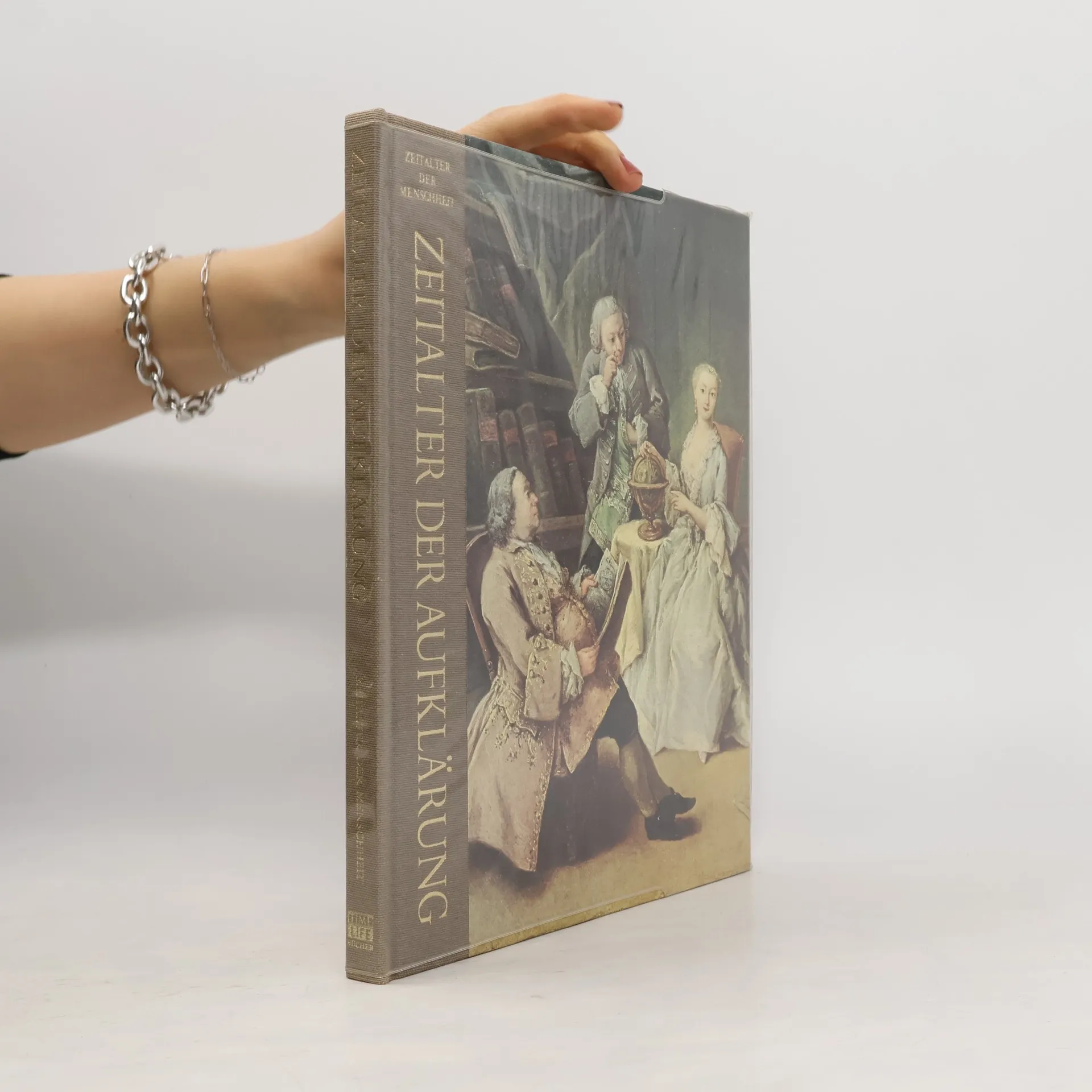
Part of a two-volume study of the Enlightenment, this volume develops a social history of the period, the "Philosophes" and their background. The author provides insights into the Enlightenment's critical methods and its humane and libertarian visions.
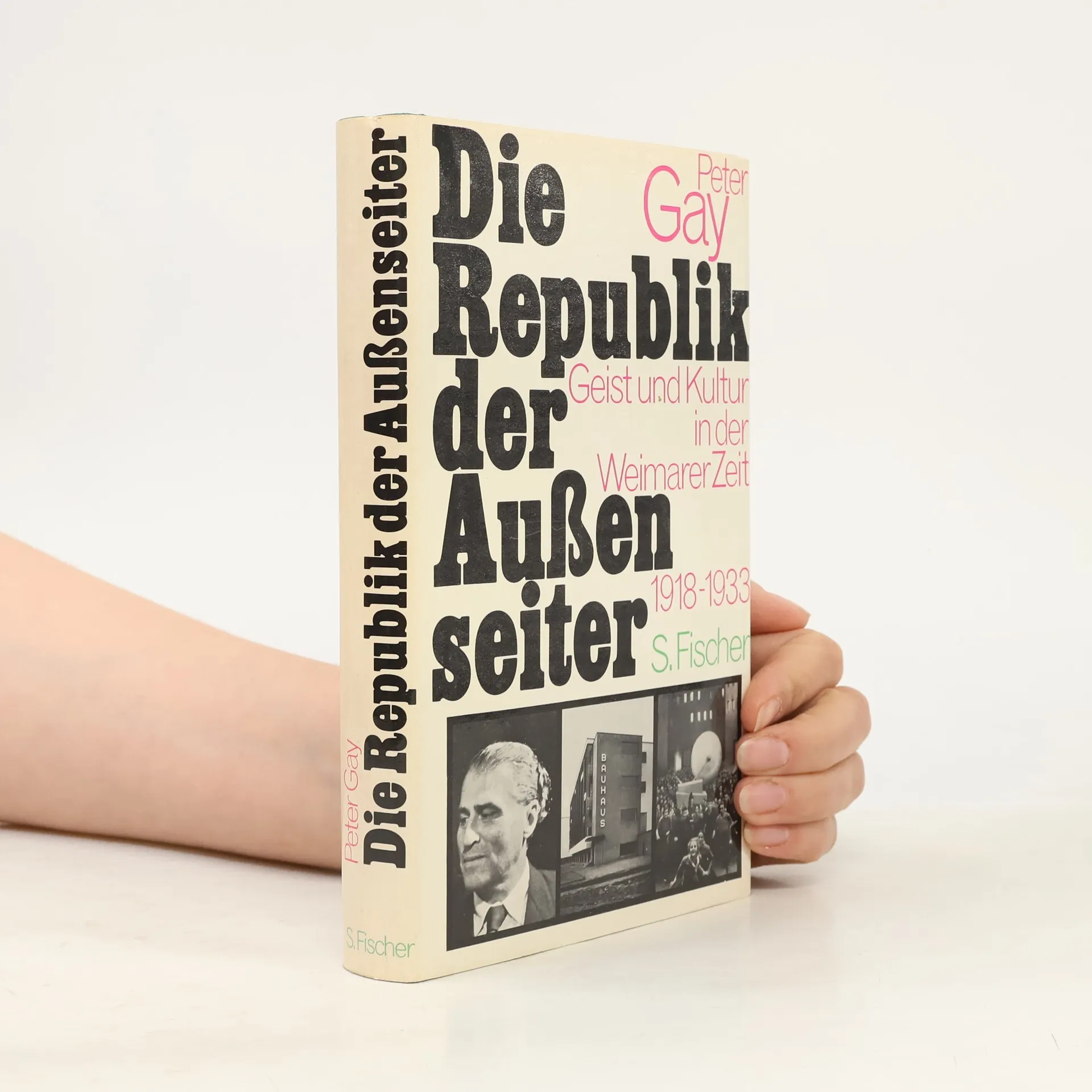
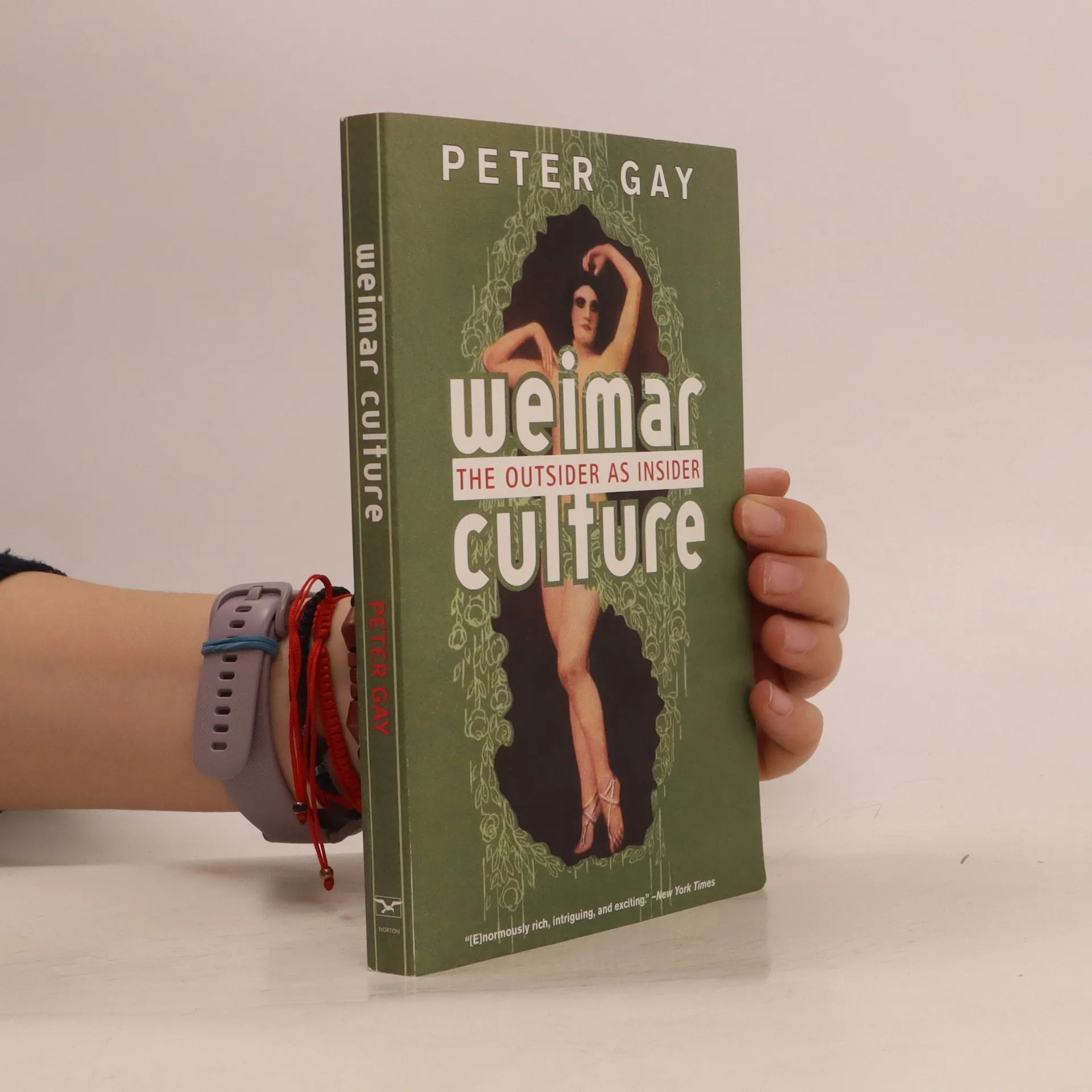
First published in 1968, Weimar Culture is one of the masterworks of Peter Gay's distinguished career. A study of German culture between the two wars, the book brilliantly traces the rise of the artistic, literary, and musical culture that bloomed ever so briefly in the 1920s amid the chaos of Germany's tenuous post-World War I democracy, and crashed violently in the wake of Hitler's rise to power. Despite the ephemeral nature of the Weimar democracy, the influence of its culture was profound and far-reaching, ushering in a modern sensibility in the arts that dominated Western culture for most of the twentieth century. Vivid and eminently readable, Weimar Culture is the finest introduction for the casual reader and historian alike.