

Peter Levine Ordine dei libri (cronologico)
Peter A. Levine è l'ideatore di Somatic Experiencing®, un approccio corporeo alla guarigione dai traumi. Con oltre quattro decenni di esperienza nello stress e nel trauma, ha sviluppato un metodo che integra la comprensione psicologica con una profonda consapevolezza di come il corpo elabora le esperienze stressanti. Il suo lavoro enfatizza la capacità innata del corpo di guarire e ripristinare, consentendo agli individui di recuperare un senso di sicurezza e completezza. L'approccio di Levine offre strumenti per trasformare esperienze traumatiche e ripristinare la resilienza interiore.

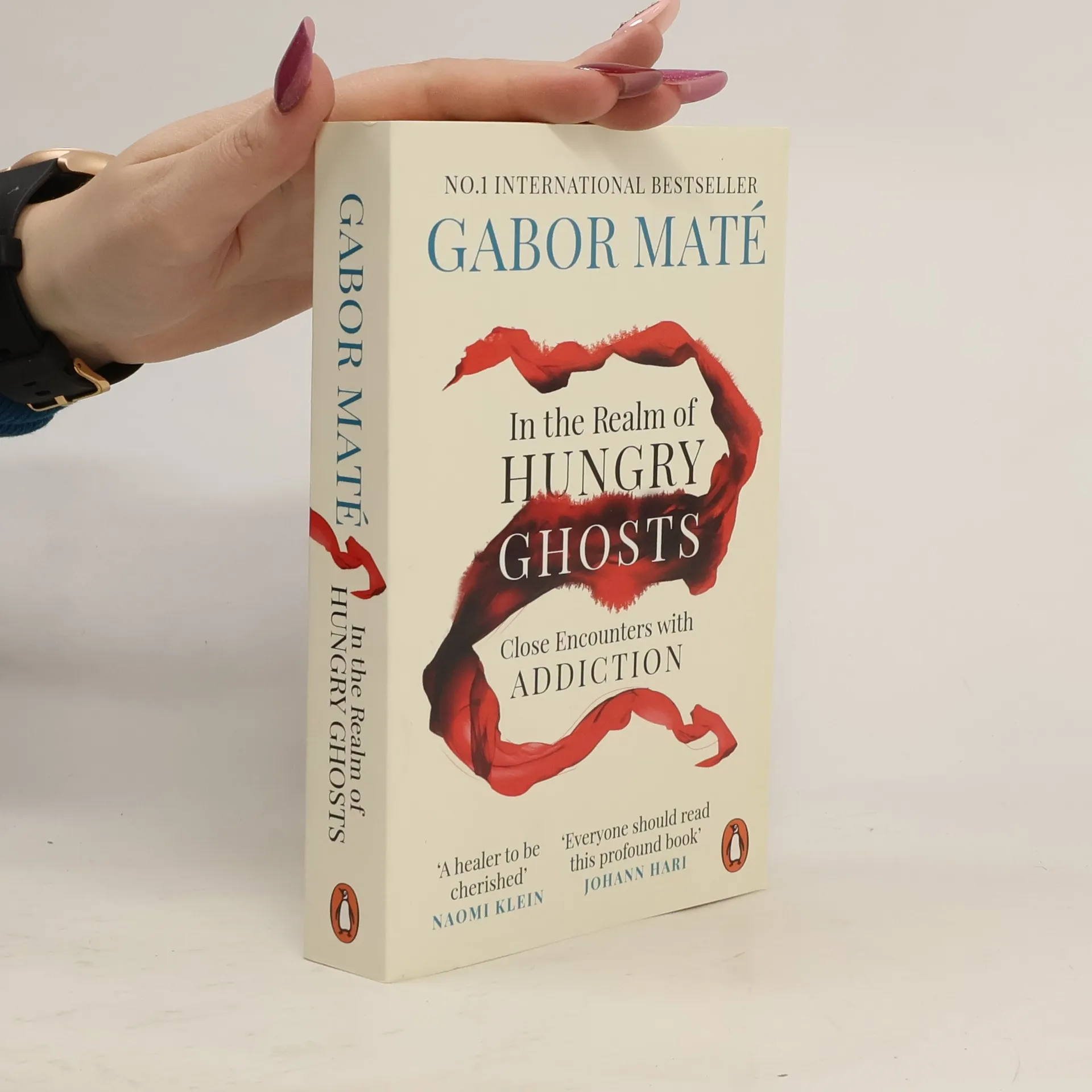
In the Realm of Hungry Ghosts
- 496pagine
- 18 ore di lettura
To heal addiction, you have to go back to the start... Dr Gabor Maté is one of the world's most revered thinkers on the psychology of addiction. His radical findings - based on decades of work with patients challenged by catastrophic drug addiction and mental illness - are reframing how we view all human development. In this award-winning modern classic, Gabor Maté takes a holistic and compassionate approach to addiction, whether to alcohol, drugs, sex, money or anything self-destructive. He presents it not as a discrete phenomenon confined to a weak-willed few, but as a continuum that runs through (and even underpins) our society; not as a medical 'condition', but rather the result of a complex interplay of personal history, emotional development and brain chemistry. Distilling cutting-edge research from around the world, In the Realm of Hungry Ghosts avoids glib self-help remedies, instead promoting self-understanding as the first key to healing and wellness. Blending personal stories and science with positive solutions, and written in spellbinding prose, it is a must-read that will change how you see yourself, others and the world. · 10th anniversary edition, updated with new chapter on the Opiod crisis
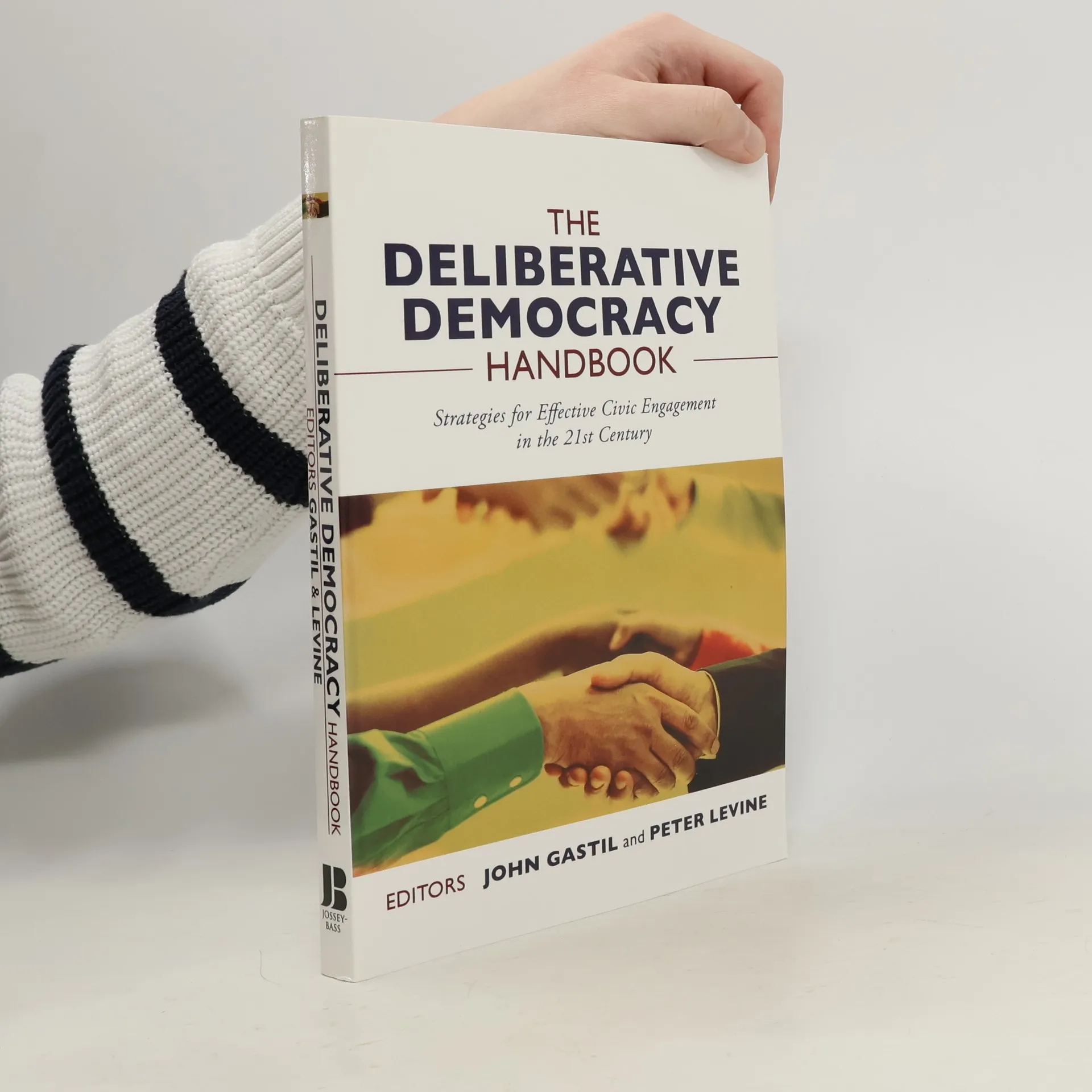
The Deliberative Democracy Handbook
- 336pagine
- 12 ore di lettura
The Deliberative Democracy Handbook is a terrific resource for democratic practitioners and theorists alike. It combines rich case material from many cities and types of institutional settings with careful reflection on core principles. It generates hope for a renewed democracy, tempered with critical scholarship and political realism. Most important, this handbook opens a spacious window on the innovativeness of citizens in the U.S. (and around the world) and shows how the varied practices of deliberative democracy are part of a larger civic renewal movement.