Can Fish Count?
- 384pagine
- 14 ore di lettura
Every pet owner thinks their own dog, cat, fish or hamster is a genius. What makes CAN FISH COUNT? so exciting is the way it unveils just how widespread intelligence is in nature.


Questo autore è Professore Emerito di Neuropsicologia Cognitiva e Fellow della British Academy. Il suo lavoro approfondisce gli intricati meccanismi della mente e del cervello umano, esplorando complessi processi cognitivi e le loro basi neurologiche. Attraverso la ricerca e la scrittura, offre una prospettiva unica su come percepiamo il mondo e sui meccanismi alla base della memoria, dell'attenzione e del linguaggio. Il suo approccio fonde il rigore scientifico con una profonda curiosità umana per illuminare i misteri della coscienza.
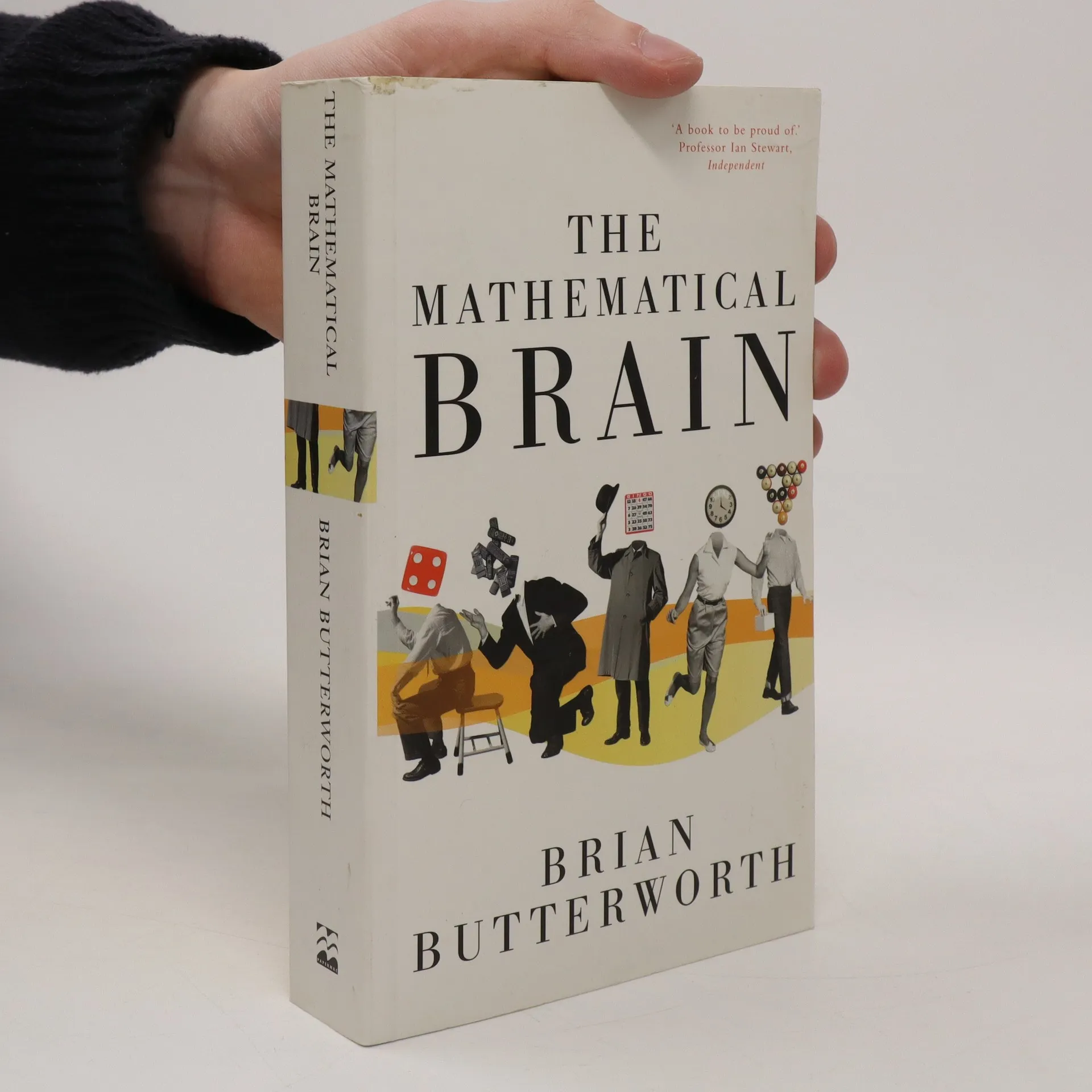

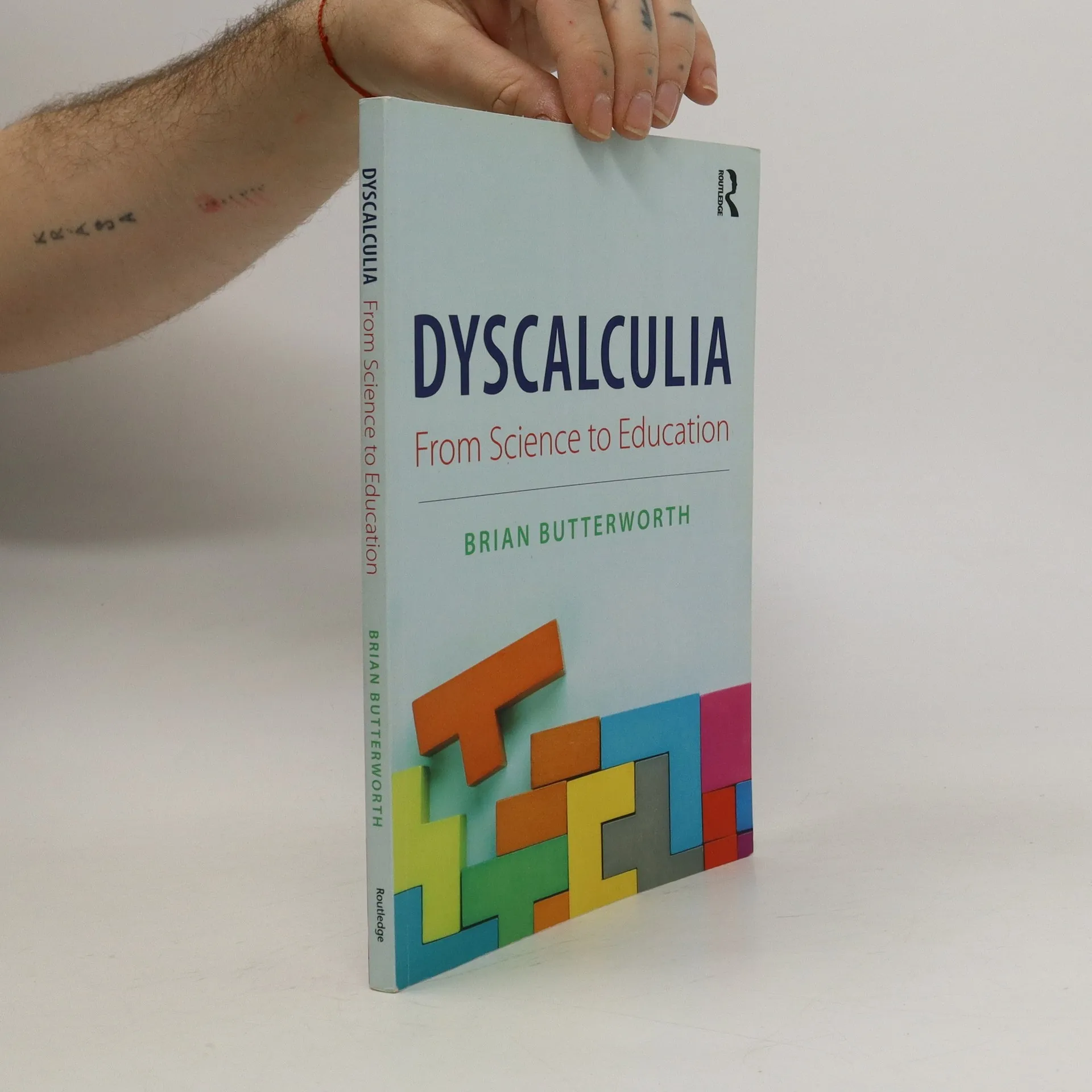
Every pet owner thinks their own dog, cat, fish or hamster is a genius. What makes CAN FISH COUNT? so exciting is the way it unveils just how widespread intelligence is in nature.
In this ground-breaking text, Professor Butterworth explains the latest research in the science of dyscalculia in a clear, non-technical way and shows how science can be used for the identification of dyscalculia, and for the development of strategies to best help affected learners acquire arithmetical competence.
SynopsisThe concept of numbers and the ability to recognize and process them is innate, part of everyone's intellectual apparatus whether they've had formal education or not. This "number instinct" is not dependent on basic intelligence or general knowledge, a fact which has implications for neuroscience and poses the question: why did man evolve with such specialized neural apparatus. It has been that the social development of humans has been crucially affected by language, yet numbers have also been critical in the advancement of human culture. Every child goes through a stage of learning to count using their ten fingers, much as early Homo Sapiens must have done. If number learning is a natural and universal function of the brain, why do so many suffer from dyscalculia? This text, containing theories and anecdote, is an investigation into the bizarre world of numbers. It examines the role of education, good or bad, in the development of mathematical disorders.