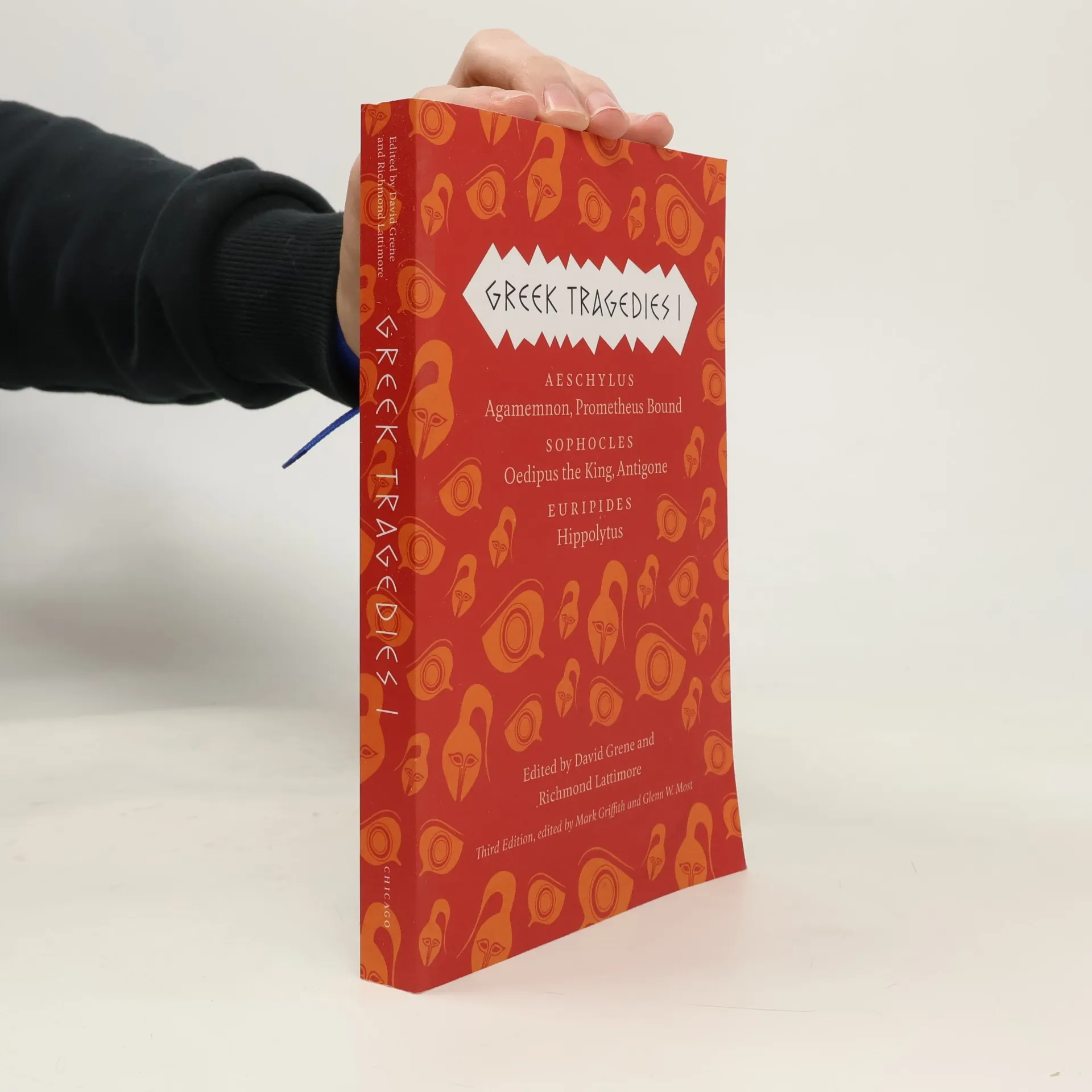
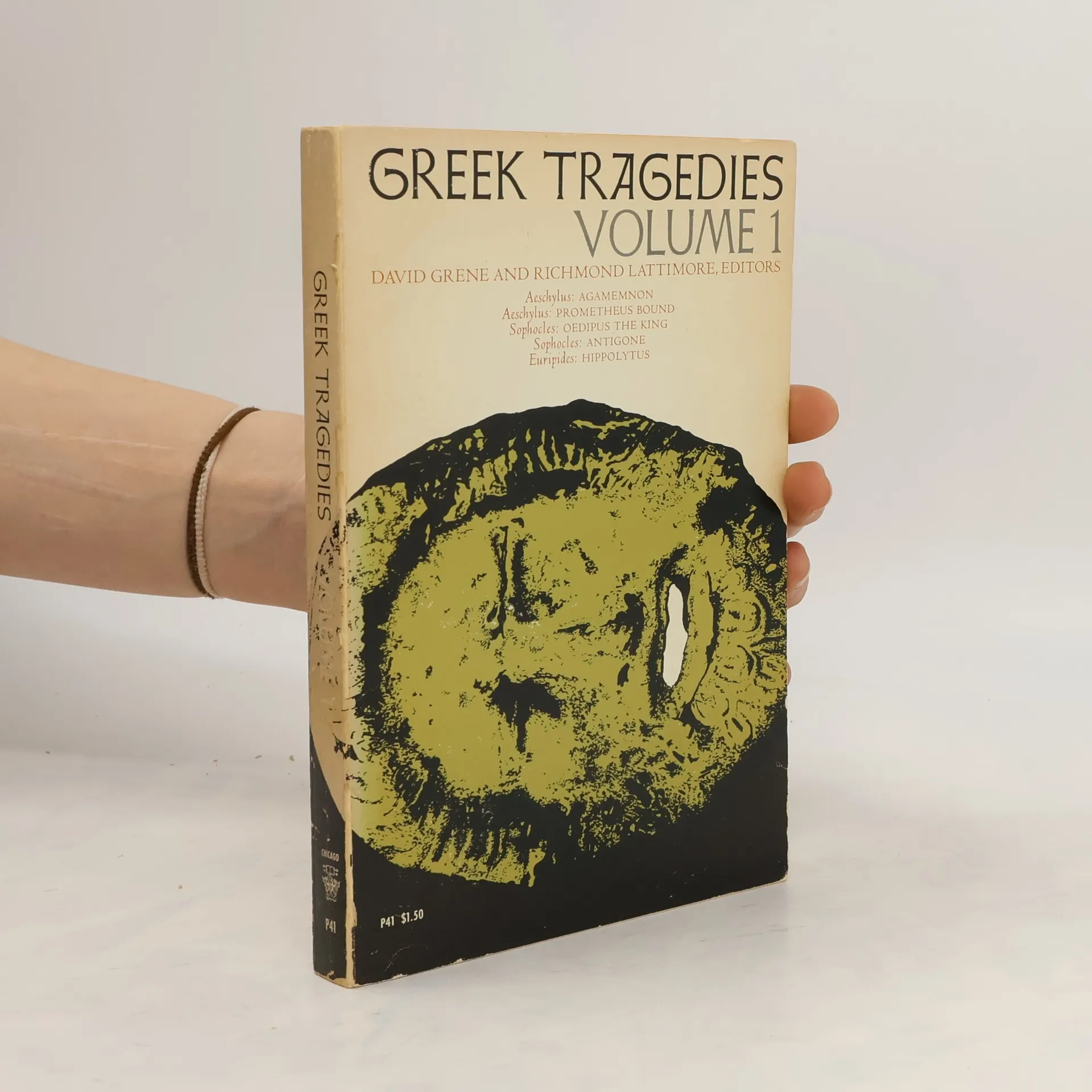
Offers translations of Euripides' Medea, The Children of Heracles, Andromache, and Iphigenia among the Taurians, fragments of lost plays by Aeschylus, and the surviving portion of Sophocles' The Trackers. In this title, introductions for each play offer information about its first production, plot, and reception in antiquity and beyond.
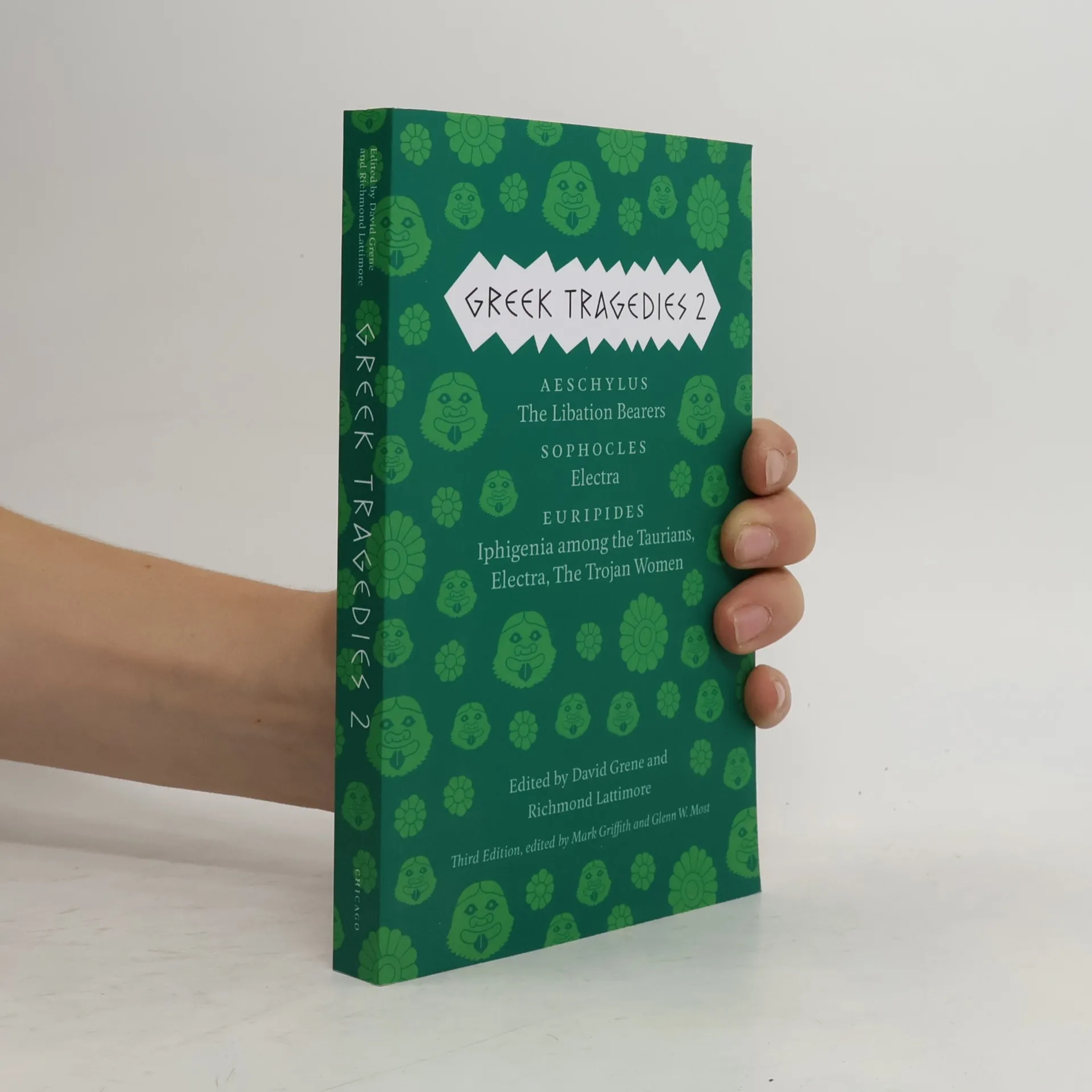
Aeschylus: The Libation Bearers; Sophocles: Electra; Euripides: Iphigenia Among The Taurians, Electra, The Trojan Women - Third Edition, Edited By Mark Griffith And Glenn W. Most
328pagine
12 ore di lettura
Offers translations of Euripides' Medea, The Children of Heracles, Andromache, and Iphigenia among the Taurians, fragments of lost plays by Aeschylus, and the surviving portion of Sophocles' The Trackers. In this title, introductions for each play offer information about its first production, plot, and reception in antiquity and beyond.
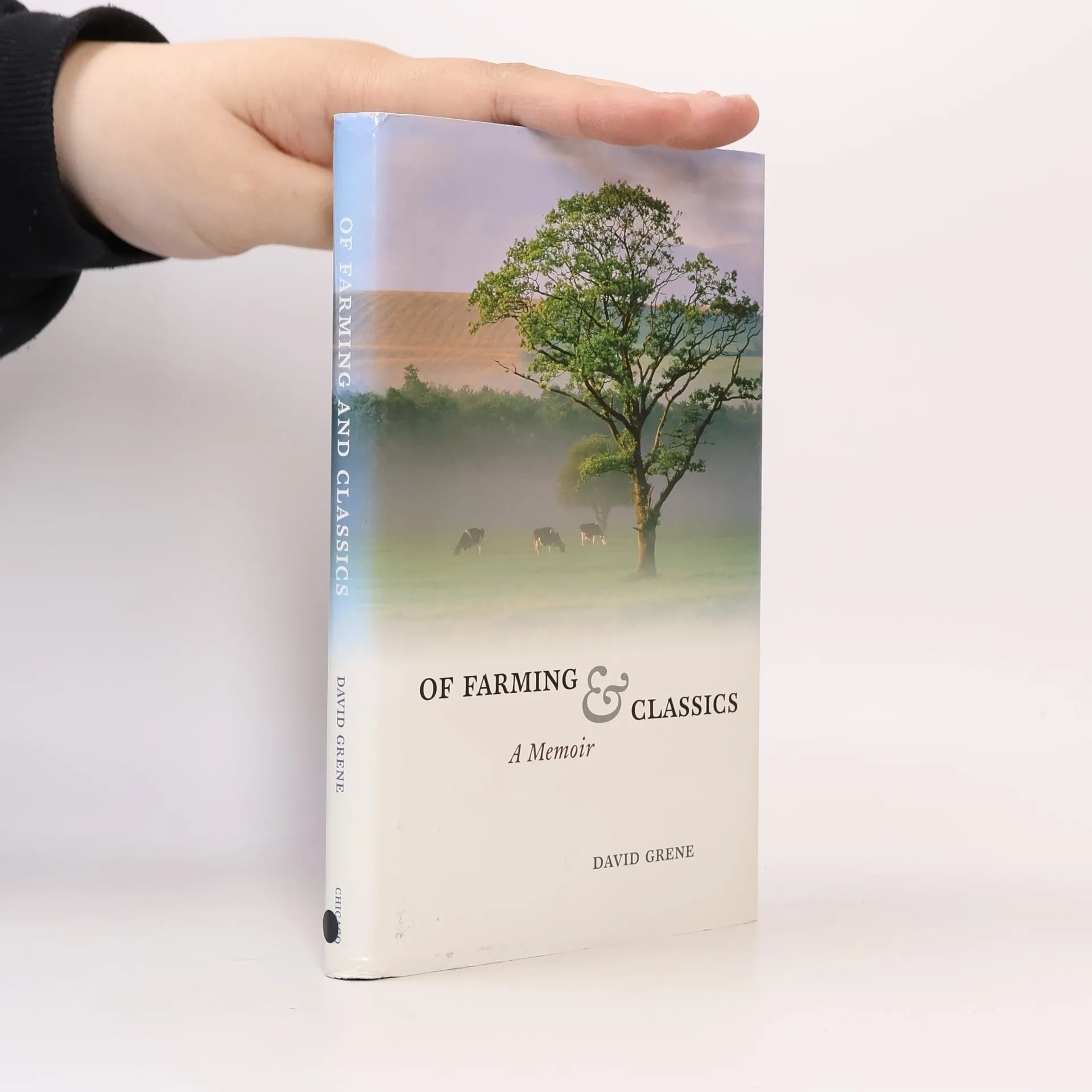
A fiercely independent thinker, colorful storyteller, and spirited teacher, David Grene devoted his life to two things: farming, which he began as a boy in Ireland and continued into old age; and classics, which he taught for several decades that culminated in his translating and editing, with Richmond Lattimore, of The Complete Greek Tragedies . In this charming memoir, which he wrote during the years leading up to his death in 2002 at the age of eighty-nine, Grene weaves together these interests to tell a quirky and absorbing story of the sometimes turbulent and always interesting life he split between the University of Chicago—where he helped found the Committee on Social Thought—and the farm he kept back in Ireland. Charting the path that took him from Europe to Chicago in 1937, and encompassing his sixty-five-year career at the university, Grene’s book draws readers into the heady and invigorating climate of his time there. And it is elegantly balanced with reflections stemming from his work on the farm where he hunted, plowed and regularly traveled on horseback to bring his cows home for milking. Grene’s form and humor are quite his own, and his brilliant storytelling will enthrall anyone interested in the classics, rural Ireland, or twentieth-century intellectual history, especially as it pertains to the University of Chicago.