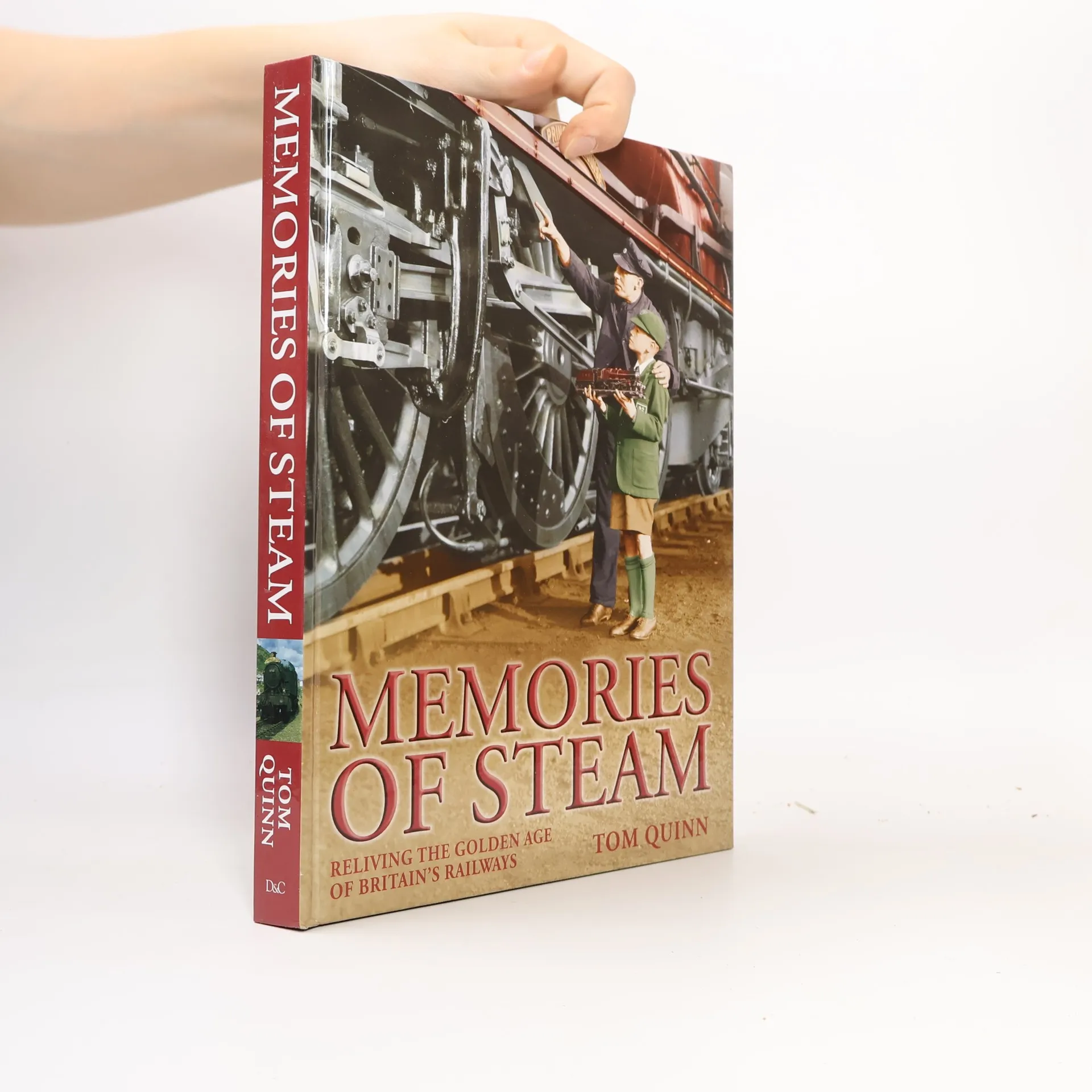
From the glamorous drivers on the great mainline locomotives to everyday commuters and trainspotting schoolboys, this collection of stories gives a glimpse into the lives of those who lived and worked in the steam era.
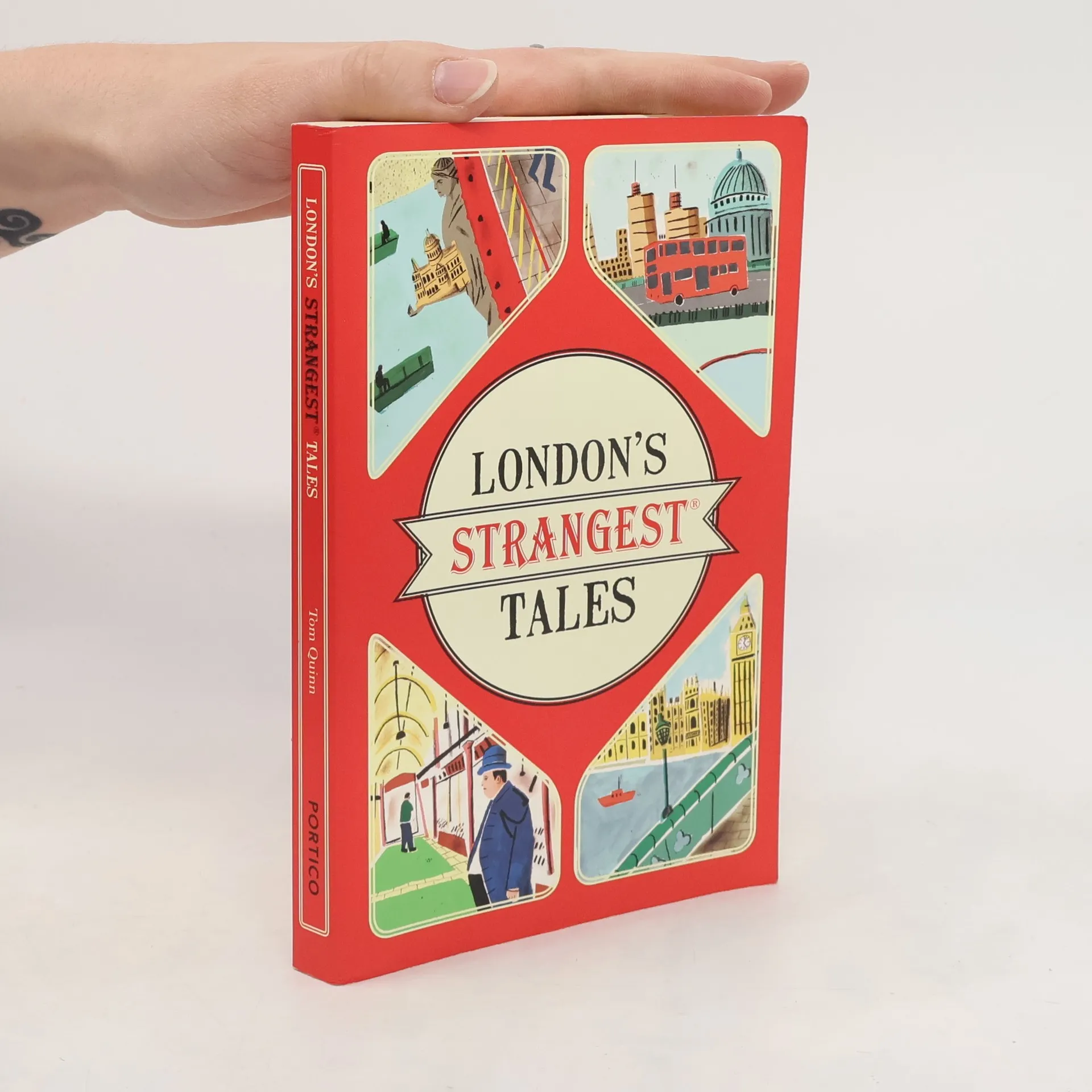
Following on from the hugely successful London's Strangest Tales, Tom Quinn plunges even deeper into the endlessly beguiling past of one of the world's greatest capitals, and once more unpicks the quirkiest tales that characterise London.Why would Winston Churchill ask to be lowered in a bucket into the sewers of London? Why is the name George so important to certain elitist London clubs? Why did the market for human teeth become such a booming industry? As with many old cities, a wealth of bizarre and astonishing tales makes up the history of London: stories ranging from the churches and streets of the city to the incredible actions of monarchs and mavericks.Inside these pages you will uncover the stories of a king who enjoyed cross-dressing and the schoolboys who played football with a pancake; you will learn which prestigious department store once sold cocaine over the counter and why Napoleon's nose is built into the structure of Admiralty Arch. More London's Strangest Tales promises to be an incredible collection of the weird and wonderful, a city guide proving once and for all that truth is stranger than fiction.Tom Quinn is the author of many titles including London’s Strangest Tales, Backstairs Billy: The Life of William Tallon, the Queen Mother's most Devoted Servant, and The Cook’s Tale: Life Below Stairs as it Really Was. He also writes occasional obituaries for the Times and edits Country Business magazine.
Presents the social history of post-war Britain, from 1945-1951, through hundreds of interviews and photography. This book draws on individual experiences to revive the struggles, the triumphs and the changes that took place in the years following the Second World War.
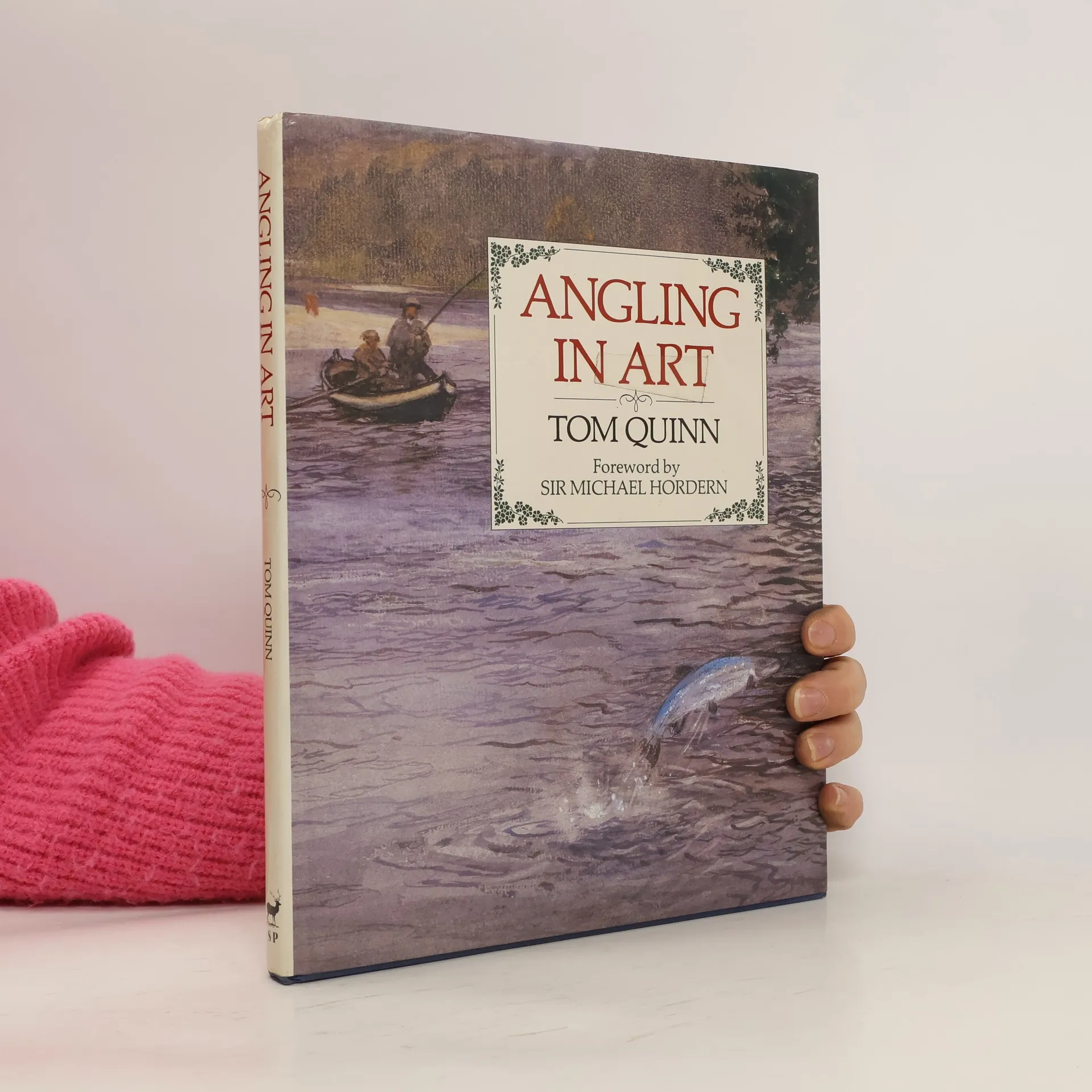
Tom Quinn charts the history of angling in art from its earliest beginnings in ancient Egypt, Greece and China, through the golden age in the eighteenth and nineteenth centuries to the prolific artists of modern times.
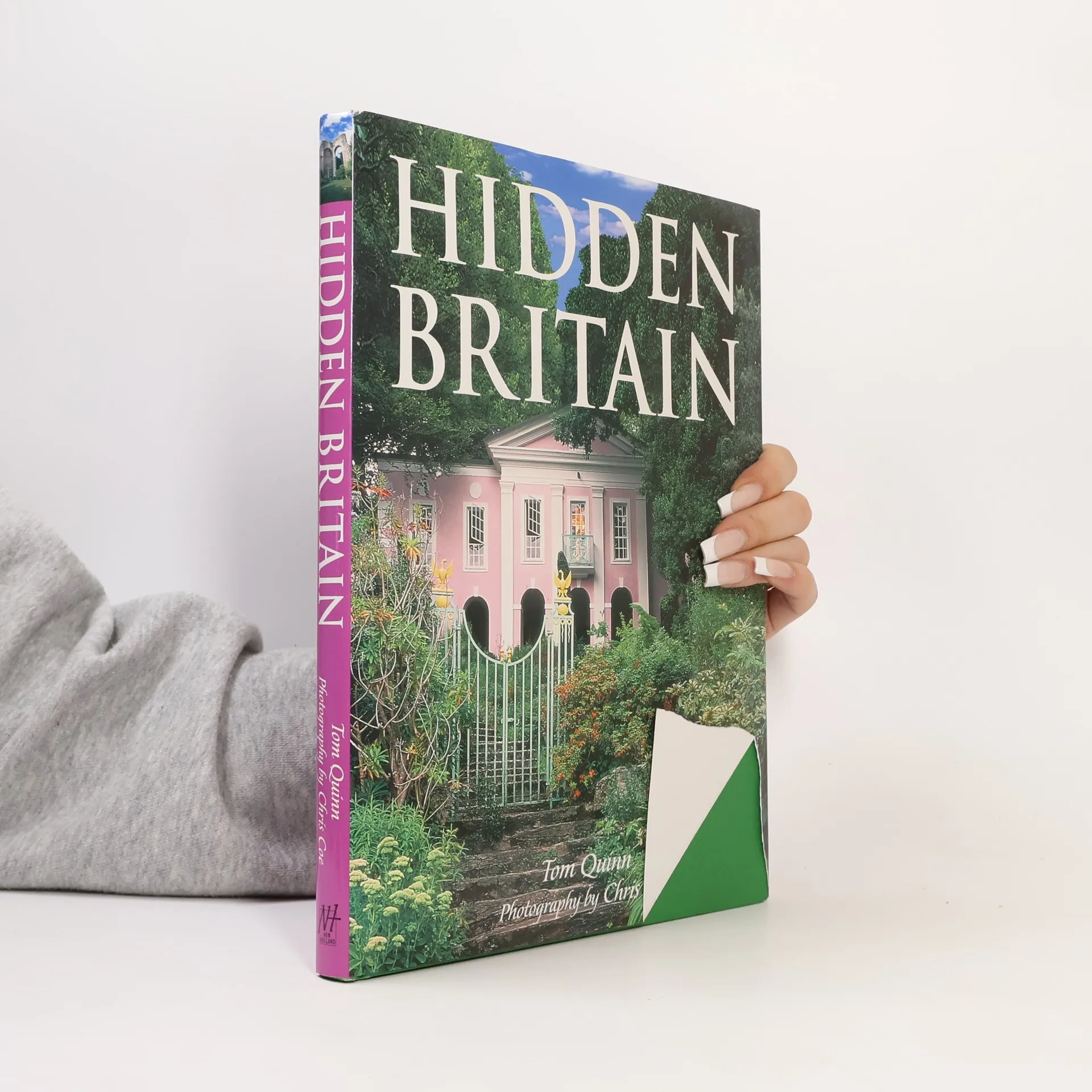
This book provides an alternative tour of the country, taking in archaeological sites, such as Cissbury Ring in West Sussex, stately homes, including the 17th-century Stanway House in Gloucestershire, pubs, such as Southwark's historic George Inn, and wildlife and nature reserves, including Britain's oldest nature
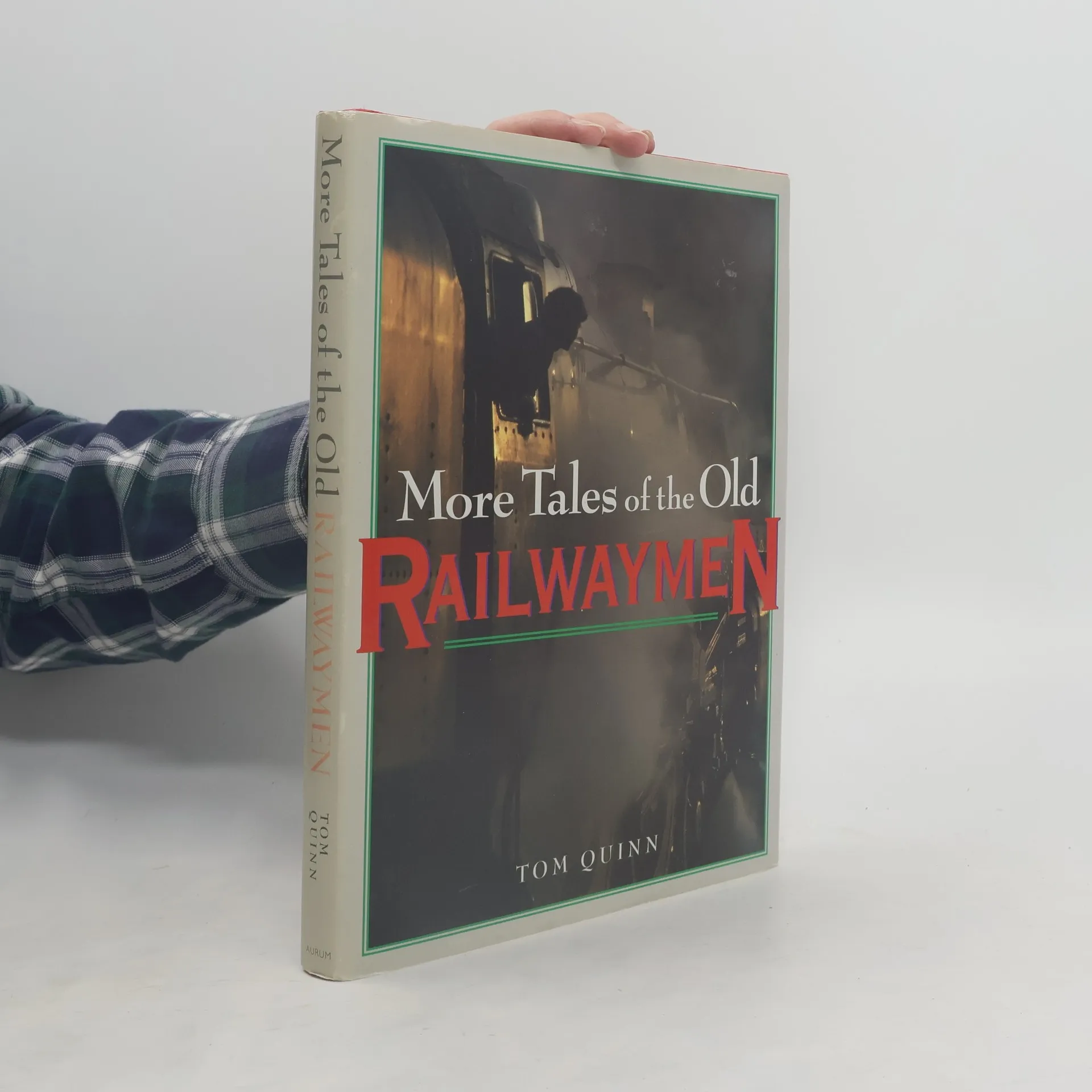
Here are stories of the Midland and Great Northern Railway - known to its staff as the 'Muddle and Get Nowhere Railway' - where drivers were not unknown to stop their trains near Sandringham to help themselves to the odd rabbit from a poacher's snare, and of young engine cleaners' pranks that blew up the cabin stove by dropping a detonator down its chimney. And, above all, here is the subtle, sooty, hot and sweaty art of firing and driving a great steam locomotive, with its glowing firebox, Yorkshire Hard steam coal, and gleaming brass. For anyone who looks at a lovingly restored steam engine on one of Britain's preserved lines and wonders what it was like in the days when such great beasts would have been hard at work, More Tales of the Old Railwaymen will be a wonderfully nostalgic evocation of a vanished world.
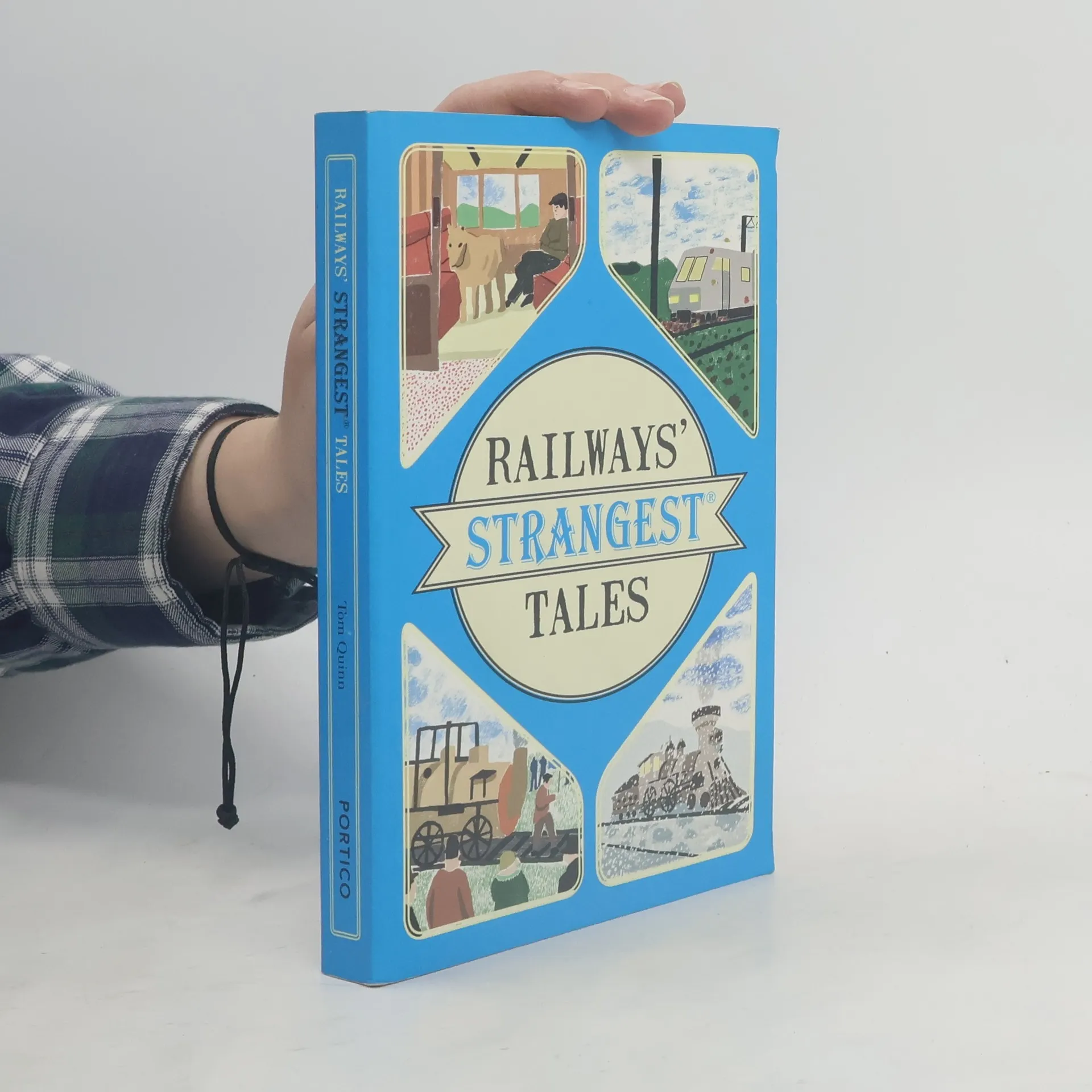
A quirky collection of true stories from the stranger side of the world's
railways, featuring weird weather conditions, audacious robberies, hair-
raising accidents, vanishing passengers, an infestation of maggots and a
mysterious missing mummy.
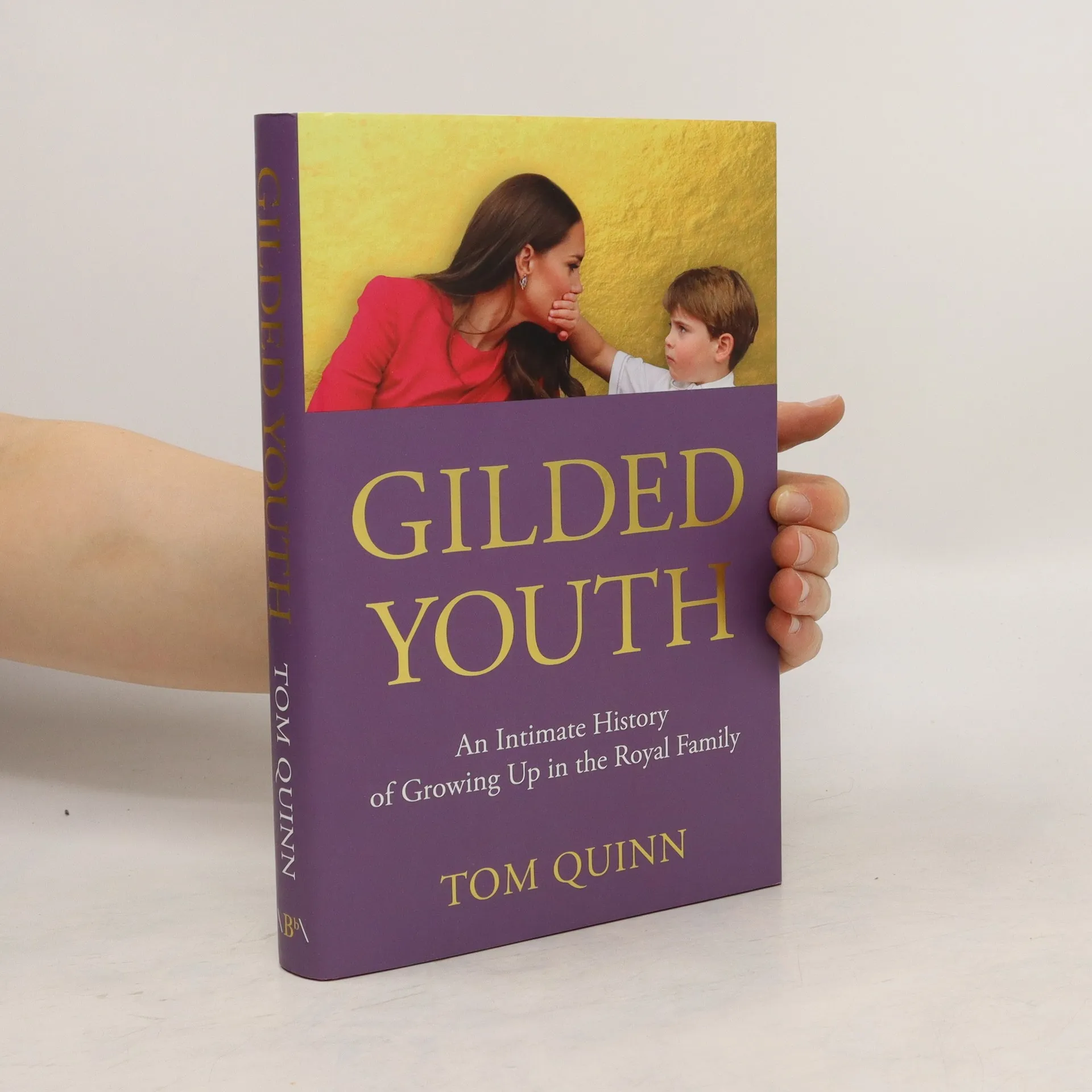
For as long as the British monarchy has existed, royal children have been brought up in ways that seem bizarre and eccentric to the rest of us. From medieval wet nurses to today's Norland nannies and elite boarding schools, princes and princesses have endured parental abandonment for centuries as their parents farmed out childrearing duties to paid staff. And as this marvelous romp of a book demonstrates, dysfunctional childhood experiences produce emotionally damaged adults, as evidenced by Edward VIII - who was horribly mistreated by his nanny - and his marriage to his substitute mother figure, Mrs Simpson; by alcoholic party girl Princess Margaret; and by rebellious Harry and his desperate desire to adopt Meghan Markle's world view, to the detriment of his relationship with his brother. Interweaving exclusive testimonies from palace staff with historical sources, Tom Quinn also uncovers outrageous tales of royal children misbehaving, often hilariously - from Edward VII smashing up his schoolroom to the Queen mischievously pranking unsuspecting visitors with dog biscuits to Prince William pinching a teacher's bottom. Amusing and shocking in equal measure, Gilded Youth examines how the royal family has clung to outmoded traditions that centre on emotional coldness and detachment, and how, when it comes to children, the British royal family is still living in the Dark Ages.
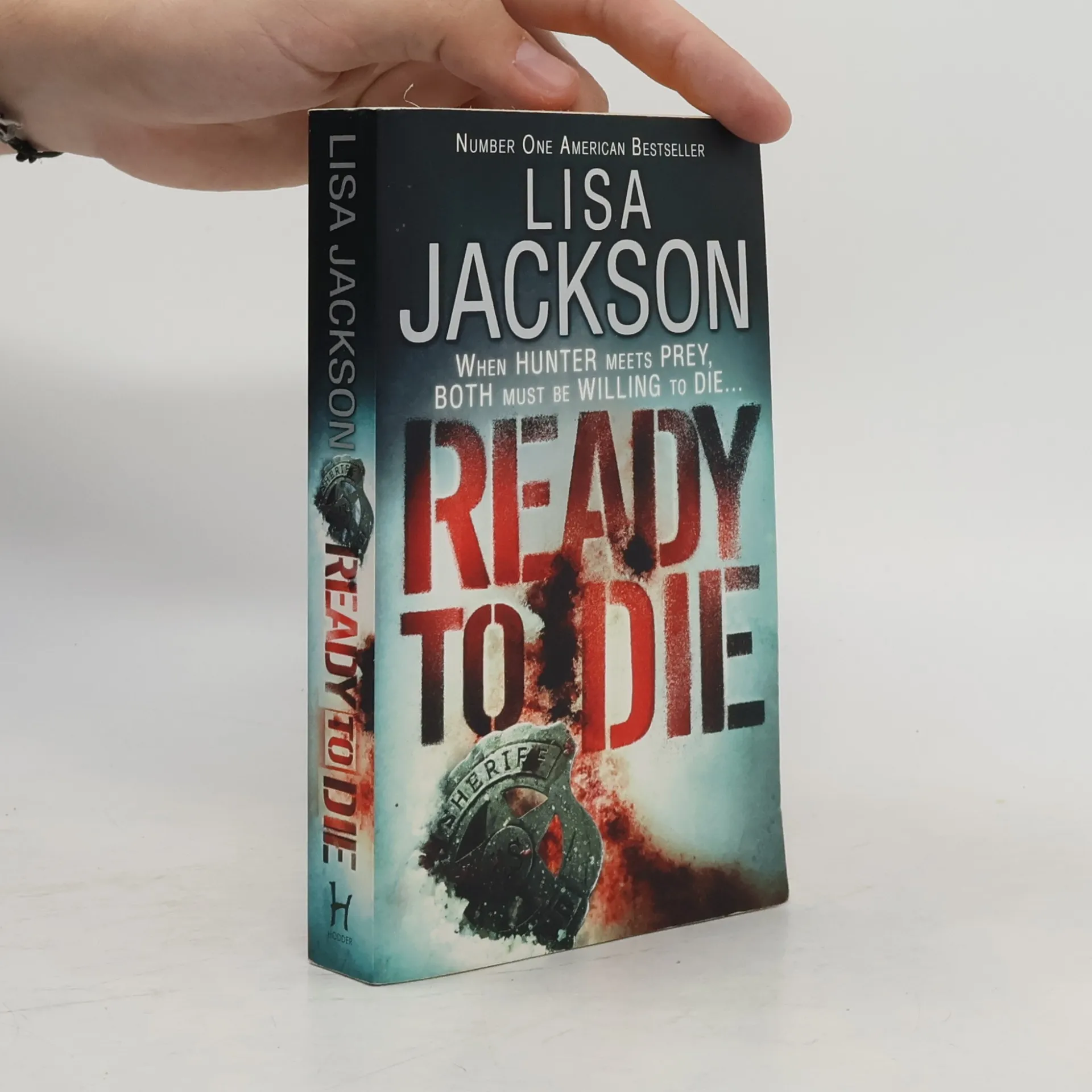
Nothing His blood quickens as he stares at the photographs. Six faces, all guilty--and detectives Regan Pescoli and Selena Alvarez are at the top of his list. One by one, he'll stalk them, then he'll squeeze the trigger, savoring the way each lifeless body crumples to the reddening snow. One down already. And then there were five. . . Can Prepare You Sheriff Dan Grayson lies near death after a shooting, and the police department of Grizzly Falls, Montana, is in shock. Alvarez, torn between a new relationship and her loyalty to Grayson, works with Pescoli to whittle down the list of suspects. The deeper they go, the more personal and dangerous the case becomes. Then a prominent judge's body is found and the killer sends a sinister warning to the press: "Who's Next?" To Face A Killer Pescoli isn't waiting to find out. Headstrong and eager for justice, she'll track the scant clues on her own if she has to. But her search leads her straight to a monster who has had her in his sights all along. And when hunter meets prey, both must be willing to kill--and ready to die. . .
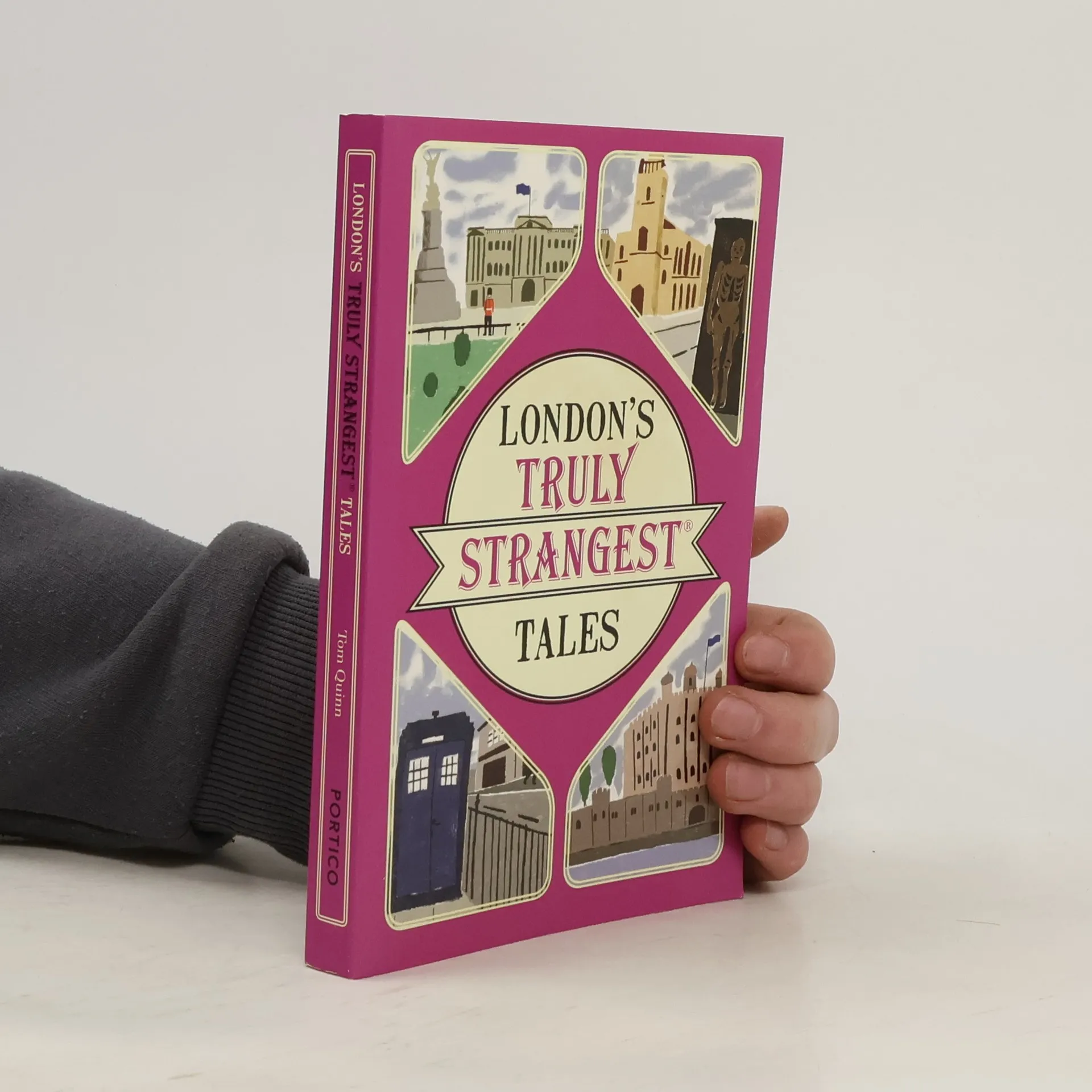
More extraordinary but true tales from London's history, featuring a mysterious mummy housed in a City church, a TARDIS at Earl's Court, and why the mulberry tree in the gardens at Buckingham Palace isn't quite what it was supposed to be.
George Orwell once said that the British love a really good murder. He might
have added that the only thing the British love more than a good murder is a
really good scandal, and best of all are the sexual and political scandals
that take place behind the gilded doors of Britain's royal palaces.
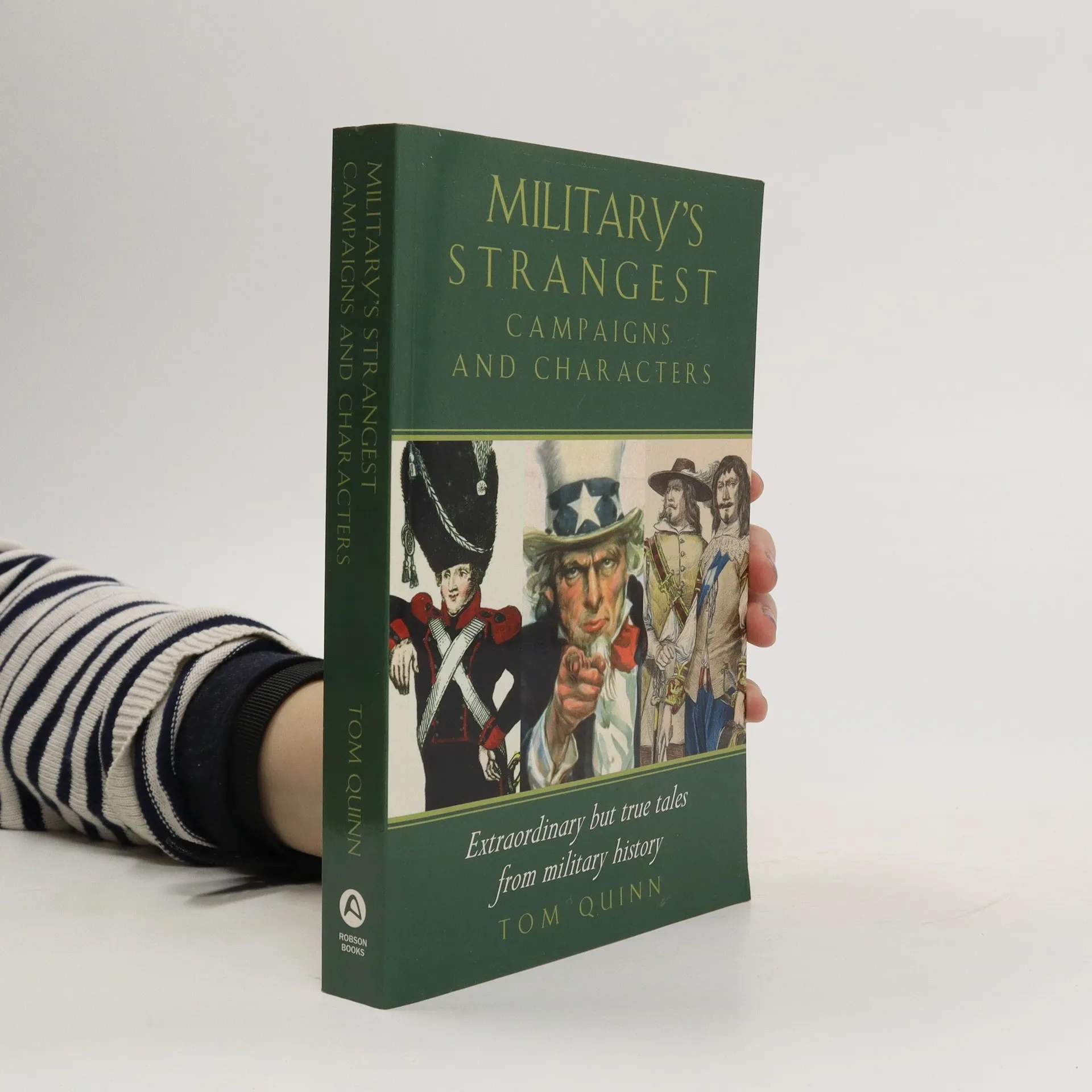
Military conflicts have shaped the course of history, and this book takes a look at some of the most extraordinary battles and warriors of all time. Among the hundred or so tales, there’s “The Battle That Never Was” between two Celtic tribes that never were, and the incredibly ill-fated launch of the Russian warship Novgorod. Endlessly entertaining, this album of mad miscellany is a must for military buffs.
The Duchess of Cornwall's great-grandmother Alice Keppel was perhaps the
greatest courtesan in history. Charming, voracious, selfish, manipulative and
strikingly modern, this remarkable book shows how Mrs Keppel became one of the
most compelling characters of the Edwardian era.
The extraordinary and unhappy life story of one of the world's richest men. By
the author of the best-selling Backstairs Billy ISBN 9781849547802 hb and
ISBN: 9781785900006 pb, with combined sales of 15,600 across cloth, paper and
Ebook.
A quirky collection of stories from London's stranger side, featuring a tiny
prison cell in Trafalgar Square, a train disguised as a ship, and a church
that's completely the wrong way round.
Kensington Palace takes the reader behind the official version of palace
history to discover intriguing, sometimes wild, often scandalous, but
frequently heart-warming stories.
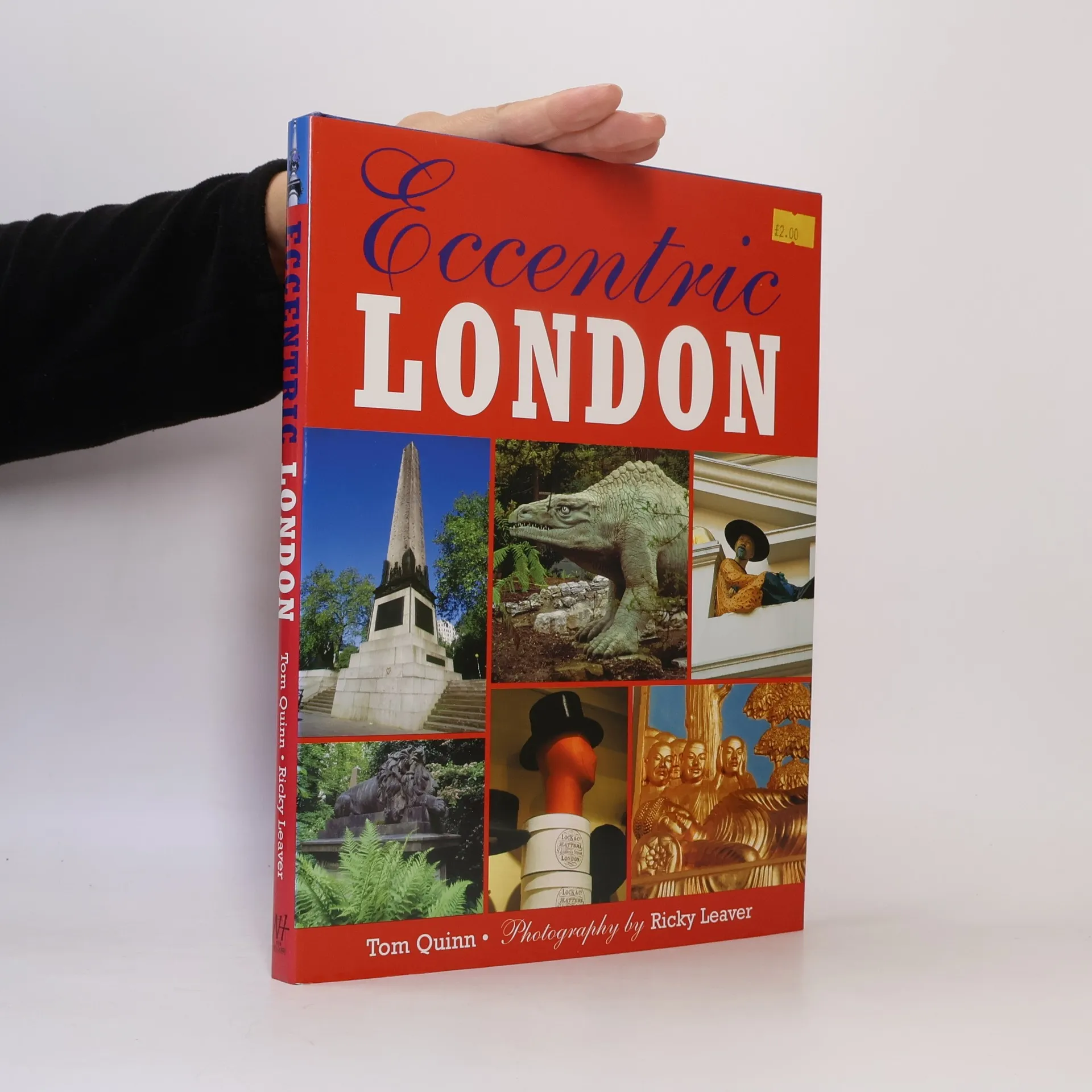
This beautifully illustrated book takes the reader around the capital district by district, stopping at a range of unusual locations. Eccentric London is an exploration of the hallmarks of London's long and checkered history, illustrated by Ricky Leaver's unique photography.