

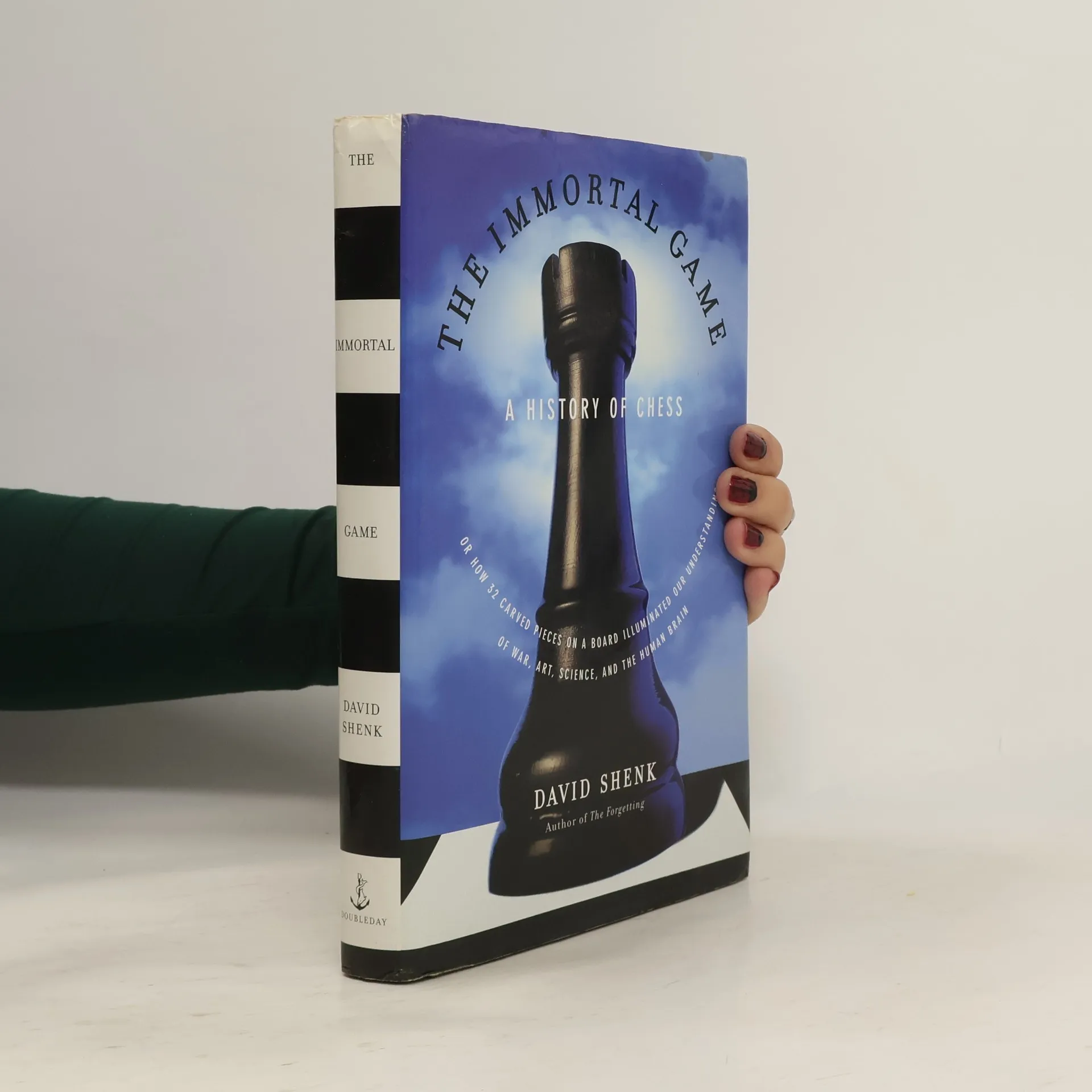
A history of chess explains how the game, its rules, and its pieces have had a profound influence on military strategy, literature, the arts, mathematics, and the development of artificial intelligence
David Shenk Libri
David Shenk è un autore che approfondisce argomenti complessi con notevole profondità e chiarezza. La sua scrittura esplora l'intersezione tra il potenziale umano e le influenze esterne, dalle abilità innate all'impatto del sovraccarico informativo. Shenk si concentra sullo svelare i modelli sottostanti e le verità più profonde che plasmano le nostre vite e la società. Il suo approccio è analitico ma accessibile, offrendo ai lettori prospettive coinvolgenti e acute.


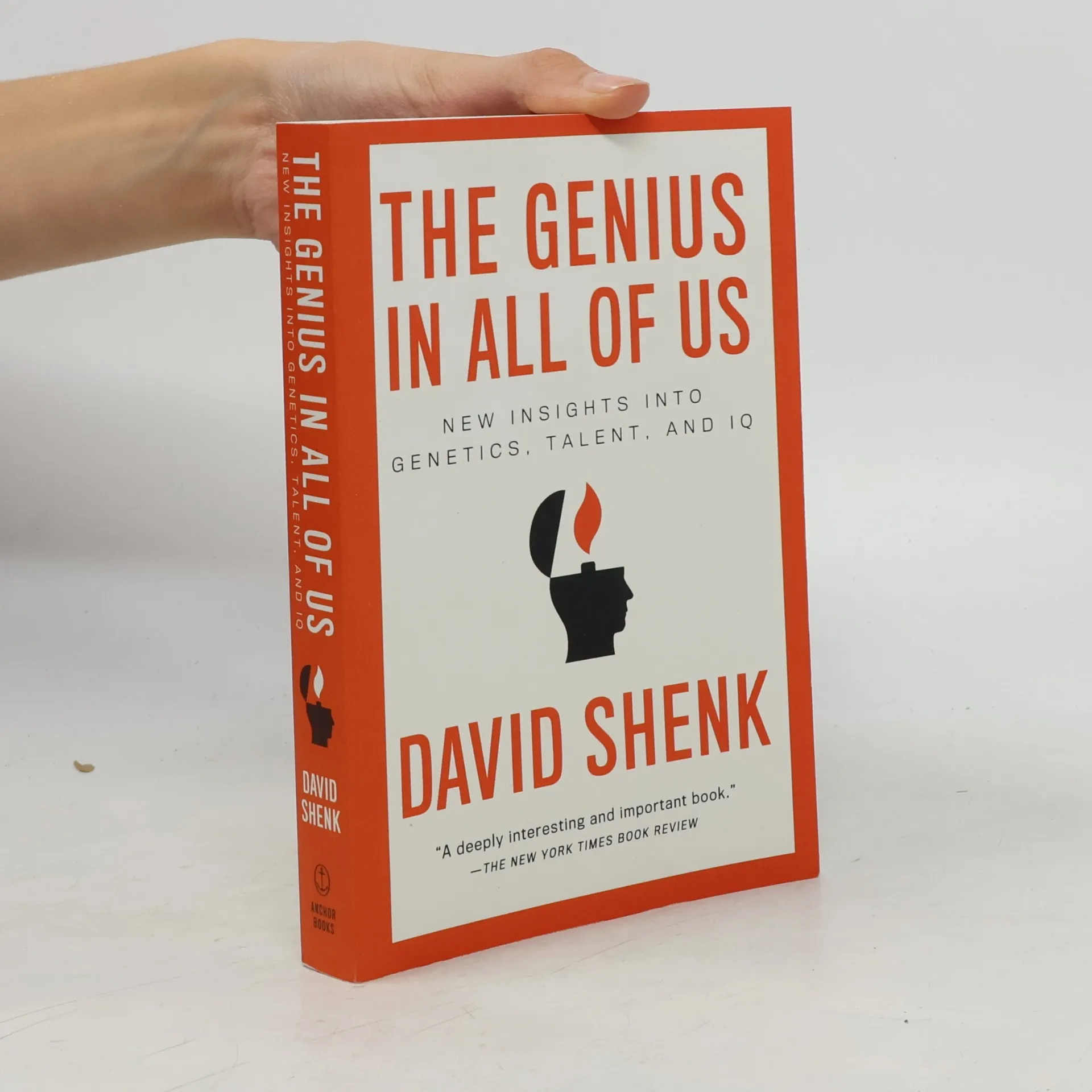
The Genius in All of Us
- 400pagine
- 14 ore di lettura
"Fresh insights into the nature of exceptional peformance…. A deeply interesting and important book” (New York Times Book Review) that offers a revolutionary and life-changing message on the new science of human potential. Is true greatness obtainable from everyday means and everyday genes? Conventional wisdom says no, that a lucky few are simply born with certain gifts. Now you can forget everything you think you know about genes, talent, and intelligence, and take a look at the amazing new evidence. Here, interweaving cutting-edge research from numerous scientific fields, David Shenk offers a new view of human potential, giving readers more of a sense of ownership over their accomplishments, and freeing parents from the bonds of genetic determinism. As Shenk points out, our genes are not a “blueprint” that dictate individual destinies. Rather we are all the product of interplay between genes and outside stimuli—a dynamic that we can influence. It is a revolutionary and life-changing message.
Datenmüll und Infosmog
- 268pagine
- 10 ore di lettura
Das Vergessen
- 312pagine
- 11 ore di lettura
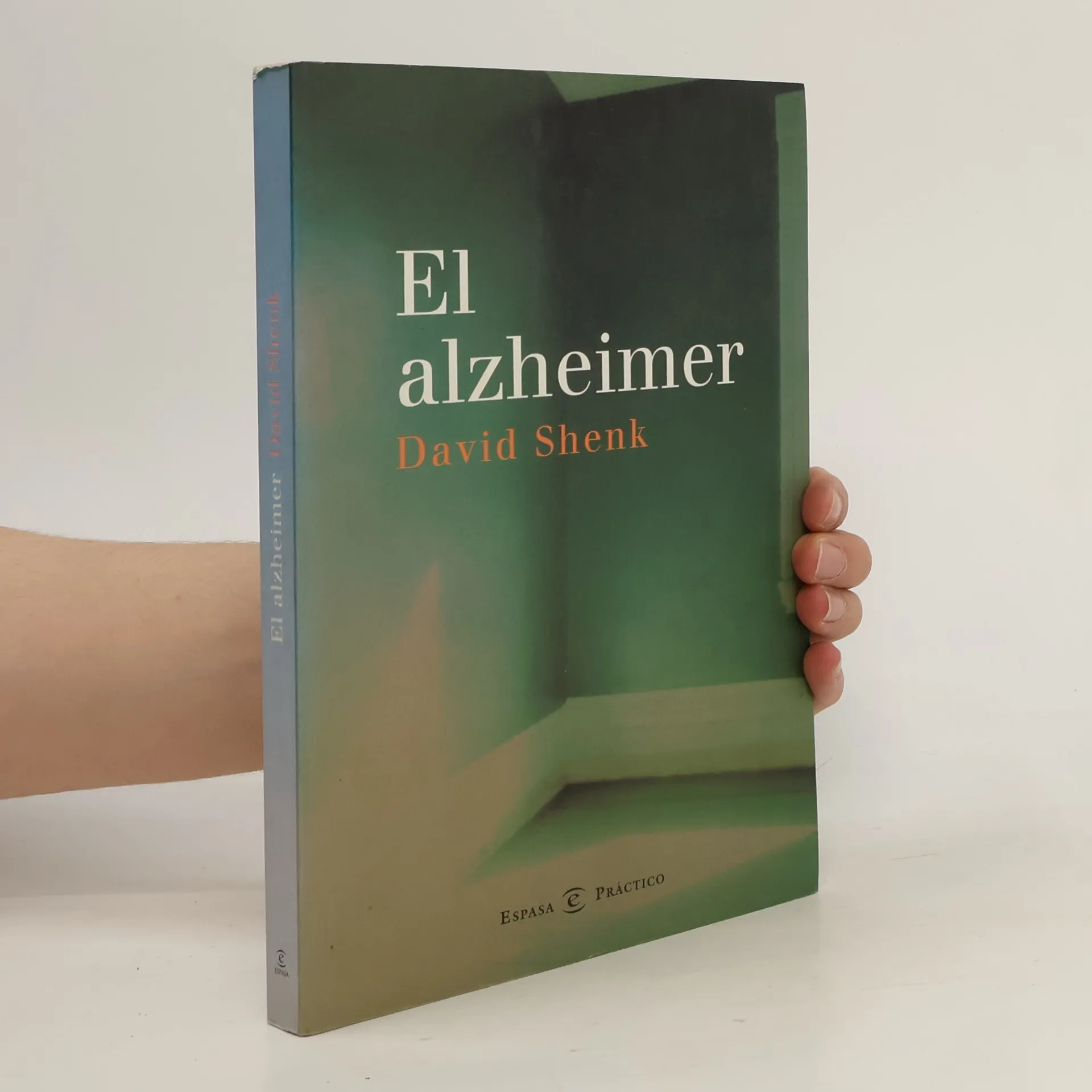
El alzheimer
- 301pagine
- 11 ore di lettura
Winner of the 2002 BMA Popular Medicine Book Prize, this haunting literary and scientific examination delves into Alzheimer’s disease and the quest for a cure. Described as a remarkable and definitive work on the subject, it is incisive, humane, and infused with dry humor, all presented with quiet authority. The author, drawing from personal experience in caring for an Alzheimer’s patient, offers profound insights into the disease's stages, prognosis, and impact on memory and identity. Alois Alzheimer’s groundbreaking discovery in 1906 linked specific brain pathology to behavioral changes, marking the beginning of our understanding of this debilitating condition. While rare in younger individuals, it affects 10% of those aged 65 and older, escalating to 50% among those 85 and above. As the baby boomer generation ages, the number of Alzheimer’s cases is projected to quadruple, making it the fastest-growing disease in developed nations. The foreword highlights how this work challenges our perceptions of caregiving and independence, reminding us that life encompasses more than mere health and youth. The author’s poignant and scientific history of Alzheimer’s is anchored in the belief that memory is fundamental to our identity and the essence of our lives.