

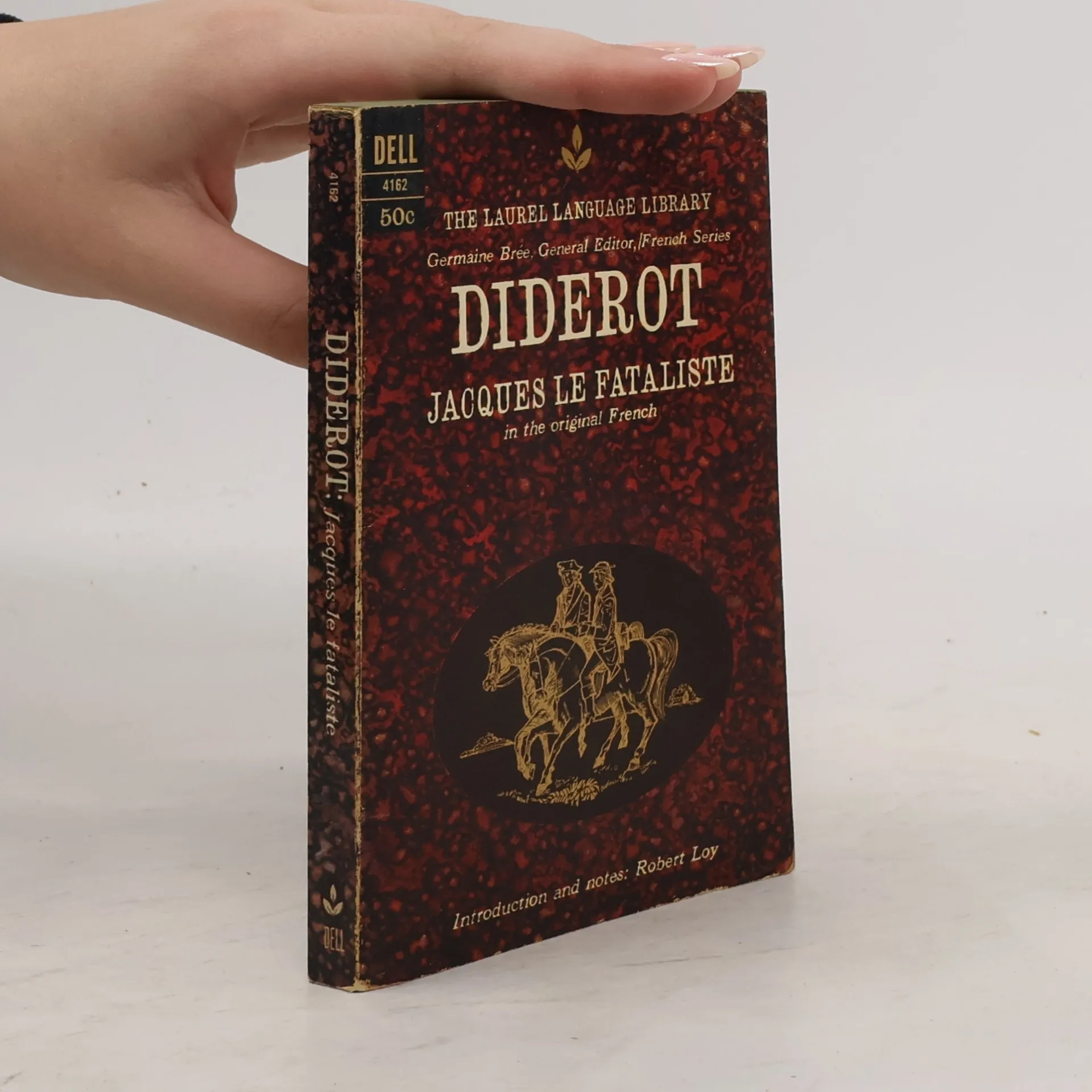
Everything that happens to us in the world, both good and bad, is written in the heavens. This is claimed by the titular character of the philosophical tale by the French writer and philosopher Denis Diderot. Not without reason, he has earned the nickname fatalist. However, despite his unwavering belief in the inevitability of fate, he stands against evil and believes that good must prevail. During countless wanderings, the characters discuss many fundamental issues, including the problem of individual freedom, friendship, and social relations. A significant portion of their humorous dialogues is dedicated to male-female relationships—mainly through the character of Kubuś, readers learn a number of love stories. The colorful conversations between Kubuś and his master entertained a few holders of Diderot's manuscript for two decades, and they were published only after the author's death in 1796. Even today, despite the fact that the world has undergone a true revolution, they still provoke reflection.
Michel Parfenov Libri
Ambientato in un'Italia ottocentesca in parte fantastica, in parte reale, le avventure di Fabrizio del Dongo si snodano in una serie di incontri e peripezie al termine dei quali si trova il luogo del silenzio, lo spazio simbolico dell'isolamento e della rinuncia: la Certosa di Parma.