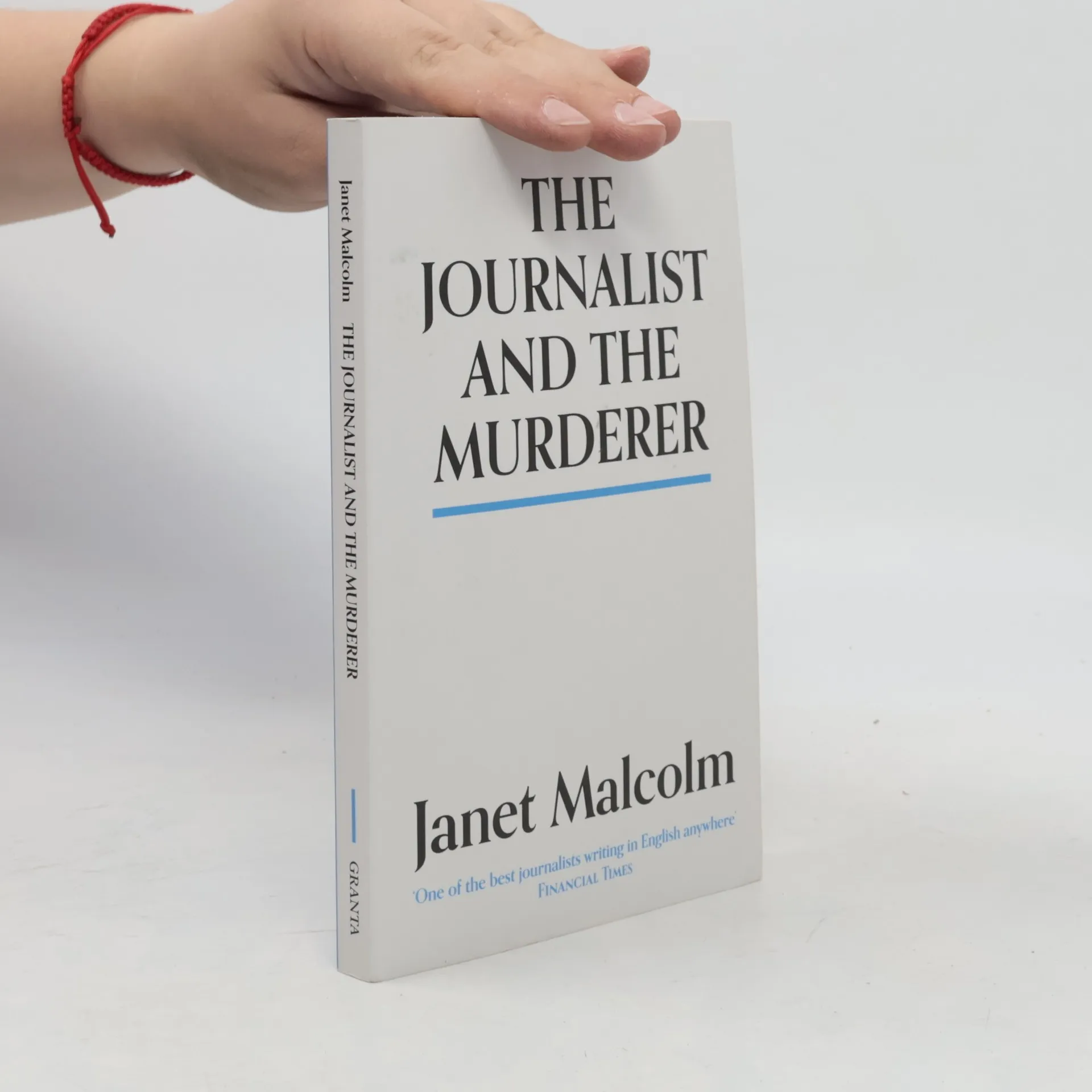
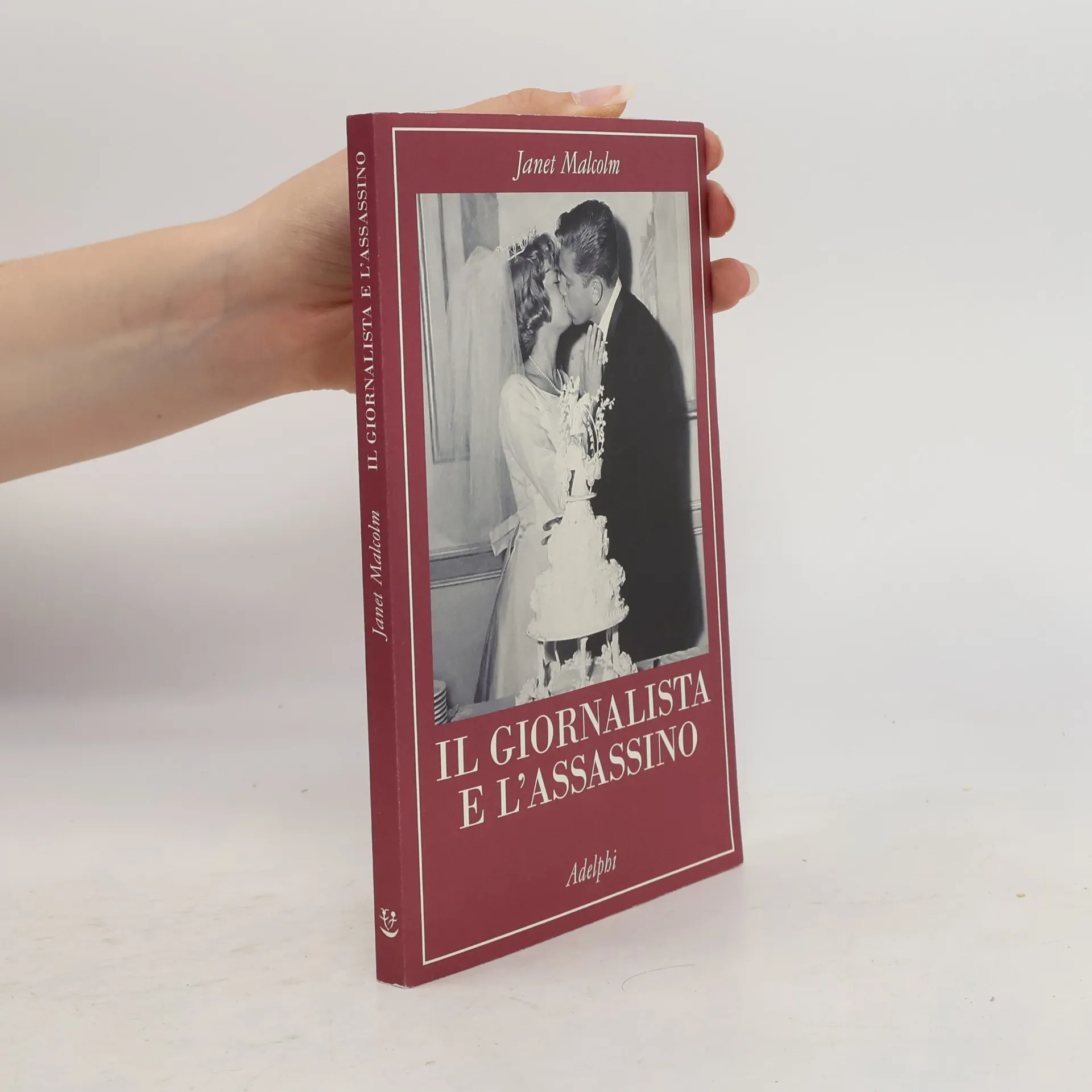
Il giornalista e l'assassino (La collana dei casi)
- 170pagine
- 6 ore di lettura


Janet Malcolm è stata una giornalista, biografa e redattrice per The New Yorker. Il suo lavoro approfondisce le complessità della psicologia e delle relazioni umane, concentrandosi spesso su temi come la memoria, l'identità e le narrazioni che costruiamo su noi stessi e sugli altri. Con una prosa precisa e un'acuta osservazione, svela motivazioni nascoste e le ambiguità intrinseche al comportamento umano.


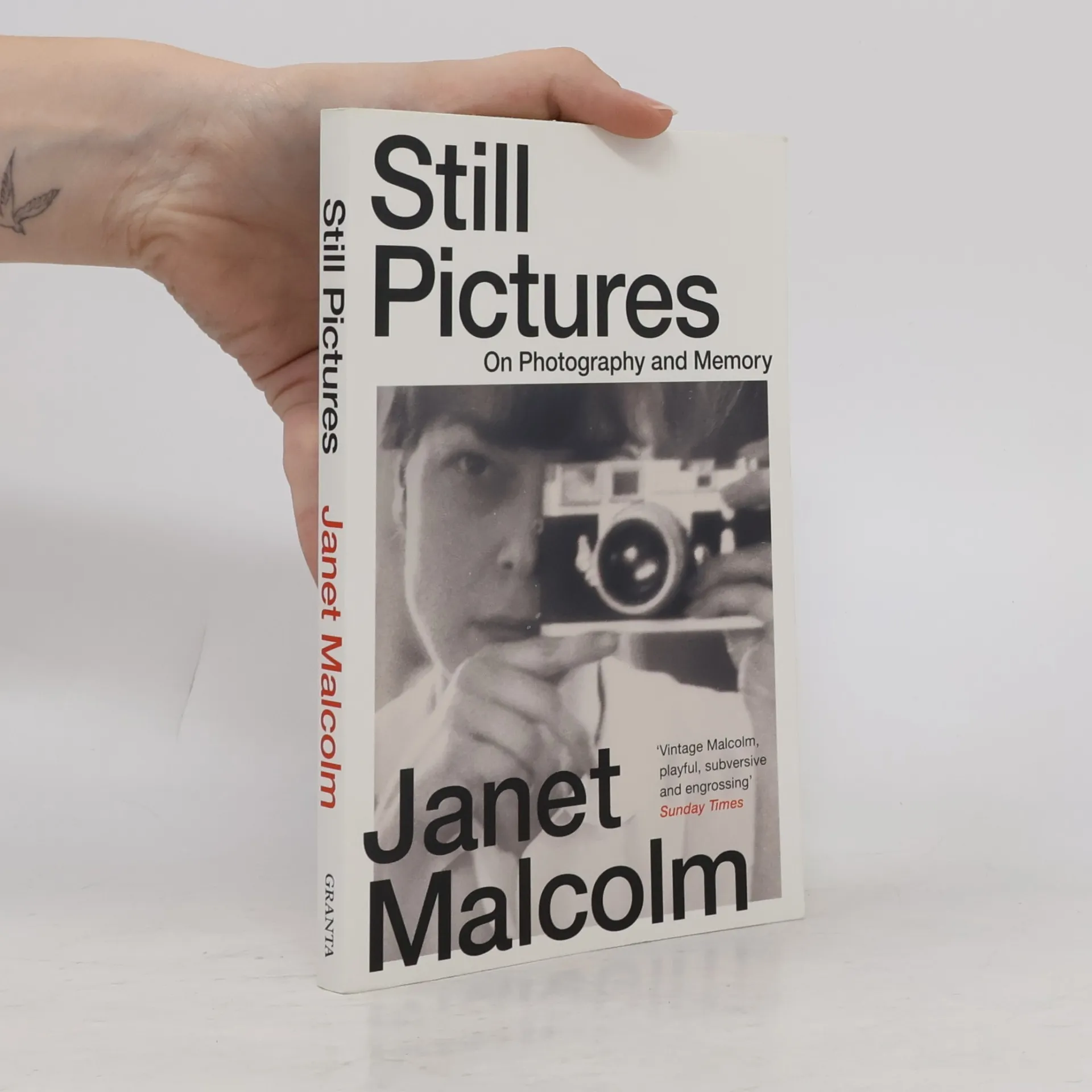
For decades, Janet Malcolm's books and dispatches for the New Yorker have poked and prodded at biographical convention, gesturing towards the artifice that underpins both public and private selves. Here, Malcolm turns her gimlet eye on her own life, examining twelve family photographs to construct a memoir from camera-caught moments, each of which pose questions of their own.She begins with the picture of a morose young girl on a train, leaving Prague at the age of five in 1939. From there we follow her to the Czech enclave of Yorkville in Manhattan, where her father, a psychiatrist and neurologist, and her mother, an attorney from a bourgeois family, traded their bohemian, Dada-inflected lives for the ambitions of middle-class America. From her early, fitful loves to evenings at the old Metropolitan Opera House to her fascination with what it might mean to be a "bad girl," Malcolm assembles a composite portrait of a New York childhood, one that never escaped the tug of Europe and the mysteries of fate and family. Later, Malcolm delves into her marriage to Gardner Botsford, the world of William Shawn's New Yorker , and the libel trial that led her to become a character in her own drama.Displaying the sharp wit and astute commentary that are Malcolmian trademarks, this brief volume develops into a memoir like no other.
A provocative collection of interviews with the sublimely talented author of The Journalist and the MurdererThe legendary journalist, Janet Malcolm, opened her most famous work The Journalist and the Murderer with the “Every journalist who is not too stupid or too full of himself to notice what is going on knows that what he does is morally indefensible.”Ever since its publication in 1980, she only increased her reputation as a devastatingly sharp writer, whose eye for observation is matched only by her formal inventiveness and philosophical interrogations of the relationship between journalist and subject.Predictably, as an interview subject herself, she was an intimidating mark. In this collection, interviewers tangle with their own projections and identifications, while she often, gamely, plays along. Full of insights about her writing process, the craft of journalism, and her own analysis of her most famous works, this collection proves that Janet Malcolm is just as elusive and enlightening in conversation as she was on paper.
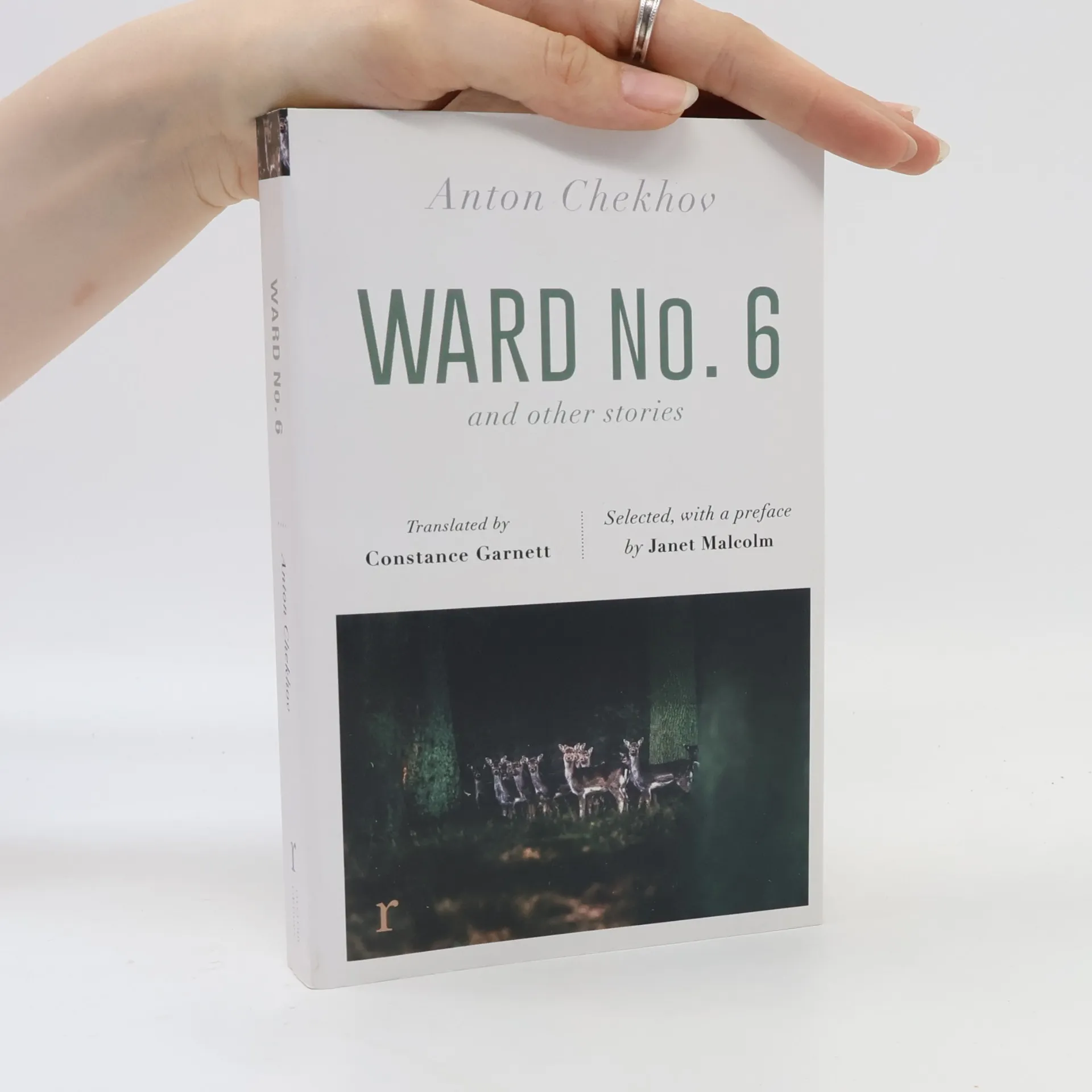
The second unique collection of Constance Garnett's translations of Chekhov's short fiction, selected for riverrun editions by Janet Malcolm
A fascinating exploration of psychoanlysis, its patients, practitioners and critics, from one of America's most respected and most controversial journalists.
Malcolm brings together for the first time essays published over the course of several decades (many from The New Yorker and The New York Review of Books) that reflect Malcolm's preoccupation with artists and their work.
Zwei Leben ist ein höchst anregender und aufschlußreicher, ebenso unterhaltender wie eleganter biographischer Essay über Gertrude Stein und Alice B. Toklas. Unbefangen und respektvoll nähert sich Janet Malcolm ihrem Gegenstand. Während sie den bisher Stein-Fremden Lust auf Werk und Leben der legendenumwobenen Autorin und ihrer Gefährtin macht, hat ihr Buch auch den Kennern Neues mitzuteilen. So erfahren wir zum ersten Mal Genaueres über die Jahre des Zweiten Weltkriegs, die Stein und Toklas als Jüdinnen im nazibesetzten Frankreich verbrachten, nachdem sie sich bewußt gegen eine Rückkehr in die Vereinigten Staaten entschieden hatten. Stein sparte ihr Jüdischsein aus, sie verdrängte es, soweit sie nur konnte, und ließ sich von ihrem antisemitischen Freund Bernard Fay, der Zugang zu den höchsten Kreisen des Vichy-Regimes und zu Pétain selbst hatte, protegieren. Oder: Malcolm berichtet von ihren Gesprächen mit Leon Katz, dem einzigen, der Alice Toklas nach Steins Tod wirklich zum Sprechen brachte - auch über sorgsam Verschwiegenes wie eine unglückliche frühe Liebe Steins, die Eingang nicht nur in ihre Notizbücher, sondern auch in Werke wie The Making of Americans, Drei Leben und Q. E. D. (BS 1055) fand, was Alice Toklas noch viele Jahre später zu rasenden Eifersuchtsanfällen provozierte.
'How had the pair of elderly Jewish lesbians survived the Nazis?' The author asks at the beginning of this work of literary biography and investigative journalism. The pair, of course, is Gertrude Stein, the modernist master and Alice B Toklas, the 'worker bee' who ministered to Stein's needs throughout their forty-year expatriate 'marriage'.
'Reading Chekhov is a literary pilgrimage, homage, travelogue, biography, literary criticism and a restrained love letter all rolled into one ... It is the work of an iridescent and sympathetic imagination' The Times
A collection of essays and profiles which examine art and literature from a psychoanalytical point of view. It includes an observation of the work of an iconoclastic family therapist, follows a former Czech dissident through post-Velvet Revolution Prague, and looks at the New York art world.
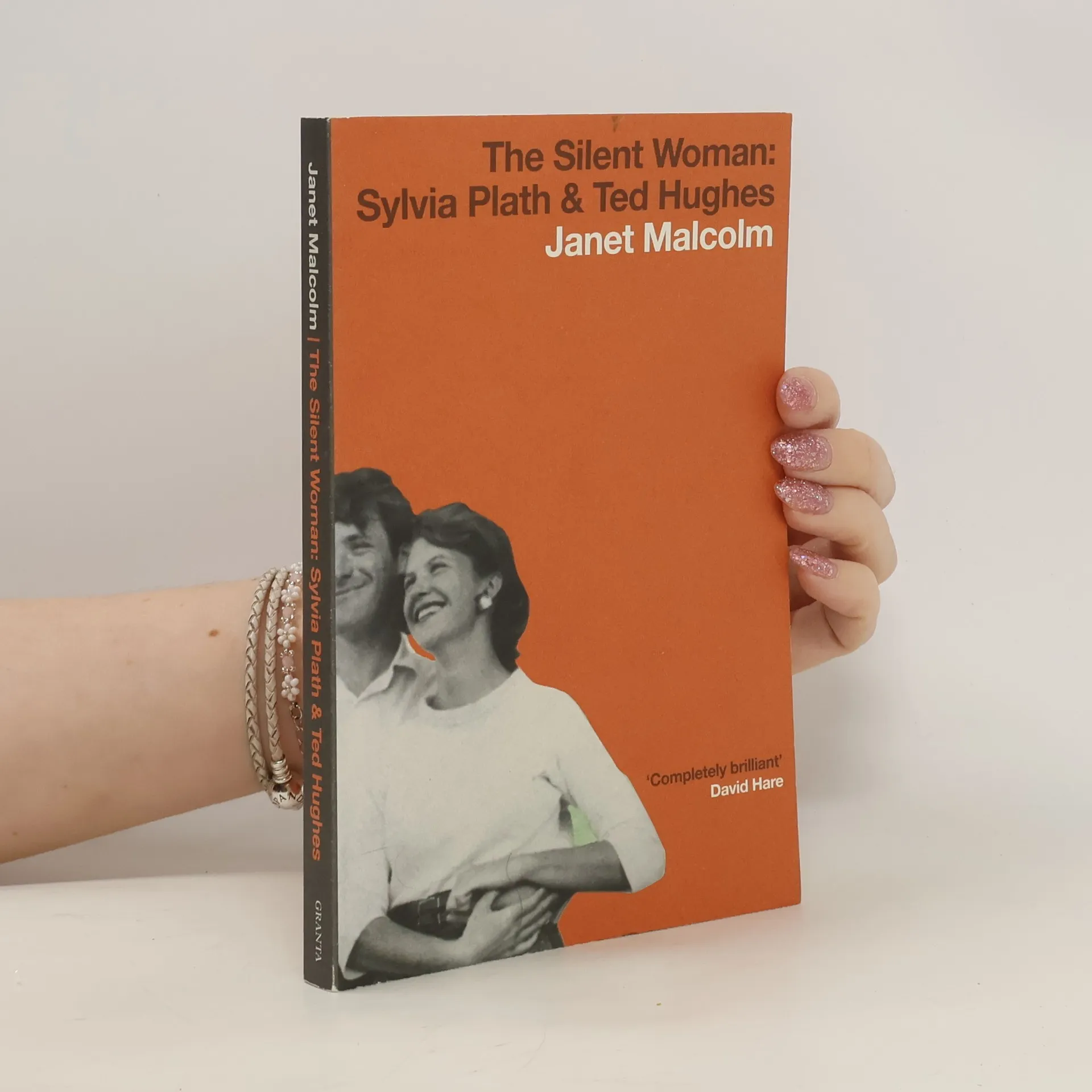
Re-issue of Malcolm's revelatory biography of the tumultous union of Sylvia Plath and Ted Hughes, and the critical battle that dogs their legacies.
In 1970 Jeffrey MacDonald was accused of murdering his pregnant wife, and the journalist Joe McGinniss decided to write a book about it. Malcolm's classic investigation sheds a fascinating light on the conflict and controversy that followed, and asks whether all journalists are, ultimately, immoral.
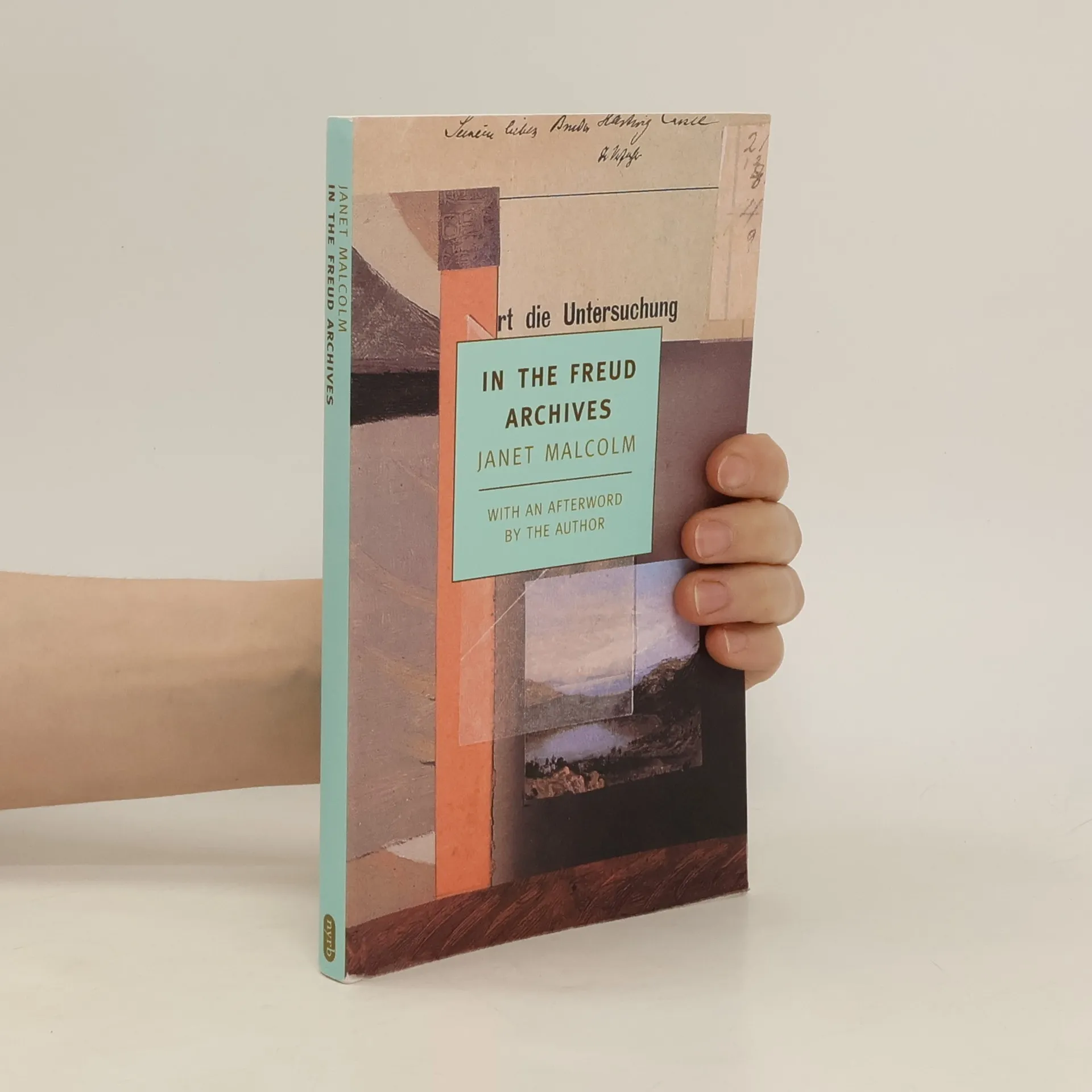
"In the Freud Archives tells the story of an unlikely encounter among three men: K.R. Eissler, the venerable doyen of psychoanalysis; Jeffrey Moussaieff Masson, a flamboyant, restless forty-two-year-old Sanskrit scholar turned psychoanalyst turned virulent anti-Freudian; and Peter Swales, a mischievous thirty-five-year-old former assistant to the Rolling Stones and self-taught Freud scholar. At the center of their Oedipal drama are the Sigmund Freud Archives - founded, headed, and jealously guarded by Eissler - whose sealed treasure gleams and beckons to the community of Freud scholarship as if it were the Rhine gold."--Jacket
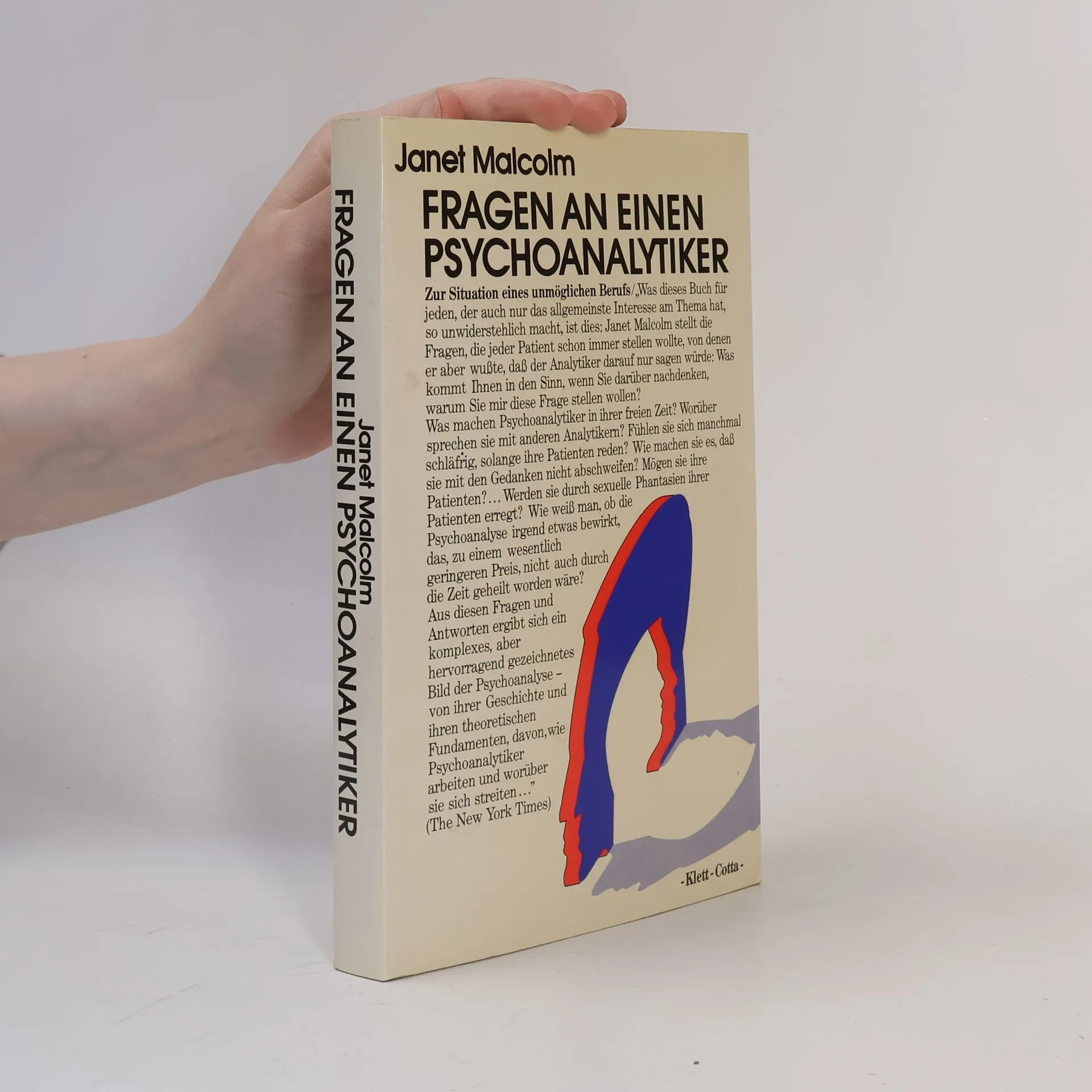
Die Autorin bietet einen intensiven Blick auf die Praxis der Psychoanalyse durch Interviews mit „Aaron Green“, einem freudianischen Analysten in New York City. Malcolm beschreibt die Geschichte der Psychoanalyse und ihre Entwicklung in den Vereinigten Staaten auf zugängliche und klare Weise. Das Buch gewährt seltene Einblicke in die widersprüchliche Welt der psychoanalytischen Ausbildung und Behandlung und bildet eine Grundlage für unser Verständnis von Psychiatrie und psychischer Gesundheit.