

In "Romeo e Giulietta" (1595-1596) la morte è presente in vario modo fin dall'inizio. Ma è con il duello tra Mercuzio e Tebaldo che essa entra realmente in scena e avvia quella sua presa di possesso della città cui la tragedia conduce. Non solo, ma che la prima vittima sia Mercuzio, simbolo di giovinezza e di libertà, della gioia di vivere e della stessa gioia di far teatro, è anche indicativo di chi sia l'oggetto di questo assalto della morte: non i vecchi, ma i giovani, non il declinare della vita, ma il suo sbocciare, non la stanchezza, l'aridità del cuore, ma la sua freschezza, il suo desiderio d'amore. Tebaldo uccide Mercuzio; Romeo uccide Tebaldo, finché, come sappiamo, la morte aggredisce anche Romeo e Giulietta, e la "bella Verona" celebrata all'inizio si trasforma in una tomba. Nulla di vivo resta se non i vecchi, la cui faida e il cui egoismo, non il caso, hanno ucciso i giovani. Romeo e Giulietta potranno finalmente stare insieme ma solo nella cripta, con il loro amore raggelato per l'eternità nelle statue d'oro che i carnefici eleveranno a ricordo.
Craig Pearce Libri
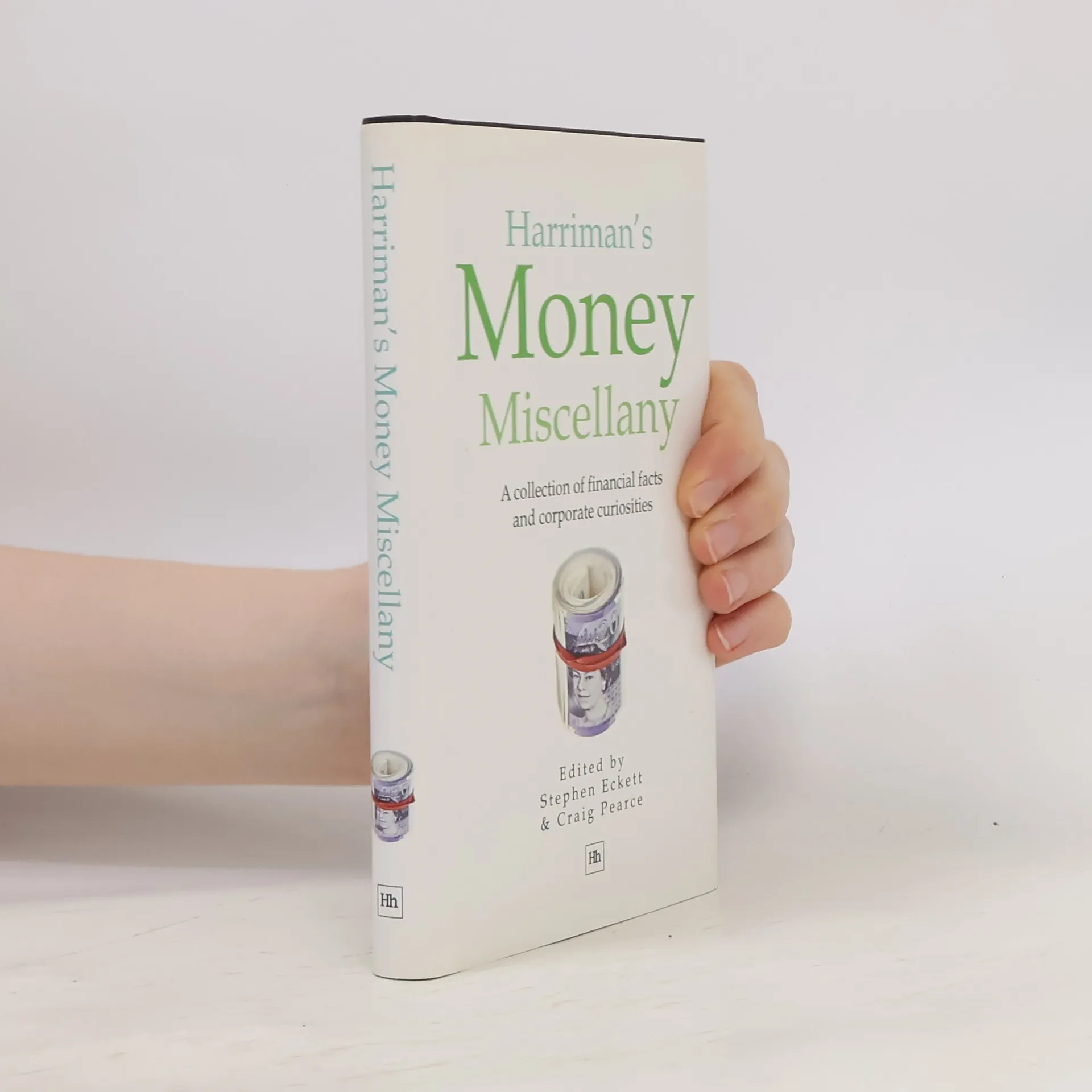
Harriman's Money Miscellany
A Collection of Financial Facts and Corporate Curiosities
- 172pagine
- 7 ore di lettura
This collection offers a wealth of intriguing facts, figures, and oddities about money, covering a diverse range of topics from the smallest banknote's size to the largest stock market crashes in history. If you've ever been curious about which currency is most valuable for smugglers, the concept of an 'Entreprenerd,' or the top ten songs about money, this pocket-sized masterpiece has the answers. Packed with hundreds of fascinating insights, it caters to those dazzled by data, intrigued by financial markets, or passionate about cash. Notable queries include the production cost of a one-dollar bill, the price of a top hat, and the country with a currency called kip. It explores the differences between the IMF and the World Bank, Nokia's history before phones, and how to identify a euro coin minted in Pessac, France. It also delves into why bad companies can be good for investors, the first use of the term millionaire, the plural of euro, and the currency used in Star Wars. Additional topics include the number of coins in circulation in the UK, methods of money laundering, the concept of a 'Dead cat bounce,' the debut of the first ATM, the prohibition of Monopoly in Cuba, and how two cows can illustrate political economic theory, among many more!