Vasant Lad è un'autorità di spicco in Ayurveda, che ha portato negli Stati Uniti una vasta esperienza teorica e pratica dall'India. Il suo approccio alla medicina è informato da uno studio completo dell'Ayurveda tradizionale, unito alla conoscenza della medicina e chirurgia occidentale, consentendo una prospettiva olistica sulla salute. Attraverso i suoi numerosi libri e conferenze globali, Vasant Lad ha reso accessibili gli intricati principi dell'Ayurveda a un vasto pubblico. Il suo lavoro funge da ponte tra la saggezza antica e la vita moderna, aiutando i lettori a esplorare percorsi verso l'equilibrio e il benessere.
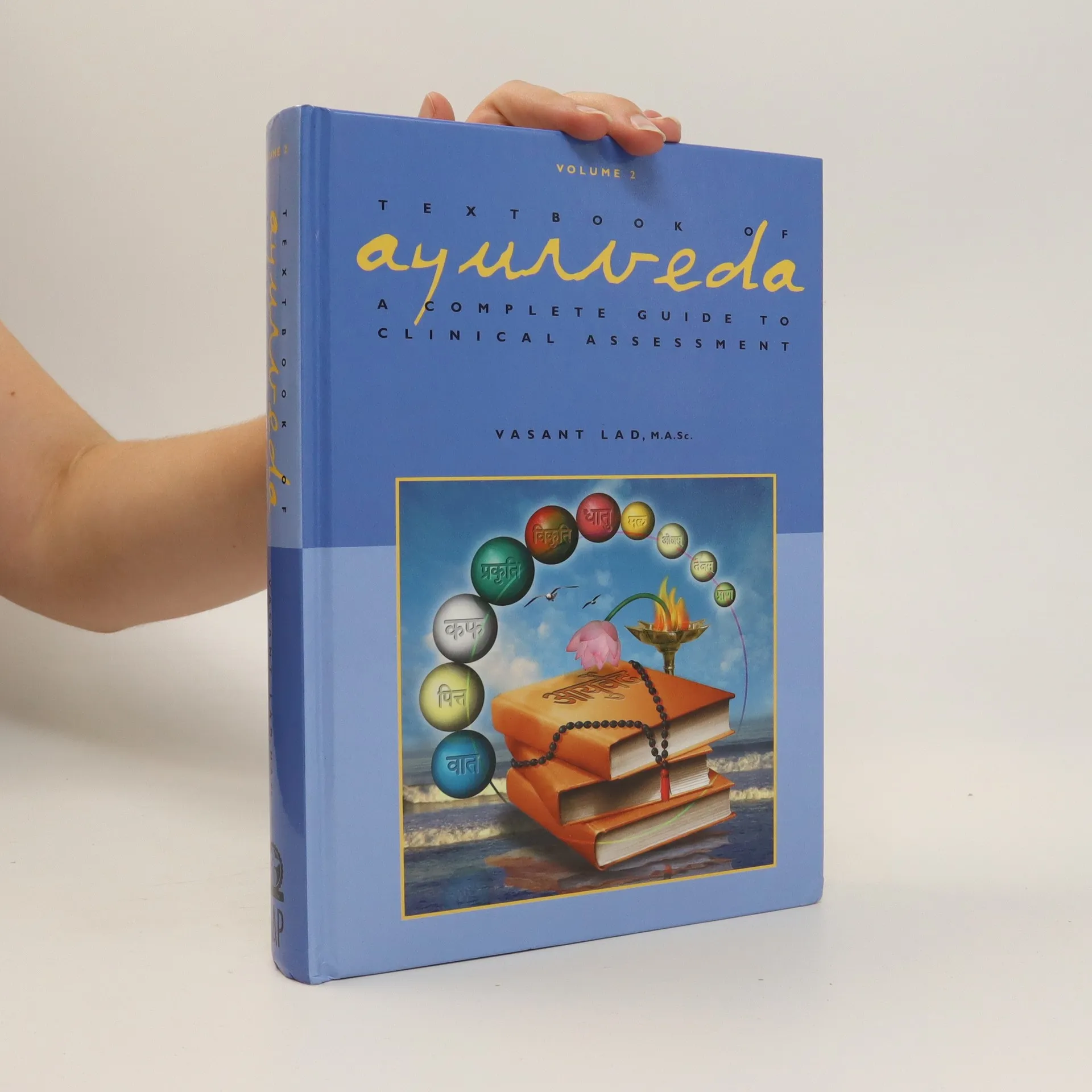
Dr Lad teaches a systematic method for identifying the causes of illness and the stages in which a disease unfolds. This paradigm of cause and effect (etiology and pathogenesis) is the key to understanding how disease can be prevented through awareness of the subtle energetic disturbances that precede structural or functional damage. Sharing from a wealth of clinical experience, Dr Lad presents principles and methods of assessment using a combination of the most helpful Ayurvedic and modern techniques.
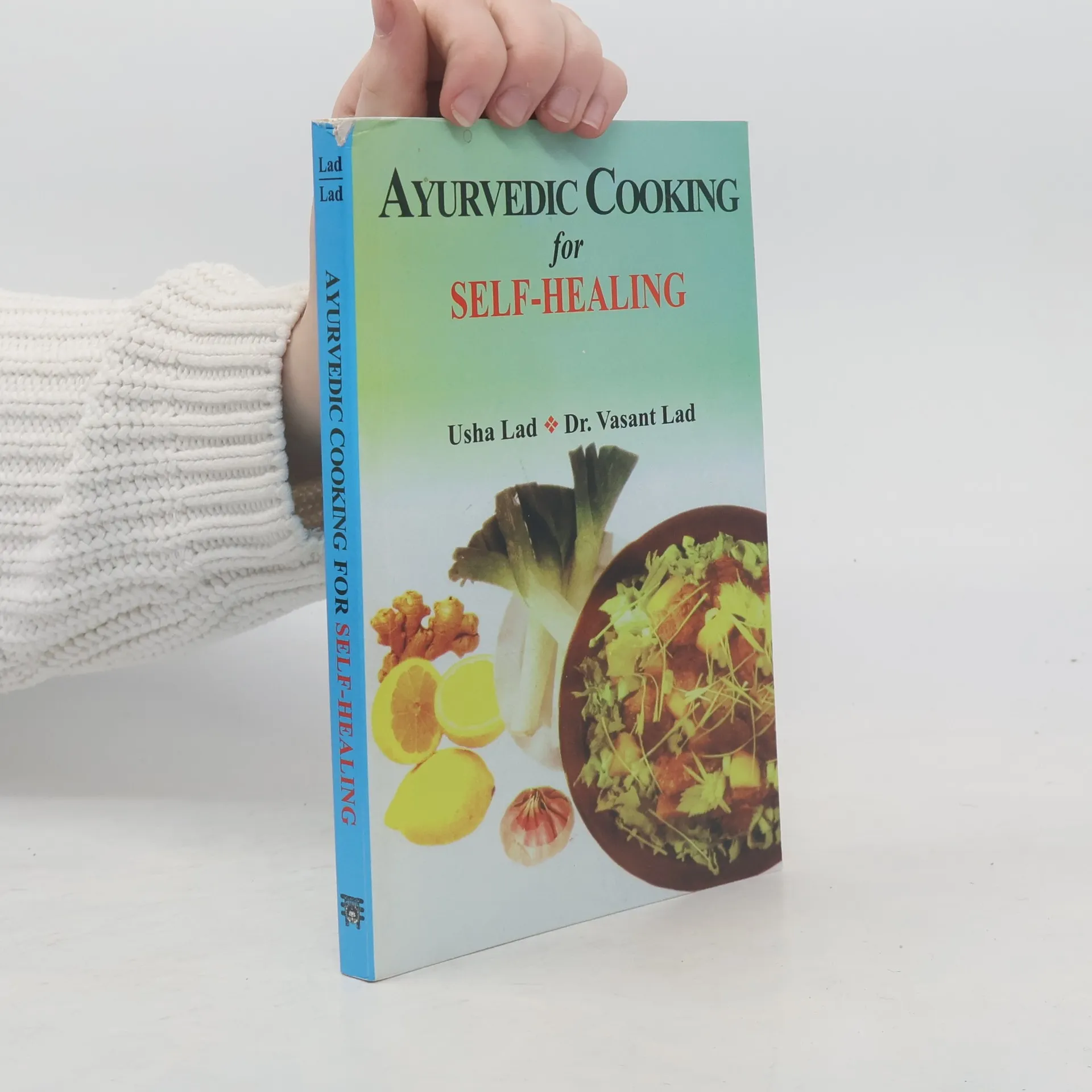
A guide to the Ayurvedic approach to food and tasty vegetarian cooking. It contains recipes which are formulated using herbs and spices to help balance the constitution of various individuals.
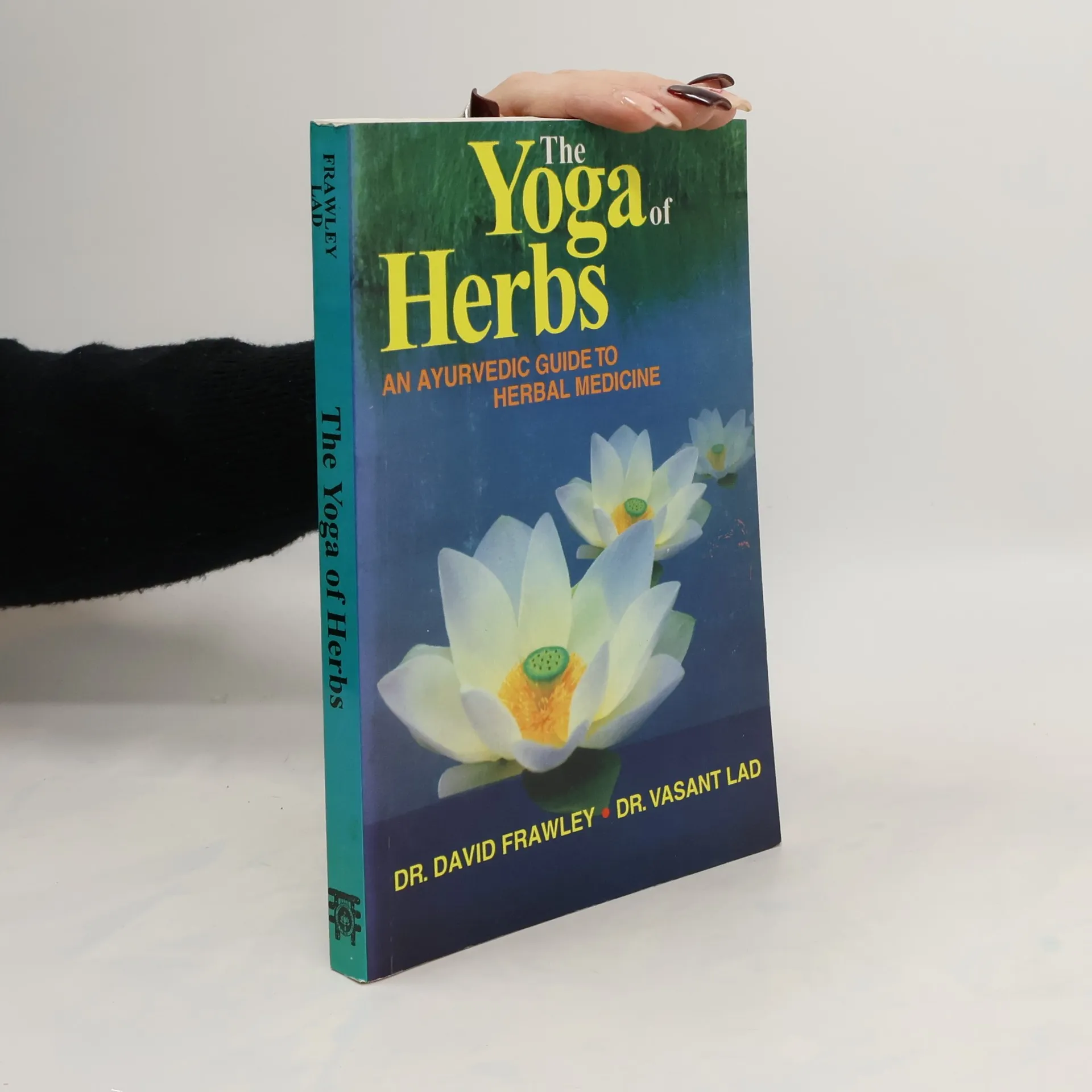
The term yoga has many traditional meanings. In Ayurveda, the medical science of India, yoga refers to the right usage and right combination of herbs. A special combination of substances designed to bring about a specific effect upon the body or mind is thus called yoga. This coordinated or integrated usage of herbs is based upon the ancient Ayurvedic science of herbal energetics. This is a system for determining the qualities and powers of herbs according to the laws of nature, so that herbs can be used objectively and specifically according to individual condition. A yogic usage of herbs implies such an harmonic application of the potencies of herbs. In this book, for the first time, this Ayurvedic herbal science is applied to western herbs, as well as to a few major oriental herbs, both Indian and Chinese. It is the purpose of this book not to present Ayurveda in the distance, as some-thing foreign or anci-ent, but to make it a practically applied syst-em of herbalism. This book is just a presentation of traditi-onal Ayurvedic know-ledge. It attempts to show living Ayurveda, its creative and practical application to changing conditions. It is meant as a bridge between east and west. In this regard, it has been a collaboration of an easterner with profound knowledge of the west and a westerner with profound knowledge of the east.