»Und der Wind weht durch unsere Seelen«
Marcel Proust und Reynaldo Hahn. Eine Geschichte von Liebe und Freundschaft | Rekonstruiert aus ihren Briefen | Paris im späten 19. Jahrhundert
- 256pagine
- 9 ore di lettura


Lorenza Foschini è una giornalista, scrittrice e conduttrice televisiva italiana. Il suo lavoro spesso approfondisce la scoperta di verità nascoste e l'esplorazione delle intricate relazioni tra fede, potere ed esperienza umana. Foschini porta nella sua scrittura l'acuta perspicacia di una giornalista e la profondità di una narratrice, offrendo ai lettori prospettive avvincenti e insightful.

Marcel Proust und Reynaldo Hahn. Eine Geschichte von Liebe und Freundschaft | Rekonstruiert aus ihren Briefen | Paris im späten 19. Jahrhundert
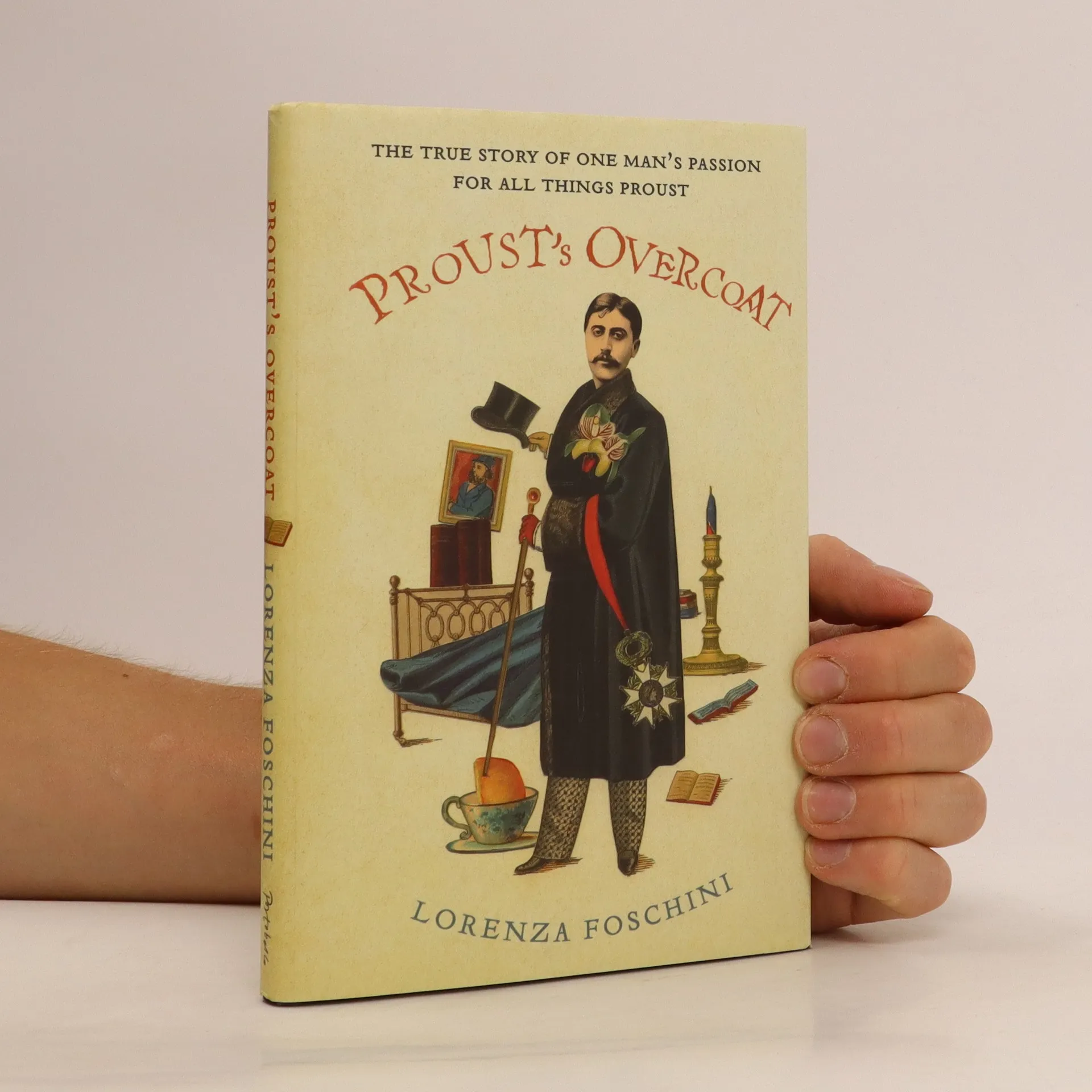
The story of the overcoat begins with a chance meeting - between an obsessive bibliophile, Jacques Guerin, the head of a French perfume house, and his physician, Dr Robert Proust, brother of the late writer. Glimpsing the possibility of adding to his collection, Guerin stumbles into a tense and tangled relationship with the novelist's family who, embarrassed by Proust's writings and his homosexuality, are in the process of destroying the mountain of notebooks, letters and manuscripts they had inherited. Little by little, over decades, Guerin acquires Marcel's remaining personal effects, including - eventually - the relic he had come to covet more than any other: the moth-eaten otter-lined overcoat Proust had worn every day and used as a blanket every night while writing in bed. Like the novelist's second skin, this coat was as close as Guerin could ever come to touching Proust himself: it was the jewel of his collection.