

Provides an overview of the research on emotion in politics and where it is likely to lead. This book also outlines the philosophical and neuroscientific foundations of emotion in politics. It focuses on how emotions function among individuals. It explores how politics work at the societal level and suggests various steps in political activity.
George E. Marcus Libri
Questo autore è profondamente interessato alla natura della collaborazione che sostiene la ricerca etnografica contemporanea. Il suo lavoro si concentra sulla rimodellazione e sul ripensamento sistematico delle forme tradizionali di antropologia sociale e culturale, in particolare il lavoro sul campo e la scrittura di etnografie. È incuriosito da come lo studio delle élite, precedentemente un obiettivo marginale, consenta l'esplorazione del cambiamento sociale contemporaneo in diversi campi. Ciò porta a una ricerca multi-situata che esamina sia le condizioni della vita ordinaria sia la conoscenza e la partecipazione attiva delle élite.
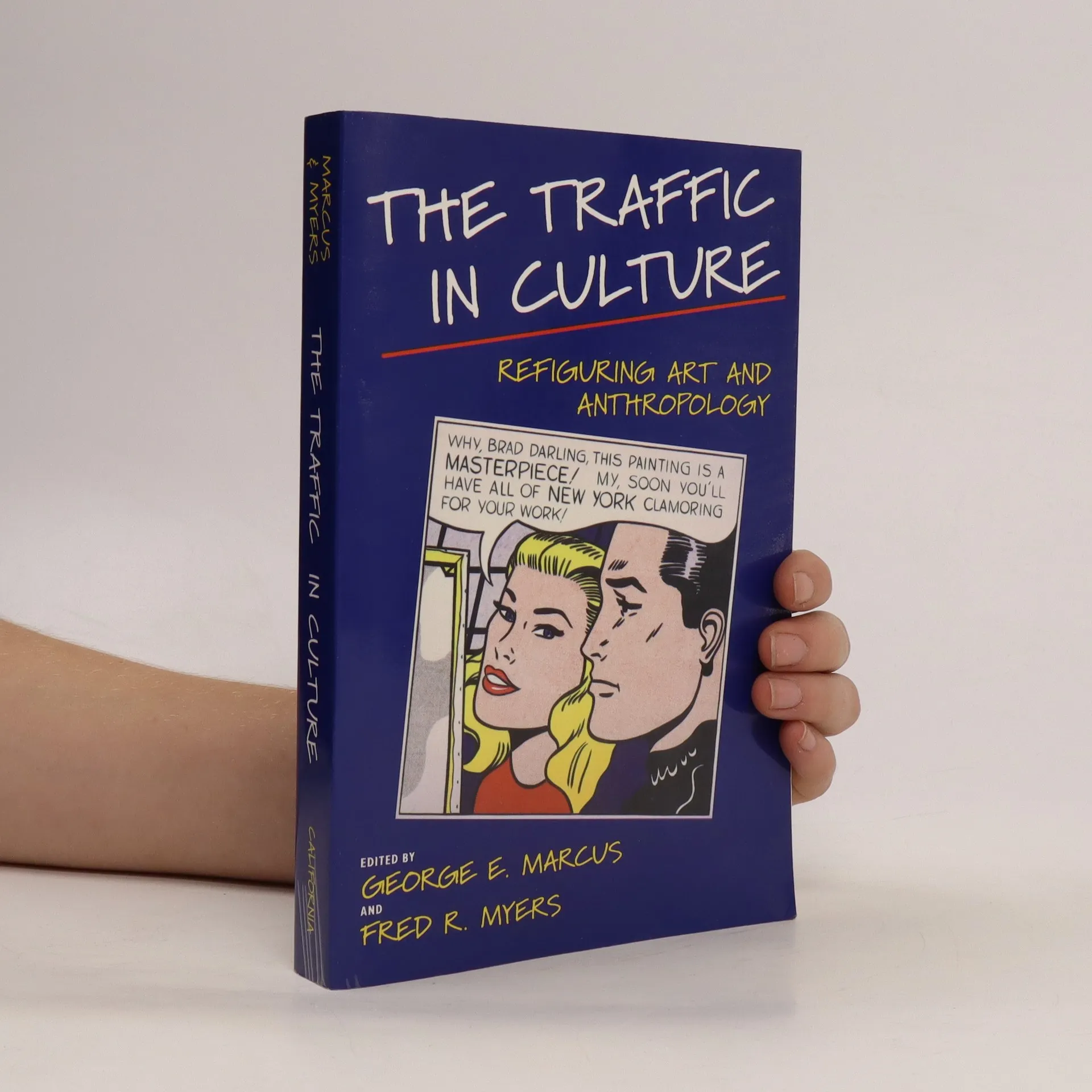

The Traffic in Culture : Refiguring Art and Anthropology
- 390pagine
- 14 ore di lettura
The essays in this collection signal a new relationship between anthropology and the study of art. The authors explore the boundaries and affinities between art, anthropology, representation, and culture, casting a critical, ethnographic light on the art worlds of the contemporary West and their "traffic" in non-Western objects. Starting from the premise that the traditional anthropology of art has been developed within categories and practices of Western art worlds, this volume develops a new framework for understanding how Western art—its avant-gardes, scholars, commentators, and collectors—have appropriated anthropological subjects like the "primitive" and the "exotic other." Contributions examine the circulation of indigenous art in the international market, the commodification of remote music cultures, and contentious struggles over art, censorship, and funding in the United States. This volume uncovers the practices and processes that drive the Western art world itself, contrasting with previous approaches focused on representing non-Western objects to Western audiences.
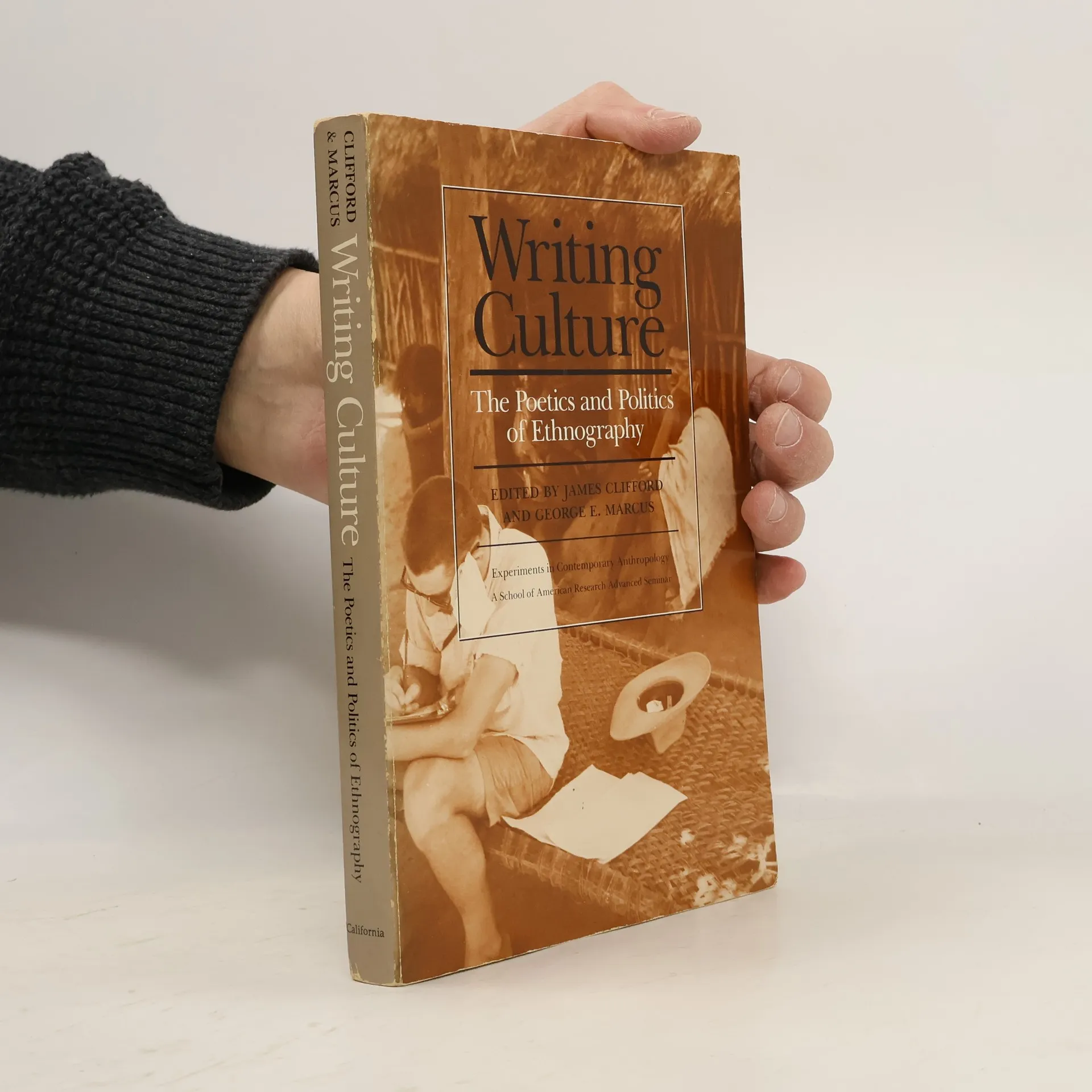
In these new essays, a group of experienced ethnographers, a literary critic, and a historian of anthropology, all known for advanced analytic work on ethnographic writing, place ethnography at the center of a new intersection of social history, interpretive anthropology, travel writing, discourse theory, and textual criticism.The authors analyze classic examples of cultural description, from Goethe and Catlin to Malinowski, Evans-Pritchard, and Le Roy Ladurie, showing the persistence of allegorial patterns and rhetorical tropes. They assess recent experimental trends and explore the functions of orality, ethnicity, and power in ethnographic composition. "Writing Culture" argues that ethnography is in the midst of a political and epistemological crisis: Western writers no longer portray non-Western peoples with unchallenged authority; the process of cultural representation is now inescapably contingent, historical, and contestable. The essays in this volume help us imagine a fully dialectical ethnography acting powerfully in the postmodern world system. They challenge all writers in the humanities and social sciences to rethink the poetics and politics of cultural invention.
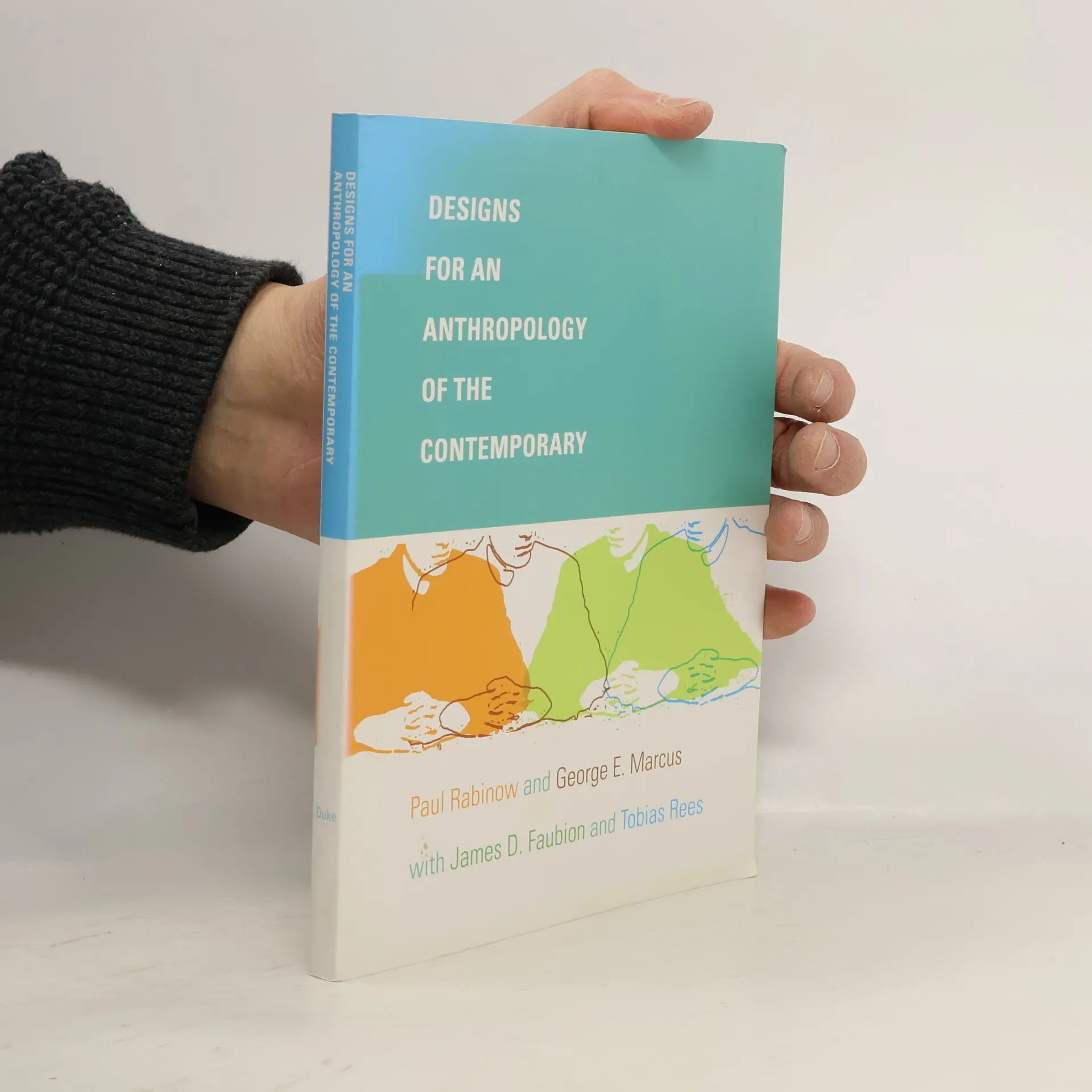
John Hope Franklin Center Book: Designs for an Anthropology of the Contemporary
- 152pagine
- 6 ore di lettura
In this compact volume, influential anthropologists Paul Rabinow and George E. Marcus engage in conversations about the evolution of anthropological knowledge, pedagogy, and practice, with contributions from James D. Faubion and moderation by Tobias Rees. The discussions center on contemporary challenges in anthropology, particularly regarding the understanding of subjects and the design of ethnographic research projects. Rabinow and Marcus explore what remains distinctly anthropological in studying modern events and propose innovative directions for the field. They emphasize the need to redesign pedagogical practices for training researchers and advocate for collaborative initiatives to analyze and transform ethnographic research designs. Reflecting on their earlier work in the landmark collection Writing Culture, they assess its impact on the field and its conceptual limitations. They discuss the intellectual landscape at the time of its publication and how anthropology has evolved, touching on topics like ethnography's self-reflexive turn, identity, the Public Culture project, and the shifting interests of students. This volume offers readers insight into vibrant discussions among key figures who have significantly influenced anthropology's recent past and are committed to its future.
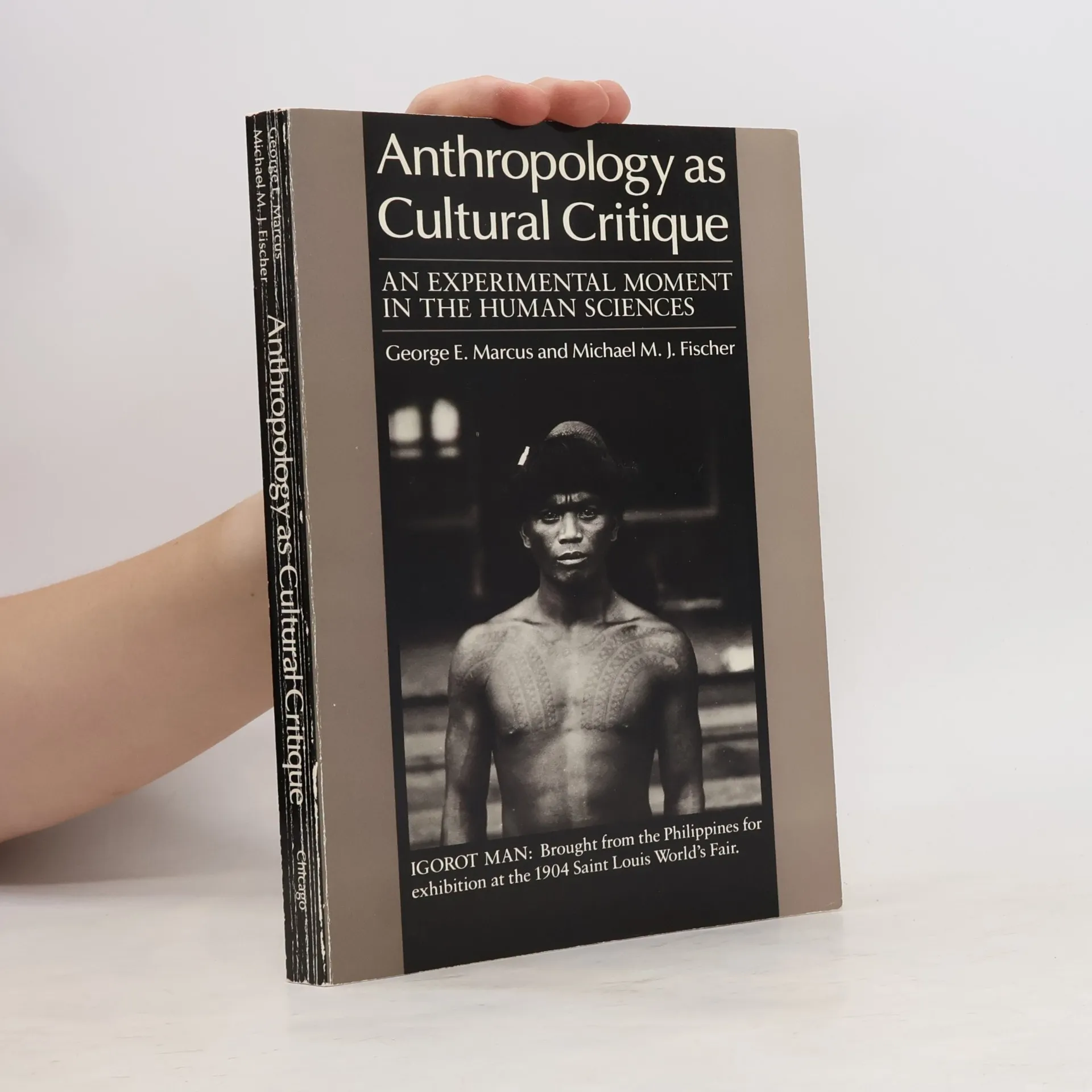
Anthropology as Cultural Critique
An Experimental Moment in the Human Sciences
- 224pagine
- 8 ore di lettura
Using cultural anthropology to analyze debates that reverberate throughout the human sciences, George E. Marcus and Michael M. J. Fischer look closely at cultural anthropology's past accomplishments, its current predicaments, its future direction, and the insights it has to offer other fields of study. The result is a provocative work that is important for scholars interested in a critical approach to social science, art, literature, and history, as well as anthropology. This second edition considers new challenges to the field which have arisen since the book's original publication.