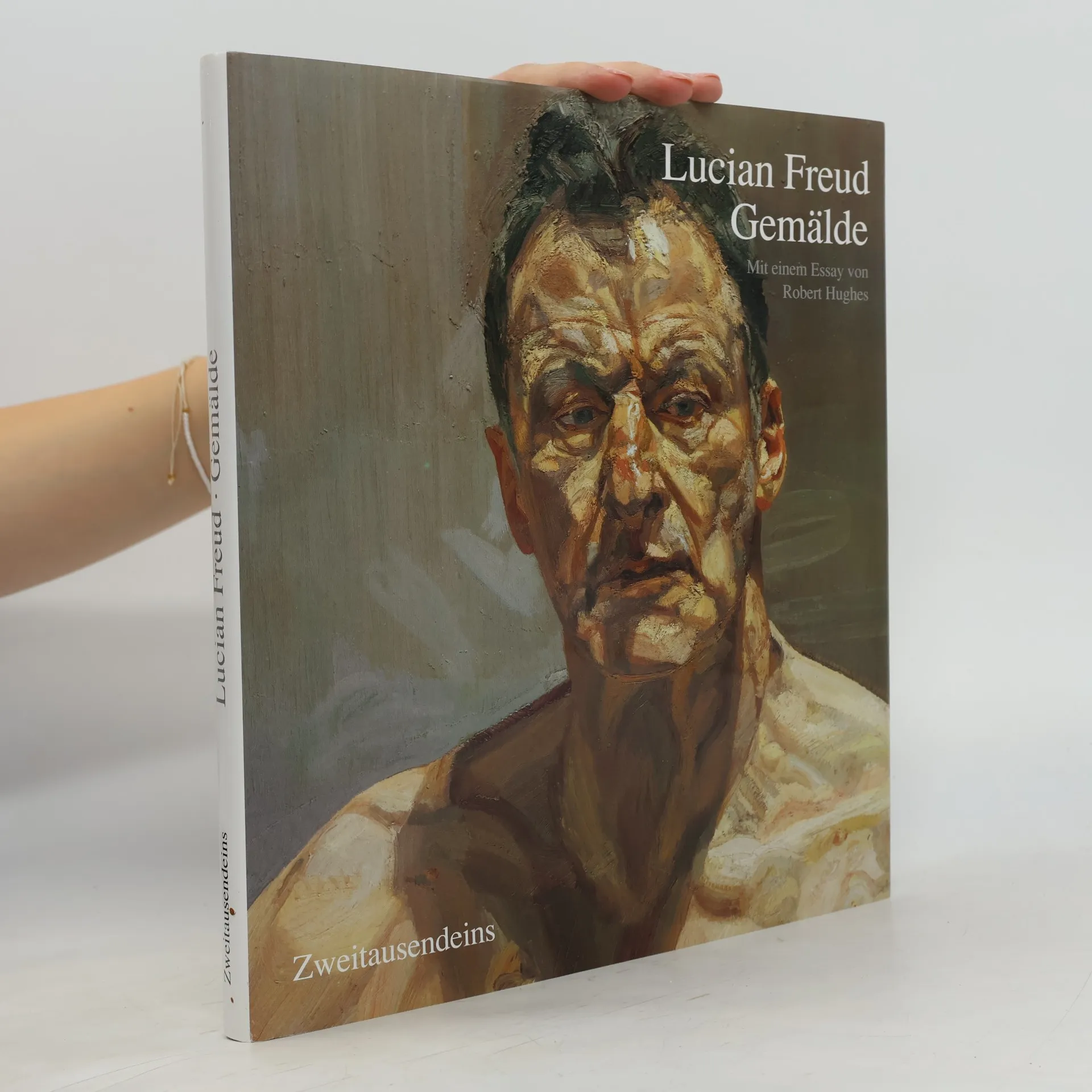
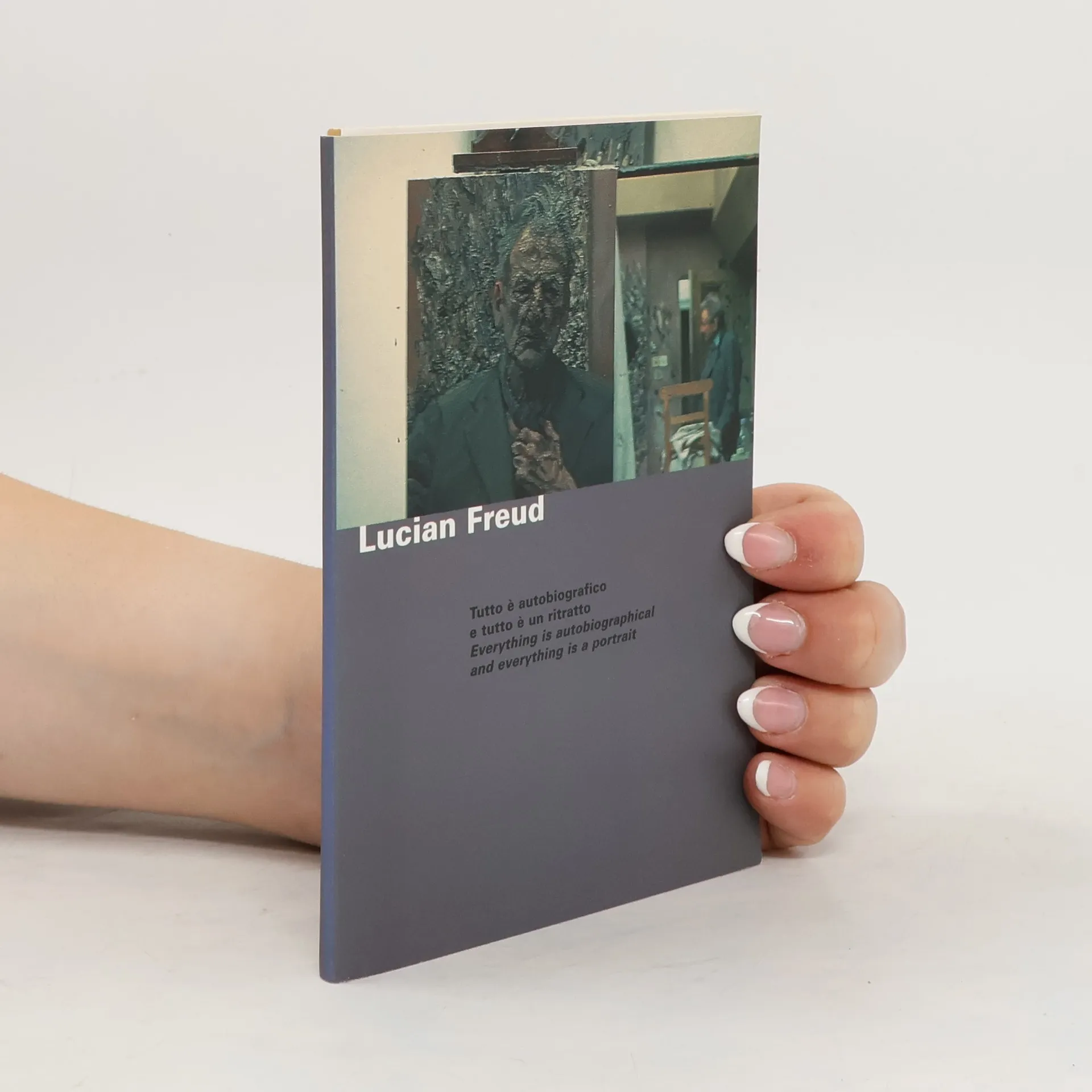
Catalogo della mostra tenutasi presso il Castello Sforzesco di Milano, 11 dicembre 1991 - 19 gennaio 1992. Testi di Bruno Mantura, Angus Cook, Lucian Freud. 78 tavole a colori e in bianco e nero. Numerose illustrazioni in bianco e nero (dipinti - disegni - incisioni). Catalogo delle opere esposte, Biografia, Bibliografia . 8vo pp. 124 Brossura (wrappers) Molto buono (Very Good)
Lucian Freud Libri
8 dicembre 1922 – 20 luglio 2011

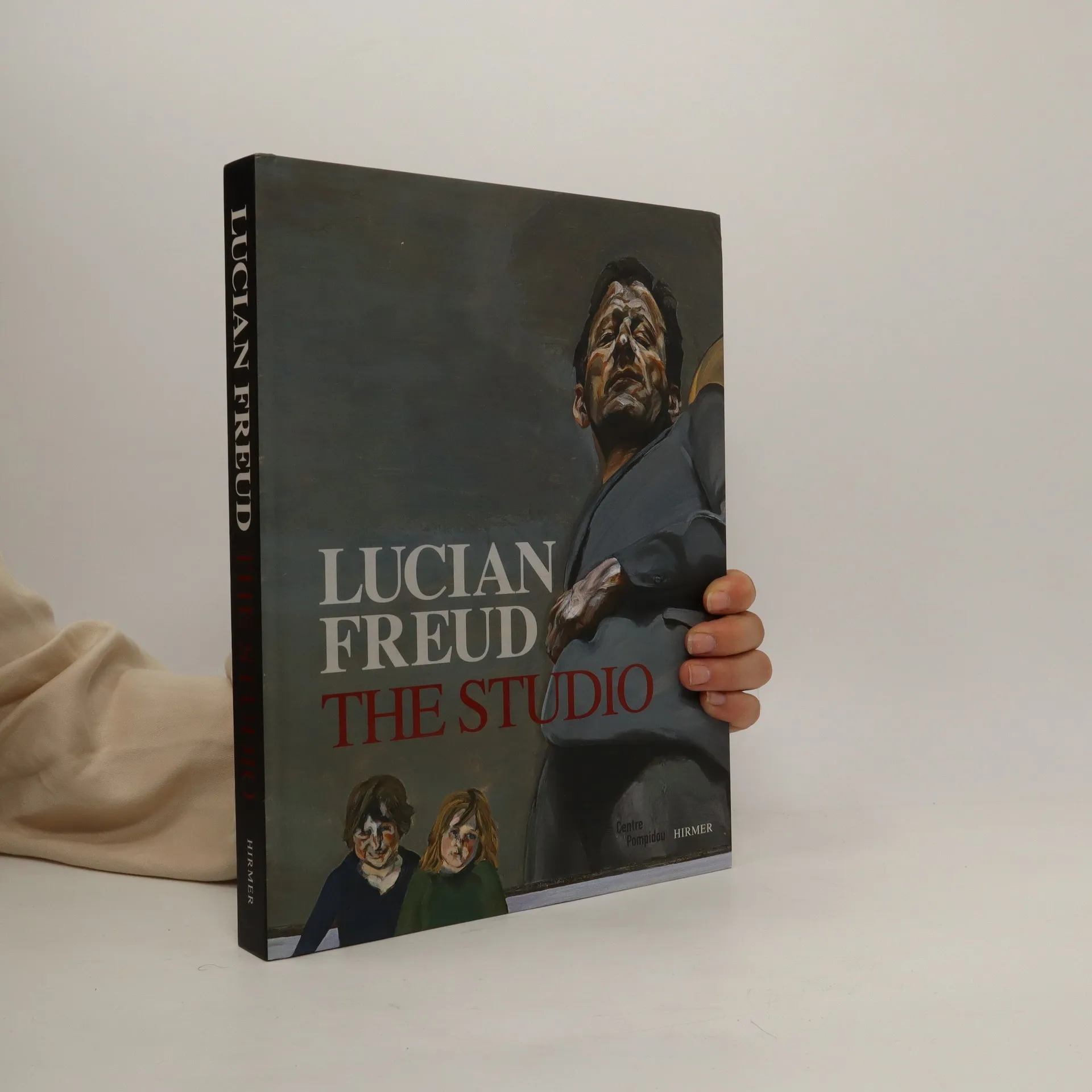
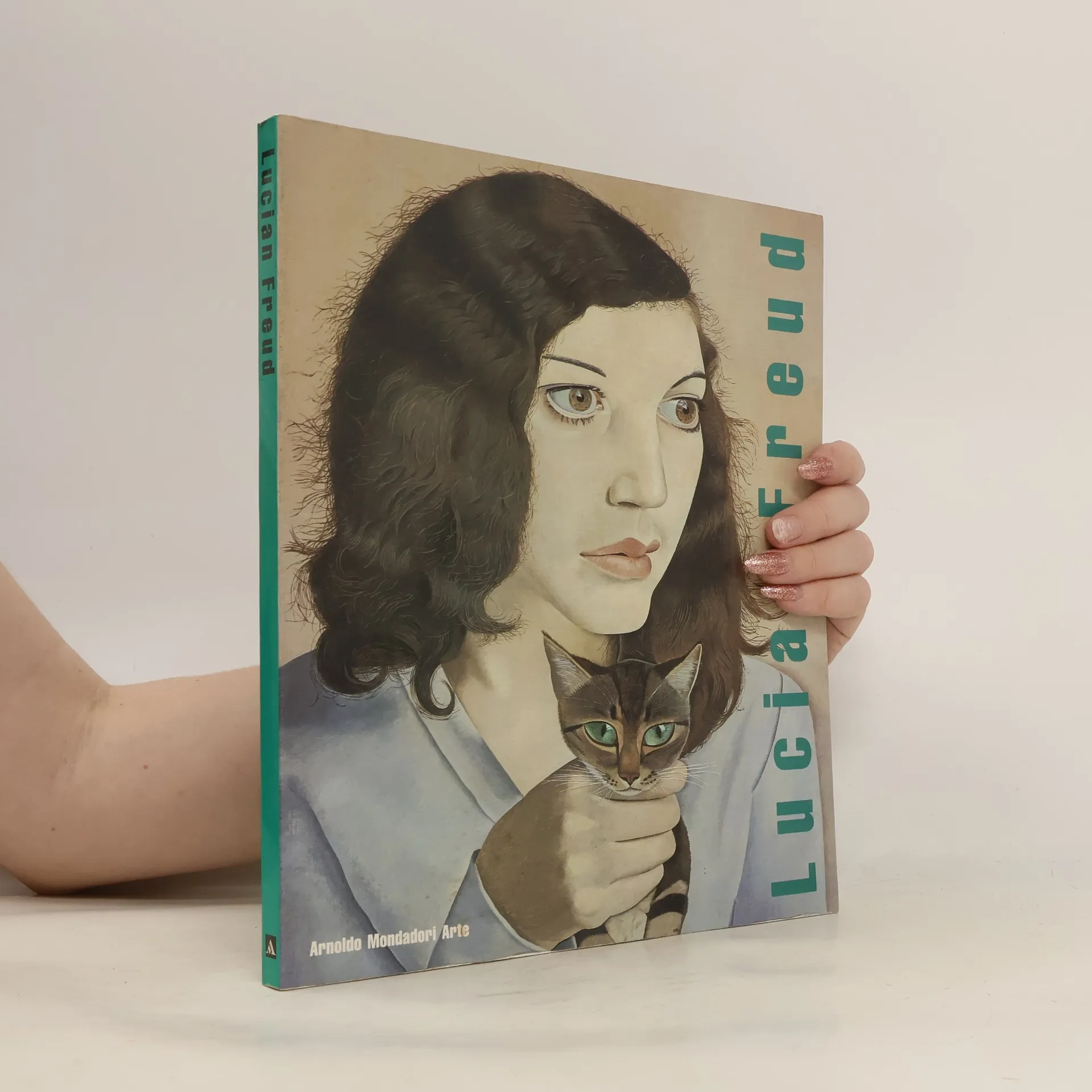
Lucian Freud - The Studio
- 256pagine
- 9 ore di lettura
Lucian Freud Herbarium
- 176pagine
- 7 ore di lettura
Lucian Freuds prächtige Gemälde und Zeichnungen der Pflanzenwelt Sein unerschrockener Blick und die eindrucksvollen Details seiner Werke brachten Lucian Freud zuweilen den Ruf ein, der „besessenste Maler des Fleisches“ zu sein. Wer hätte gedacht, dass Freud neben seinen brillanten Portraits auch hingebungsvoll Pflanzen gemalt hat? Obwohl Freud die gleiche Qualität in seinen Gemälden und seinen Zeichnungen der Pflanzen, Blumen und Landschaften zeigt, so sind diese dennoch kaum bekannt. Über 75 von Freuds Arbeiten, die unter anderem Alpenveilchen, Bananen, das Interiorat Paddington und den Garten des Malers zeigen, veranschaulichen seinen einmaligen Zugang zur Welt der Pflanzen und ermöglichen es, in die faszinierenden Details einzutauchen. Betrachter, die sich mit diesen Aspekten von Freuds Werken noch nicht beschäftigt haben, werden viele Parallelen zu seinen Portraits entdecken – erdige Farbtöne, unkonventionelle Rohheit und hingebungsvolle Aufmerksamkeit gegenüber Details. Freuds Vermögen, Pflanzen auf neue und persönliche Weise einzufangen, zeigt sich sowohl im filigranen Realismus der Alpenveilchenblüten als auch in den kühnen Pinselstrichen, die den wuchernden Garten verewigen. Vergleichende Illustrationen aus der Kunstgeschichte und Texte über die Geschichte der Pflanzen in der Kunst begleiten diese einzigartige Würdigung von Freuds Werk und liefern einen wichtigen Beitrag zur Hinterlassenschaft des Malers.
Freud
- 96pagine
- 4 ore di lettura
Lucian Freud (1922-2011) cercava di rivelare la verità attraverso i suoi ritratti, analizzando i modelli con la precisione di uno scienziato. Le sue opere, che rivelano emozioni e vulnerabilità, esplorano il complesso rapporto tra artista e soggetto. Questo libro presenta alcuni dei suoi ritratti più iconici.
Covering Freud's admiration for Constable, this book also examines his interest in other European artists, his approach to art, life and love.
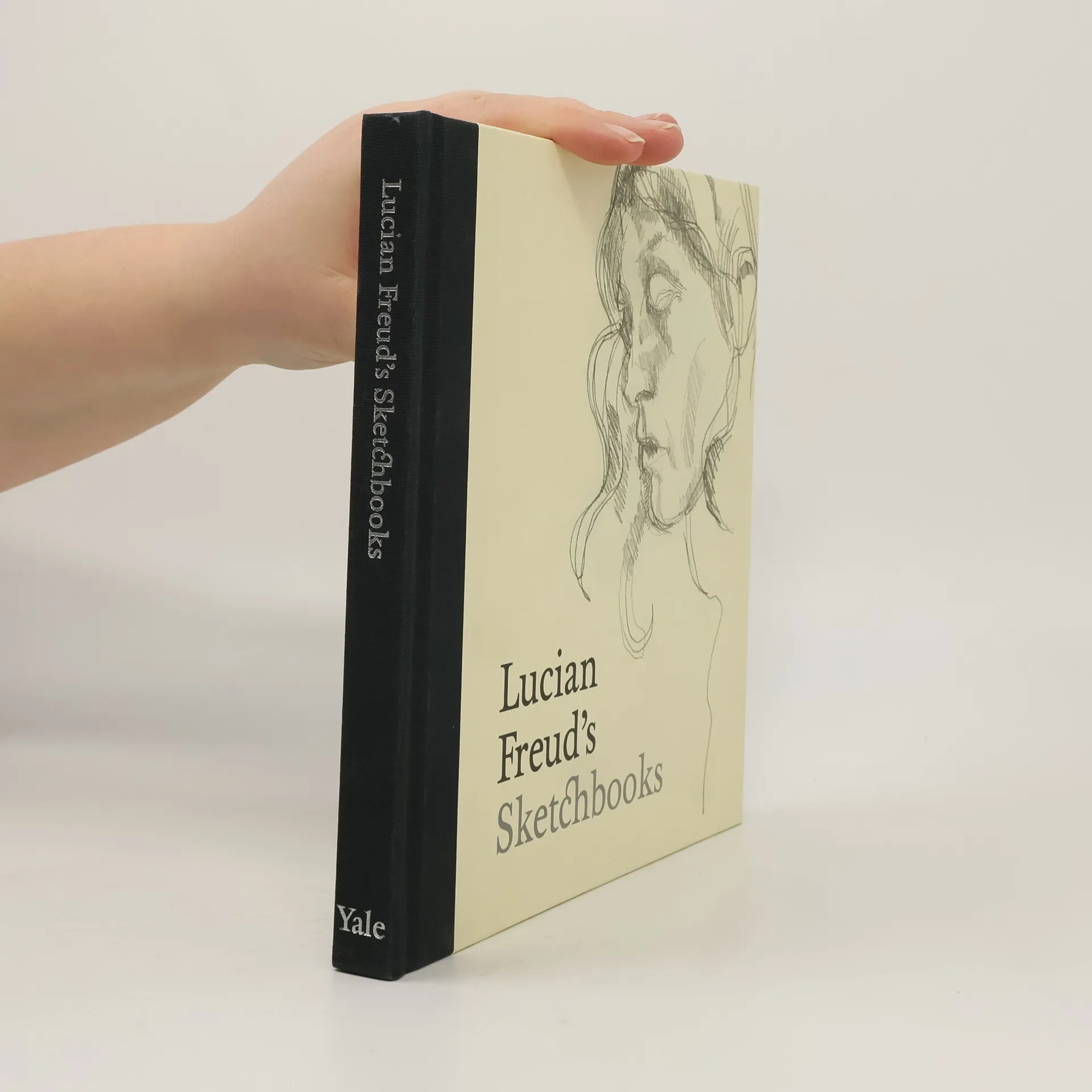
Lucian Freud's Sketchbooks
- 108pagine
- 4 ore di lettura
Previously unpublished drawings from the private sketchbooks of the pre-eminent British painter offer a new perspective on the artist’s personality and artistic genius This revelatory publication features a selection of beautifully reproduced images from the sketchbooks of Lucian Freud (1922–2011), one of the world’s greatest realist painters. Most of the sketches – which include works in pencil, pastel, and watercolor from across the artist’s long career – are published here for the first time. These fascinating images extend our understanding of Freud’s work and demonstrate the scrutiny he brought to his subjects. The sketchbooks, now in the archive of the National Portrait Gallery, London, include portraits of Freud’s family members, friends, and lovers. Designs for book covers, images of his beloved dogs and horses, landscapes, and interiors appear among nudes, still lifes, and several sketches that relate to major works. Around and between the drawings are Freud’s annotations and jottings – appointments, racing tips, notes, musings – which, with startling immediacy, provide a glimpse into the working life of one of the 20th century’s most important artists. The book includes an insightful essay by Martin Gayford, who sat for portraits by Freud and knew him well, and an illustrated chronology of the artist’s life.
Phoebe Hoban, author of definitive biographies of Jean-Michel Basquiat and Alice Neel, now turns her attention to Lucian Freud, the grandson of Sigmund and one of the greatest painters England has produced. Lucian Freud: Eyes Wide Open is the first biography to assess Freud's work and life, showing how the two converge. In Hoban's dramatic and fast-paced narrative, we follow Freud from his birthplace in Berlin to London, where he fled with his family in the 1930s, and then to Paris, where he mixed with Picasso and Giacometti. He led a dissolute life in Soho after the war, gambling and womanizing with fierce energy. He painted his wives nude, his children nude, himself nude. He married twice, had an uncountable number of children, and kept working through it all, painting everyone from close friend and rival Francis Bacon to Kate Moss and Queen Elizabeth. He sometimes spent years on a single painting, which could require hundreds of hours of sittings. However various his subjects, his intent was always the same: to find and reveal the character hidden within by means of his intense visual imagination. Along with its startling biographical revelations, the great thrill of Lucian Freud: Eyes Wide Open is the way Hoban deconstructs the art itself—its influences, models, and technique—to show how Freud reproduced reality on the canvas while breaking down the illusion that what we see is real.
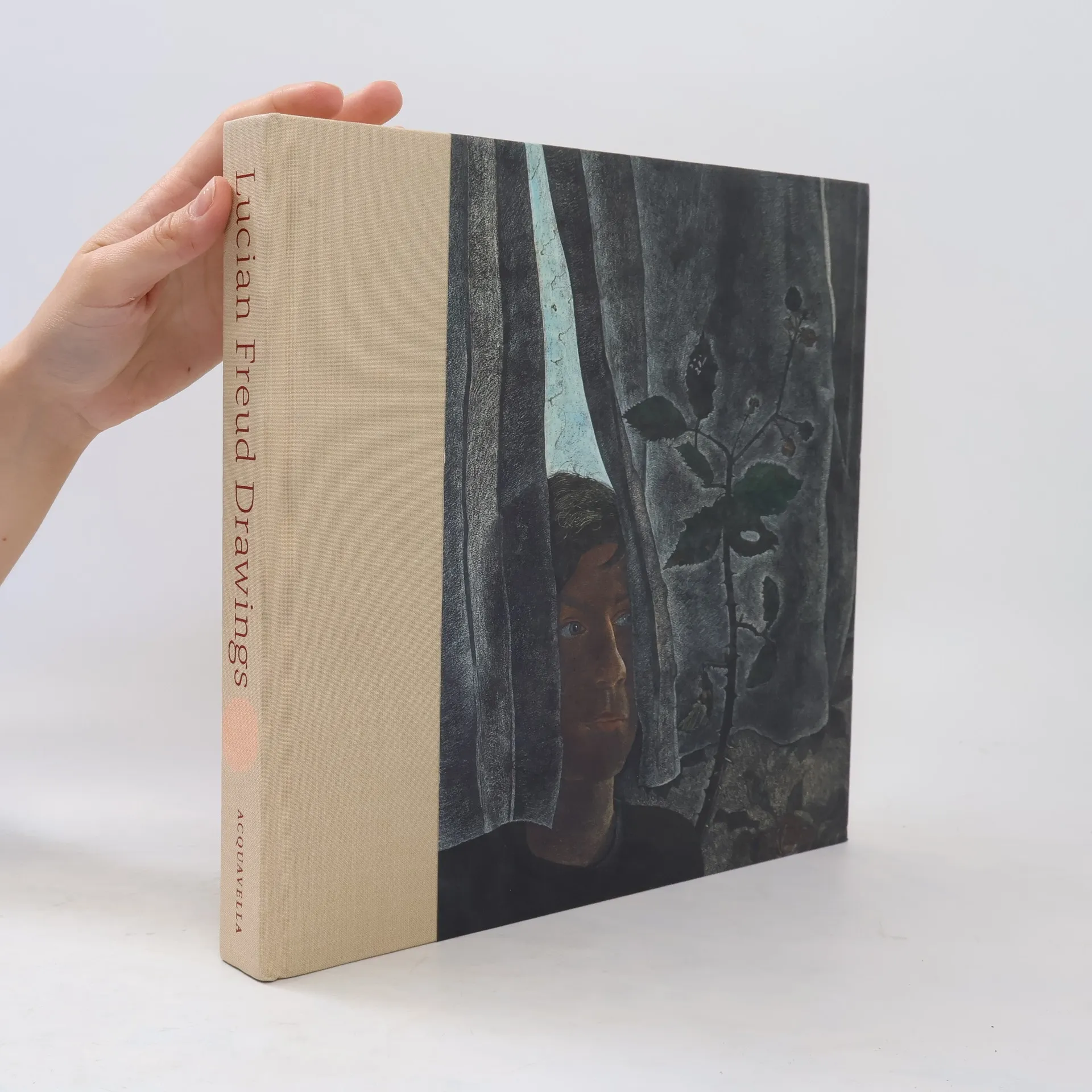
Lucian Freud Drawings
- 227pagine
- 8 ore di lettura
From his earliest years as a child prodigy, Lucian Freud prided himself on his virtuoso drawing skills. The interplay in his work between paper (for both drawing and etching) and canvas was a defining feature of his creative habits throughout his career, as Freud's foremost scholar and curator, William Feaver, establishes with this masterful overview of Freud's drawing output. The fruit of Feaver's privileged access to Freud's studio, Lucian Freud Drawings includes more than 100 drawings, around half of which have never been exhibited or published, from the 1940s up to the artist's death in July 2011. Examined here are portraits of Freud's mother and father, his children and close friends-among them the painter Francis Bacon and artist Leigh Bowery-as well as landscapes and studies of animals. Spanning more than seven decades, this beautifully produced volume illuminates the very foundations of this master draftsman's oeuvre.Lucian Freud was born in Germany in 1922, and permanently...
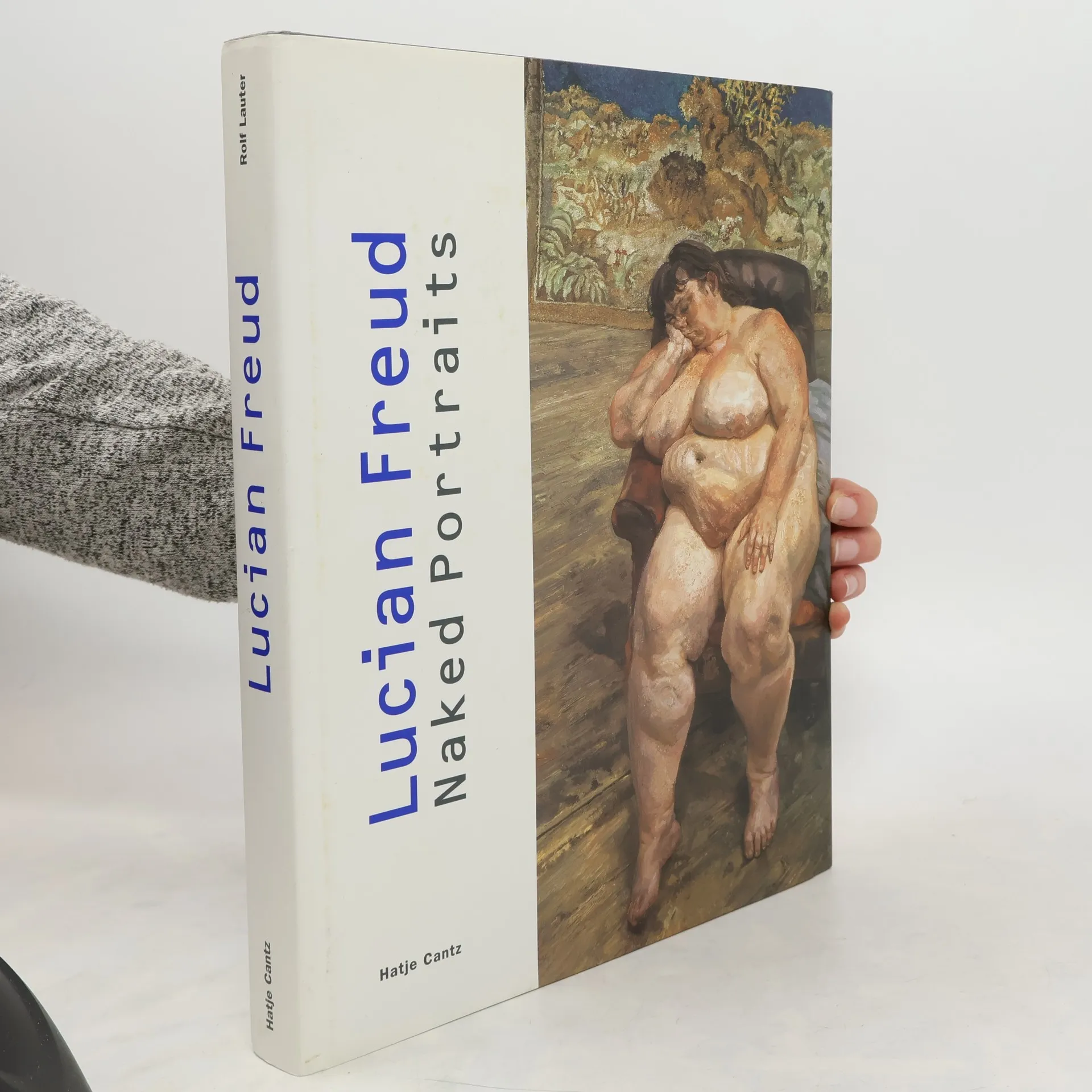
Lucian Freud - Naked portraits
- 327pagine
- 12 ore di lettura
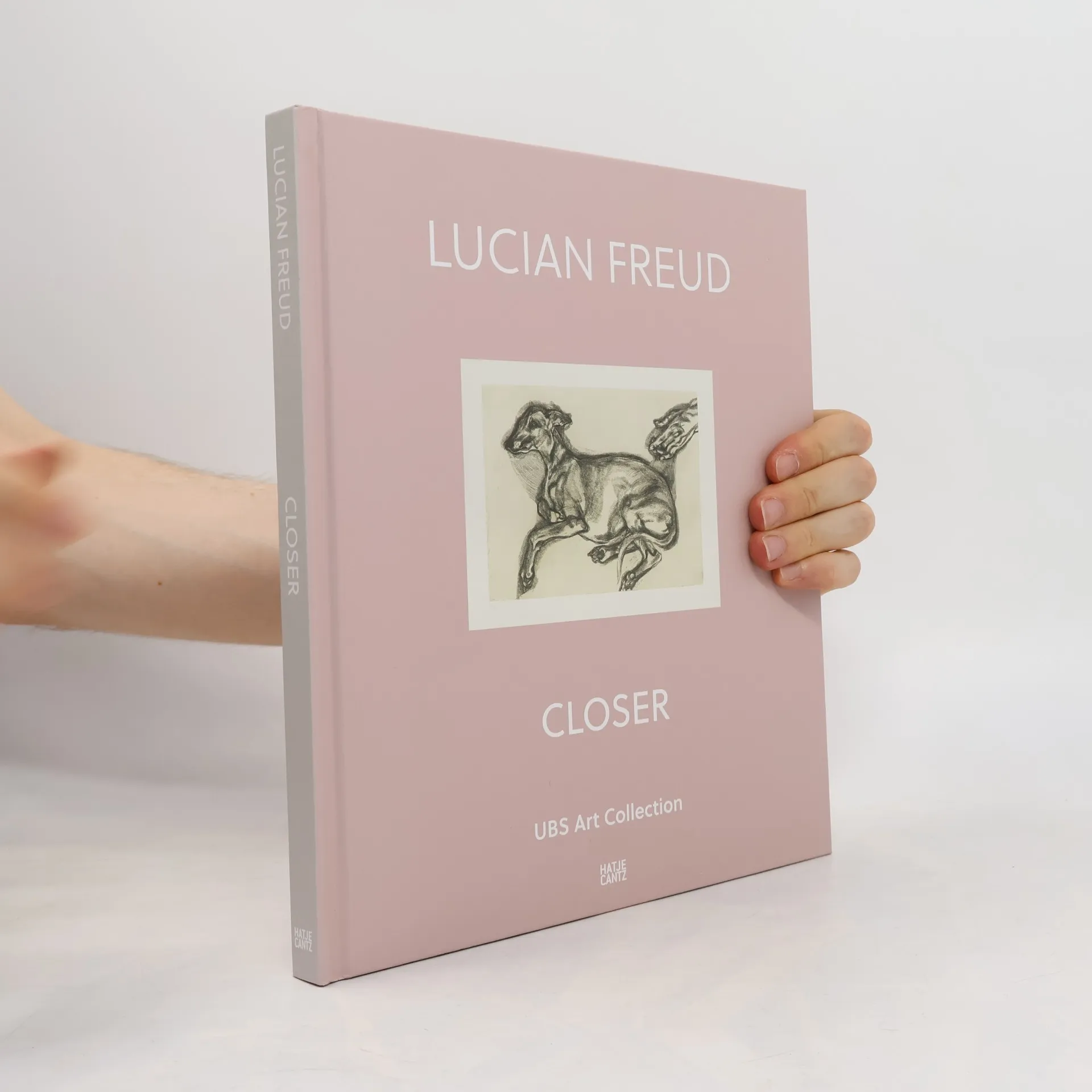
Lucian Freud - Closer
- 120pagine
- 5 ore di lettura
Nein, einfach hat es Lucian Freud den Betrachtern seiner Werke nie gemacht: Sie werden mit drastischer Figuration, Nacktheit und Einblicken in die Psyche der Dargestellten konfrontiert. Der 2011 verstorbene Maler, Enkel des berühmten Psychiaters Sigmund Freud, unterzog seine Modelle oft lang andauernden Sitzungen. In der Sammlung der UBS Art Collection befindet sich die Mehrzahl der Radierungen der letzten Schaffensperiode Freuds, dazu ein Aquarell und zwei Gemälde – insgesamt 54 Arbeiten von höchster Qualität. Insbesondere die Radierungen, die gleichzeitig delikat und in ihrer Bildauffassung kühn wirken, fordern die Betrachter heraus. Dass die Ausstellung im Berliner Martin-Gropius-Bau stattfinden kann, ist schon deshalb von besonderer Bedeutung, weil Freud in Berlin geboren wurde und 1933 mit seinen Eltern von dort fliehen musste. Mit der UBS Art Collection kehrt der Künstler nun gleichsam nach Berlin zurück. Ausstellung: 22.7.–22.10.2017, Martin-Gropius-Bau
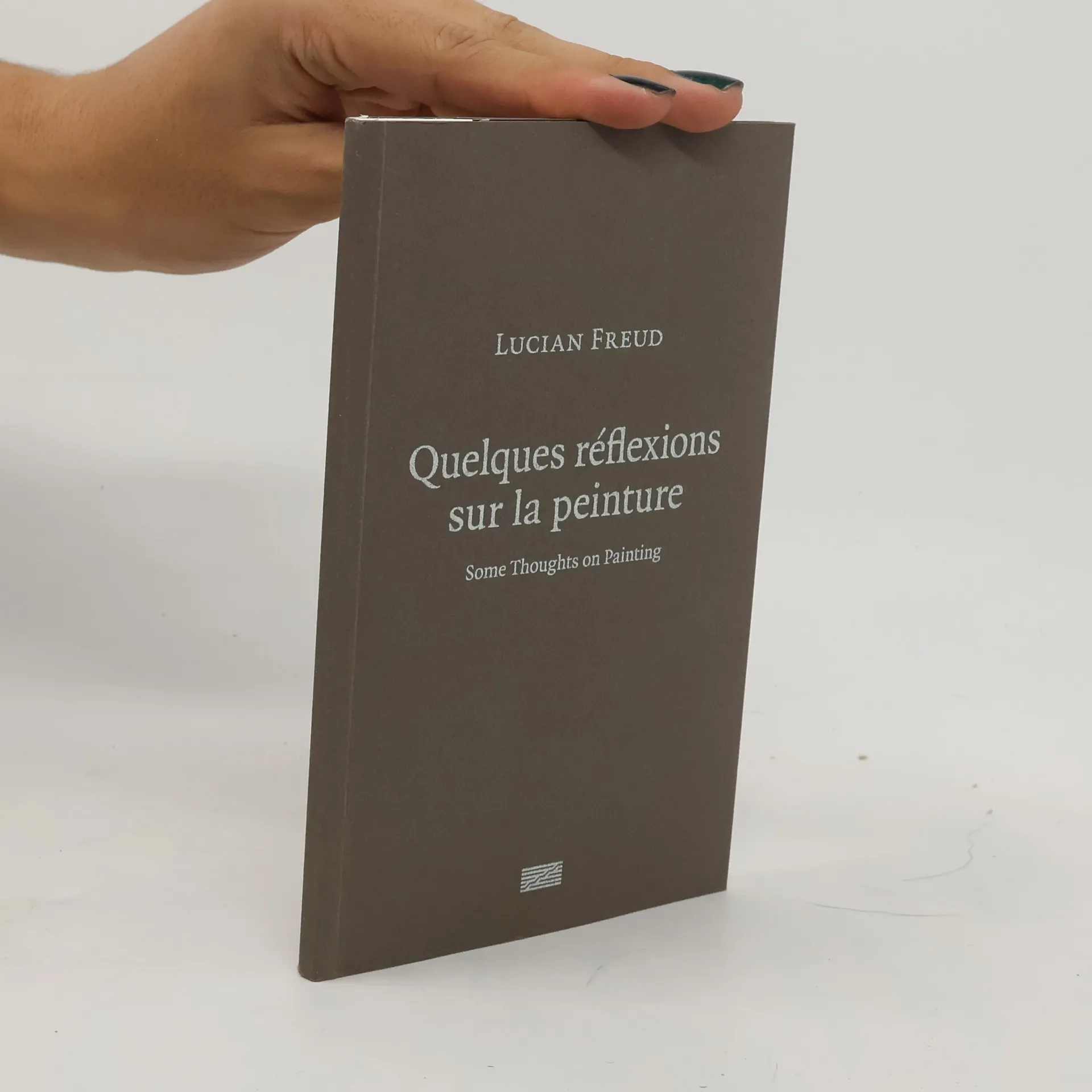
Lucian Freud énonce en 1954, au moment où son oeuvre est distinguée à la Biennale de Venise, quelques pensées sur son travail, qui seront publiées dans la revue littéraire Encounter. A l'occasion de l'exposition " Lucien Freud. L'Atelier ", les Editions du Centre Pompidou rééditent pour la première fois, en version bilingue français/anglais, ces " Quelques réflexions sur la peinture ", accompagnées d'une postface de Cécile Debray. Ce court essai forme de manière unique une sorte de manifeste esthétique d'un des plus grands peintres d'aujourd'hui.
Gemälde
- 135pagine
- 5 ore di lettura
Lucian Freud, Graphik, prints
- 95pagine
- 4 ore di lettura