
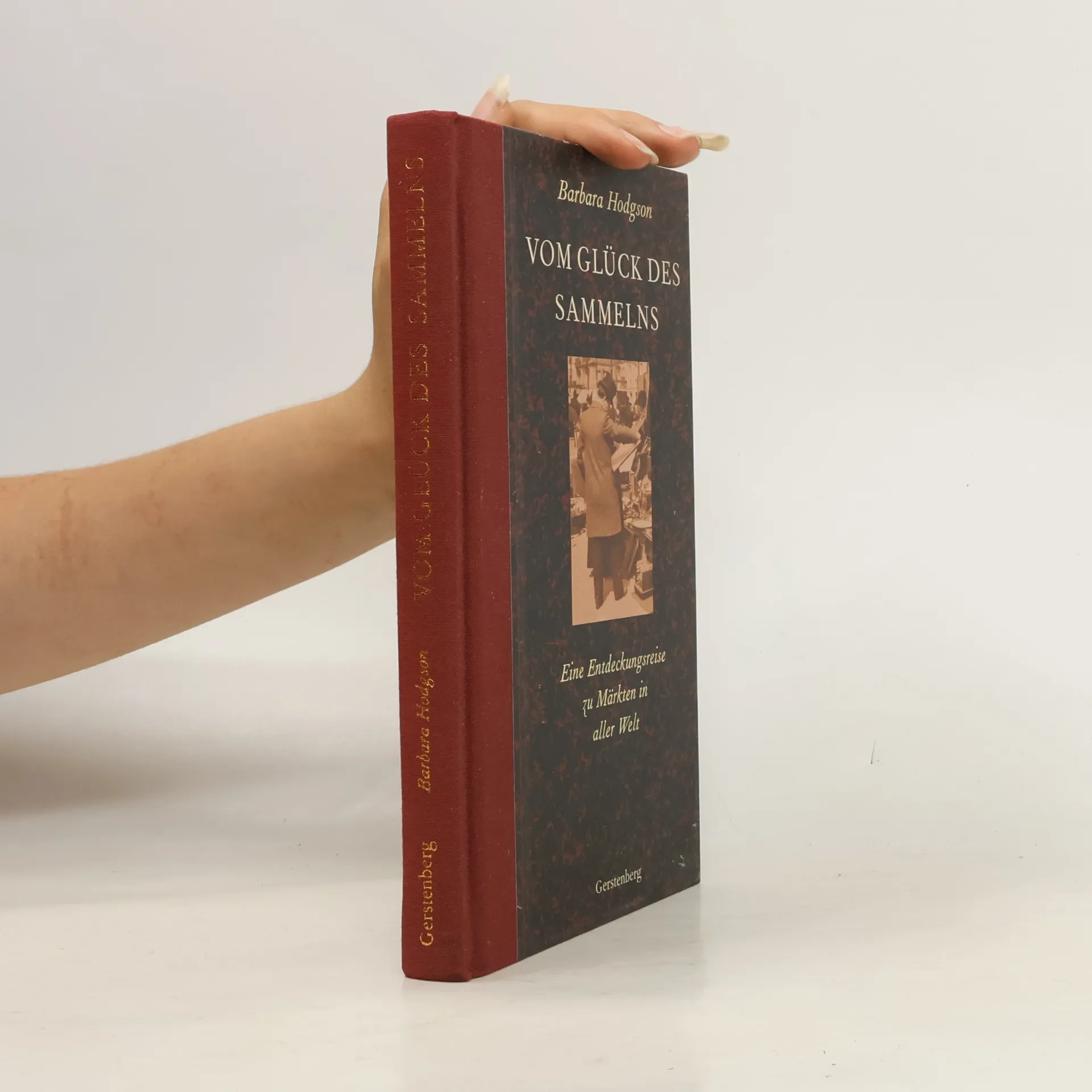
Vom Glück des Sammelns
- 154pagine
- 6 ore di lettura
Barbara Hodgson è un'autrice i cui libri fondono in modo unico il testo con una moltitudine di illustrazioni tratte da diverse fonti. Il suo lavoro è caratterizzato da una combinazione originale di materiali visivi riccamente variati—tra cui incisioni, litografie, fotografie e cartoline d'epoca—intrecciati in narrazioni avvincenti. Hodgson esplora la narrazione non convenzionale, immergendo i lettori in mondi visivamente ricchi. Il suo approccio alla creazione di libri arricchisce l'esperienza del lettore, enfatizzando l'elemento visivo come parte integrante dell'opera letteraria.


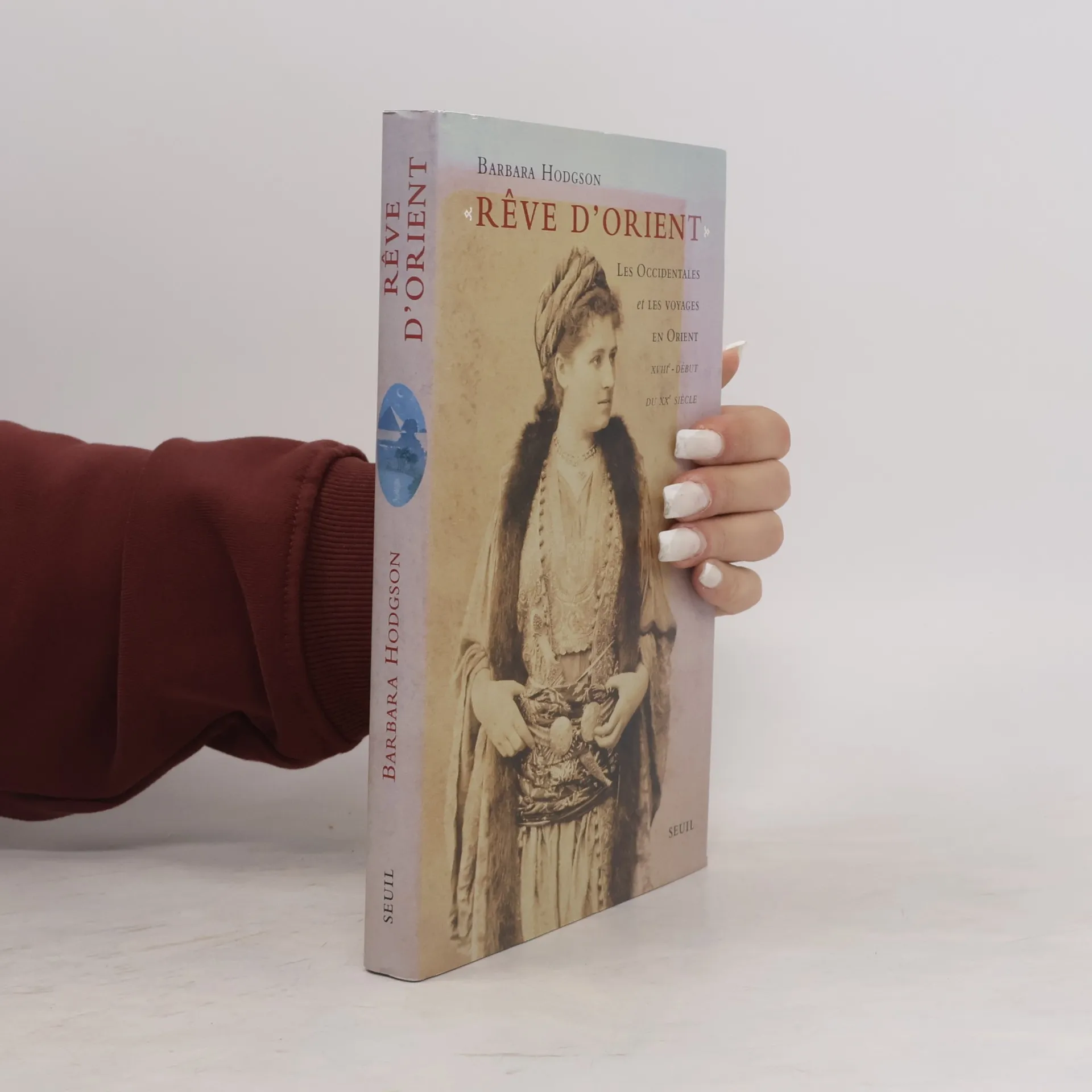
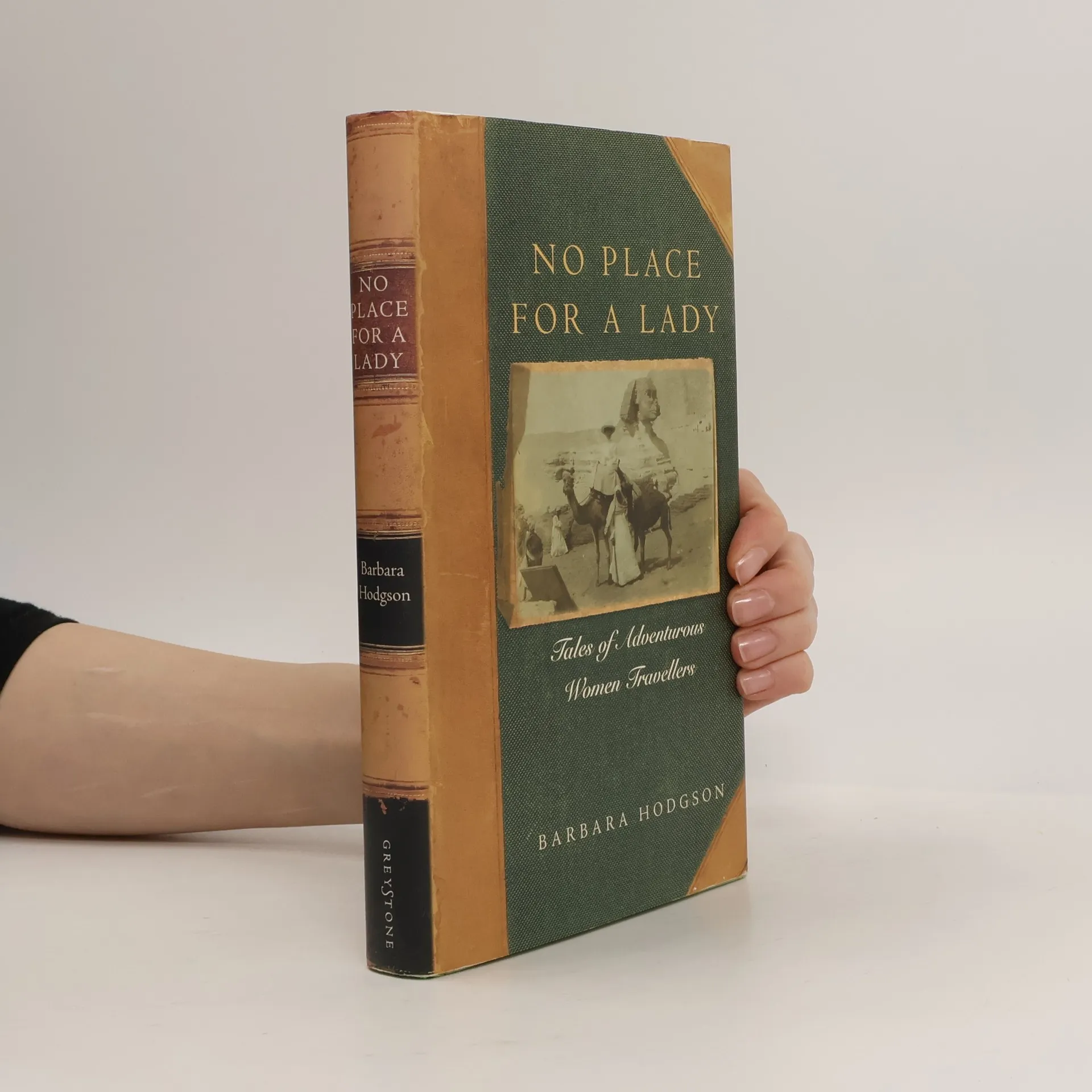
Wenn Frauen in den Orient reisen: Neugierde, Reiselust und Freiheitsdrang waren die Antriebsfeder vieler Frauen, welche im 18. und 19. Jahrhundert in den Orient reisten. Barbara Hodgson erzählt in diesem sehr edel aufgemachten Buch über verschiedenste Frauen, welche sich allein oder in Begleitung ihrer Ehemänner auf Reisen in ferne Länder begaben. Sie schildert ihre Beweggründe, wie es ihnen auf den Reisen erging, wie sie sich kleideten und fortbewegten, wie und wo sie übernachteten, welche Strapazen sie zu erdulden hatten, und auch von mancher Liebesbeziehung zu einem Orientalen. Ein spannendes Buch, das von mutigen Frauen erzählt, die versuchten mit Reisen in den Orient, ihre Träume vom Abenteuer zu leben. Ab 14 Jahren, ausgezeichnet, Beatrice Balint.
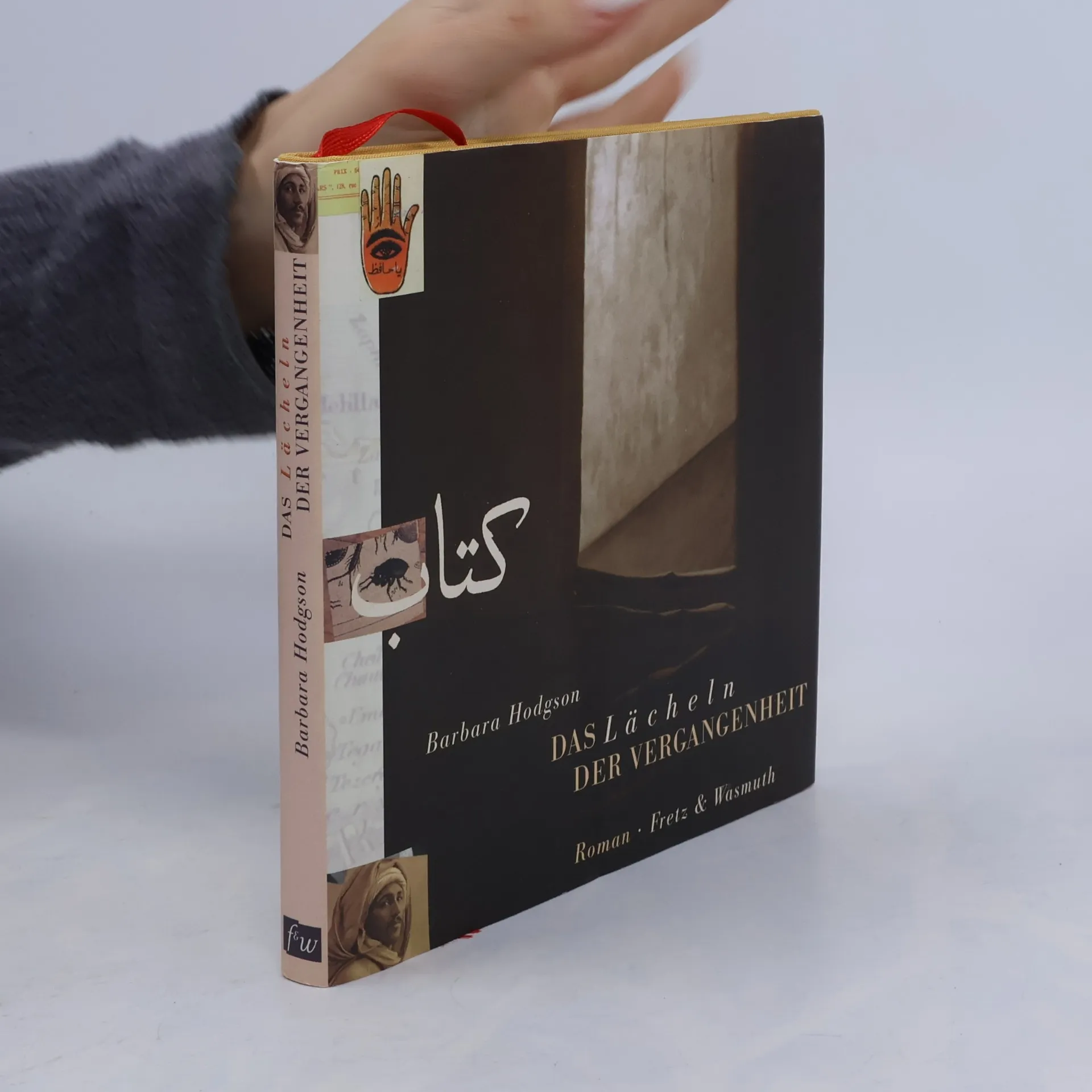
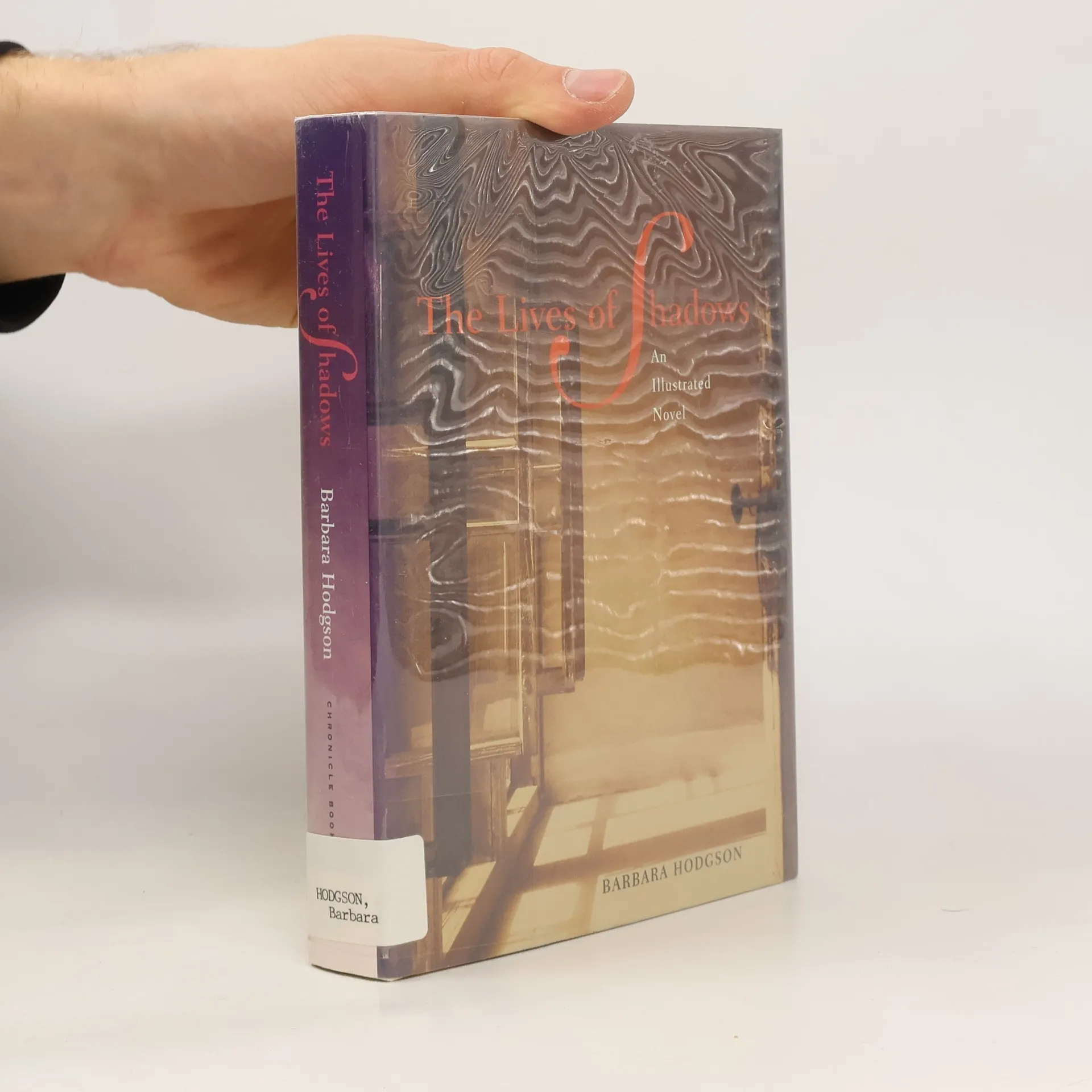
In the spring of 1914, a restless young man leaves England for a tour of the exotic east. A bit of Egypt, a glimpse of Syria, a nod to Constantinople -- that's all that was supposed to happen. Instead, Julian Beaufort becomes mesmerized. Wandering in idle admiration through the labyrinthine streets of Damascus, he stumbles upon Bait Katib, a house that takes possession of his heart. It is elegant; it is ancient; and it is, after a bit of negotiation with the owner, his. He has every intention of staying there for the rest of his life. But the world doesn't relinquish its hold so easily. Two bloody wars -- one in Europe and one in Syria -- leave Julian wounded and the city of Damascus in ruins. He returns from battle to find his precious house still standing, but no longer entirely his. It seems someone else may be occupying the shadows of Bait Katib. A mystery, a love story, and a journey to a sepia-toned past, Barbara Hodgson's new illustrated novel will haunt and delight her many devoted readers and tempt legions more to take a guided journey into another world.
Furchtlos, einfallsreich, abenteuerlustig. So könnte man die Frauen beschreiben, die zwischen dem 17. und 19. Jahrhundert entgegen den gesellschaftlichen Konventionen ihrer Reiselust nachgingen. Allen Gefahren und Hindernissen zum Trotz verließen sie ihr geordnetes Leben und erkundeten, manchmal als Männer verkleidet, die Kontinente. Selbstbewusste, mutige Frauen wie Maria Sibylla Merian, Ida Pfeiffer, Isabelle Eberhardt, Harriet Martineau, Isabel Burton oder Isabella Bird waren es, die den Frauen von heute den Weg ebneten. Barbara Hodgson hat das von ihr selbst liebevoll gestaltete Buch nach Regionen der Welt gegliedert und erzählt darin unterhaltsam und mit viel Witz von Frauen aus unterschiedlichen Ländern und Schichten. Ihre spannenden Schilderungen von Pyramidenbesteigungen, Haremsbesuchen, sengender Hitze in Afrika oder eisiger Kälte in Sibirien, Insektenplagen in Russland, Mordanschlägen und vielem anderen mehr werden ergänzt durch zahlreiche prägnante Zitate und illustriert mit einer ungekannten Fülle an historischen Bildern.
Barbara Hodgson traces three hundred years of world travel by both the celebrated and the unknown women who endured exotic diseases, scorching heat, bed bugs, destructive thunderstorms, plagues of scorpions and many other life-threatening situations -- all in the name of adventure. From Lady Ann Fanshawe, who disguised herself as a cabin boy to confront a band of Spanish pirates, to Isabella Bird, who traversed the muddy trails of Japan by horseback despite severe back pain, the women profiled in these pages sacrificed personal comfort and respectability to pursue exotic experiences that had traditionally been open only to men. Filled with fascinating portraits, historical maps and intricate drawings, No Place for a Lady is at once a beautifully illustrated exploration of early travel and a spirited celebration of the women who dared to redefine the proper place for a lady.
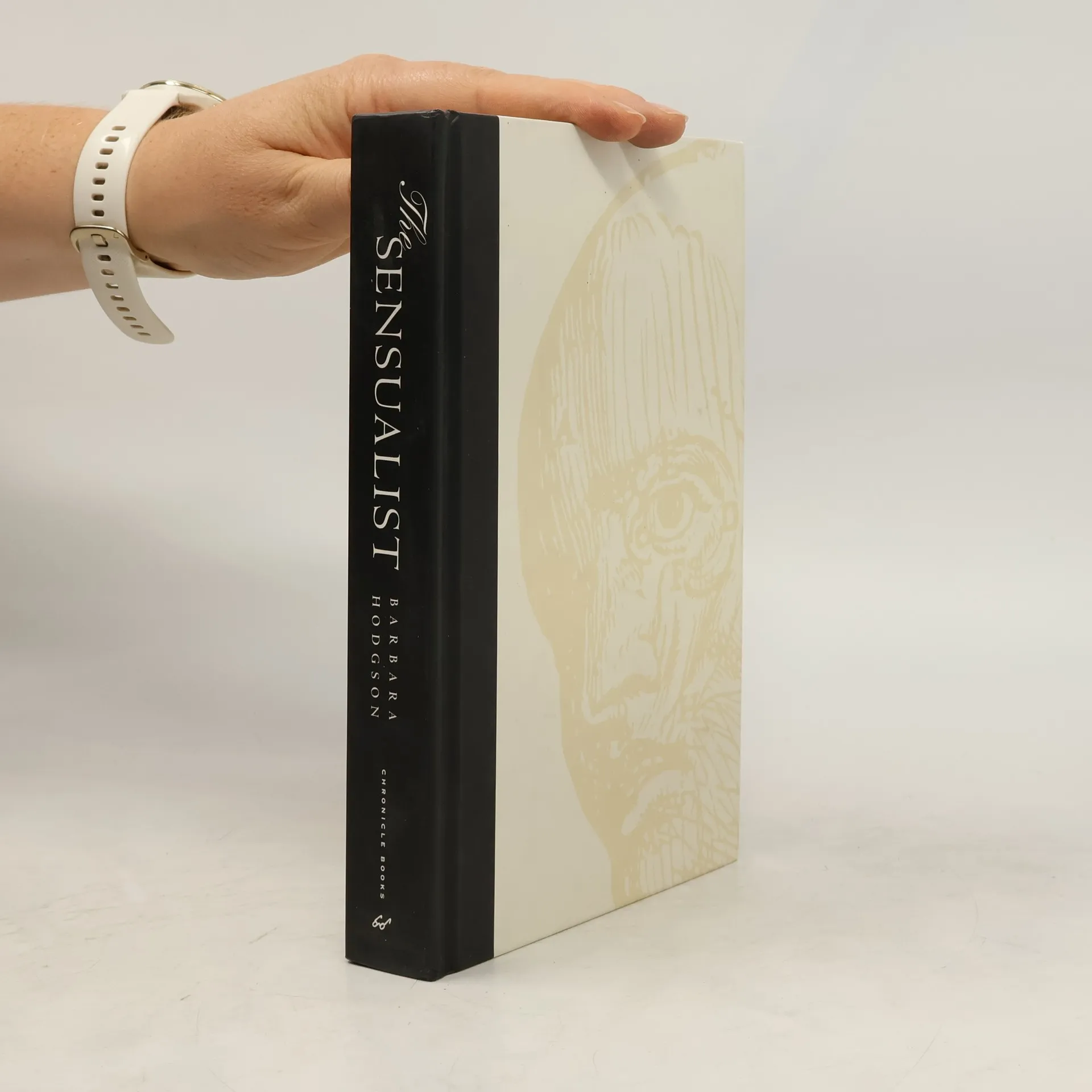
Helen Martin is a scholar of antique anatomial illustration. She knows the human body inside and out. But she doesn't know her own body anymore, because Helen is, quite literally, losing her senses. Sight, hearing, touch, small, taste; all are disappearing. And she has started hallucinating -- for surely it is a hallucination -- that her body is being replaced, piece by piece, with someone else's. Her husband, too, seems to be lost; vanished during a business trip in Europe.Things grow more curious when Henen sets off to find him. On the night train to Vienna, mysteries proliferate. A parade of characters -- from the grotesque to the jolly to the inexplicable -- present her with bizarre gifts, gossip, rumor. Much of her unaccountable experience Helen is prepared to attribute to jet lag and a nasty head cold, until a gruesome murder at an anatomical museum alerts her to the fact that someone is taking her visit very seriously indeed.
Während einer Marokko-Reise entdeckt Lydia auf ihrer Hand eine merkwürdige Hautveränderung, die einer Landkarte ähnelt. Kurz darauf verschwindet sie spurlos. Nach langer, vergeblicher Suche entdeckt ihr Reisebegleiter Christopher eine kaum glaubhafte Spur.