

This book is a comprehensive analysis of the various social science approaches to explaining and interpreting war, peace and the military. Its central aim is to trace and reconstruct those basic assumptions constructed and 'thought processes' undertaken by modern social sciences in their research and conceptualization of military violence and the use of force. In addition to such reconstruction, the aim is also to enquire into the preconditions of such thought. This study therefore eschews the development of an explicit 'strategy' (in the sense of a research strategy), but instead is much more concerned with thinking about its subject matter by means of re-thinking and reflecting upon different theoretical approaches and problems. The investigation includes a critical reexamination of the tradition of military-sociological research from the beginning of modern sociology to late-twentieth century theoretical approaches regarding the security-focused and/or war-driven aspects ofmodern society.
Franz Kernic Ordine dei libri (cronologico)
1 gennaio 1960

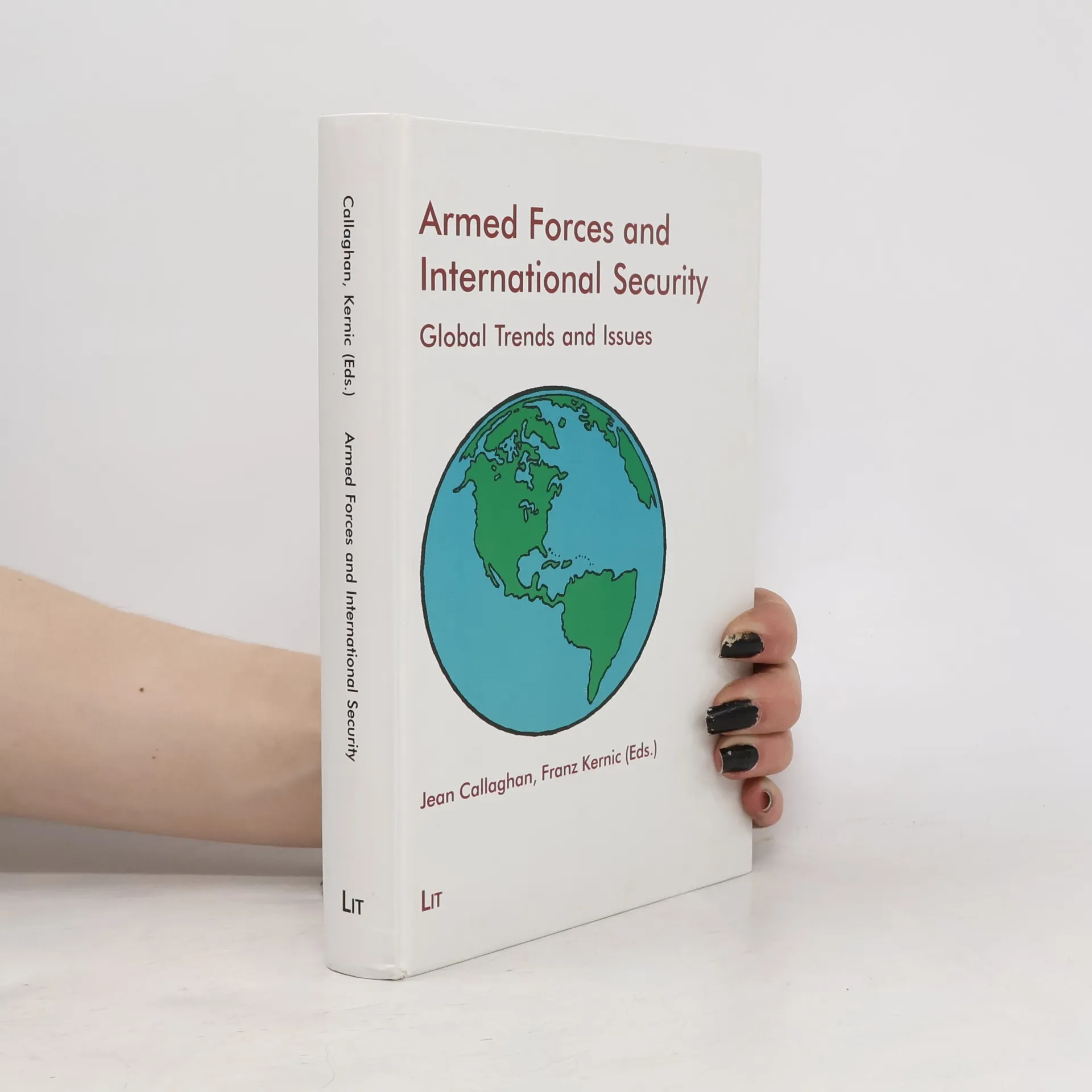
Designed as a textbook and interdisciplinary reference for the social sciences, this volume examines key issues in the current global security agenda and relationships between armed forces and society around the world. The book's concise chapters - on a broad range of themes related to national and international security, military sociology, and civil-military relations - were written by experts from 18 countries. This volume also has a groundbreaking section, which - using country studies and regional overviews - discusses civil-military relations in as well as the most salient theoretical and practical features of current means of democratic control of the armed forces in the early 21st century.