

10 libri per 10 euro qui
Bookbot

Alfred J. Ayer

    29 ottobre 1910 – 27 giugno 1989

    Sir Alfred Jules Ayer fu una figura cardine del positivismo logico, sostenendo una comprensione razionale ed empirica del mondo. Il suo lavoro si concentrò sull'analisi del linguaggio e della logica per distinguere le proposizioni significative da quelle prive di senso. Lo stile di Ayer era caratterizzato da chiarezza e precisione, rendendo accessibili complessi concetti filosofici a un pubblico più ampio. Credeva che il ruolo della filosofia fosse chiarire il pensiero e esaminare criticamente le affermazioni.

    Pragmatism and The Meaning of Truth
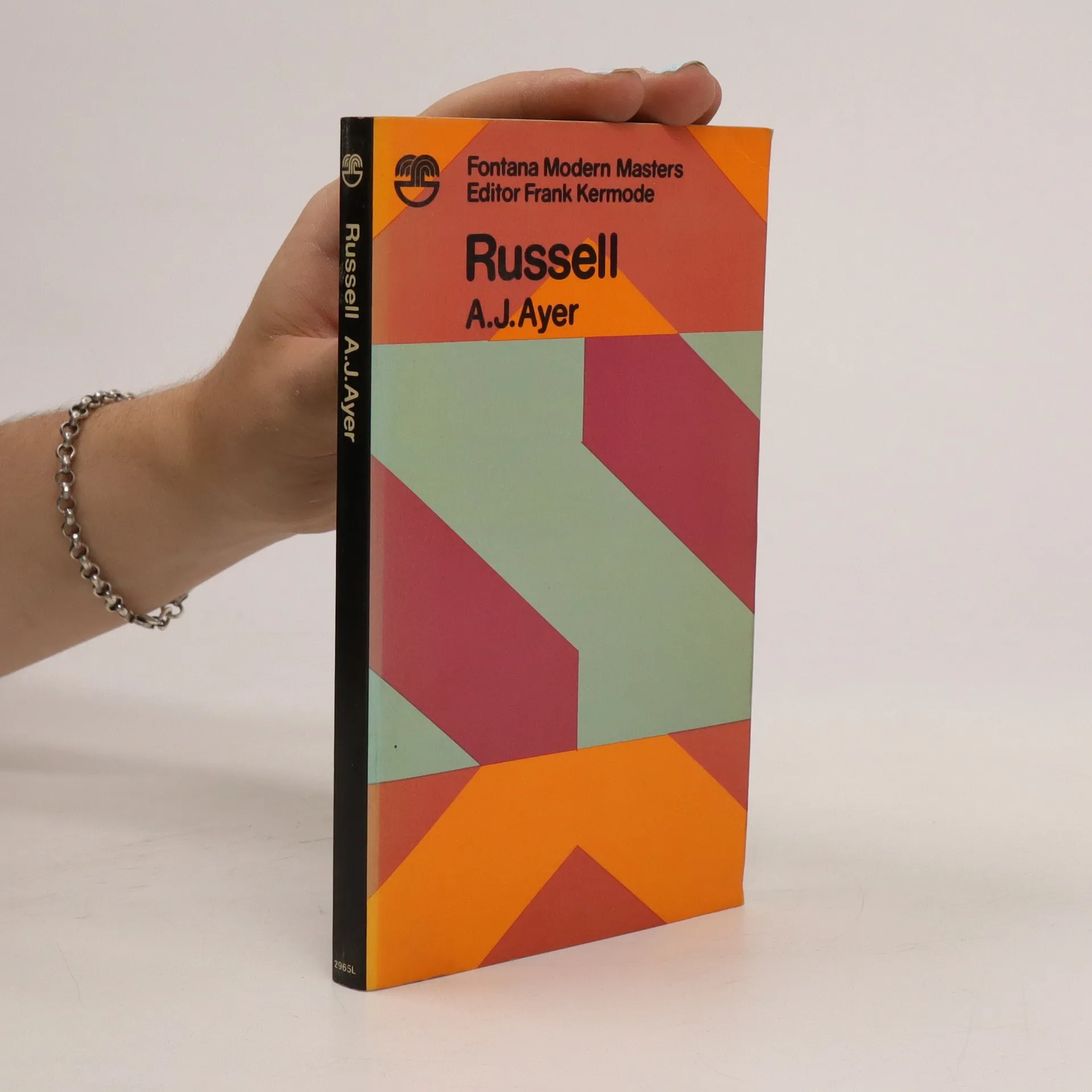
    Russell
    The Problem of Knowledge
    Wittgenstein
    Language, Truth and Logic
    The Foundations of Empirical Knowledge
    • 2021

      Language, Truth and Logic

      • 126pagine
      • 5 ore di lettura

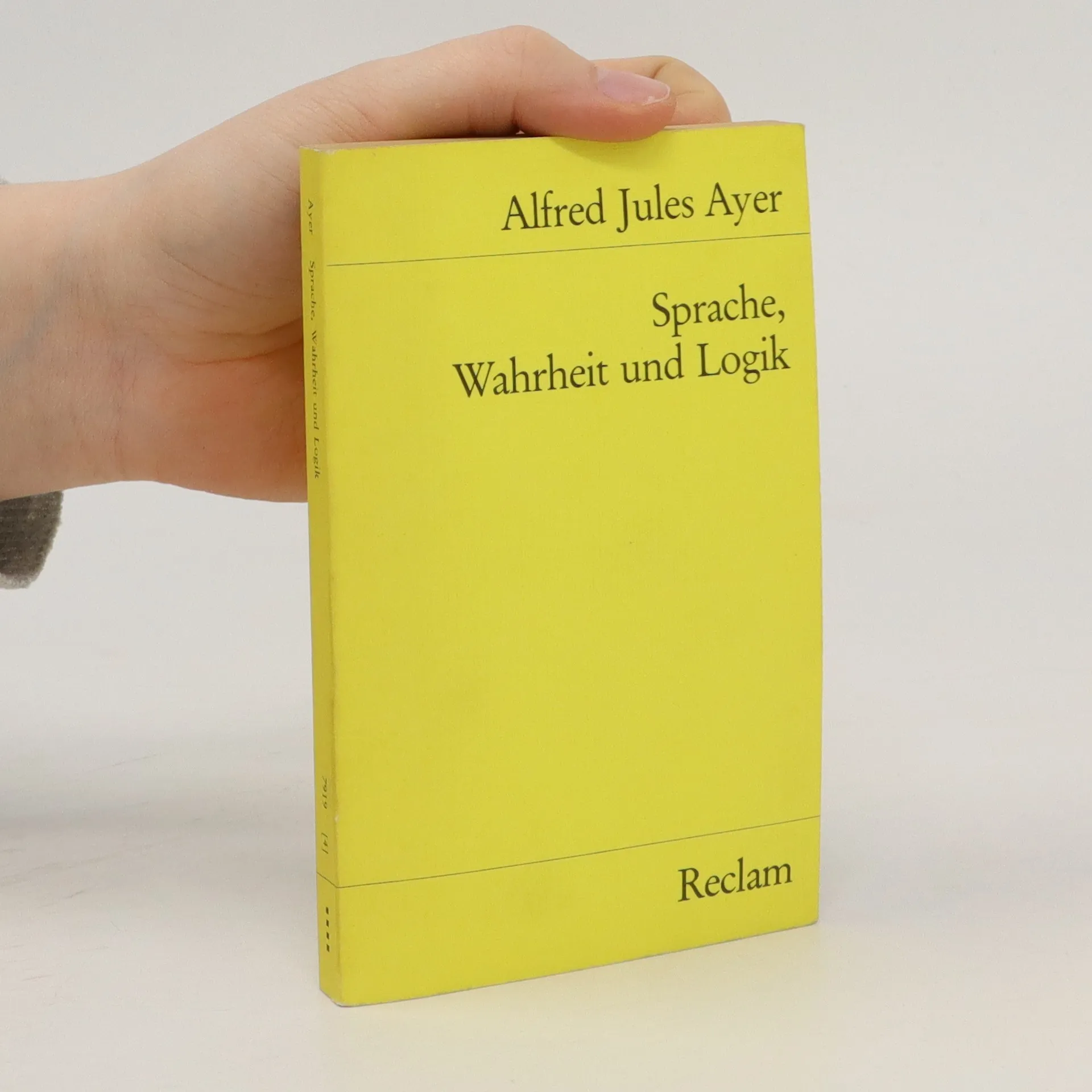
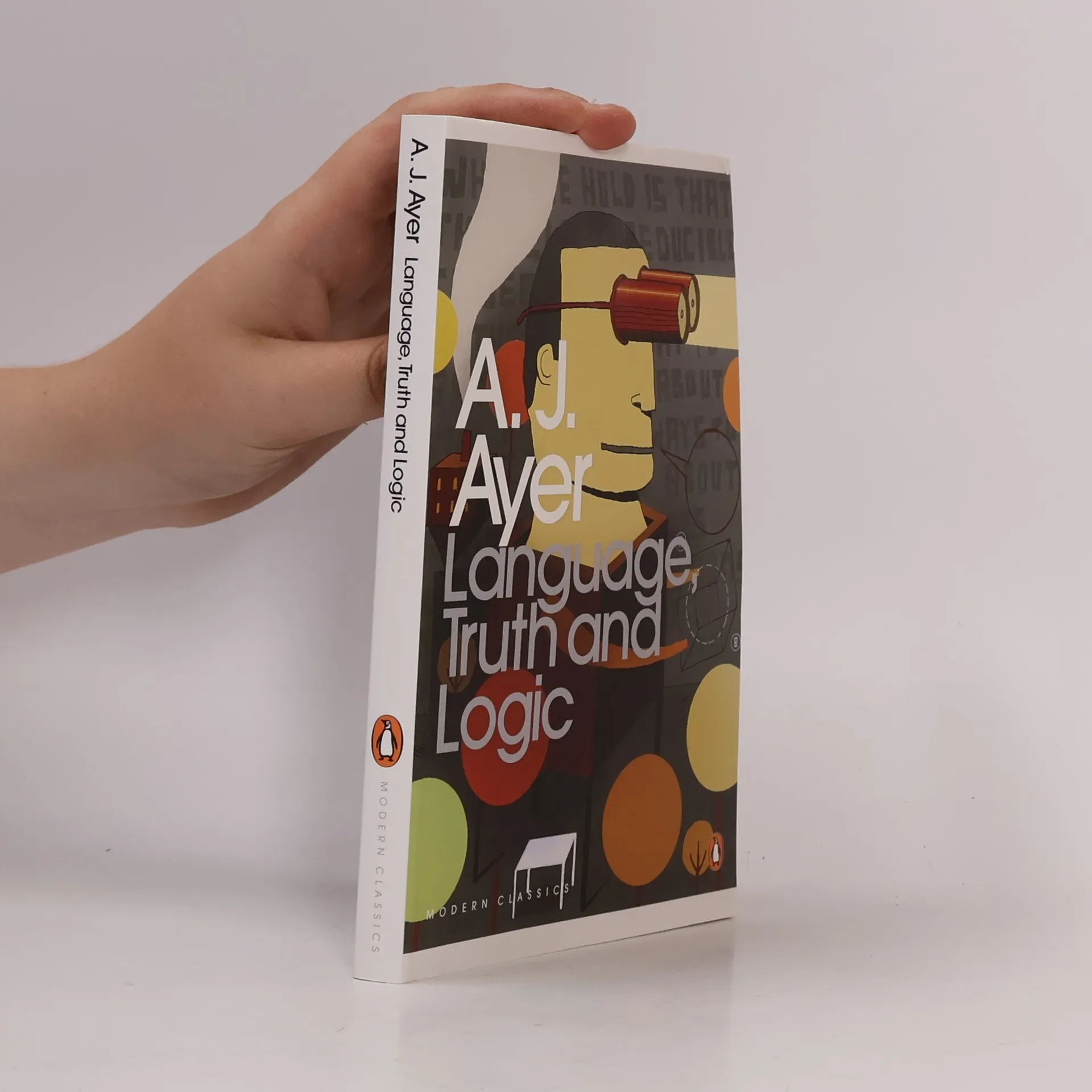
      The verification principle of logical positivism is at the heart of this classic philosophical work by Alfred Jules Ayer, written when he was just 25. It explores the role of empirical evidence in establishing truths and probabilities, offering a compelling argument for the necessity of verifiability in philosophical discourse. Ayer's insights challenge traditional views and provide a clear framework for understanding philosophical problems through the lens of objective methods. This influential text remains a significant contribution to 20th-century philosophy.

      Language, Truth and Logic
    • 2006

      Logický pozitivizmus

      • 540pagine
      • 19 ore di lettura

      Tretí zväzok Malej antológie filozofie 20. storočia obsahuje projekty filozofie a filozofie vedy, ktoré vznikli v prvých desaťročiach dvadsiateho storočia a mali charakter scientizácie možného chápania filozofie. Pre toto obdobie je typická predstava, že takmer všekty dôležité problémy súčasnosti nemajú bez využitia vedy veľké šance na úspech. V tomto zväzku sa čitateľ zoznámi s názormi M. Schlicka, R. Carnapa, O. Neuhartha, C. G. Hempela, H. Reichenbacha a A. J. Ayera. editori: F. Mihina, T. Sedová, M. Zouhar


      Logický pozitivizmus
    • 1987
    • 1985

      The fame of Ludwig Wittgenstein as one the most important and original philosophers of the century-and also as an intense, magnetic personality-has grown steadily since his death in 1951.

      Wittgenstein
    • 1978

      Pragmatism and The Meaning of Truth

      • 400pagine
      • 14 ore di lettura

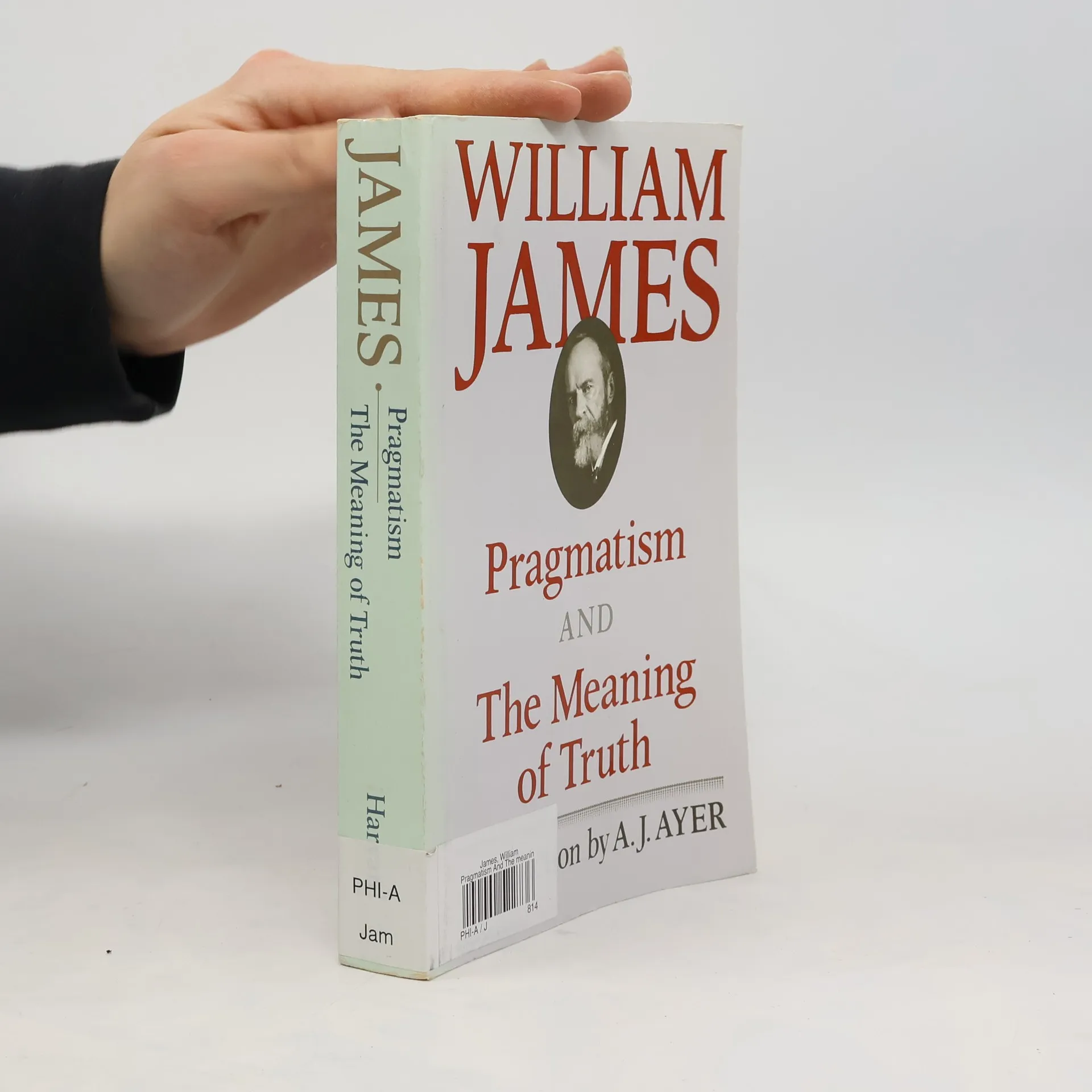
      Pragmatism is the most famous single work of American philosophy. Its sequel, The Meaning of Truth , is its imperative and inevitable companion. The definitive texts of both works are here available for the first time in one volume, with an introduction by the distinguished contemporary philosopher A. J. Ayer.In Pragmatism , William James attacked the transcendental, rationalist tradition in philosophy and tried to clear the ground for the doctrine he called radical empiricism. When first published, the book caused an uproar. It was greeted with praise, hostility, ridicule. Determined to clarify his views, James collected nine essays he had written on this subject before he wrote Pragmatism and six written later in response to criticisms by Bertrand Russell and others. He published The Meaning of Truth in 1909, the year before his death.These two works show James at his best full of verve and good humor. Intent upon making difficult ideas clear, he is characteristically vigorous in his effort to make them prevail.

      Pragmatism and The Meaning of Truth
    • 1973
    • 1972