I Classici della BUR: La vita e lo sviluppo del linguaggio
Nella traduzione di Francesco D'Ovidio - Introduzione e di Giuseppe Carlo


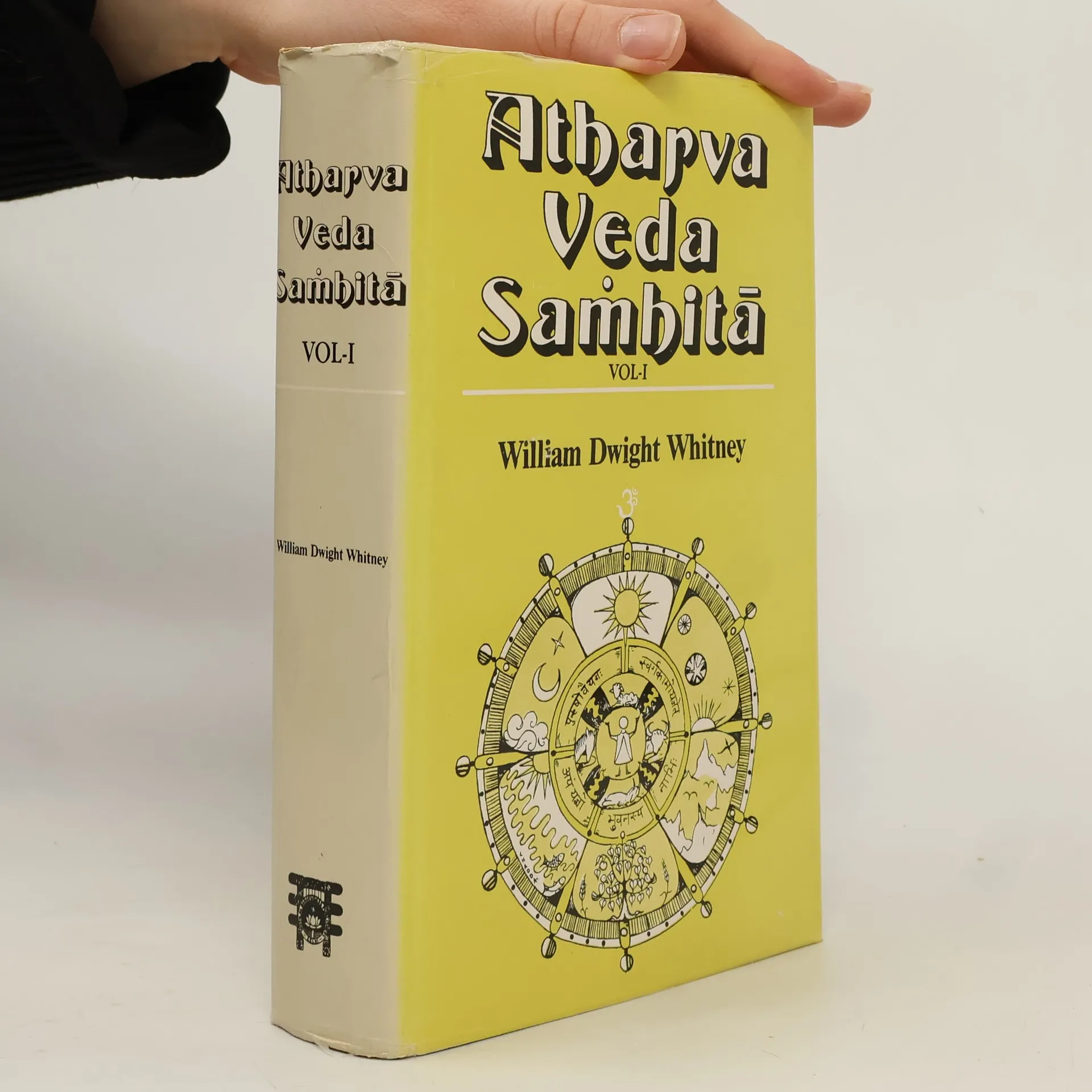
William Dwight Whitney fu un linguista, filologo e lessicografo americano, noto per il suo lavoro pionieristico sulla grammatica sanscrita e la filologia vedica. La sua influente prospettiva considerava il linguaggio come un'istituzione sociale, plasmando il pensiero linguistico moderno. La sua erudizione comprendeva analisi dettagliate di testi vedici e filologia comparata, stabilendolo come una figura centrale nello sviluppo del campo. Il suo approccio enfatizzava la natura sociale e l'utilità pratica del linguaggio.

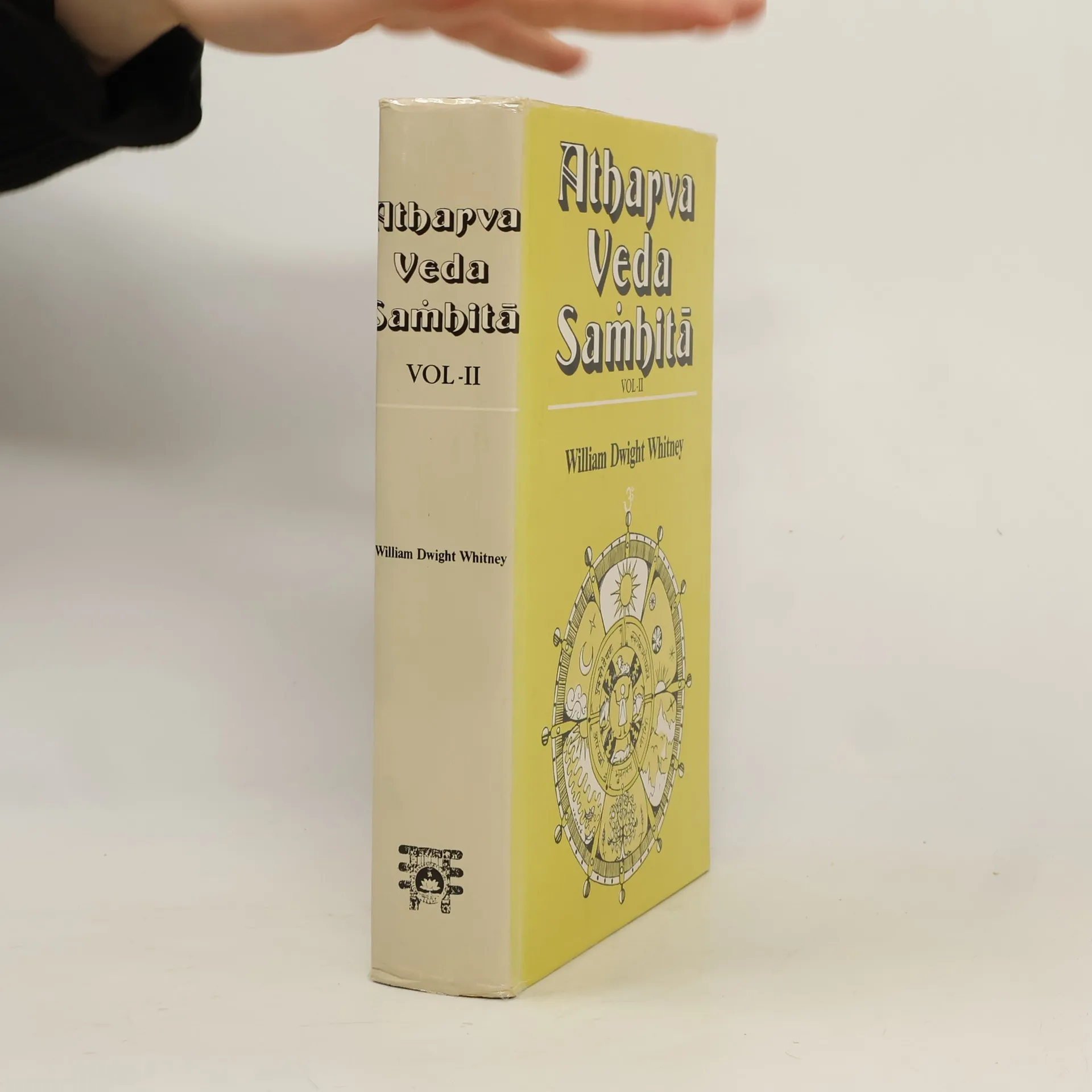
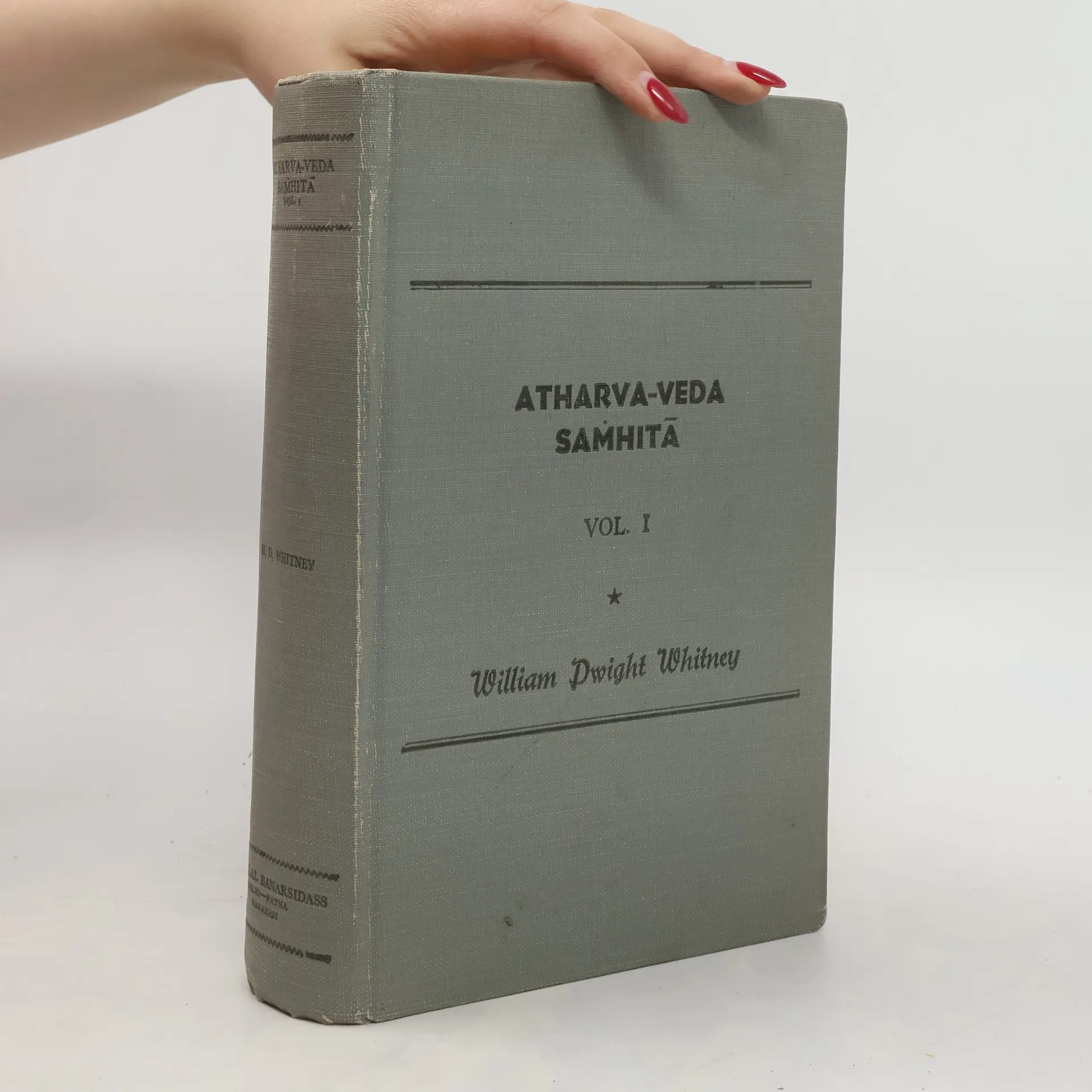


Nella traduzione di Francesco D'Ovidio - Introduzione e di Giuseppe Carlo
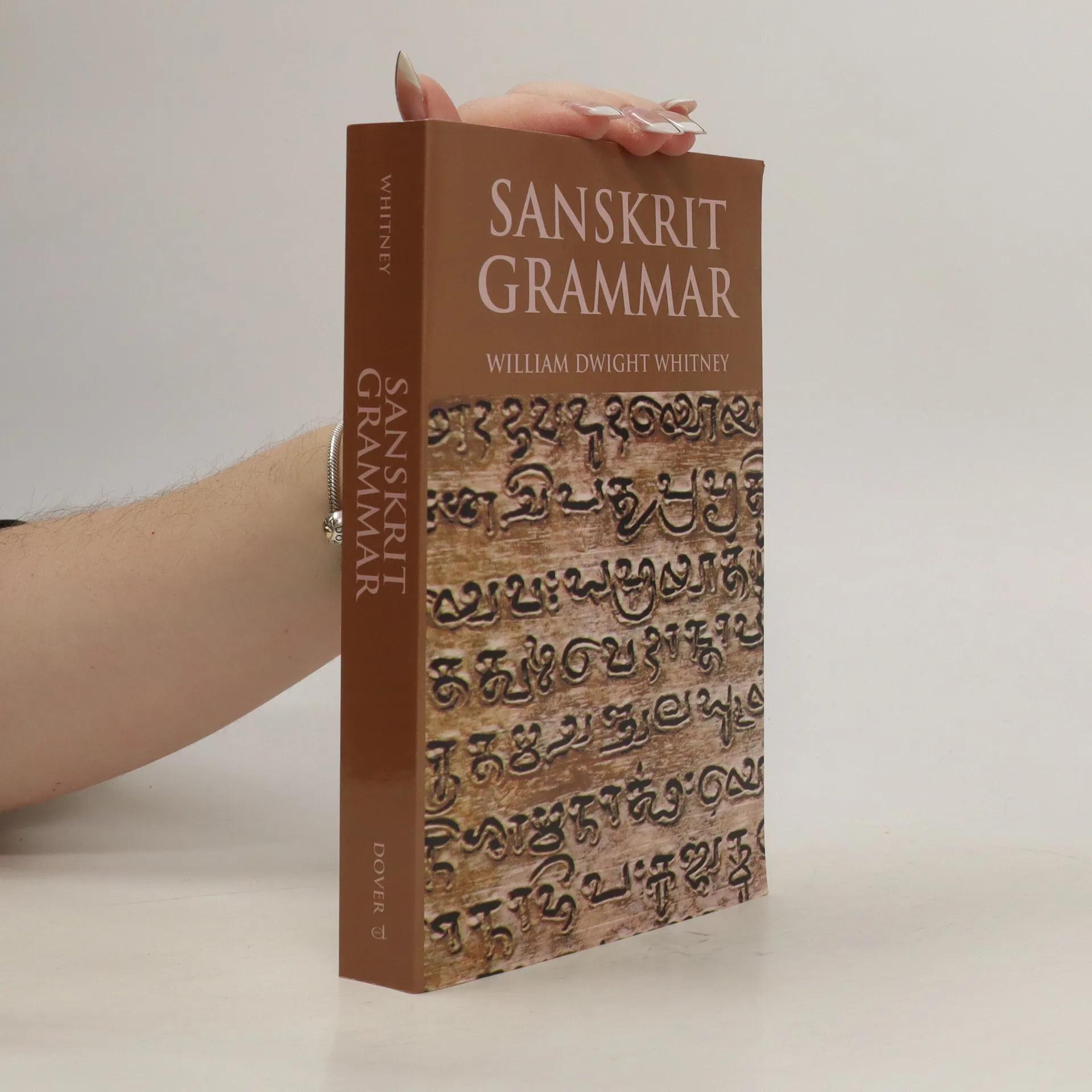
As Latin is key to the study of Western classics, Sanskrit is the gateway to understanding ancient Indian literature. One of the few Sanskrit grammars currently available, this meticulously researched and thoughtfully assembled guide to the language's basics will prove invaluable to students of Indian culture and history. Focusing on the fundamentals of Sanskrit as revealed in literary classics, the text follows the forms and constructions of the older language, as exhibited in the Veda and the Brahmana. It begins with an introduction of the Sanskrit alphabet, followed by a treatment of the accent - its changes in combination and inflection, and the tone of the individual words. Succeeding chapters discuss declension, conjugation, parts of speech, and formation of compound stems. A helpful appendix, Sanskrit index, and general index conclude the text.
Focusing on ancient Indian and Persian texts, this scholarly work delves into the Veda and the Avesta while examining the intricacies of linguistics. It provides in-depth insights into the linguistic and cultural heritage of the East, making connections between language and cultural identity. Whitney's exploration enhances understanding of these foundational texts and their significance in the study of language.