A masterwork of the anthropology of kinship by the heir to Levi-Strauss
Maurice Godelier Libri
28 febbraio 1934
Questo influente antropologo francese è noto come uno dei primi sostenitori dell'incorporazione del marxismo nell'antropologia. La sua vasta ricerca sul campo tra il popolo Baruya della Papua Nuova Guinea, durata tre decenni, ha plasmato le sue prospettive sulla società. Il suo lavoro approfondisce le strutture profonde delle relazioni umane e dell'organizzazione sociale. Esamina i meccanismi fondamentali che governano il comportamento umano e le formazioni culturali.

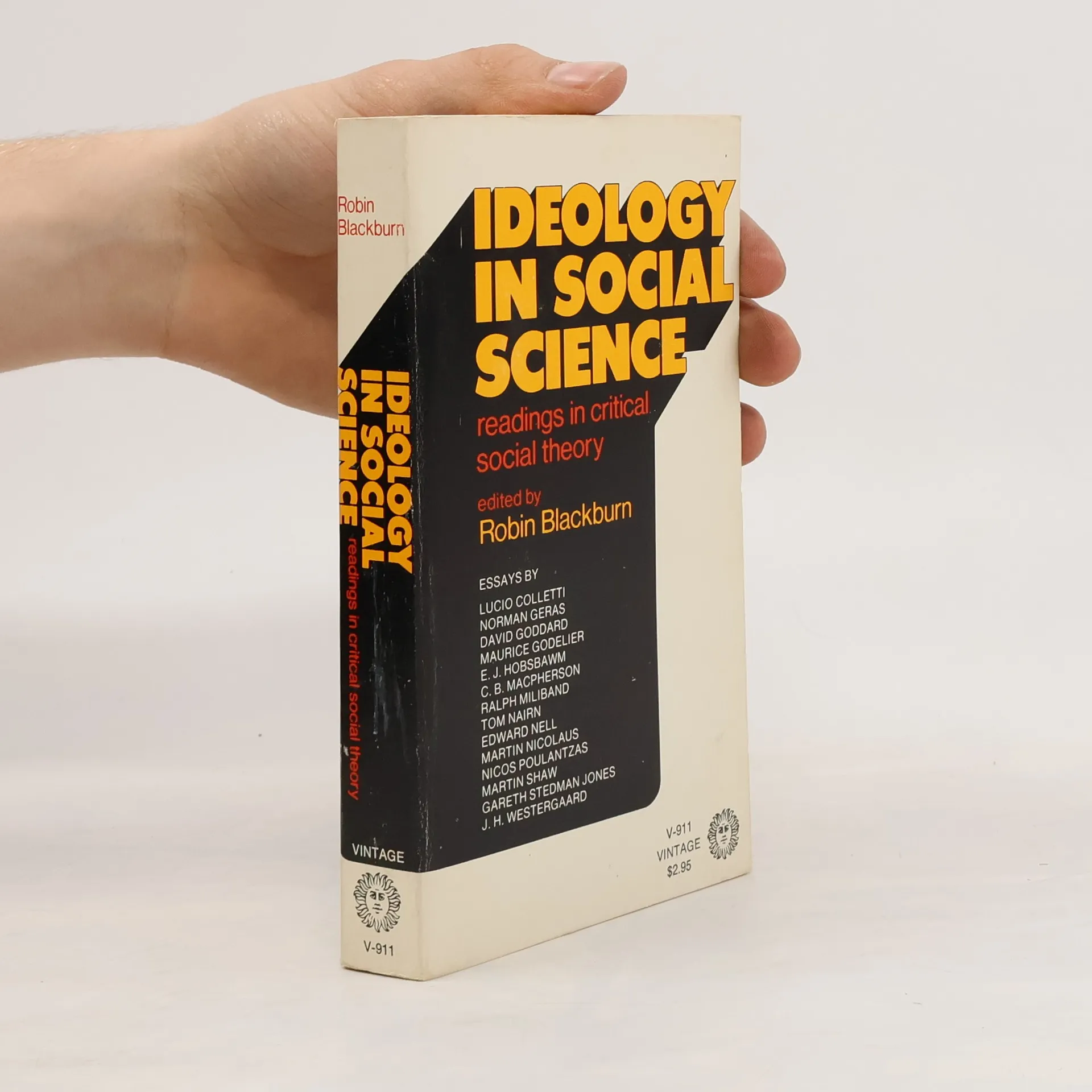
Groundbreaking examination of the relationship between thought, economy and society.
First Vintage Books Edition, March 1973. Mild shelf wear, small tear at top of back cover, pages moderately tanned, and spine has creases from reading. Everything looks good and perfectly readable. Overall pretty decent condition.
Exploring the role of the incest prohibition in human societies
The Imagined, the Imaginary and the Symbolic
- 176pagine
- 7 ore di lettura
Exploring the close relationship between the real and the symbolic and imaginary What you imagined is not always imaginary, but everything that is imaginary is imagined. It is by imagining that people make the impossible become possible. In mythology or religion, however, those things that are imagined are never experienced as being imaginary by believers. The realm of the imagined is even more real than the real; it is super-real, surreal. Lévi-Strauss held that "the real, the symbolic and the imaginary" are three separate orders. Maurice Godelier demonstrates the contrary: that the real is not separate from the symbolic and the imaginary. For instance, for a portion of humanity, rituals and sacred objects and places attest to the reality and therefore the truth that God, gods or spirits exist. The symbolic enables people to signify what they think and do, encompassing thought, spilling over into the whole body, but also pervading temples, palaces, tools, foods, mountains, the sea, the sky and the earth. It is real. Godelier's book goes to the strategic heart of the social sciences, for to examine the nature and role of the imaginary and the symbolic is also to attempt to account for the basic components of all societies and ultimately of human existence. And these aspects in turn shape our social and personal identity.
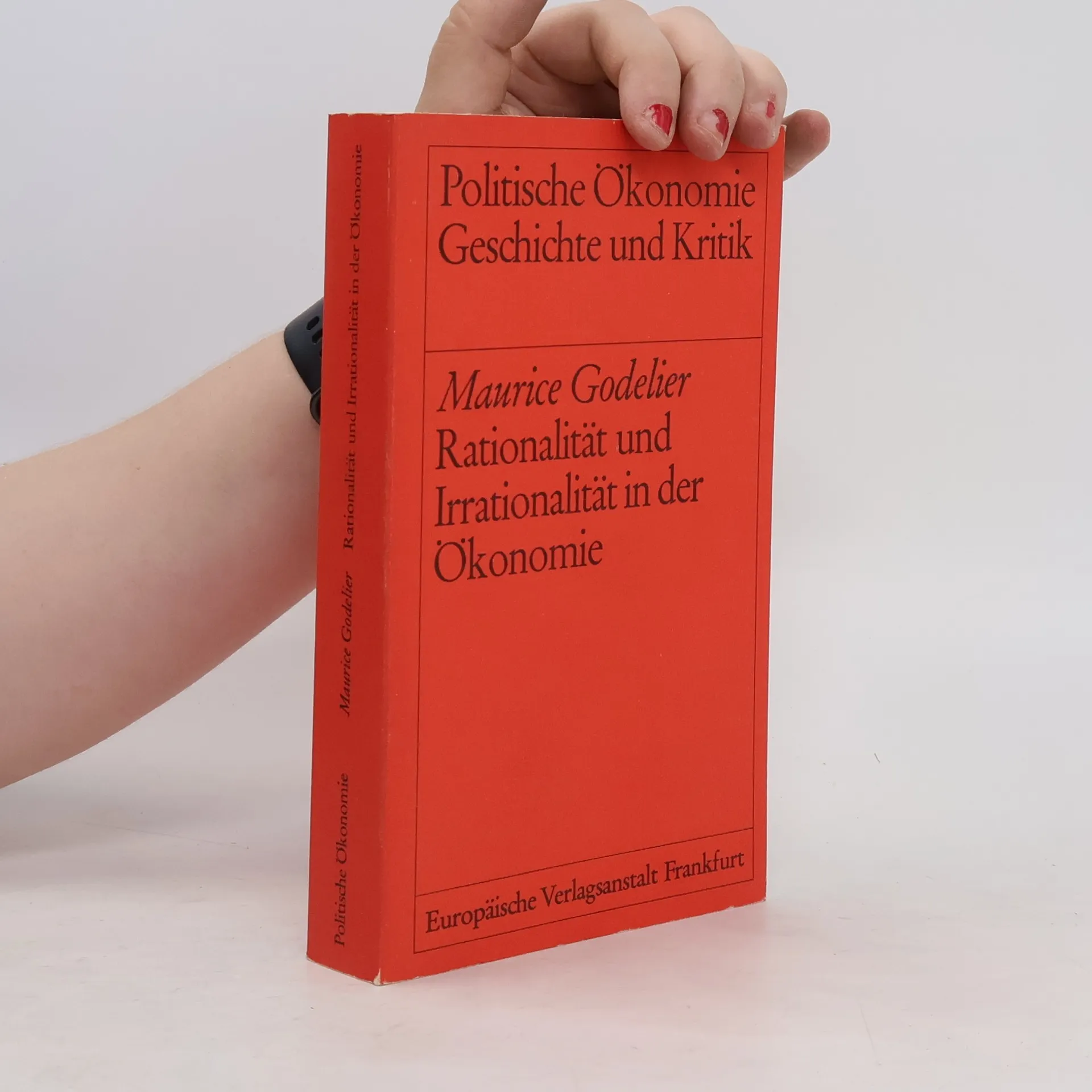
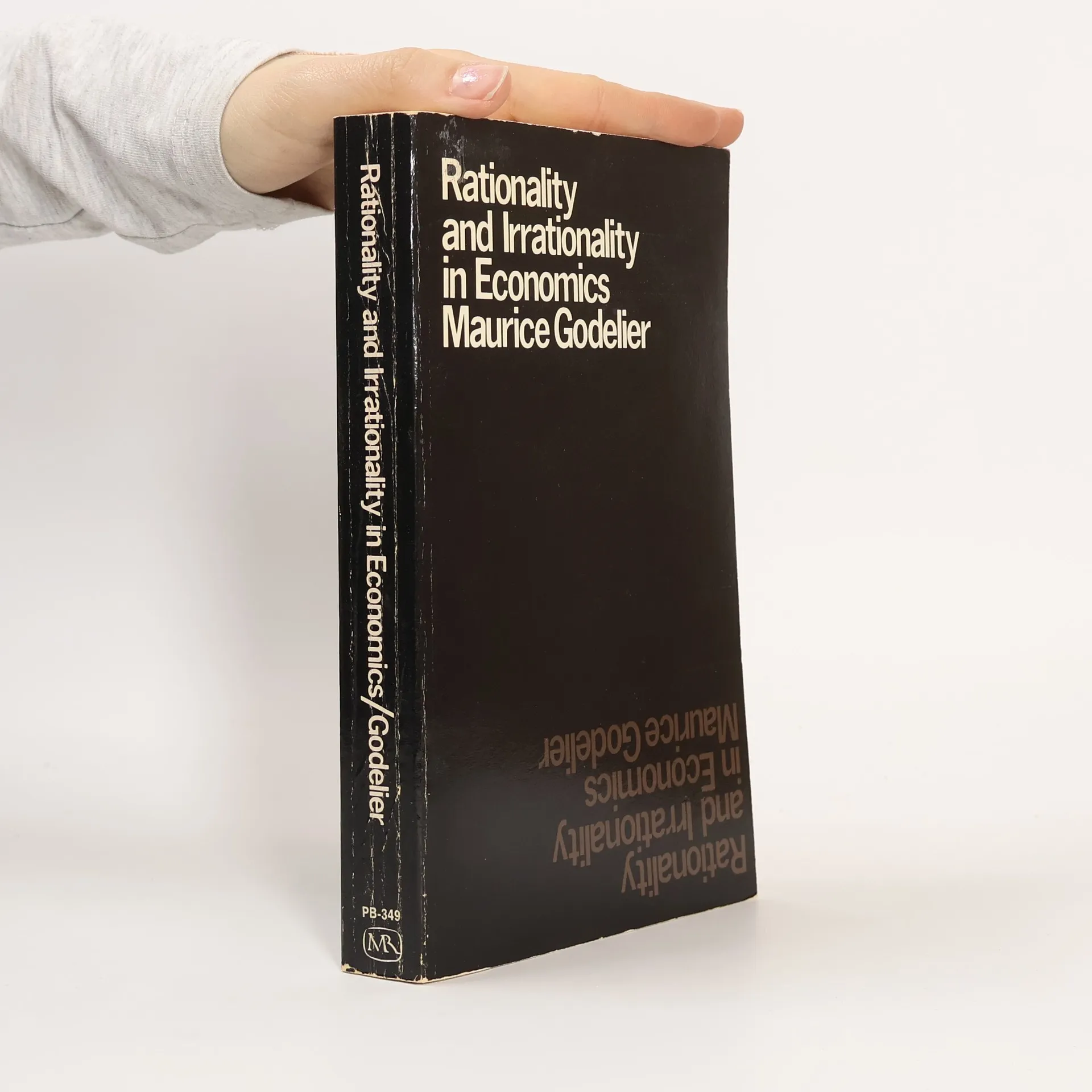
Rationality and Irrationality in Economics
- 326pagine
- 12 ore di lettura
This book is the result of a research project begun by the author in 1958 with the aim of answering two questions: First, what is the rationality of the economic systems that appear and disappear throughout history—in other words, what is their hidden logic and the underlying necessity for them to exist, or to have existed? Second, what are the conditions for a rational understanding of these systems—in other words, for a fully developed comparative economic science? The field of investigation opened up by these two questions is vast, touching on the foundations of social reality and on how to understand them. The author, being a Marxist, sought the answers, as he writes, ‘not in philosophy or by philosophical means, but in and through examining the knowledge accumulated by the sciences.’ The stages of his journey from philosophy to economics and then to anthropology are indicated by the divisions of his book. Godelier rejects, at the outset, any attempt to tackle the question of rationality or irrationality of economic science and of economic realities from the angle of an a priori idea, a speculative definition of what is rational. Such an approach can yield only, he feels, an ideological result. Rather, he treats the appearance and disappearance of social and economic systems in history as being governed by a necessity ‘wholly internal to the concrete structures of social life.
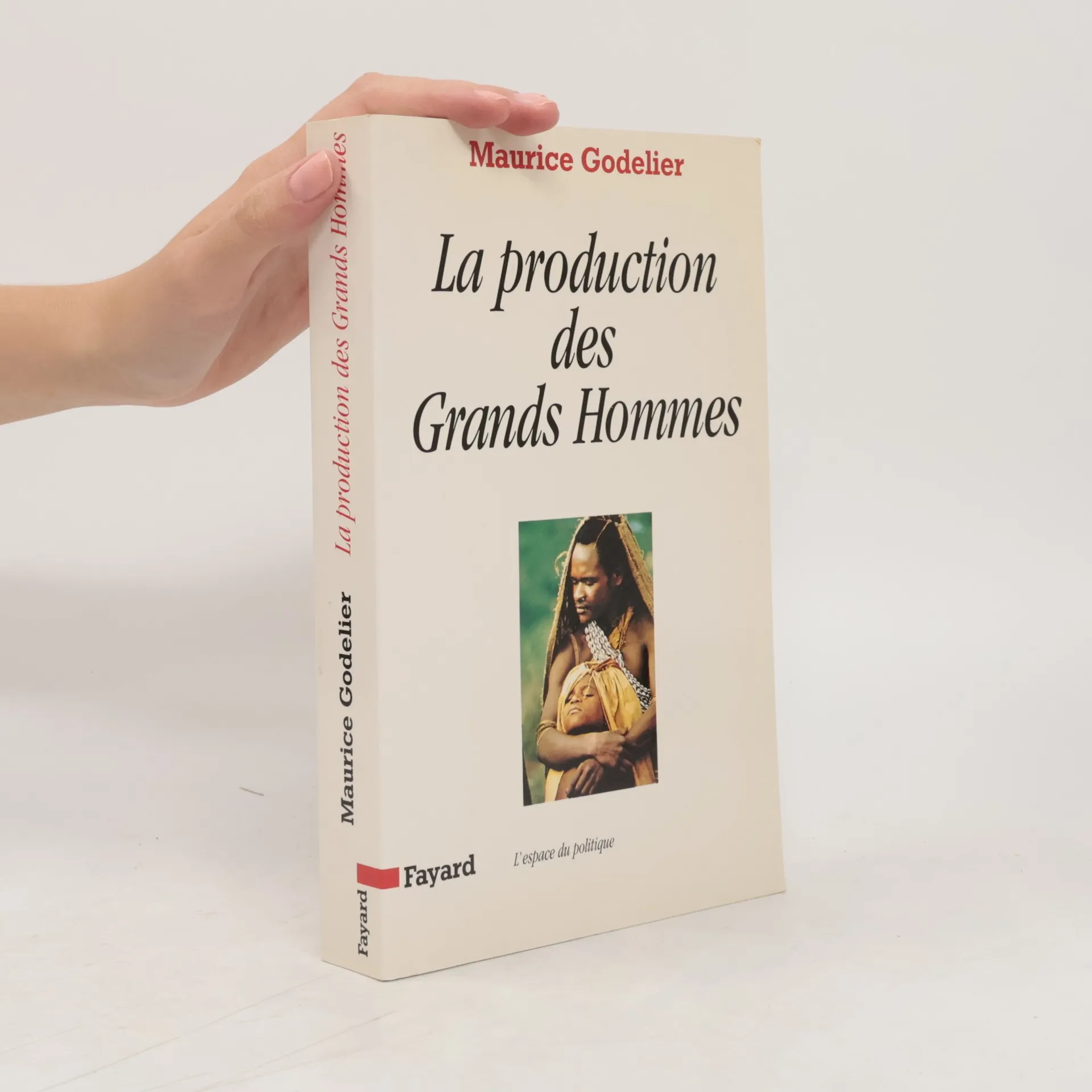
La production des grands hommes
pouvoir et domination masculine chez les Baruya de Nouvelle-Guinée
- 389pagine
- 14 ore di lettura
Les Baruya sont une société tribale de Nouvelle-Guinée, découverte en 1951 seulement, et qui, à cette époque, abandonnait ses outils de pierre pour des haches et des machettes d'acier dont elle ignorait totalement la provenance. En 1975, la Nouvelle-Guinée devint indépendante, et les Baruya se retrouvèrent citoyens d'un État membre des Nations unies. Maurice Godelier a effectué chez eux de fréquents et longs séjours à partir de 1967, alors que les principes de l'organisation traditionnelle de leur société étaient encore présents dans toutes les mémoires des Baruya. Il nous livre, dans cet ouvrage classique, une fascinante reconstitution de leur ancien mode de vie ainsi que l'analyse des transformations qui ont suivi l'instauration de l'ordre colonial, l'arrivée du marché et de l'argent, celle des missionnaires et du christianisme. On y voit cette petite société, productrice de Grands Hommes, s'intégrer peu à peu dans le nouvel ordre mondial.
Das Inzestverbot
- 112pagine
- 4 ore di lettura
Der französische Anthropologe Maurice Godelier beleuchtet in seinem Gespräch mit Camille Kouchner das Inzestverbot als Schlüssel zur Analyse sozialer Hierarchien, Sexualität und Geschlechterrollen in nicht-westlichen Gesellschaften. Durch eine umfassende Reise durch Zeit und Raum zeigt er auf, wie diese Konzepte unterschiedlich konstruiert und gelebt werden, und eröffnet damit neue Perspektiven auf kulturelle Praktiken und soziale Strukturen.
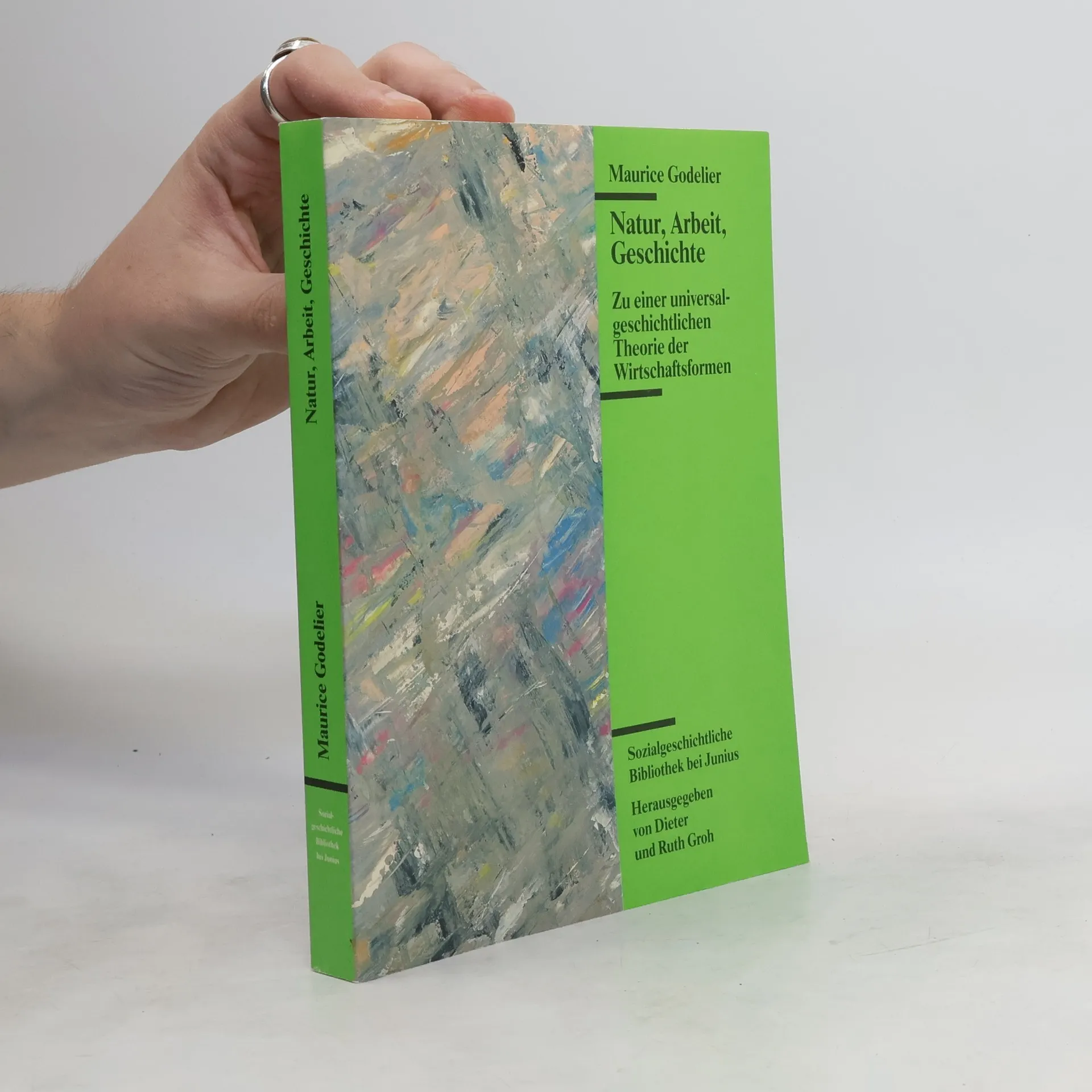
Natur, Arbeit, Geschichte
- 279pagine
- 10 ore di lettura
Was unterscheidet den Verkauf vom Austausch von Gaben? Diese scheinbar einfachen Fragen eröffnen tiefere Einblicke in die Struktur einer Gesellschaft. Ethnologen wie Marcel Mauss und Claude Levi-Strauss haben gezeigt, dass das Verständnis der Funktion der Gabe entscheidend ist. Maurice Godelier entwickelt in diesem Werk eine umfassende Theorie der Gabe, die auch für moderne Gesellschaften relevant ist. Er konzentriert sich nicht auf die Dinge, die gegeben oder verkauft werden, sondern auf das, was behalten wird – insbesondere heilige Objekte. Durch die Neubewertung der Praktiken des Potlatch und des Kula, die Mauss analysierte, zeigt Godelier, dass die Rätsel, vor denen Mauss stand, lösbar sind: Man kann Dinge geben und sie gleichzeitig behalten, indem man das Nutzungsrecht überträgt, während das Eigentum erhalten bleibt. Godelier erklärt auch, warum heilige Objekte nicht weggegeben werden können. Am Ende liefert er nicht nur eine Erklärung des Phänomens der Gabe, sondern auch eine Theorie über Gesellschaften. Jede Gesellschaft hat zwei Arten von Objekten: solche, die dem Austausch entzogen sind, und solche, die zirkulieren. Ohne ein Zentrum, das den Austausch ermöglicht, kann eine Gesellschaft nicht funktionieren. Diese Fragen sind von großer Bedeutung für das Fortbestehen moderner Gesellschaften, die möglicherweise durch den dominierenden Markt bedroht sind.
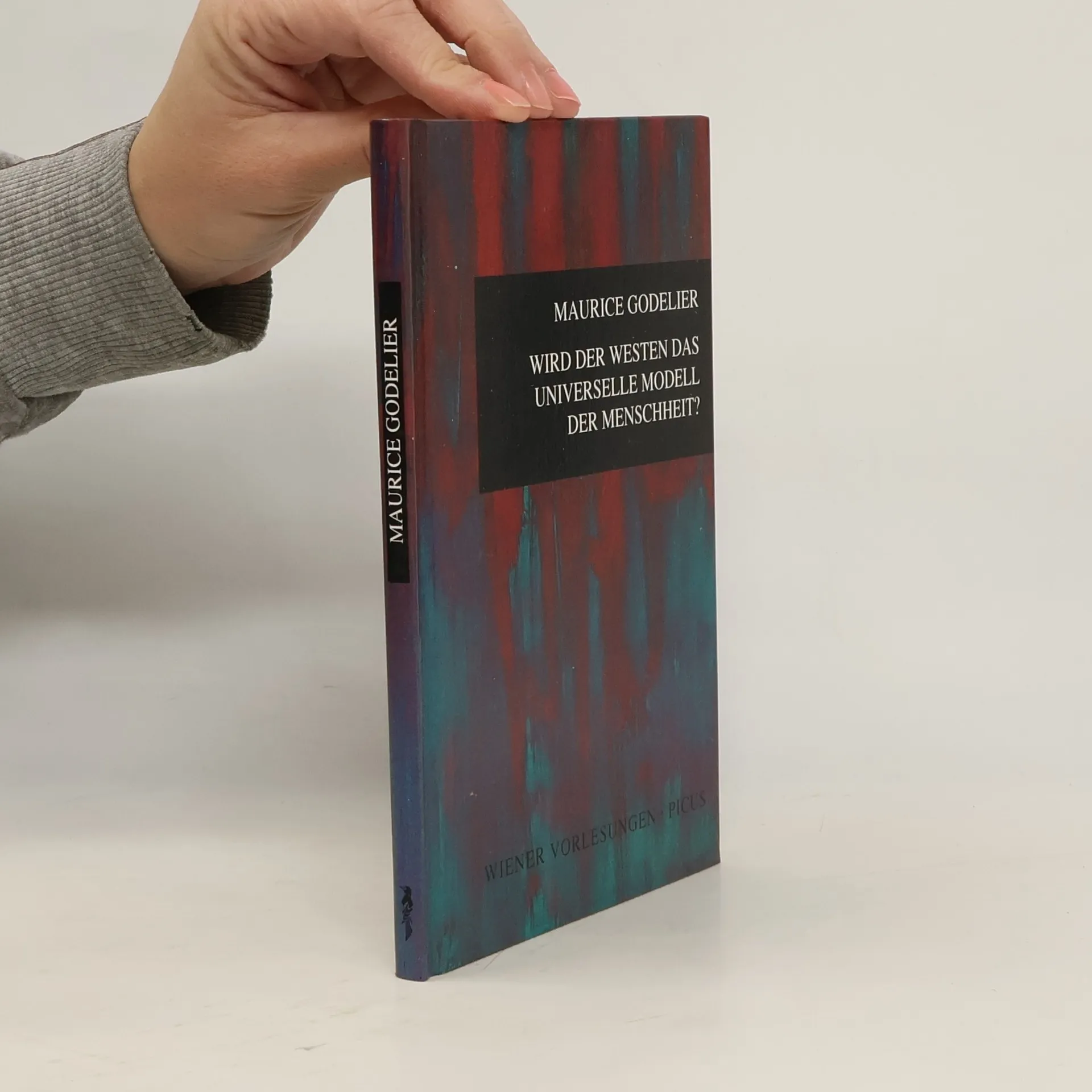
Wird der Westen das universelle Modell der Menschheit?
- 64pagine
- 3 ore di lettura
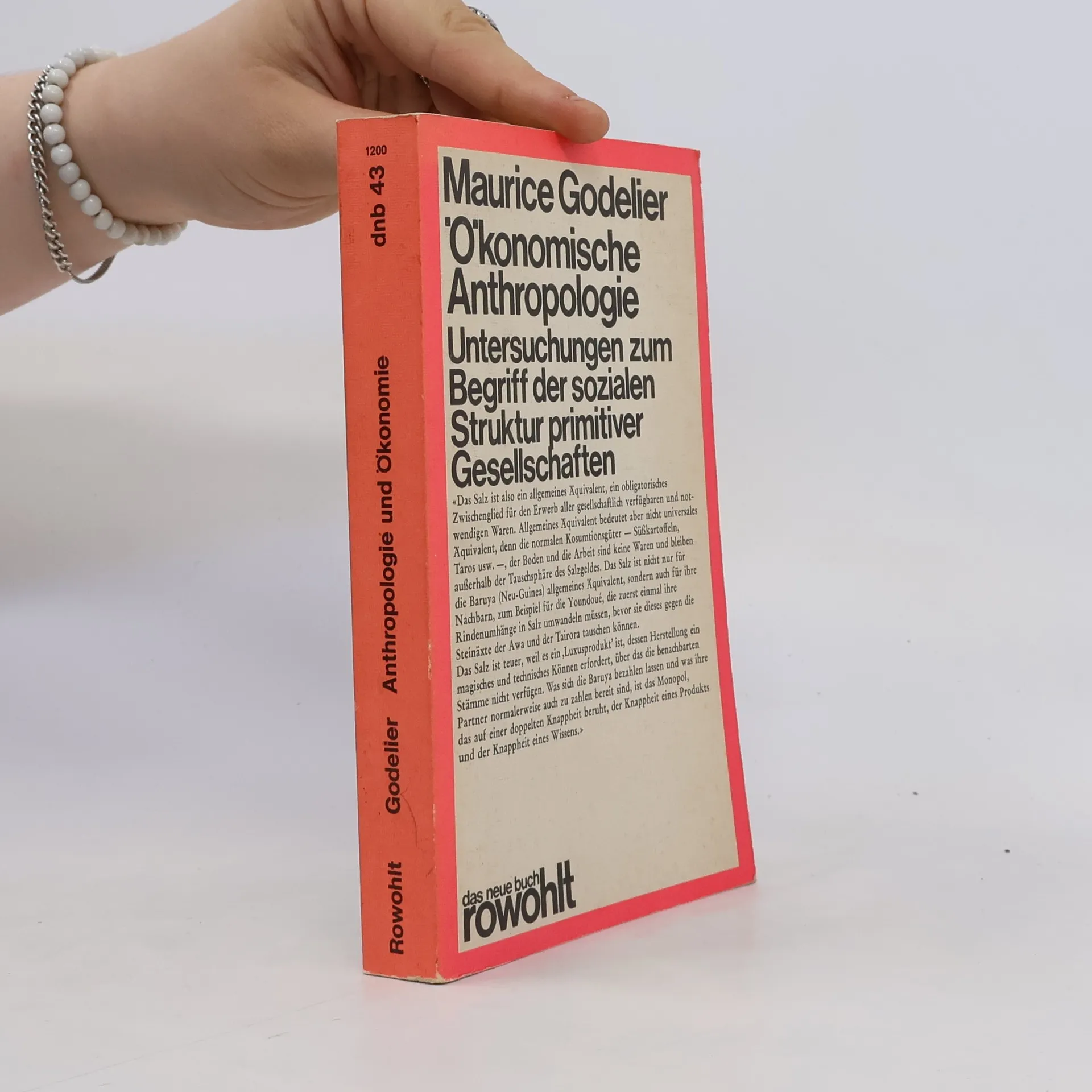
Ökonomische Anthropologie
- 318pagine
- 12 ore di lettura
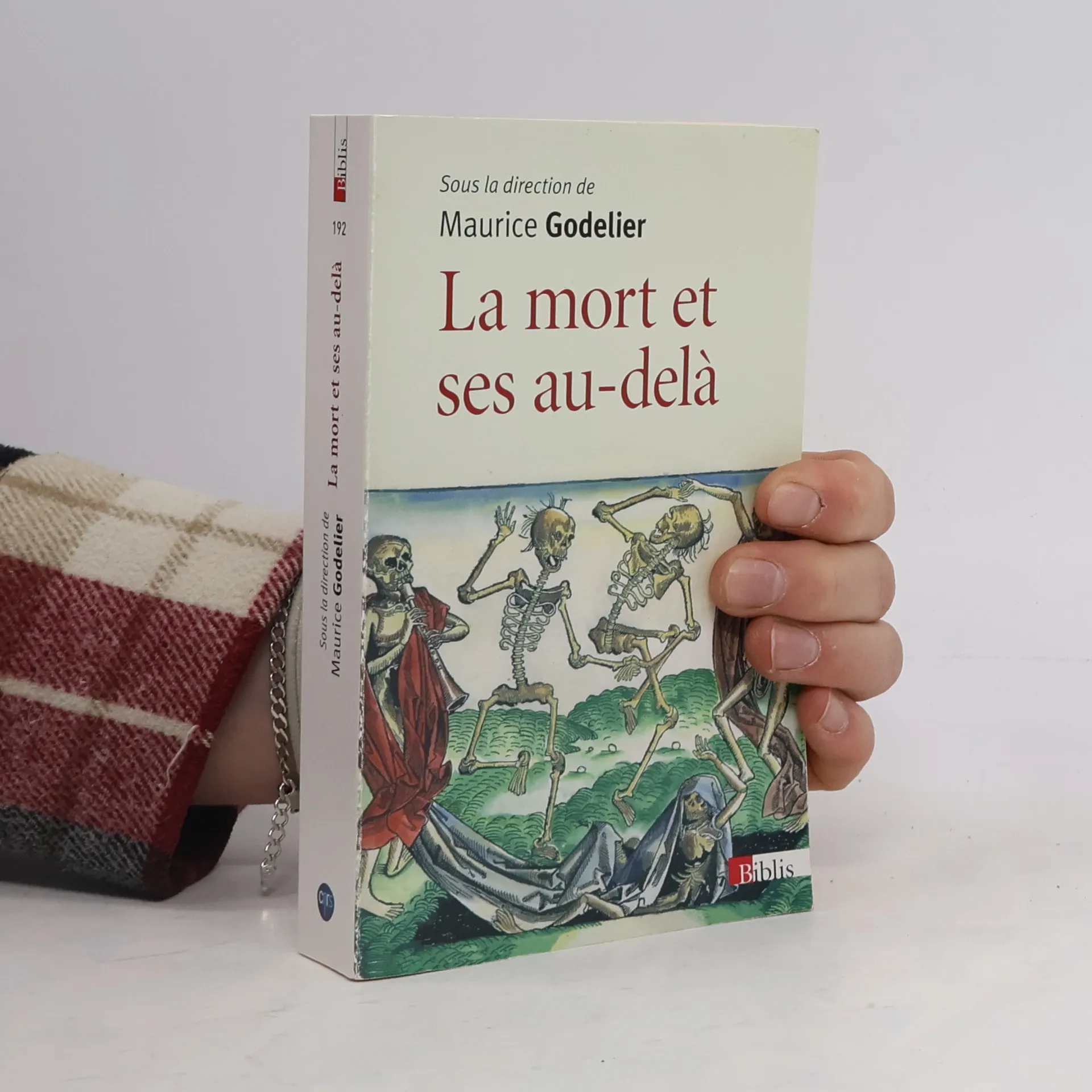
Biblis - 192: La mort et ses au-delà
- 410pagine
- 15 ore di lettura
La variété des conceptions de l'au-delà révèle combien la question du trépas constitue l'un des fondements des sociétés humaines. Comment celles-ci se représentent-elles l'acte même de mourir ? A quelles nécessités sociales ou religieuses répondent l'inhumation, la crémation ou la momification des dépouilles ? Quelles que soient les formes qu'elles revêtent, les funérailles témoignent toujours de la volonté de préparer la vie du défunt dans un autre monde. C'est ce que nous confirme cet ouvrage à travers l'étude de sociétés aussi diverses que celles de la Grèce et de la Rome antiques, du Moyen Age chrétien, de la Chine ou de l'Inde. Il montre l'extraordinaire créativité des hommes dans leur face-à-face avec la mort, qu'ils soient juifs, musulmans, bouddhistes, amérindiens ou mélanésiens. Mais au-delà des imaginaires et des rites qui distinguent toutes ces cultures, un socle invariant les réunit : dans toutes les religions, monothéistes ou polythéistes, tribales ou universelles, la mort ne s'oppose pas à la vie, mais à la naissance. La vie continue, croit-on, après la mort.