Bookbot

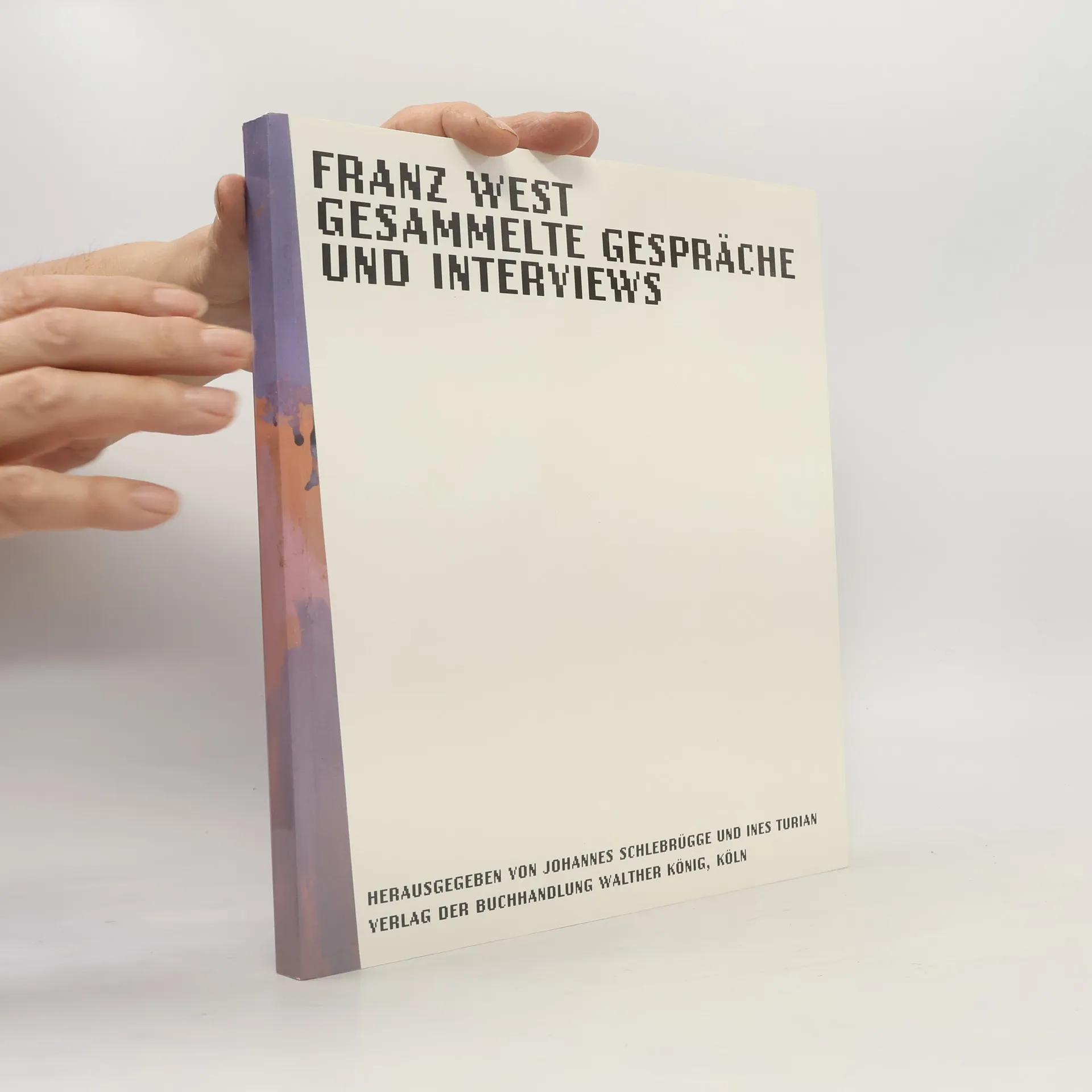
Franz West

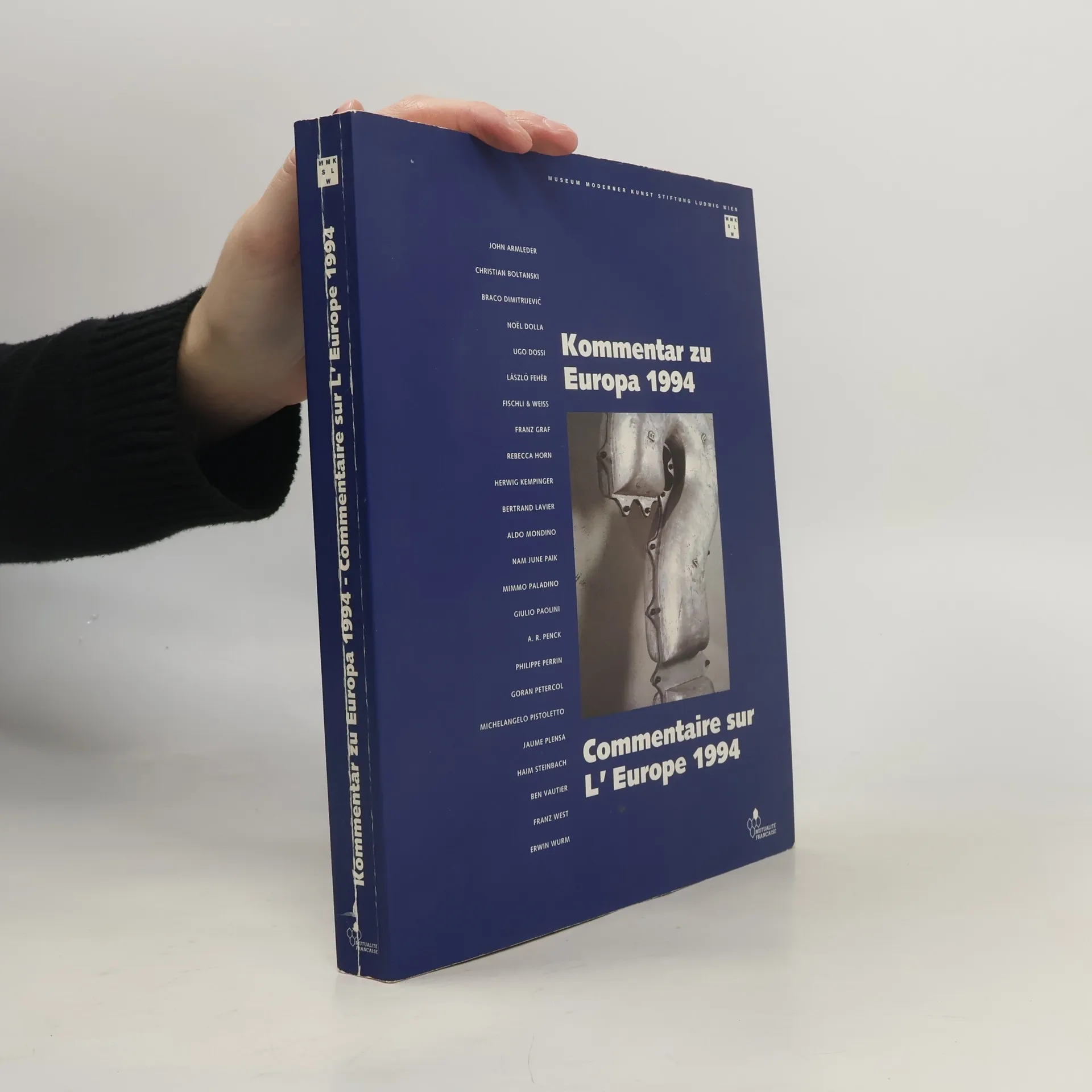
    Kommentar zu Europa 1994
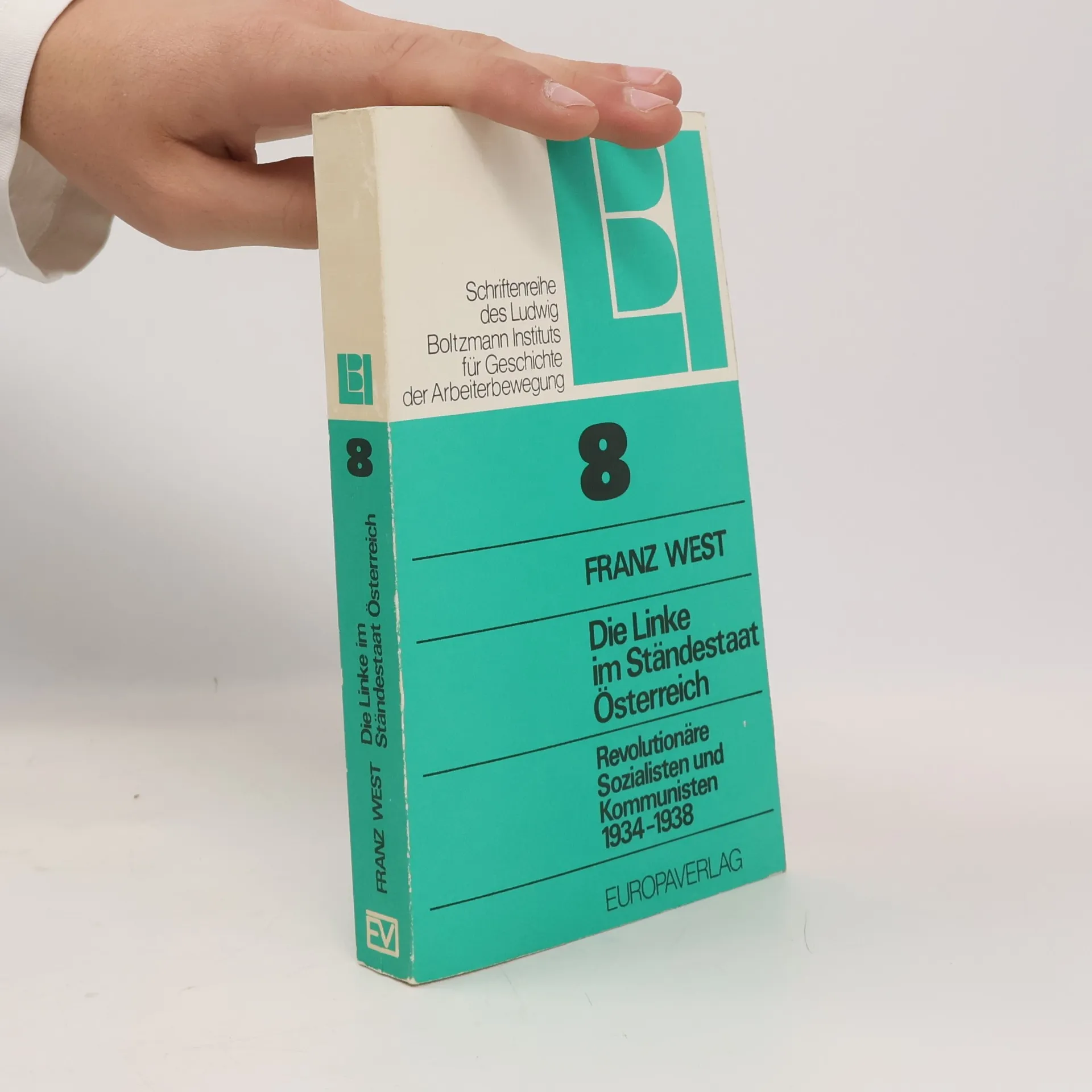
    Die Linke im Ständestaat Österreich
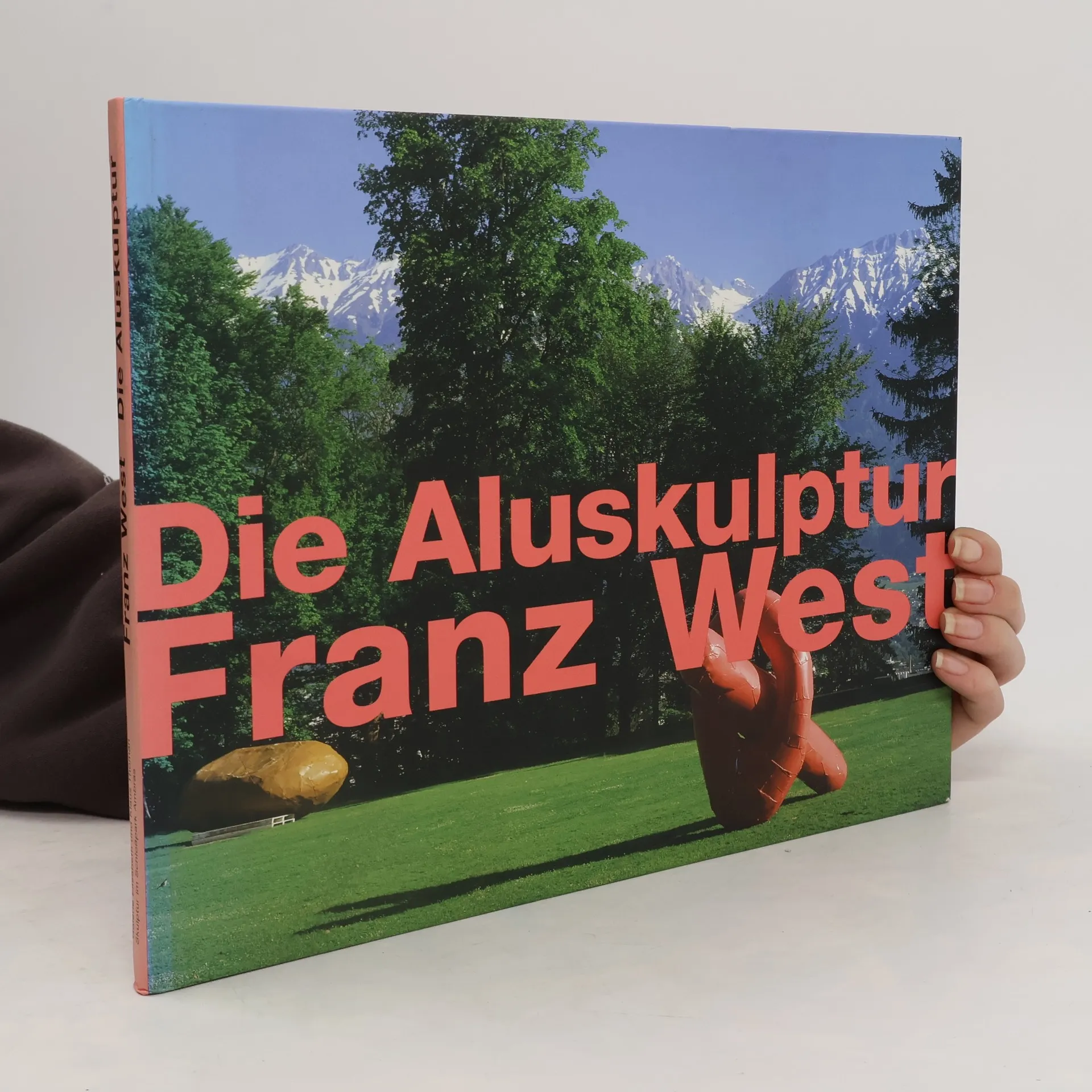
    Franz West, die Aluskulptur
    Franz West
    Extroversion
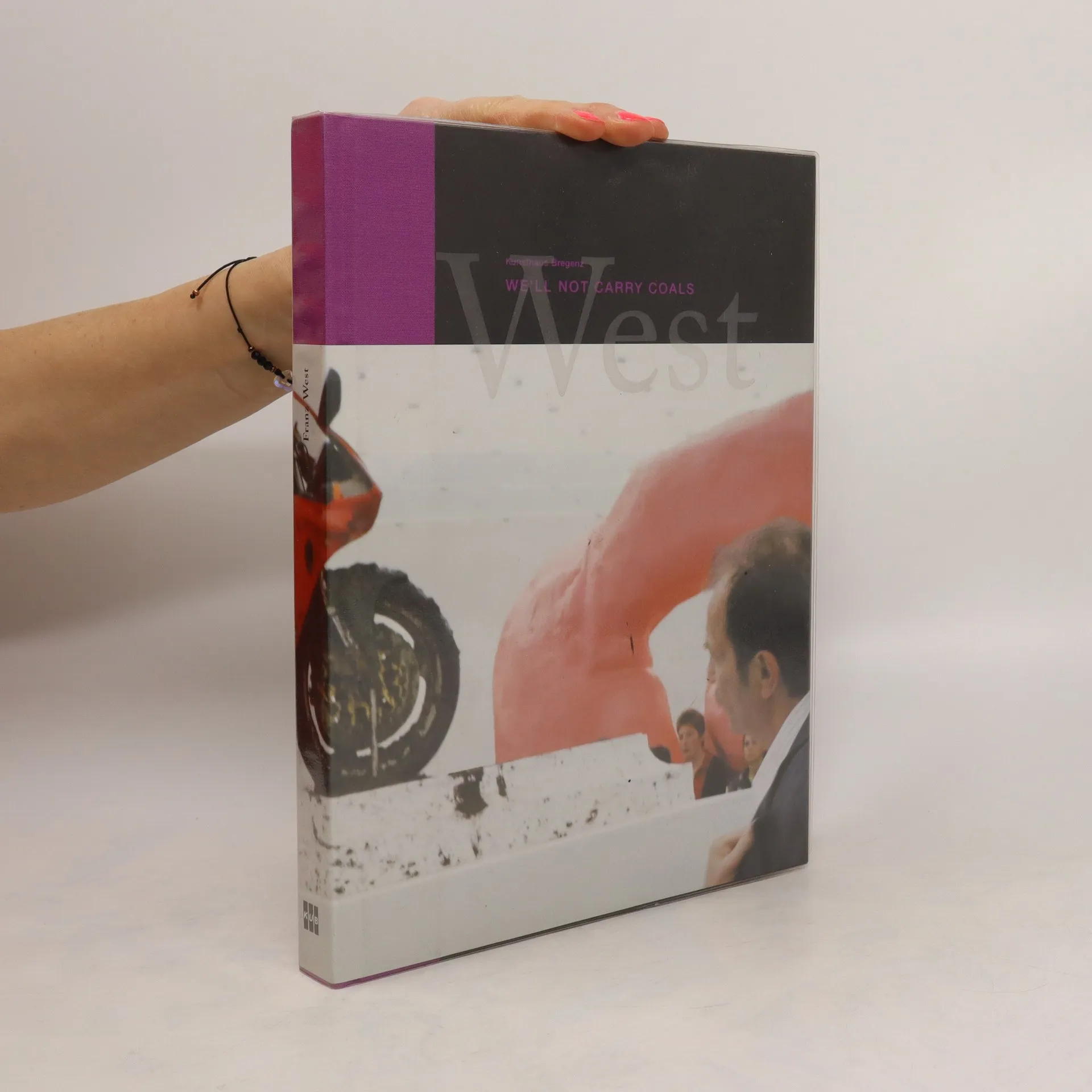
    We'll not Carry Coals
    • We'll not Carry Coals

      • 285pagine
      • 10 ore di lettura

      Dieser Band ist ein Parcours durch das Werk Franz Wests: In vier groß angelegten Kapiteln mit unterschiedlichen Papierqualitäten geht der Leser dieses luxuriösen Bandes auf die Reise. In jedem Kapitel findet sich eine andere Station, man betritt Wests Werk mit den berühmten „Paßstücken“ und frühen Installationen, geht weiter zu mehr als 50 bislang unveröffentlichten Collagen aus dem Privatbesitz des Künstlers, sieht dann die Arbeiten aus der Werkgruppe „Sisyphos“ (2002), drei neue „Placebos“ (2003) sowie Installationen aus den Jahren 1998–2003. Schließlich beeindruckt im vierten und letzten Kapitel das neueste Projekt des Künstlers: die Krone. West nennt seine Arbeit denn auch „Corona“.
      We'll not Carry Coals
      4,0
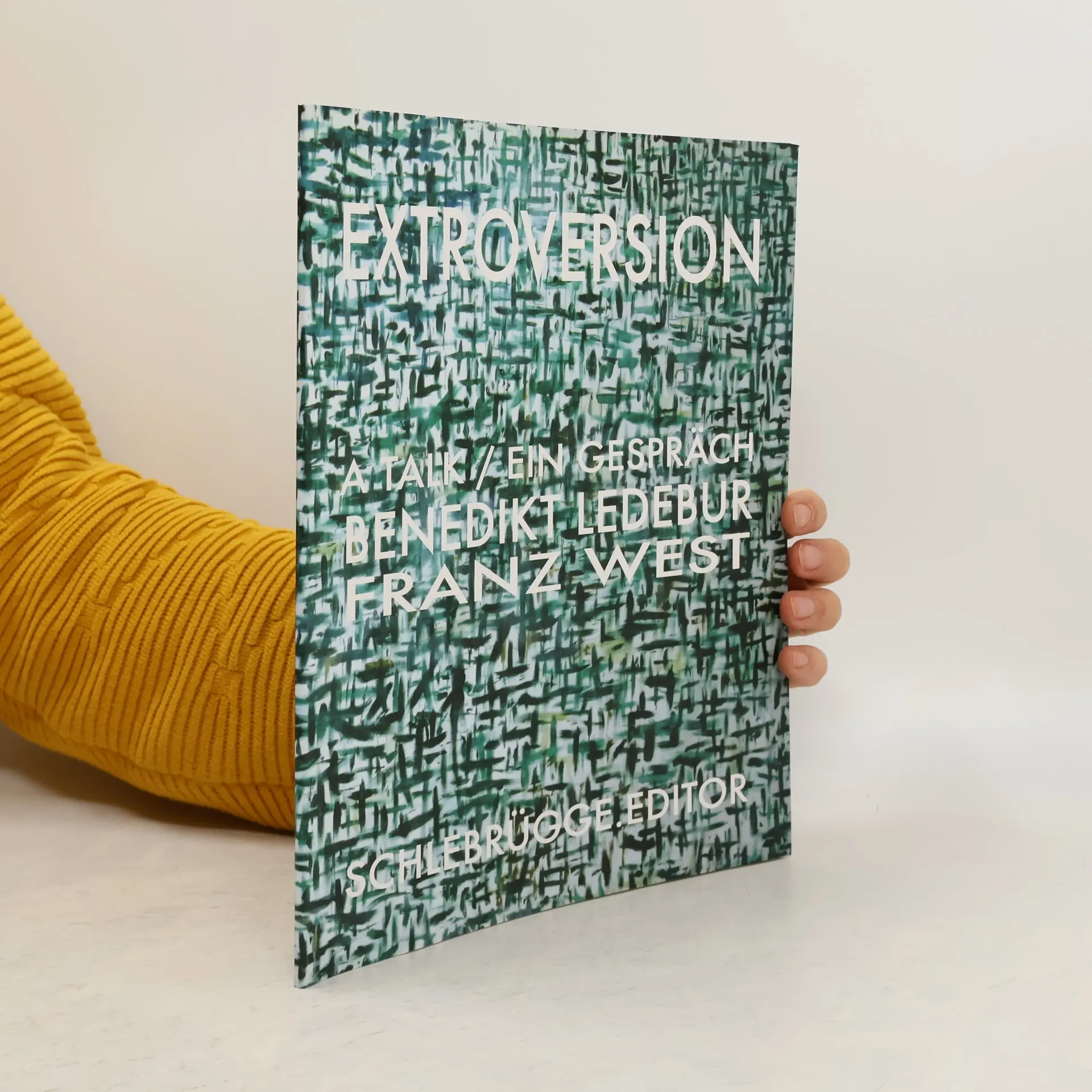
    • Extroversion

      Franz West - Benedikt Ledebur. A Talk

      • 40pagine
      • 2 ore di lettura

      EXTROVERSION erscheint anlässlich der Beteiligung von Franz West an der Ausstellung ILLUMInations, kuratiert von Bice Curiger im Rahmen der 54. Biennale di Venezia 2011. Für diese Installation transferiert West die Küche seines Wiener Studios nach Venedig, dreht den Raum dem Aussen zu und kreiiert dadurch einen Parapavilion. Die Küche ist der Ort, in dem West eine Sammlung von Kunstwerken seiner Assistenten, Freunde und Kollegen (u. a. Michelangelo Pistoletto, Otto Mühl, Sarah Lucas, Urs Fischer, Gelitin, Jean-Marc Bustamante) beherbergt. Das Gespräch zwischen Franz West und dem Philosophen Benedikt Ledebur dreht sich um Wittgenstein und Heidegger, Sprache und Raum, „Die Demokratie des Hässlichen“ in der Kunst und dem menschlichen Bedürfnis zu philosophieren.

      Extroversion
    • Franz West

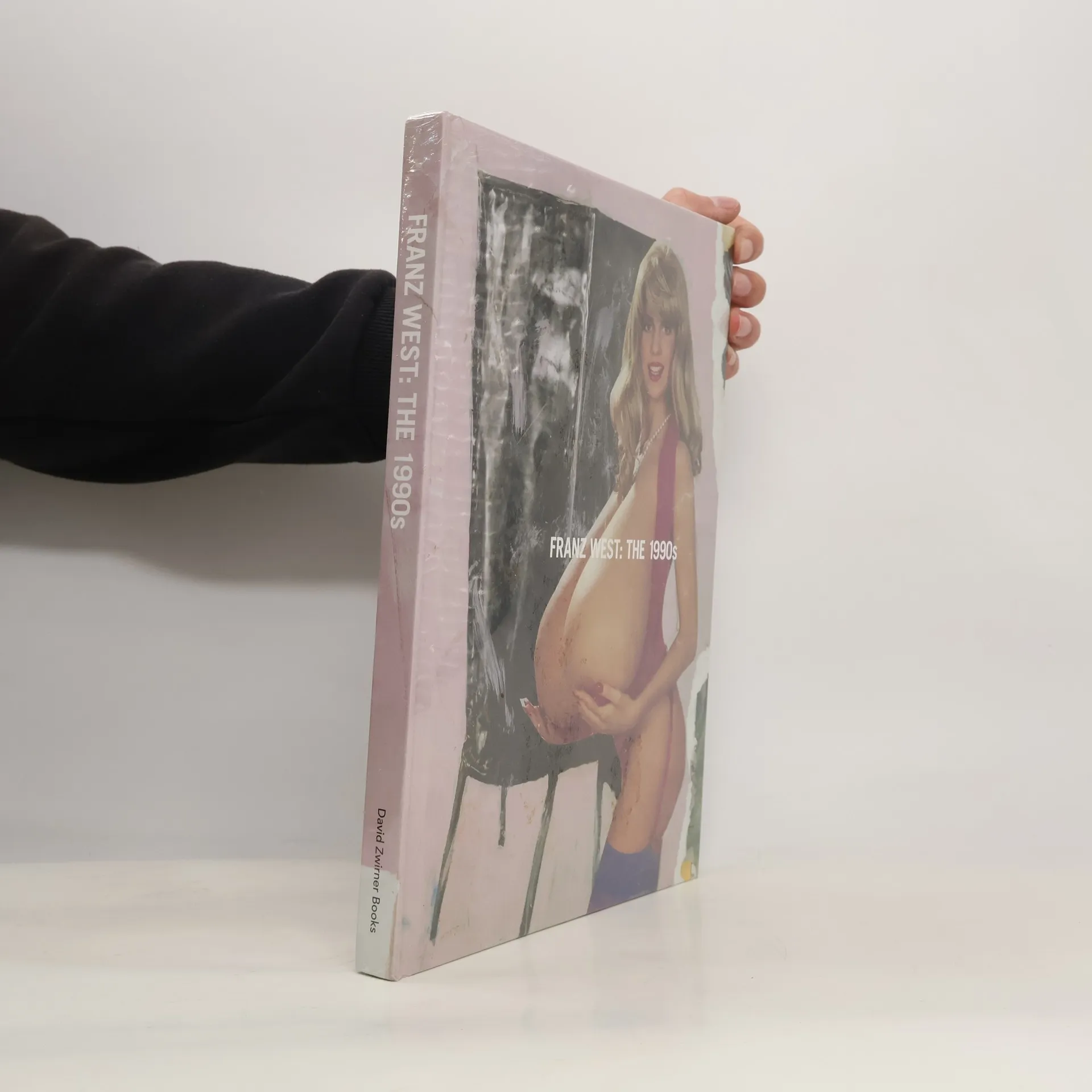
      The 1990s

      • 138pagine
      • 5 ore di lettura

      During the 1990s, Franz West’s work moved in new and innovative stylistic directions, as his career was solidified through important international exhibitions. This publication delves into this significant decade in an effort to contextualize the evolution of West’s singular practice. The 1990s proved critical in the development of the idiosyncratic style for which West is still known today. His key innovations from this period—which included the addition of exuberant color to his papier-mâché forms, the incorporation of furniture both as art object and as social incubator, and the inclusion of work by other artists in his own installations—resulted in dynamic, frequently interactive installations that helped to expand the possibilities of sculpture and the ways in which art is experienced. Produced on the occasion of David Zwirner’s 2014 exhibition in New York, this fully illustrated publication gives an in-depth overview of the decade, arguably the most important of the artist’s lengthy career. It features essays by noted West scholars Eva Badura-Triska and Veit Loers, as well as a personal account by Bernhard Riff on video collaborations made with the artist throughout the 1990s.

      Franz West