
Bookbot

Lester C. Thurow

    Lester Thurow è un economista di spicco le cui opere approfondiscono le intricate relazioni tra economia, politica e società. Le sue analisi si concentrano spesso sulla competizione economica internazionale, confrontando diversi modelli di coinvolgimento governativo nell'economia e sostenendo approcci influenti che modellano il discorso globale. Lo stile di Thurow è riconosciuto per la sua chiarezza e la sua capacità di rendere accessibili concetti economici complessi a un vasto pubblico. Attraverso i suoi scritti di impatto, ha contribuito a una comprensione più profonda delle future forze e sfide economiche globali.

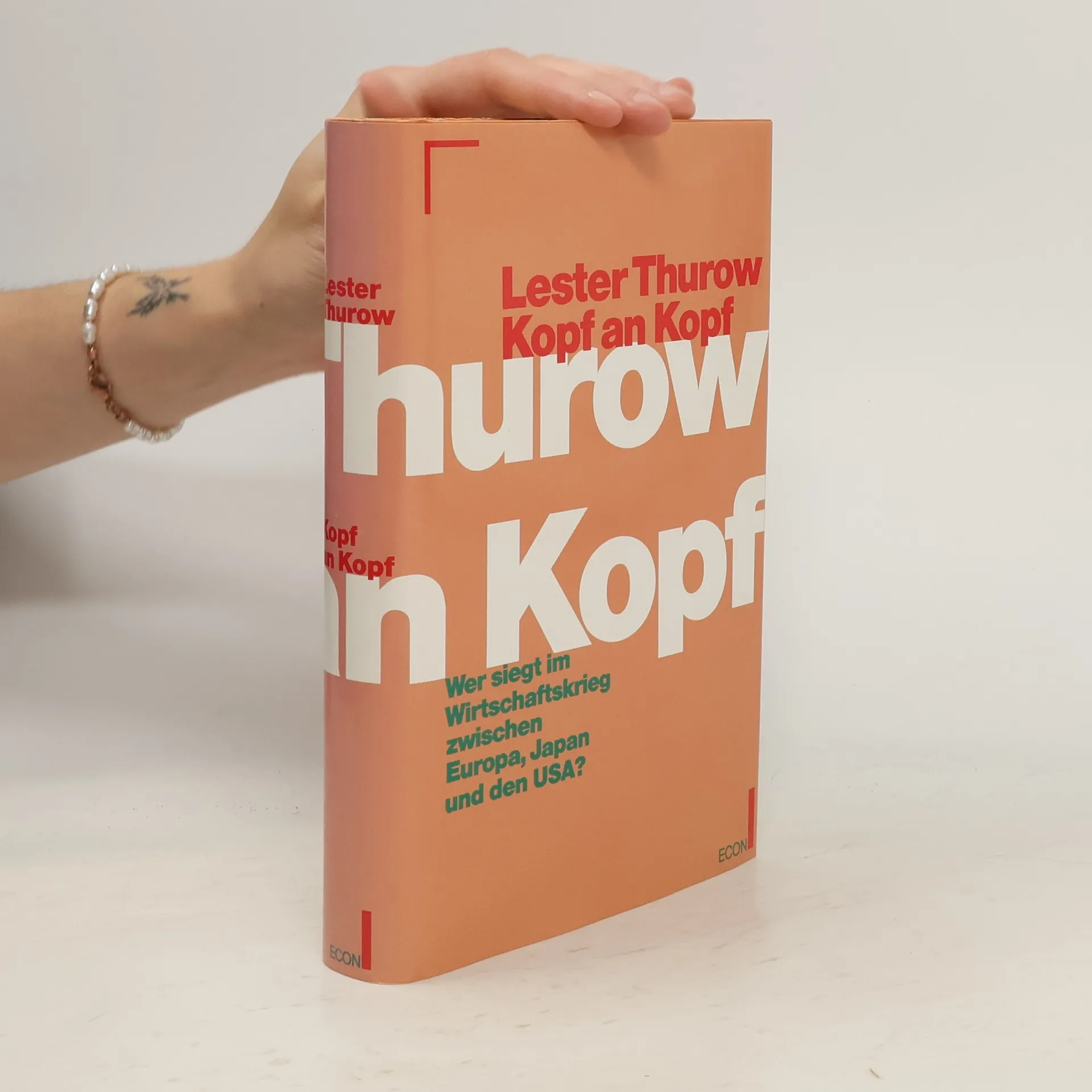
    Kopf an Kopf
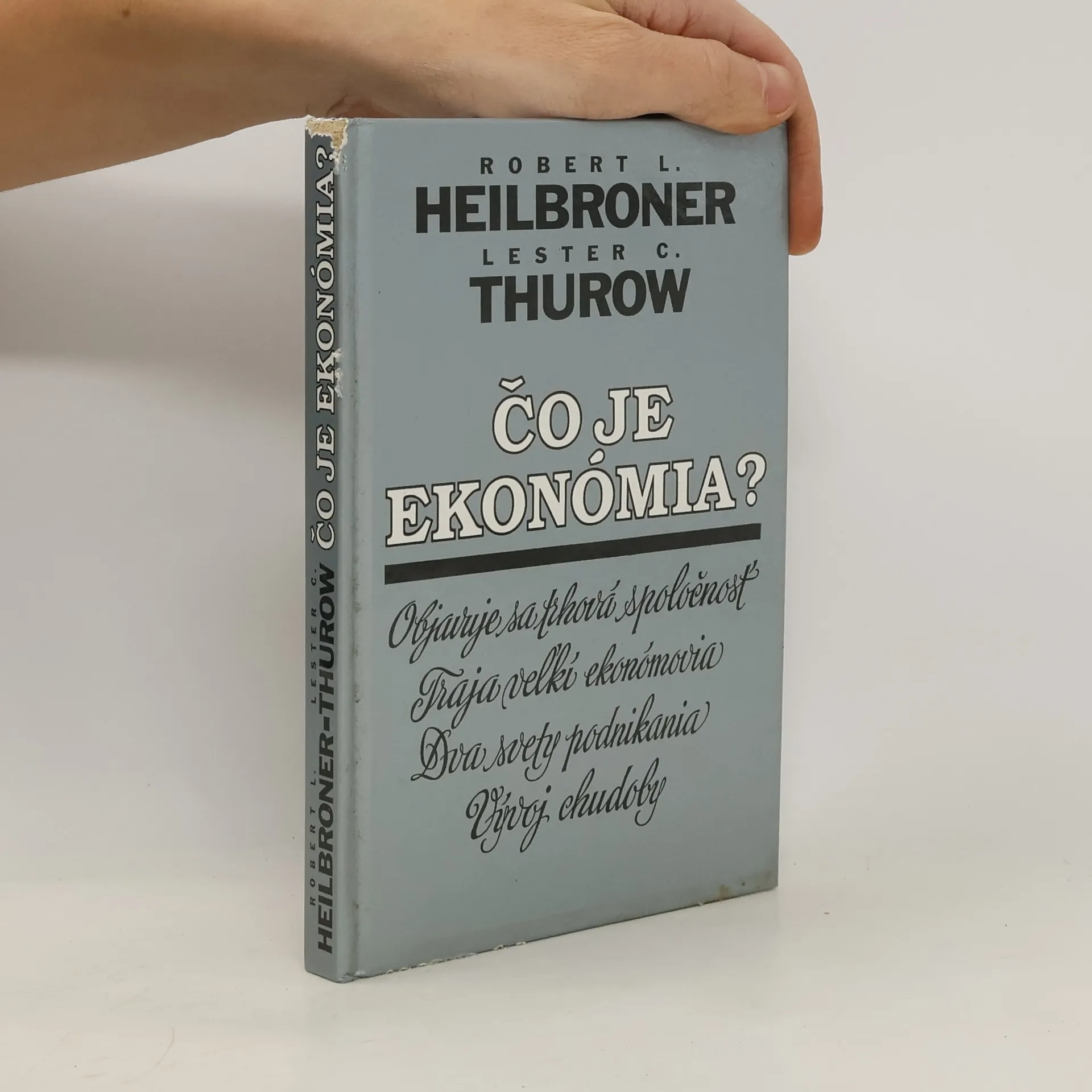
    Čo je ekonómia ?
    The Future of Capitalism: How Today's Economic Forces Shape Tomorrow's World
    Head to Head
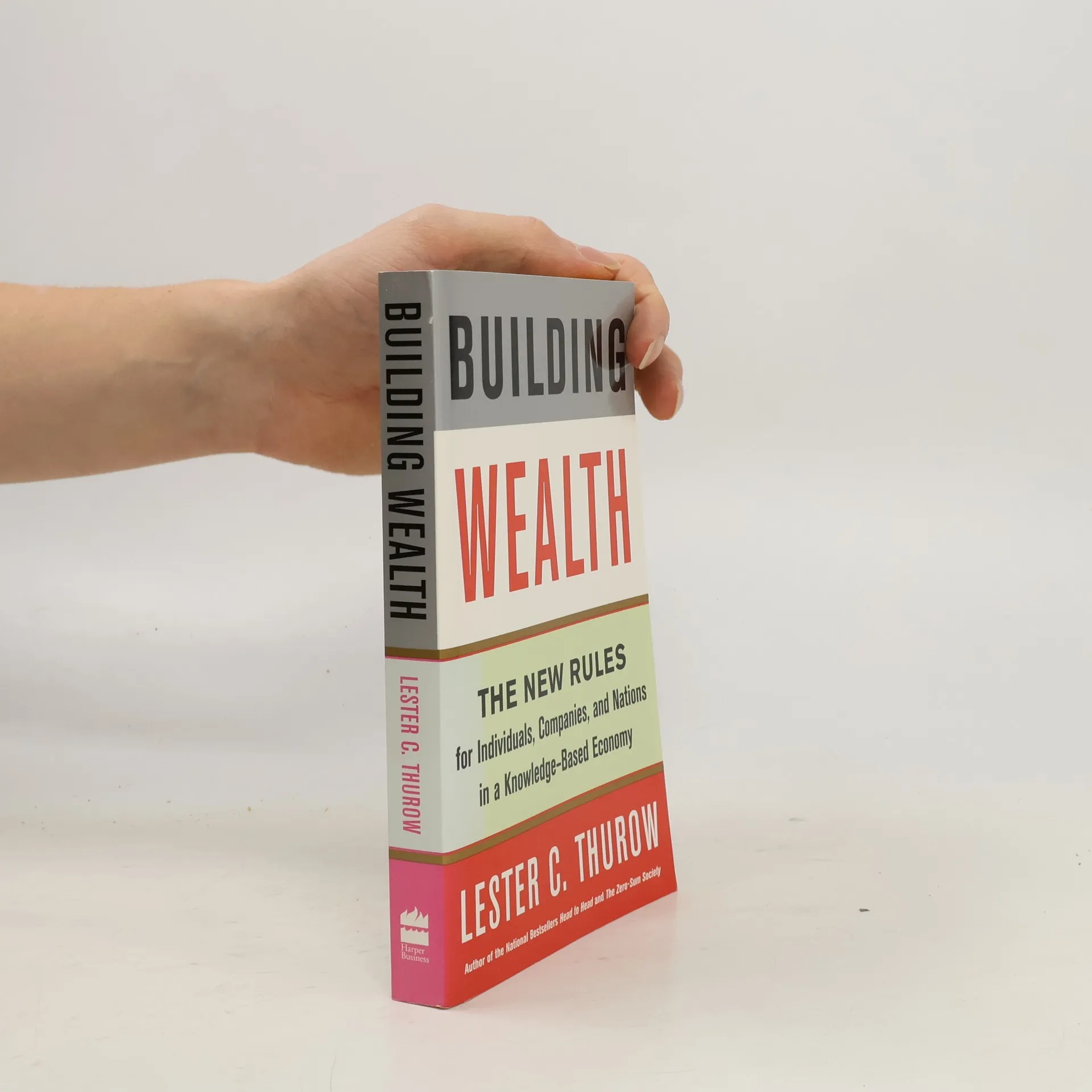
    Building Wealth
    Dangerous Currents
    • Building Wealth

      The New Rules for Individuals, Companies & Nations in a Knowledge-Based Economy

      • 336pagine
      • 12 ore di lettura

      There is no doubt that we are in the middle of a transition to a knowledge-based economy. Breakthrough technologies in microelectronics, biotechnology, new materials, telecommunications, robotics, and computers are fundamentally changing the game of creating wealth. While these new industries are growing explosively, existing industries such as banking and retail are being transformed beyond recognition. As a result, a new global economy is emerging to replace existing national economies. What will it take for individuals, companies, and entire countries to succeed in the new economics of the twenty-first century? Rather than focusing on spending, Lester C. Thurow argues that we must emphasize investment in basic knowledge, education, and infrastructure. Only by committing ourselves to building communal wealth can we maximize opportunities for building personal wealth as well. Building Wealth is an indispensable guide to surviving -- and thriving -- in the economies of the twenty-first century.
      Building Wealth1999
      3,7
    • Čo je ekonómia ?

      • 223pagine
      • 8 ore di lettura

      Objavuje sa trhová spoločnosť. Traja veľkí ekonómovia. Dva svety podnikania. Vývoj chudoby.

      Čo je ekonómia ?1994
      5,0
    • With the dismantling of the Berlin Wall in 1989 and the collapse of the USSR in 1991, the Cold War era ended, giving rise to a new economic struggle among three superpowers, each engaging in capitalism differently. The United States, now the second-largest economy, faces stagnation and escalating federal deficits, prompting Americans to recognize a pivotal moment. One of the nation’s leading economists offers a dynamic assessment of this evolving economic landscape, highlighting the competition's new rules, the strengths and weaknesses of each player, and the essential information needed to succeed. Surprises abound; success requires radical new skills and innovative thinking. For instance, the 1990s will not have clear winners, but the inability to cooperate with adversaries could lead to destruction. A reevaluation of essential resources is crucial for thriving in this environment before the year 2000. Seven key industries are identified as vital for maintaining a high standard of living, raising questions about how to sustain competitiveness in these sectors. Education emerges as the most powerful tool in this new economic warfare, emphasizing the need to close the education gap. Additionally, fostering teamwork in unfamiliar ways is essential for Americans to adapt and succeed.

      Head to Head1992
      1,5
    • Dangerous Currents

      • 259pagine
      • 10 ore di lettura

      A leading liberal economist presents a critique of recently ascendant conservative economic theories, arguing that none of these theories offers an accurate picture of economic realities

      Dangerous Currents1983
      3,0