Ernst Beutler Libri
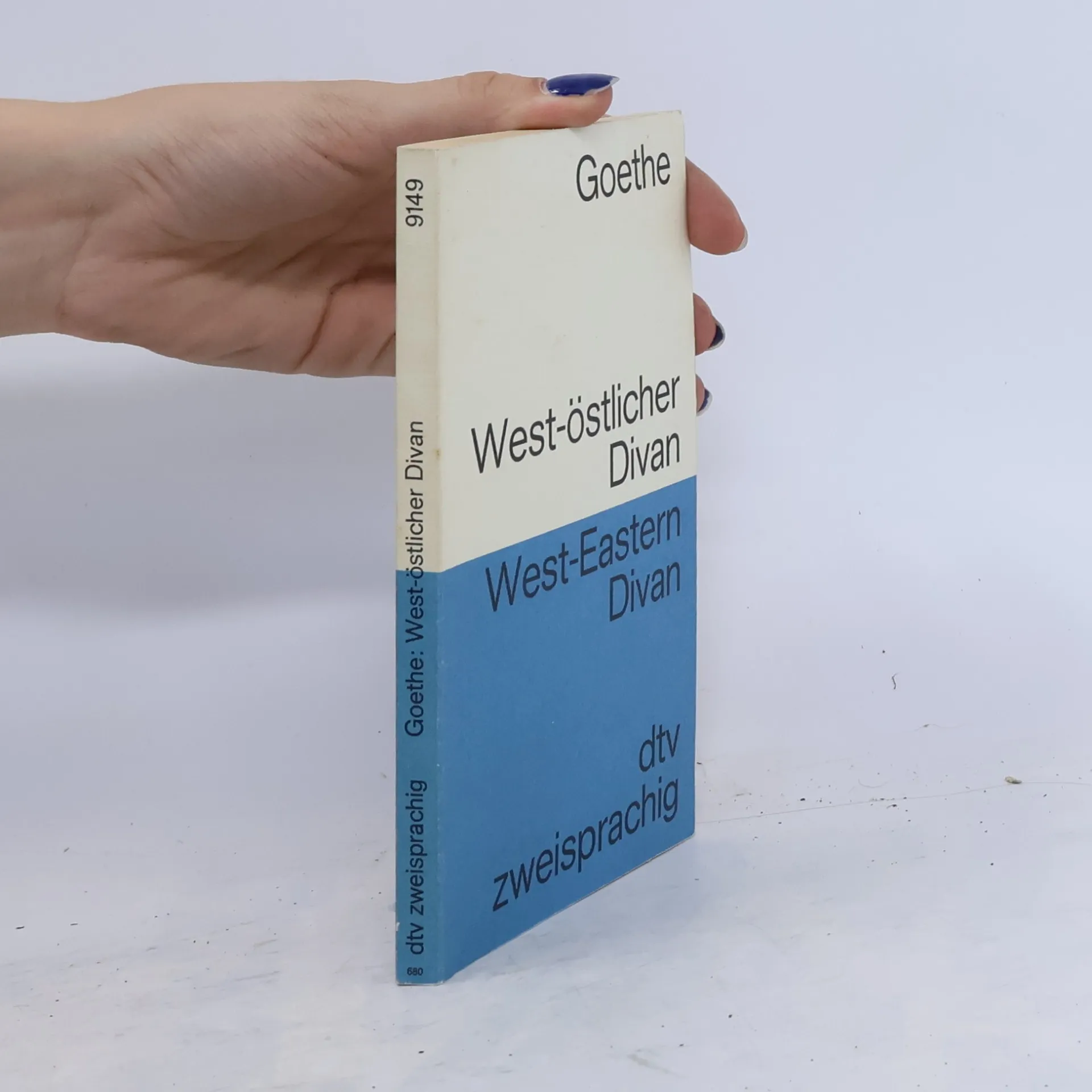
West-östlicher Divan
- 203pagine
- 8 ore di lettura
The Persian poet Hafiz, a lover of language, embodies in his 14th-century Diwan the "bride of words," mystically celebrating God, wine, and love. Johann Wolfgang von Goethe adopted this image in 1814, presenting it as a motto for his work in the West-Eastern Divan, highlighting his homage to Hafiz. In his engagement with Hafiz, Goethe creates a sensual piece of world literature that encompasses the entire spectrum of literary possibilities. He marries everyday and elevated speech, euphoric and ironic tones, seeking the "intoxication of love, song, and wine" within the harem of words. Particularly in the book Suleika, a masterpiece dedicated to the 30-year-old Marianne von Willemer, the connection between work and creator becomes evident: "Loving each other will be the bliss of paradise." Marianne contributed some of the most beautiful poems to Suleika, intensifying the dialogue between the young Suleika and the aged Hatem. Goethe's poetry is a rapturous declaration of love for poetry, uniting East and West, spirit and humor, youth and age.
Am grossen Hirschgraben
- 312pagine
- 11 ore di lettura