



Bookbot

Furio Jesi

    19 maggio 1941 – 17 giugno 1980
    Spartakus
    Secret Germany - Myth in Twentieth-Century German Culture
    Secret Germany
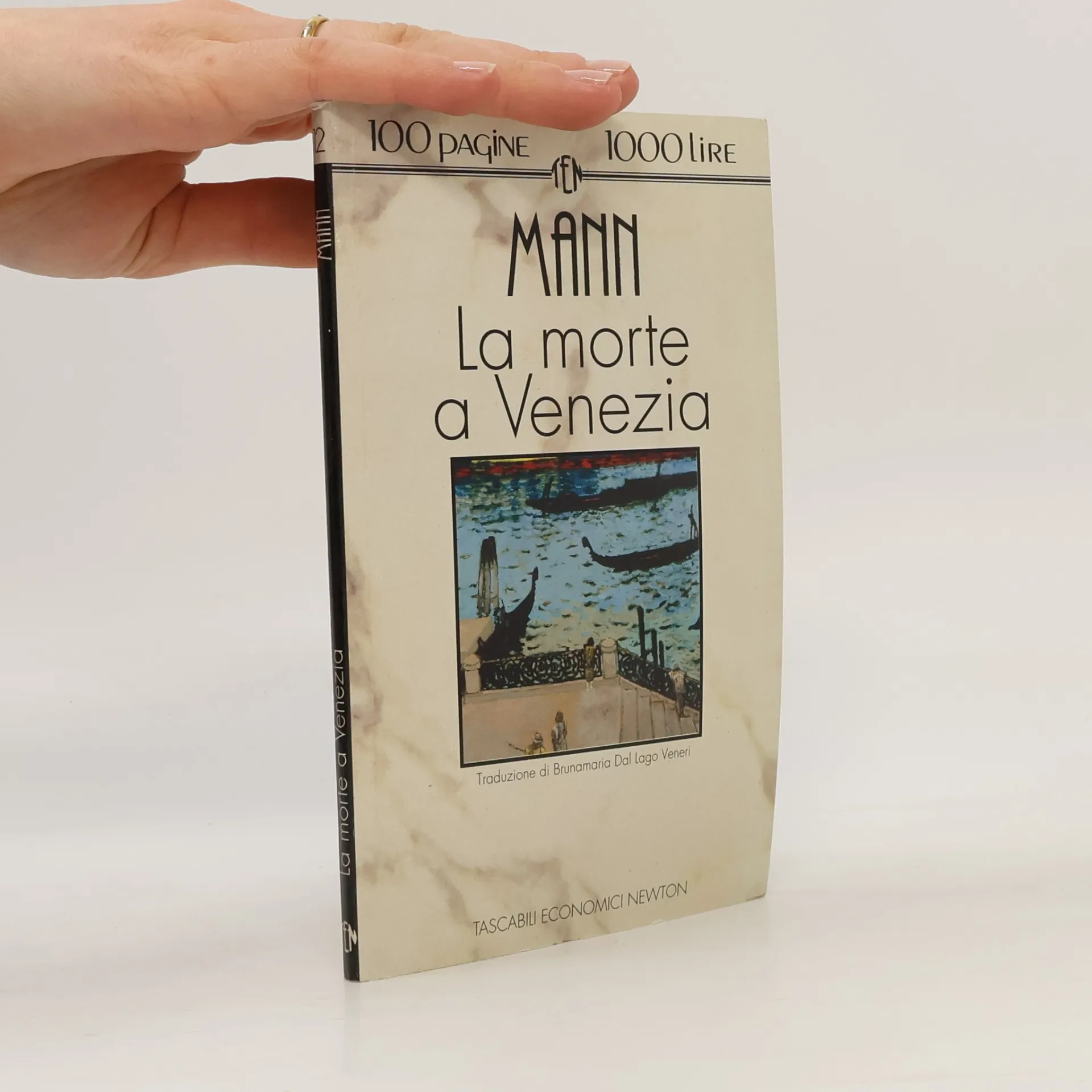
    La morte a Venezia
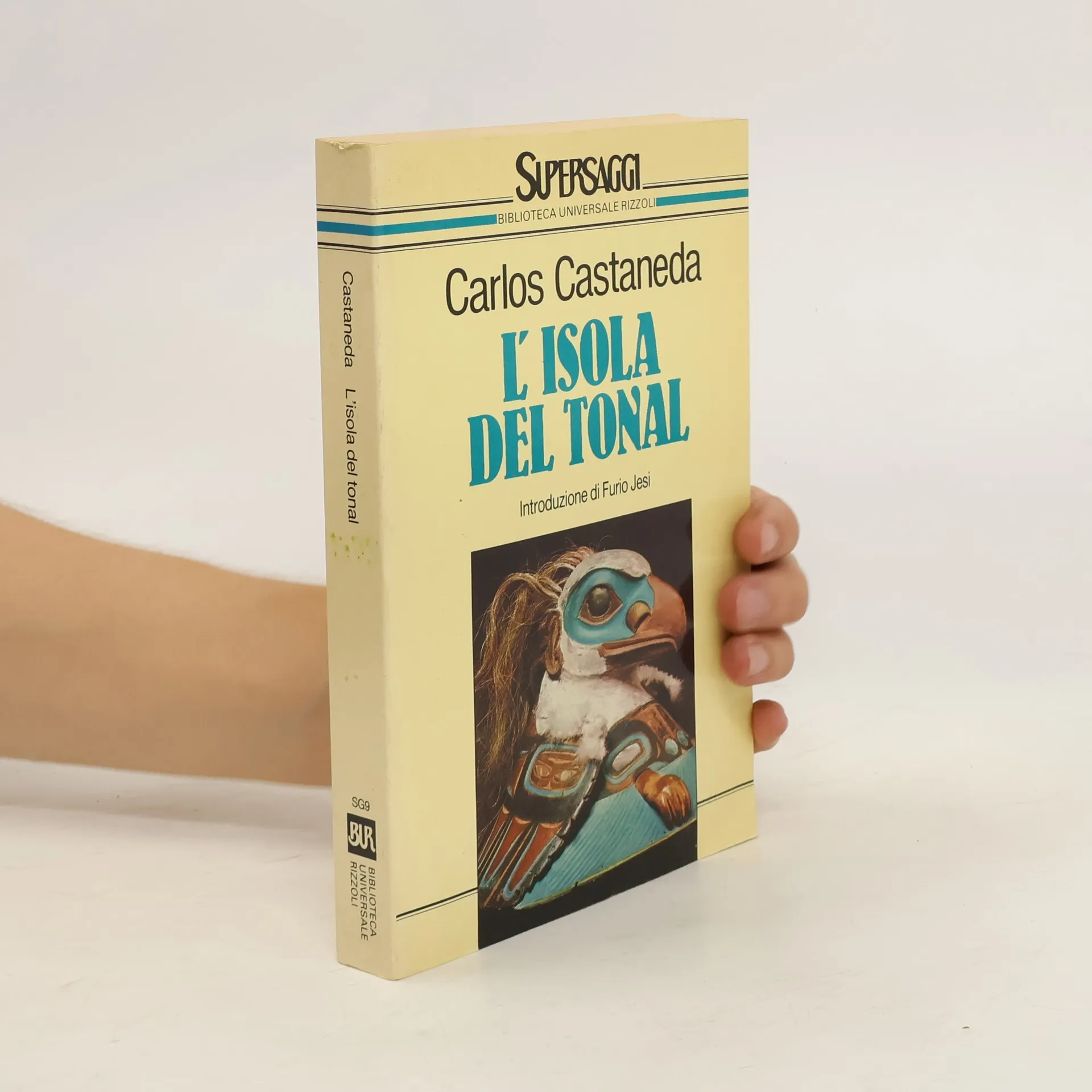
    L'isola del Tonal
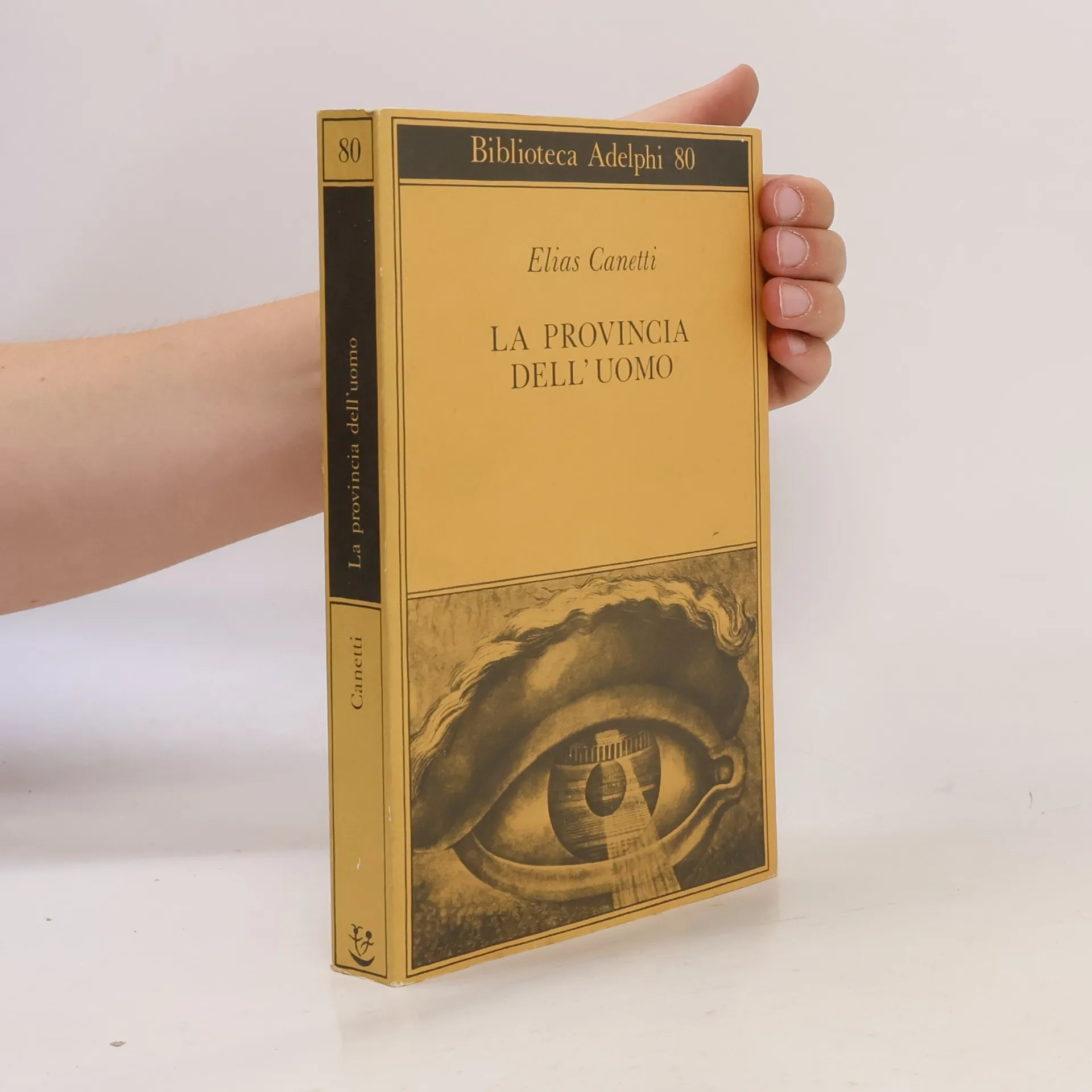
    Germania segreta
    • Spartakus

      • 180pagine
      • 7 ore di lettura

      A crucial text at the intersection of history and philosophy in twentieth-century Italy. On December 29, 1918, the Spartakus League, a Marxist revolutionary movement, rose up in Germany calling for an end to class rule by the bourgeoisie. Massive demonstrations followed and more than 500,000 Berliners took to the streets in January--only to be crushed by police and anticommunist paramilitary troops. Several leaders of the Spartakus League were killed and the revolt was quashed. Through a detailed reconstruction of the events of that bloody winter, historian and critic Furio Jesi recasts our understanding of a foundational political difference--revolt or revolution? Drawing on a deep reserve of literary sources like Brecht, Eliade, Dostoyevsky, and Mann, Jesi outlines a uniquely incisive phenomenology of revolt that distinguishes between the purposeful historical temporality of revolution and the suspension of time that marks a revolt. This edition also includes an essay on the politics of time and revolution by Rosa Luxemburg, a founding leader of the Spartakus League.


      Spartakus2024
    • An analysis of how a political myth is taken and treated as a metaphor that reflects how a country like Germany built its own destiny. In the decades before the rise of the Third Reich, "Secret Germany" was a phrase used by the circle of writers around the poet Stefan George to describe a collective political and poetic project: the introduction of the highest values of art into everyday life, the secularization of myth and the mythologization of history. In this book, Furio Jesi takes up the term in order to trace the contours of that political, artistic, and aesthetic thread as it runs through German literary and artistic culture in the period--which, in the 1930s, became absorbed by Nazism as part of its prophecy of a triumphant future. Drawing on thinkers like Carl Jung and writers such as Thomas Mann and Rainer Maria Rilke, Jesi reveals a literary genre that was transformed, tragically, into a potent political myth.

      Secret Germany - Myth in Twentieth-Century German Culture2023
    • Secret Germany

      • 296pagine
      • 11 ore di lettura

      An analysis of how a political myth is taken and treated as a metaphor that reflects how a country like Germany built its own destiny. In the decades before the rise of the Third Reich, "Secret Germany" was a phrase used by the circle of writers around the poet Stefan George to describe a collective political and poetic project: the introduction of the highest values of art into everyday life, the secularization of myth and the mythologization of history. In this book, Furio Jesi takes up the term in order to trace the contours of that political, artistic, and aesthetic thread as it runs through German literary and artistic culture in the period--which, in the 1930s, became absorbed by Nazism as part of its prophecy of a triumphant future. Drawing on thinkers like Carl Jung and writers such as Thomas Mann and Rainer Maria Rilke, Jesi reveals a literary genre that was transformed, tragically, into a potent political myth.

      Secret Germany2021
    • Die letzte Nacht

      Bibliothek der Nacht Band 2

      Vor vielen Jahrhunderten beherrschten die Vampire die Welt, nun leben sie im Verborgenen, in geheimen Kammern und unterirdischen Gängen. Bis sie eines Nachts das Zeichen ihres Herrn am Himmel erkennen, ein loderndes Flammenschwert, das ein neues Zeitalter ankündigt. In rasender Geschwindigkeit erobern die Vampire die Erde zurück, die Menschen müssen zusehen, wie ihre Städte verfallen und ihre Errungenschaften zerstört werden. Die Apokalypse steht bevor. Kann sich die Menschheit noch retten?

      Die letzte Nacht2015
      5,0
    • Il famoso scrittore tedesco Gustav Aschenbach, che ha basato la sua vita e l'intera opera sulla più ostinata fedeltà ai canoni classici dell'estetica e dell'etica, è spinto a Venezia da un misterioso impulso. Nell'attimo in cui balena sulla spiaggia del Lido la spietata bellezza del ragazzo polacco Tadzio, Aschenbach avverte il definitivo segno del destino: l'anelito allo sfacelo. La morte a Venezia (1913), oltre che un romanzo, è una cerimonia. Completa il volume un'appendice bibliografica.

      La morte a Venezia2009
      3,8
    • L'isola del Tonal

      • 393pagine
      • 14 ore di lettura

      Un docente universitario di etnologia decide di apprendere le arti esercitate dagli stregoni ma, per ben dieci anni, ha l'impressione di essere preso in giro da loro. Solo alla fine scoprirà che questo "imbroglio" è in realtà una tecnica di insegnamento, un modo diverso per avviarlo alla conoscenza. Questo libro narra la fase conclusiva dell'imbroglio e forma la sintesi dell'apprendistato.

      L'isola del Tonal1989
      4,1