Anatole France Libri
Anatole France, insignito del Premio Nobel per la Letteratura, si distinse per brillanti risultati letterari, uno stile nobile, profonda simpatia umana e grazia. Iniziò come poeta e giornalista, ma raggiunse la fama con romanzi che spesso incarnavano la sua prospettiva scettica ma acuta sulla natura umana. La sua opera satirizzava frequentemente la follia umana e i pregiudizi sociali con una prosa elegante e una profonda corrente filosofica. Opere successive esplorarono profonde questioni esistenziali e critiche dei dogmi, consolidando la sua reputazione come voce letteraria magistrale, sebbene talvolta controversa.






Great Novels of Anatole France
- 512pagine
- 18 ore di lettura
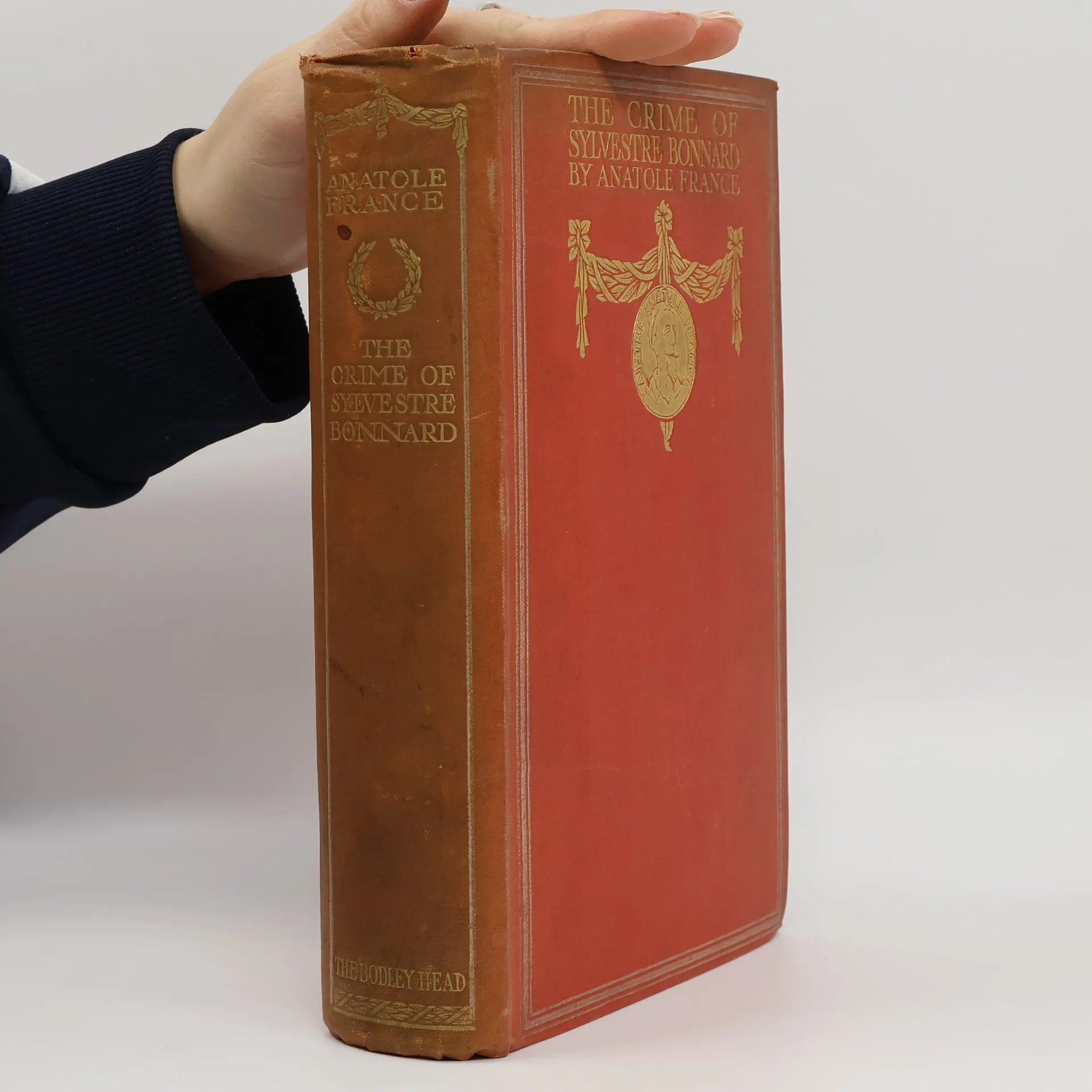
Set in 1890, this collection features three notable novels by Anatole France, a Nobel Prize-winning French author. "Penguin Island" offers a satirical take on society through the tale of a fictional island's inhabitants. "The Crime of Sylvestre Bonnard" explores themes of morality and obsession through the life of a bookish protagonist. "The Revolt of the Angels" presents a whimsical narrative about angels challenging divine authority. Translations are provided by A.W. Evans, Lafcadio Hearn, and Mrs. Wilfrid Jackson, showcasing France's literary prowess.
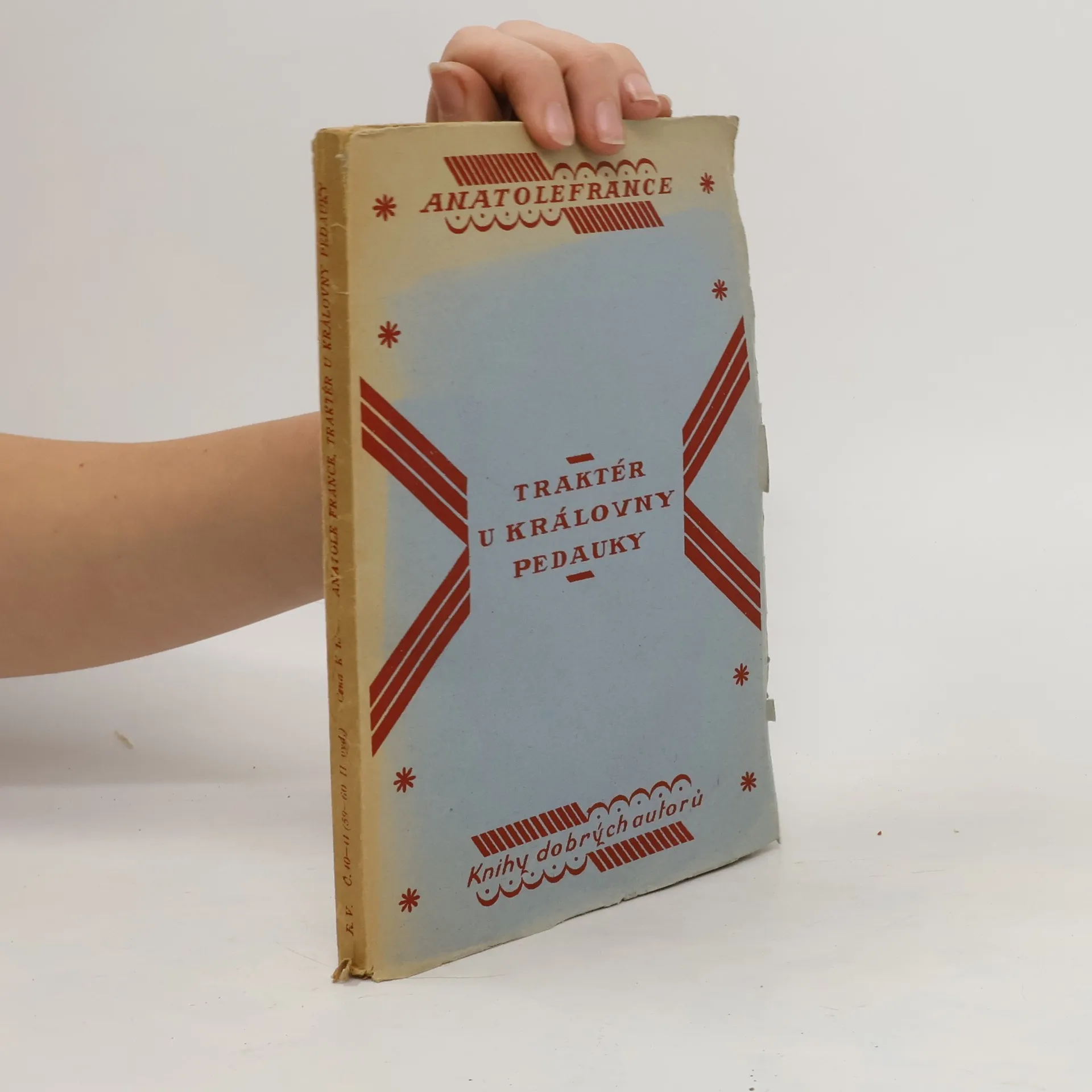
The Queen Pedauque
- 324pagine
- 12 ore di lettura
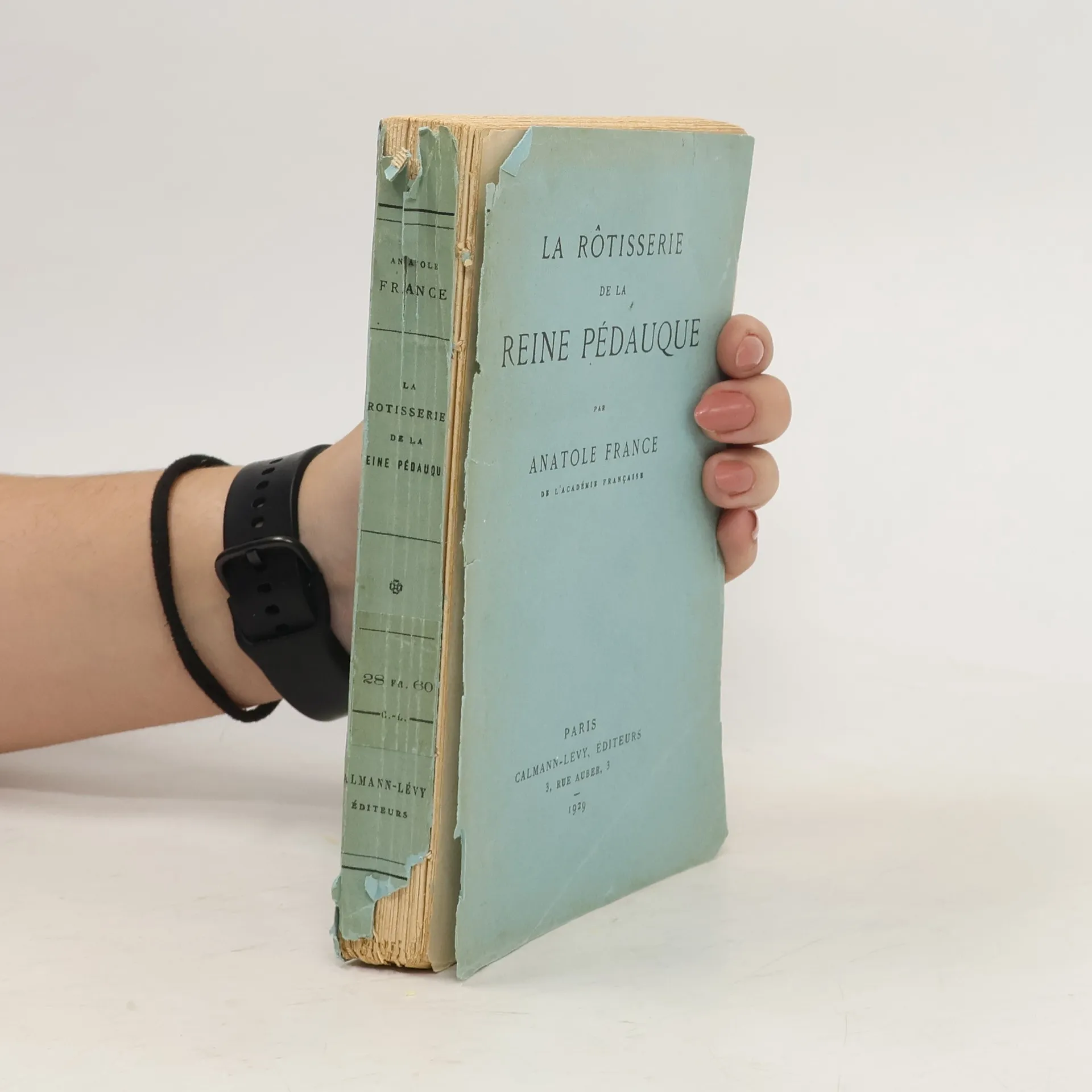
Set in 18th-century France, the story follows Jacques Ménétrier, the son of a rotisserie owner, as he embarks on a series of adventures. Through satire and philosophical exploration, the narrative delves into themes of society, culture, and human nature, offering a critical view of the era's values. The novel combines humor with insightful commentary, making it a unique reflection on life in Paris during that time.
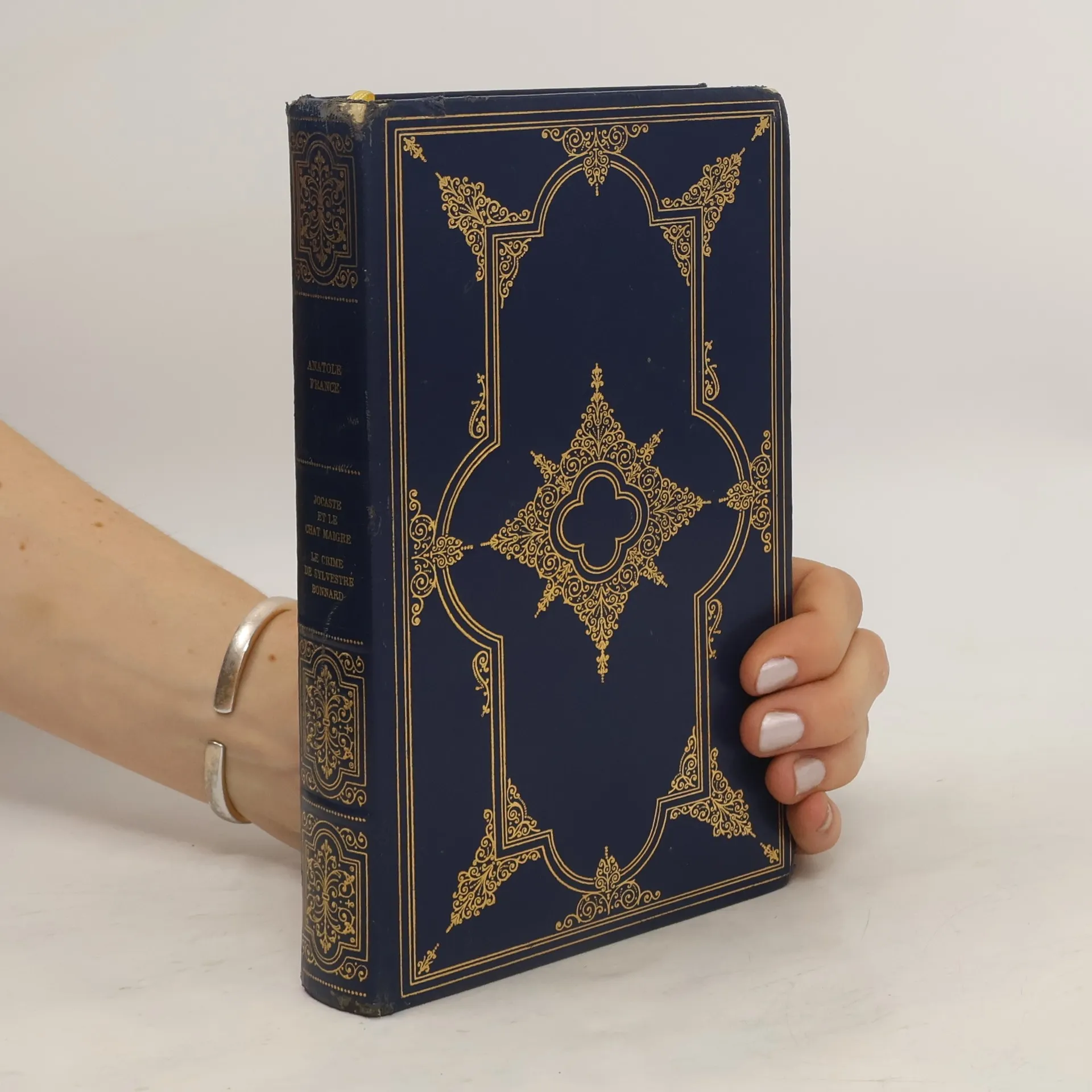
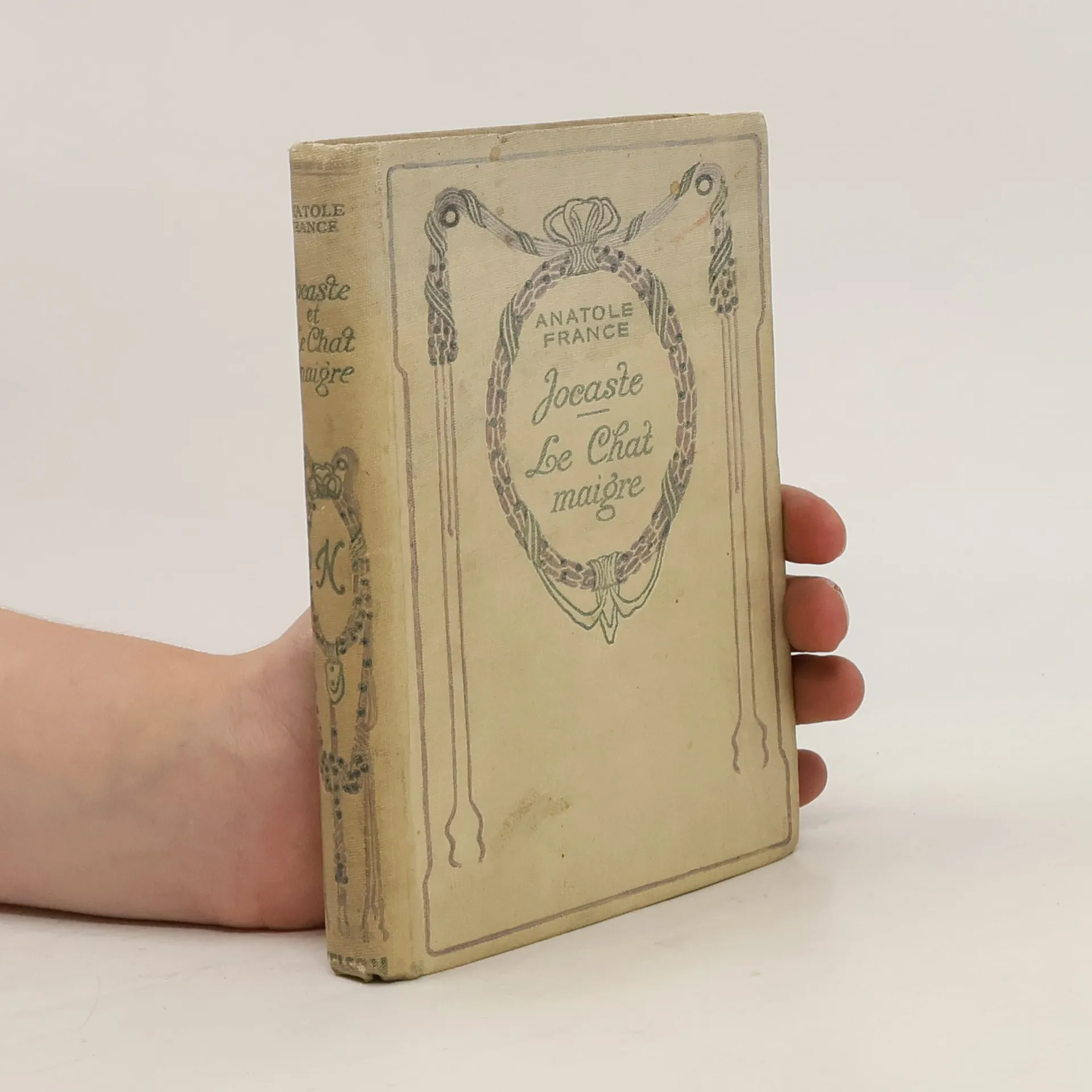
Jocasta and the Famished Cat
- 268pagine
- 10 ore di lettura
The title story delves into the intricacies of love and jealousy, centering on Madame Jocaste as she navigates romantic misunderstandings and emotional upheaval. Anatole France masterfully captures the subtleties of human relationships, employing wit and irony to highlight the complexities of desire and attachment. This collection, first published in 1879, showcases France's literary prowess in exploring the depths of emotional experience.
The Revolt of the Angels
- 158pagine
- 6 ore di lettura
First published in 1914, "The Revolt of the Angels" is one of the final works by celebrated French author and Nobel Prize winner Anatole France. Considered by many critics to be his most profound and significant work, it is the story of the angel Arcade who has grown tired of watching over a sinless Bishop. With nothing else to do, Arcade begins to read the books in the Bishop's library and soon rejects God and decides to live as a man instead. The former angel moves to Paris, falls in love with a mortal woman, loses his wings, and conspires with Satan to overthrow God. Arcade realizes however that replacing God with another powerful being will accomplish nothing and instead he, and mankind as well, must change themselves and destroy the idea of God that they all carry within. Deeply ironic and thoughtful, "The Revolt of the Angels", was met with controversy when it was first published and was placed on the list of banned books by the Catholic Church. It was a critical and commercial success however for challenging long-held ideas of religion and morality and continues to be widely read a century later for its thoughtful and perceptive examination of mankind's ideas of divinity. This edition is printed on premium acid-free paper and follows the translation on Wilfrid Jackson.
Penguin Island
- 384pagine
- 14 ore di lettura
Through the lens of a fictional society of penguins turned human, the novel critiques and satirizes key elements of human existence, including religion, politics, and historical narratives. Anatole France employs humor and absurdity to explore the follies and contradictions of humanity, offering a thought-provoking commentary on societal norms and behaviors. Published in 1908, this work remains a significant reflection on the complexities of human nature and societal constructs.
The Red Lily
- 256pagine
- 9 ore di lettura
Set against the backdrop of Paris and Italy's artistic elite, this novel delves into the complexities of love and passion while examining the constraints imposed by society. Through its richly drawn characters, it reflects on the interplay between personal desires and social expectations, offering a nuanced critique of the era's cultural norms.
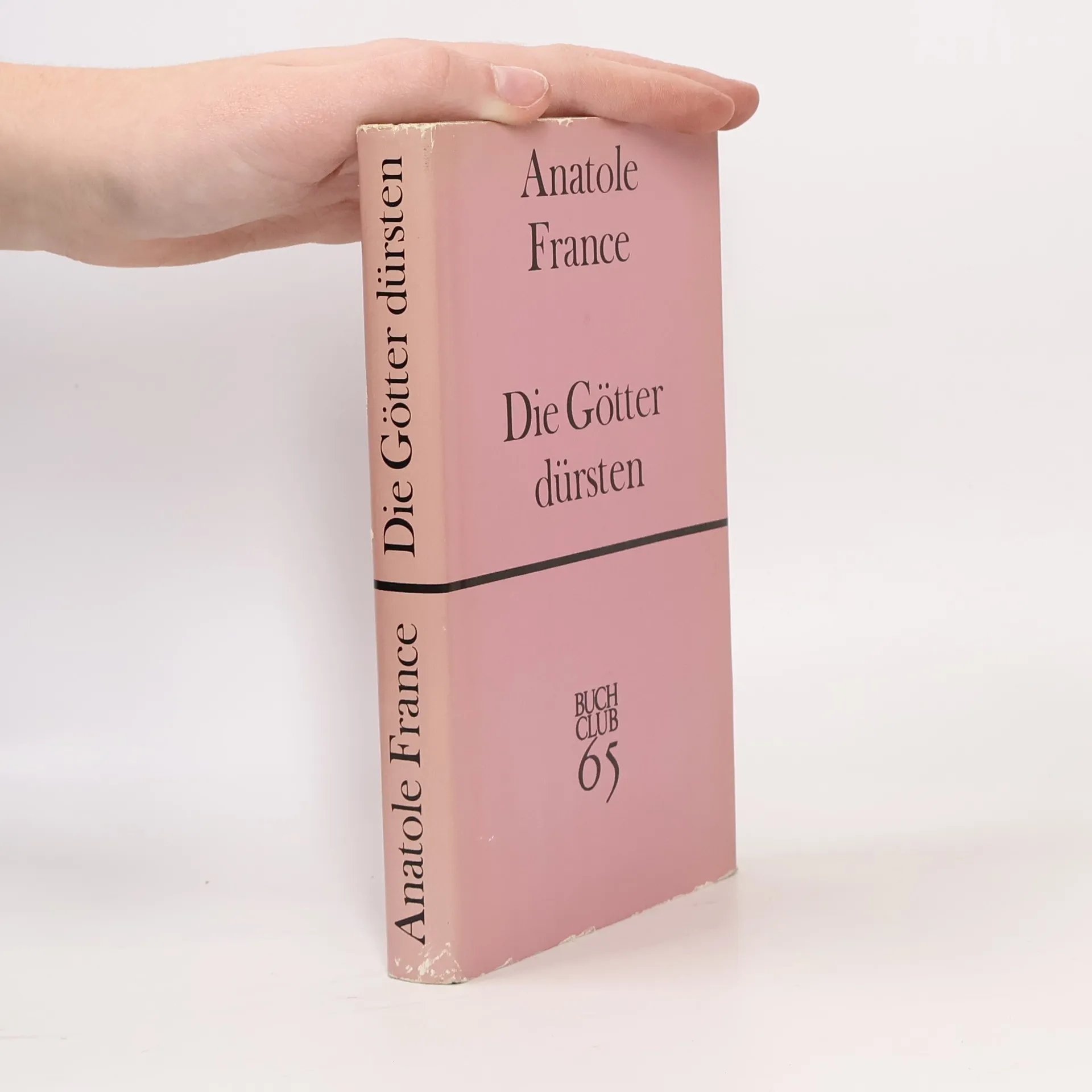
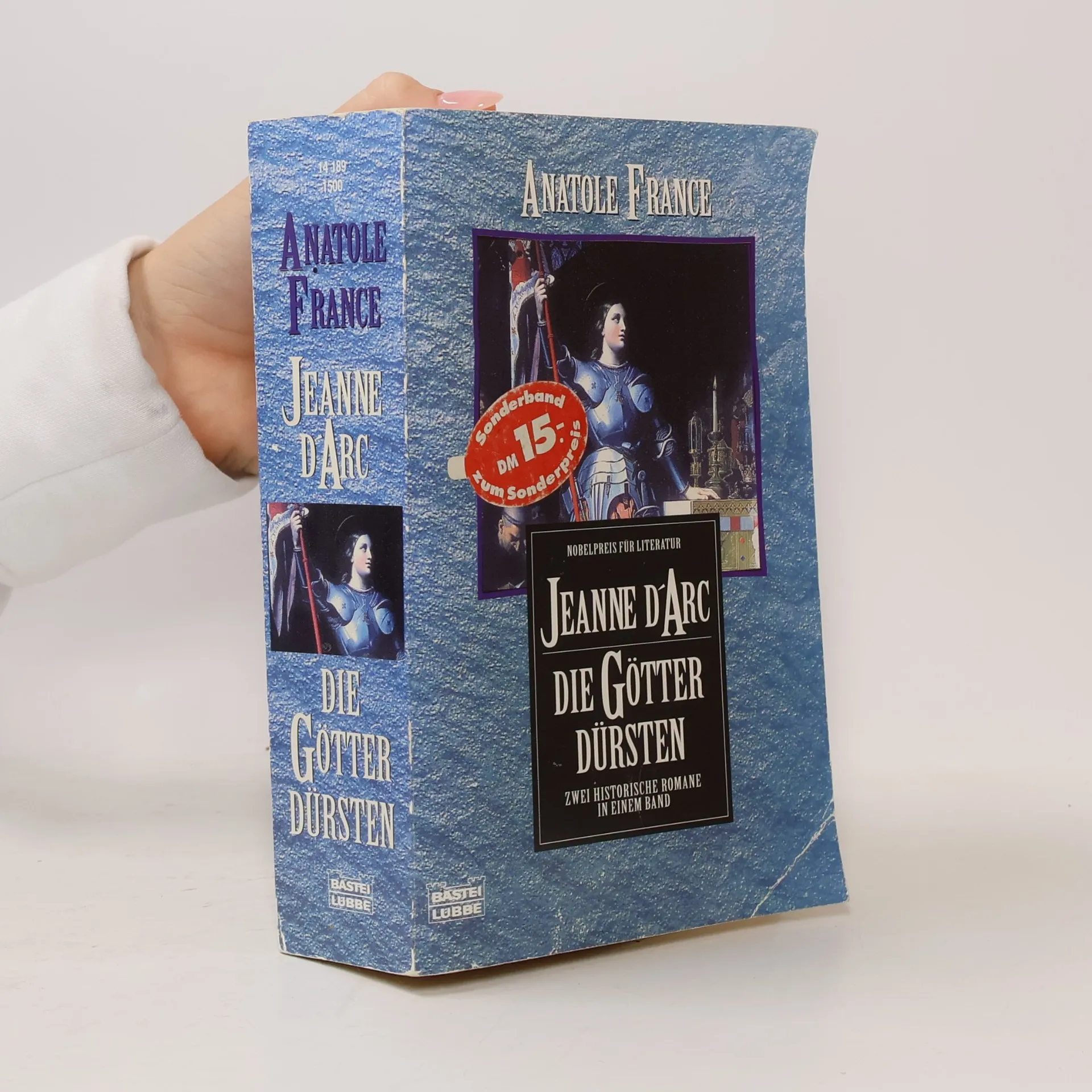
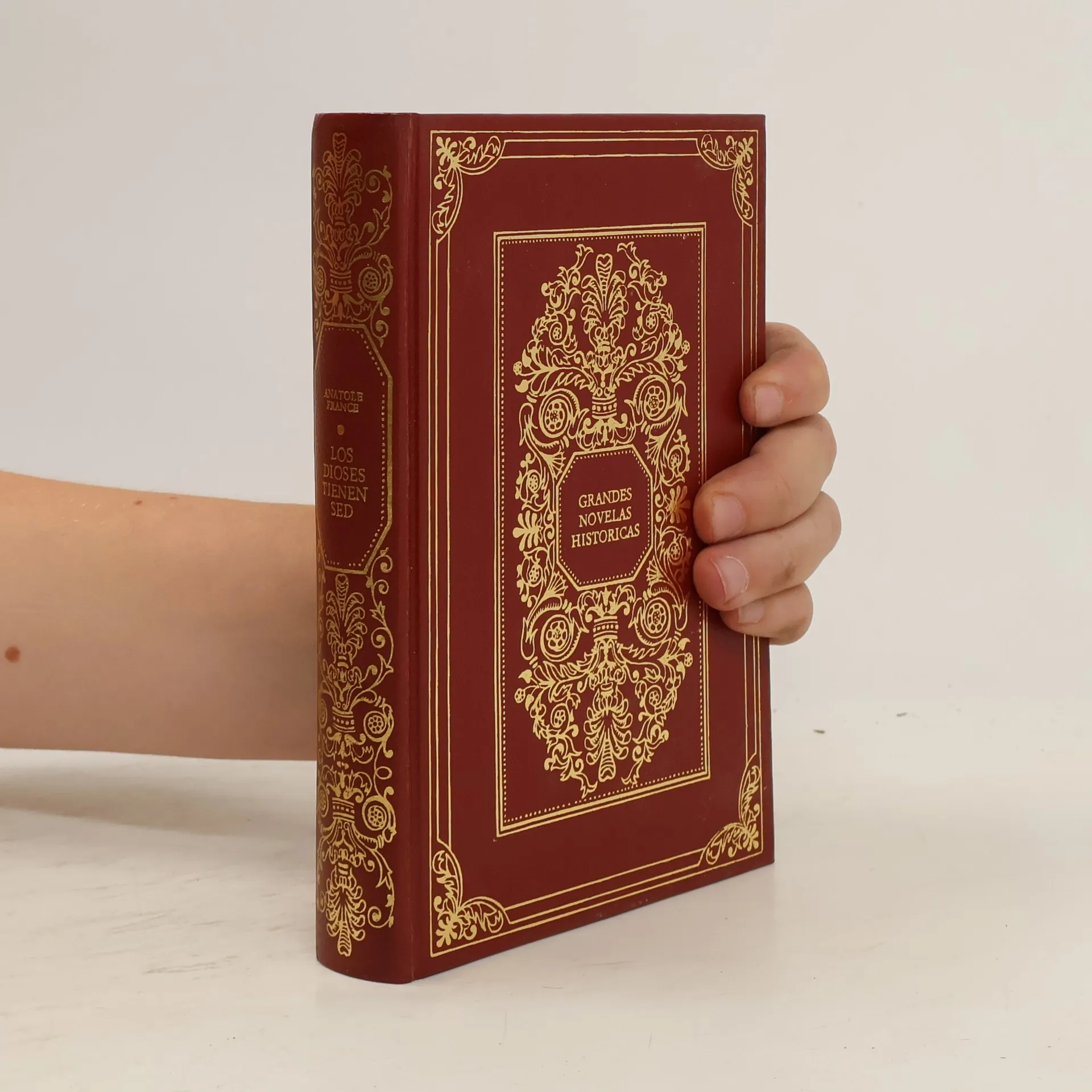
Die Götter dürsten
- 254pagine
- 9 ore di lettura
Set during the tumultuous period of the French Revolution, particularly the Reign of Terror, this historical novel delves into the effects of revolutionary zeal on both individuals and society. Through its vivid portrayal of characters navigating the chaos and moral dilemmas of the time, the narrative examines themes of idealism, betrayal, and the human cost of political upheaval. The book offers a poignant reflection on the struggle between personal convictions and the demands of a revolutionary society.
Set in the early days of Christendom, this story explores themes of religious folly through the lens of Anatole France's elegant and subtly ironic writing style. The narrative delves into the complexities of faith and human behavior, showcasing France's literary prowess as a novelist, poet, and critic, recognized with the Nobel Prize in Literature. Enhanced by illustrations and decorations from Frank C. Pape, this work offers a captivating glimpse into the historical and cultural context of the time.
My Friend's Book
- 298pagine
- 11 ore di lettura
Anatole France's collection of essays presents a series of autobiographical sketches that delve into themes of childhood, friendship, and literature. Through personal reflections and musings, the Nobel Prize-winning author shares his insights on the nuances of life, capturing the essence of human experiences. First published in 1885, this work showcases France's literary style and philosophical depth, making it a poignant exploration of personal and universal themes.
Little Pierre
- 300pagine
- 11 ore di lettura
Set in the backdrop of early 20th-century France, the story unfolds through the eyes of Pierre Nozière, a young boy whose experiences encapsulate the innocence and wonder of childhood. Through vivid recollections, the narrative explores themes of nostalgia and personal growth, offering a heartfelt reflection on the joys and challenges of youth. Anatole France's autobiographical novel invites readers to reminisce about their own formative years, creating a poignant connection between the past and present.
Focusing on accessibility, this historical work is reproduced in large print by Megali, a publishing house dedicated to aiding readers with impaired vision. The initiative highlights the importance of making literary works more inclusive, ensuring that a wider audience can engage with and enjoy historical texts.
This book is a reproduction of a historical work, specifically designed in large print to enhance accessibility for individuals with impaired vision. Published by Megali, a company dedicated to making historical texts more readable, it aims to preserve important literature while ensuring inclusivity for all readers.
The Elm-Tree on the Mall
- 244pagine
- 9 ore di lettura
Set against the backdrop of late 19th-century Paris, this novel explores themes of love, society, and the passage of time through its richly drawn characters. The narrative delves into the lives of individuals intertwined with the iconic elm tree in the mall, symbolizing the intersection of personal and public life. As part of the Histoire contemporaine series, it reflects Anatole France's keen observations on contemporary issues, blending humor and philosophical insights within a vibrant historical context.
This book is a reproduction of a historical work, presented in large print to enhance accessibility for readers with impaired vision. Published by Megali, a company dedicated to making historical texts more readable, it aims to preserve important literature while catering to the needs of those who may struggle with standard print sizes.
The Amethyst Ring
- 312pagine
- 11 ore di lettura
Set against the backdrop of late 19th-century France, this novel delves into the intricate interplay of politics, religion, and society. As part of Anatole France's "Histoire Contemporaine" trilogy, it offers a rich exploration of contemporary issues through its engaging narrative. The story reflects the author's keen observations and critiques of the era, making it a significant contribution to the understanding of the social dynamics of the time.
Crainquebille
- 248pagine
- 9 ore di lettura
The novella follows Jules Crainquebille, an elderly vegetable vendor in Paris, whose life takes a drastic turn after a misunderstanding with the police. As he navigates the complexities of bureaucracy and the judicial system, the story explores themes of justice, social inequality, and the struggles of the common man in early 20th-century France. Through Crainquebille's plight, the narrative critiques societal norms and the often indifferent nature of authority.
The Six Greatest Novels of Anatole France
- 974pagine
- 35 ore di lettura
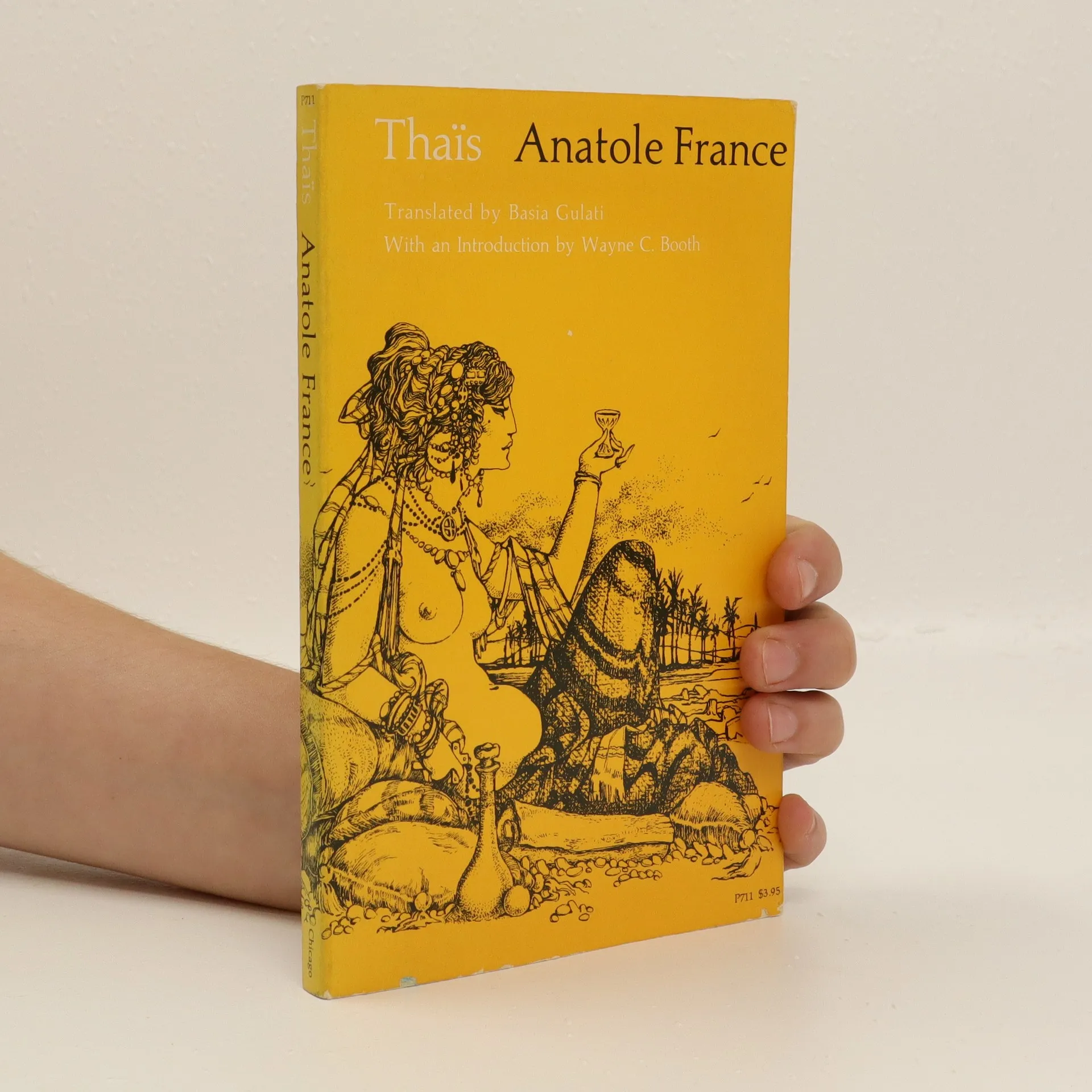
Six novels of Anatole France (1844-1924) -- Penguin Island, The Crime of Sylvestre Bonnard, The Revolt of the Angels, The Gods are Athrist, Thais, and The Red Lily.
Ve Stockholmu dochází k únosům bohatých mužů, a aby byli propuštěni na svobodu, rodina každého z nich musí zaplatit vysoké výkupné. Když nepočítáme jejich majetek, policie mezi unesenými nenachází žádnou souvislost a samy oběti drží jazyk za zuby. Ze dvou přátel z dětství se stali gangsteři – dotyční tak našli zkratku k životu, který jim podle nich náleží. Brzy však zjistí, že se ocitli uprostřed nebezpečné hry, nad níž nemají žádnou kontrolu. V Chile se mezitím dobře organizovaný trh s orgány snaží najít rovnováhu mezi nabídkou a poptávkou. Obchodníci jsou v honbě za těly, která by mohli využít, nuceni pouštět se dál a dál ze stínů And a starých nacistických kolonií, kde všechno kdysi začalo... Kriminální komisařka Vanessa Franková čeká na výsledek interního vyšetřování, kvůli němuž byla krátce předtím postavena mimo službu. Její život je v poslední době vzhůru nohama. Avšak místo toho, aby udělala krok zpátky, se vrhá střemhlav vpřed – přímo do středu pozornosti.
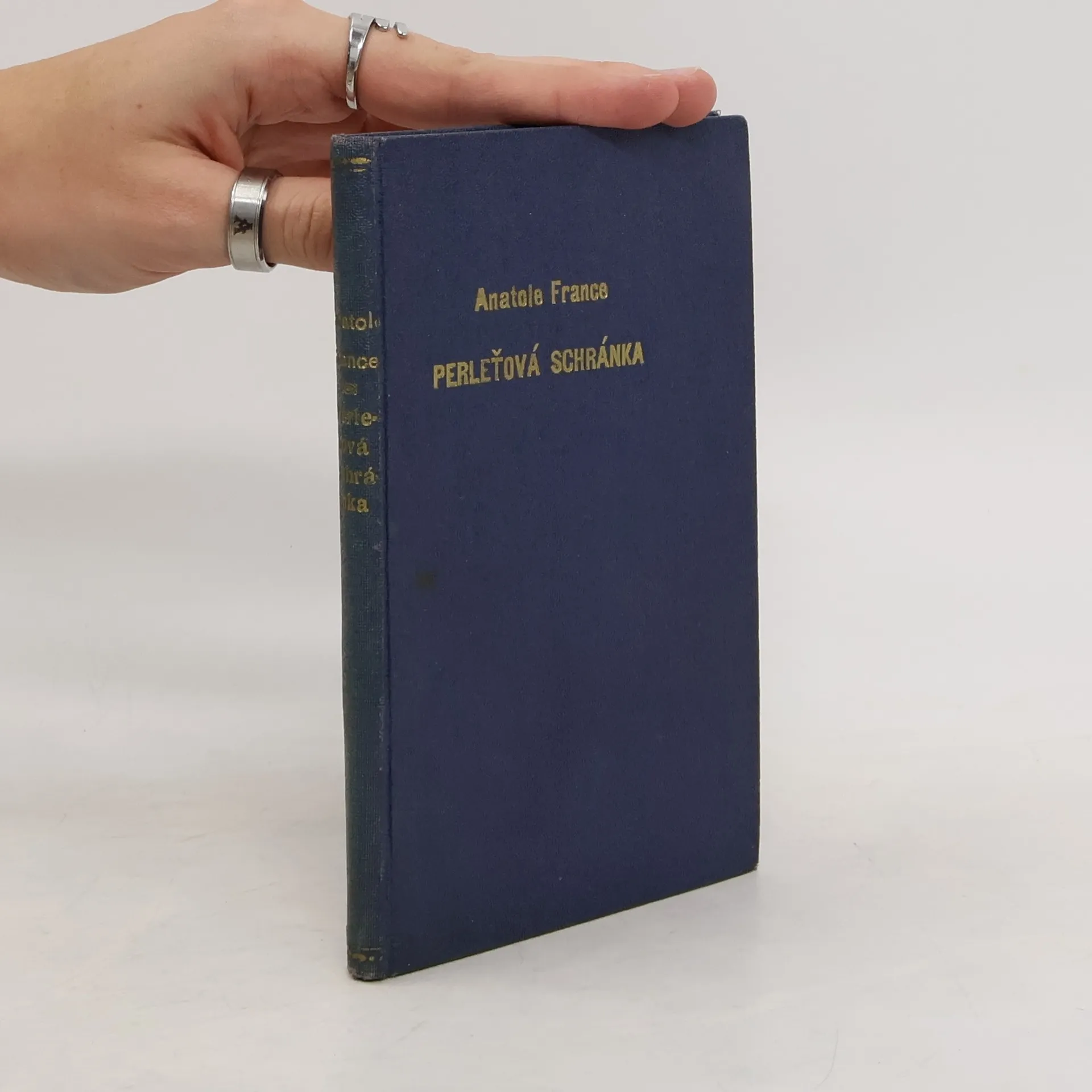
Román francúzskeho spisovateľa - rozprávanie Elmusa Vavrinca Jakuba Ménétriera, ktorý bol hostinským na ulici svätého Jakuba pod vývesným štítom Kráľovnej Pedauky, ktorá ako je známe, mala nohy s plávajúcimi blanami ako husi a kačky...
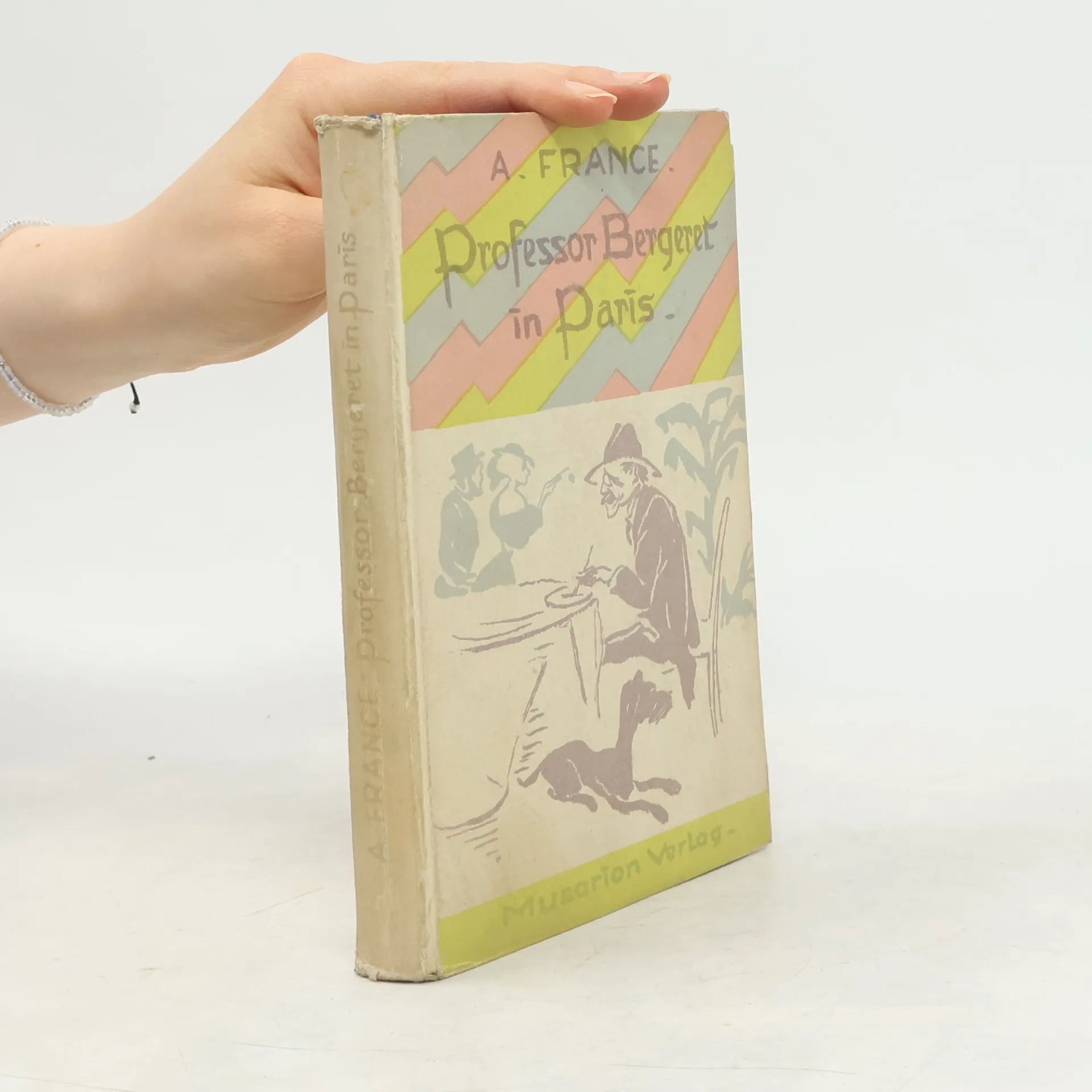
Monsieur Bergeret à Paris
- 146pagine
- 6 ore di lettura
Monsieur Bergeret à Paris: Histoire Contemporaine est un classique rare, essentiel à l'histoire humaine. Alpha Editions a modernisé sa présentation pour préserver cet ouvrage pour les générations futures. Le texte a été révisé pour garantir clarté et lisibilité, s'inscrivant dans les littératures romanes.
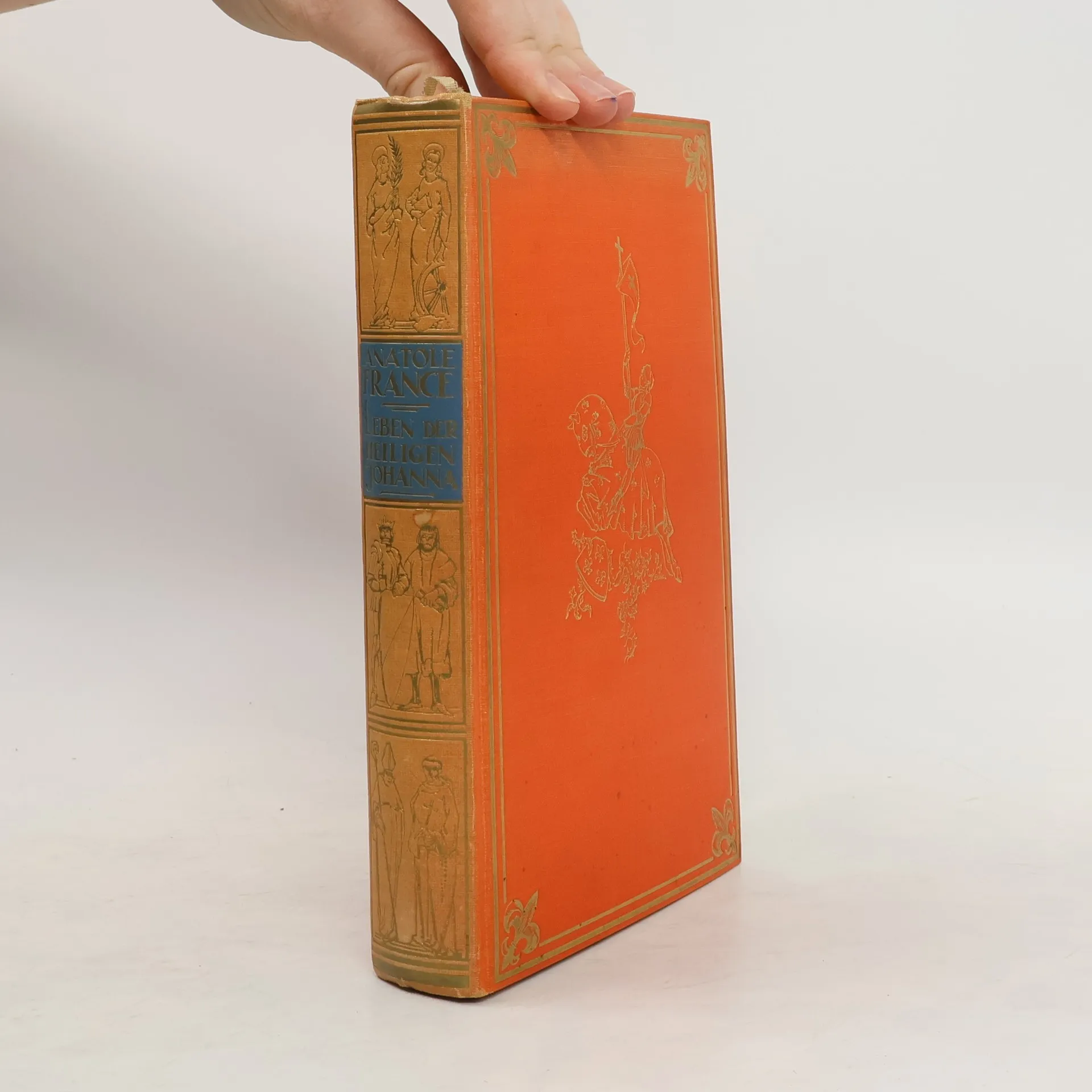
Jeanne d'Arc
- 643pagine
- 23 ore di lettura
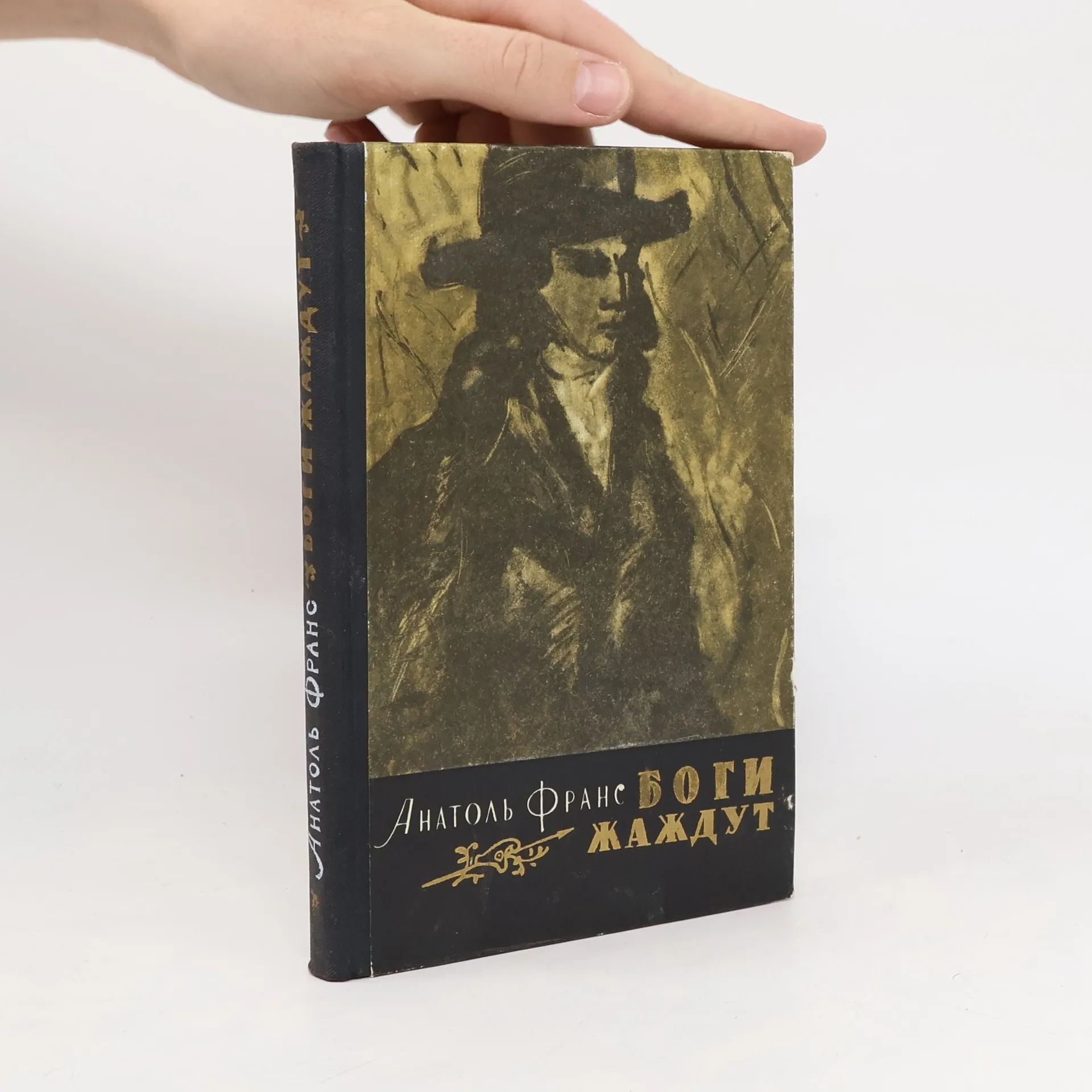
Román kritizujúce revolučný fanatizmus. Ide o jedno z autorových hlavných diel, ktoré nás svojim námetom zavádza do čias Veľkej francúzskej revolúcie, do obdobia vzostupu a pádu jakobínskej diktatúry a vlády Maximiliána Robespierra. Ústrednou postavou románu je mladý maliar Evariste Gamelin,ktorý sa premieňa vo fanatického zástanca revolučného teroru, udáva vlastné priateľov i príbuzných a je i pred popravou presvedčený o svojej pravde. Revolúcia je tu líčenie v jej každodennom zhone, kedy nevládze pomerná jasnosť histórie, ale často zmätok a nerozvážnosť prítomnosti. Bohovia smädom a ľudská krv im platí na oboch znepriatelených stranách svoju daň.
Další psí příběhy
- 290pagine
- 11 ore di lettura
Druhý díl oblíbených Nejlepších psích příběhů volně navazuje na předchozí a přináší další výběr skvělých povídek od slavných autorů jako je James Herriot, Jack London nebo Rudyard Kipling. Hrdinou každého příběhu je opět pes jako společník člověka, vždy vstřícný, přátelský a ochotný svého pána chránit a věrně mu sloužit. Vyprávění o jedinečném vztahu mezi psem a jeho pánem potěší jak čtenáře krásné literatury, tak milovníky psů.
Historické prózy francúzskeho spisovateľa a laureáta Nobelovej ceny - Brestová aleja, Prútená bába, Ametystový prsteň, Pán Bergeret v Paríži.
Román kritizující revoluční fanatismus. Jde o jedno z autorových stěžejních děl, které nás svým námětem zavádí do časů Velké francouzské revoluce, do období vzestupu a pádu jakobínské diktatury a vlády Maxmiliána Robespierra. Ústřední postavou románu je mladý malíř Evariste Gamelin, který se proměňuje ve fanatického zastánce revolučního teroru, udává vlastní přátele i příbuzné a je i před popravou přesvědčen o své pravdě. Revoluce je zde líčena v jejím každodenním shonu, kdy nevládne poměrná jasnost historie, nýbrž často zmatek a nerozvážnost přítomnosti. Bohové žízní a lidská krev jim platí na obou znepřátelených stranách svou daň.
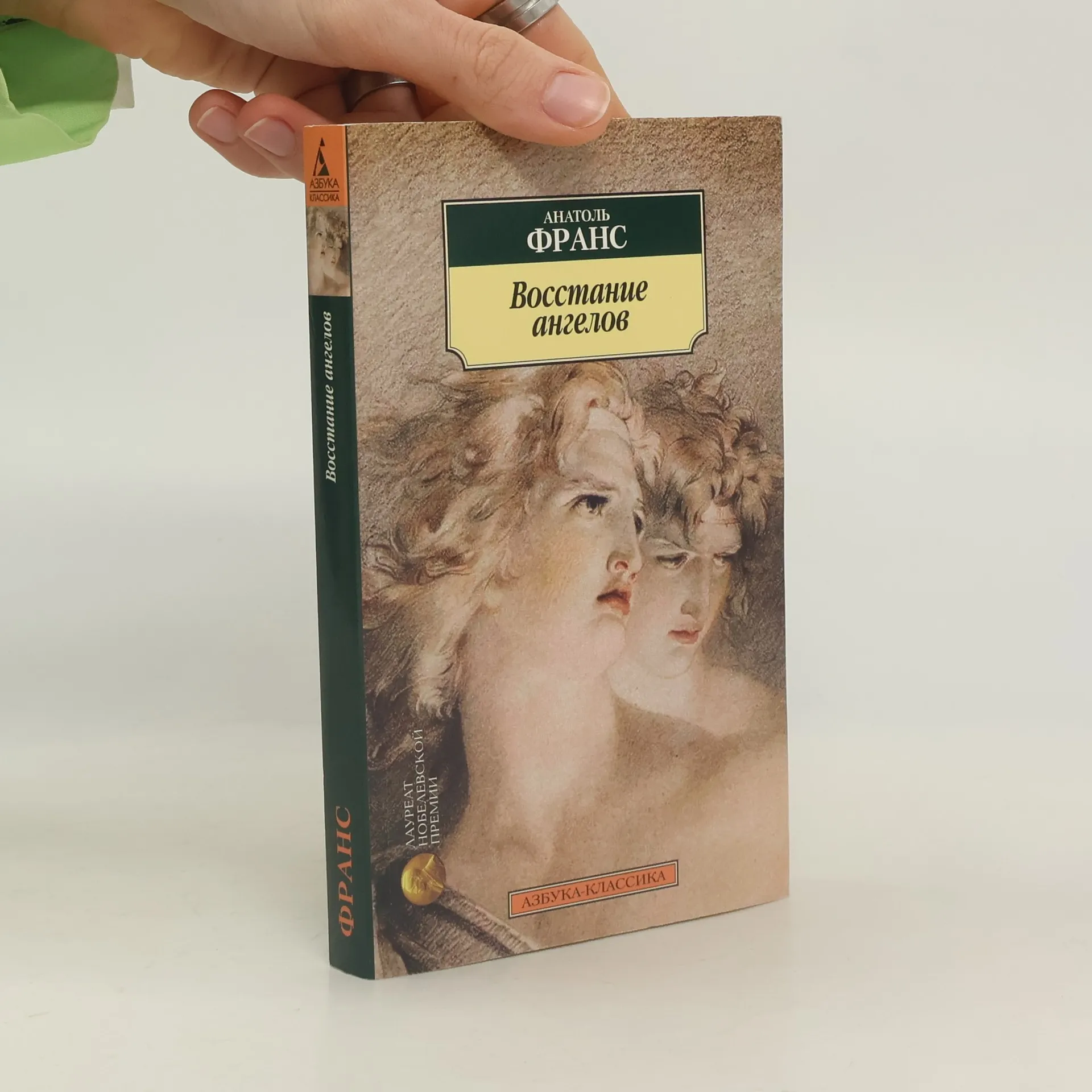
Восстание ангелов. Vosstaniye angelov
- 256pagine
- 9 ore di lettura
"Восстание ангелов" Анатоля Франса - политическая и социальная сатира. Франция, 1912 год. Политики, как водится, лгут и интригуют. Ничто не предвещает беды. Но в жизнь простых смертных собираются вмешаться самые настоящие ангелы, прискучившие небесным режимом - и возмечтавшие о свободе на нашей грешной земле. Ангелы - и политики? Кто начинает - и кто выигрывает?
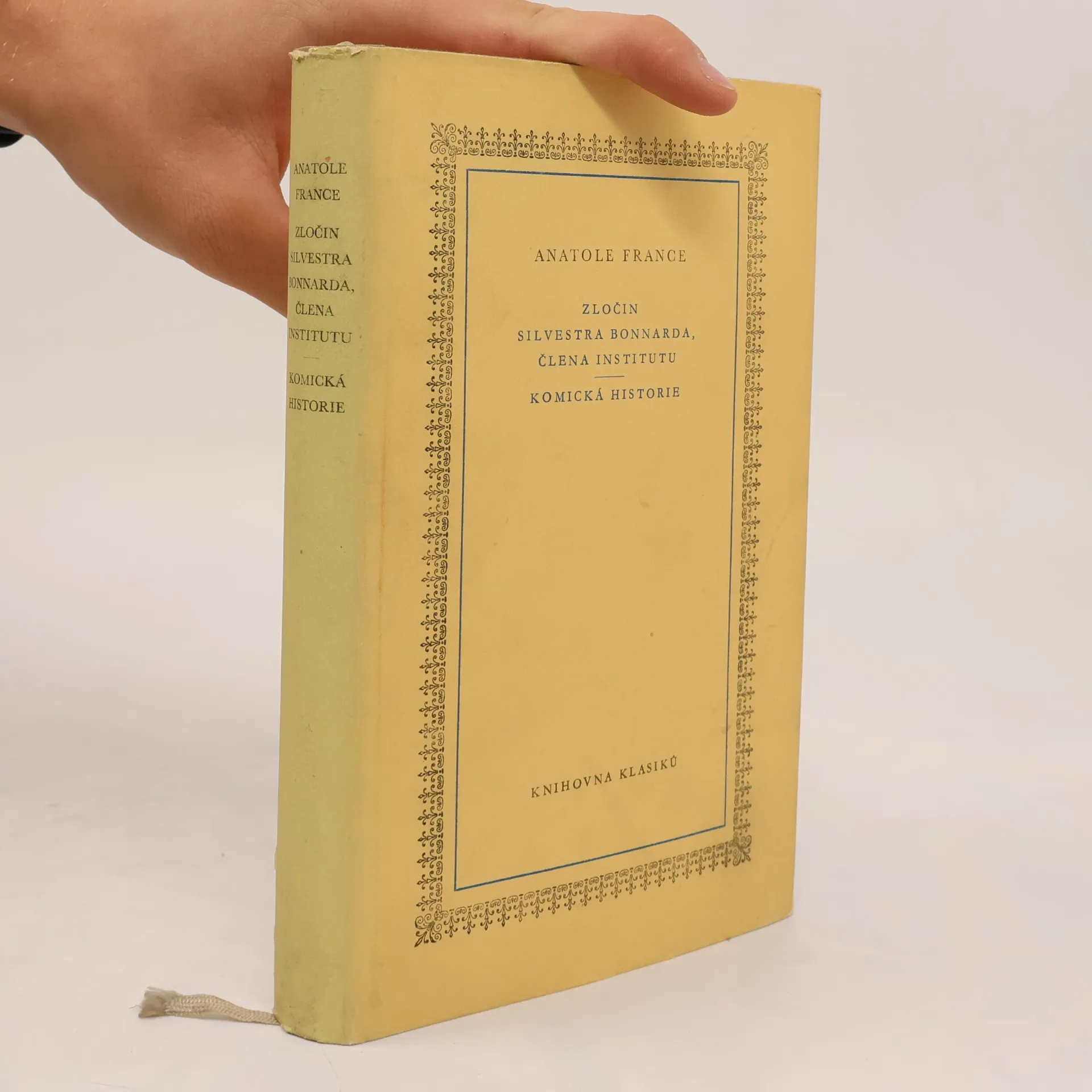
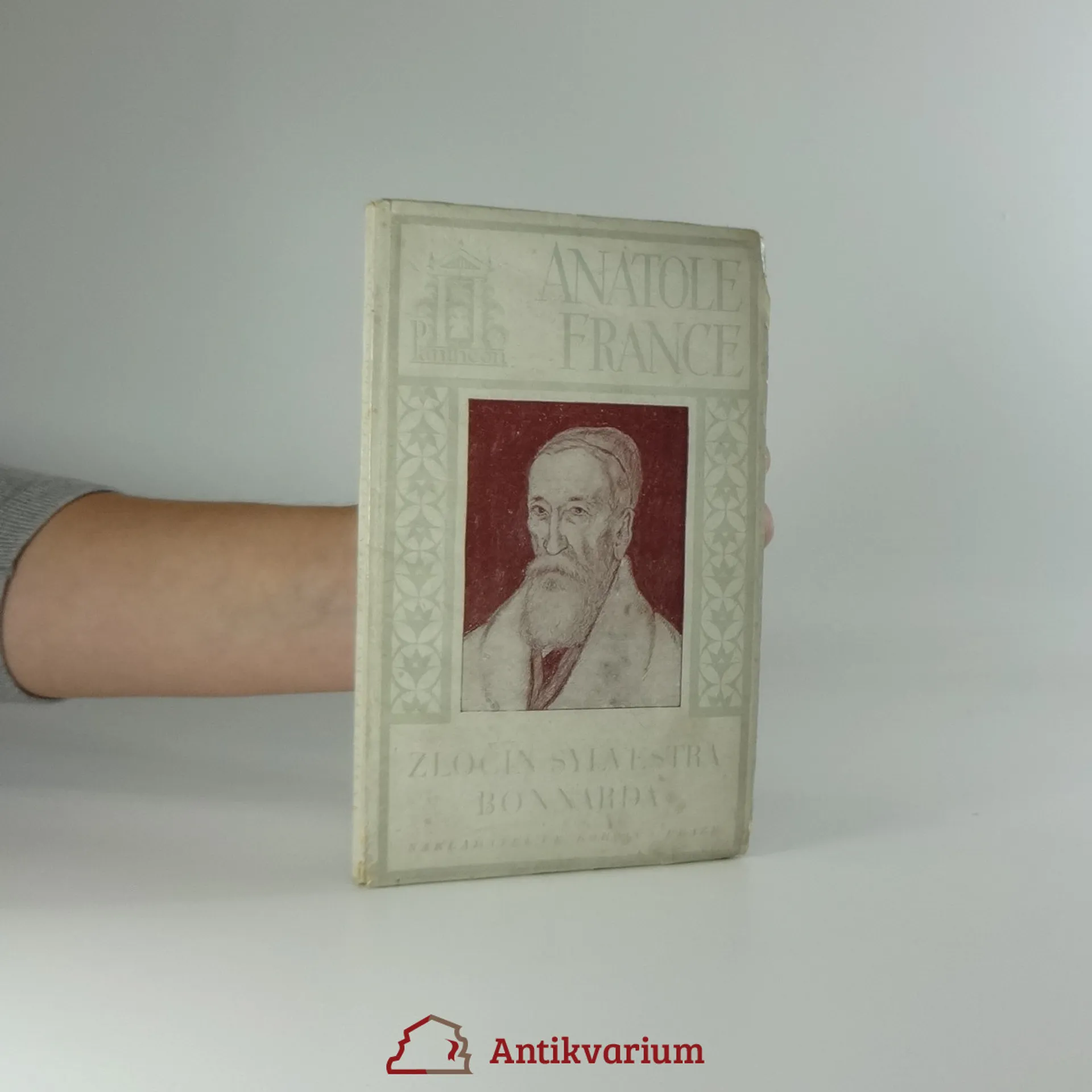
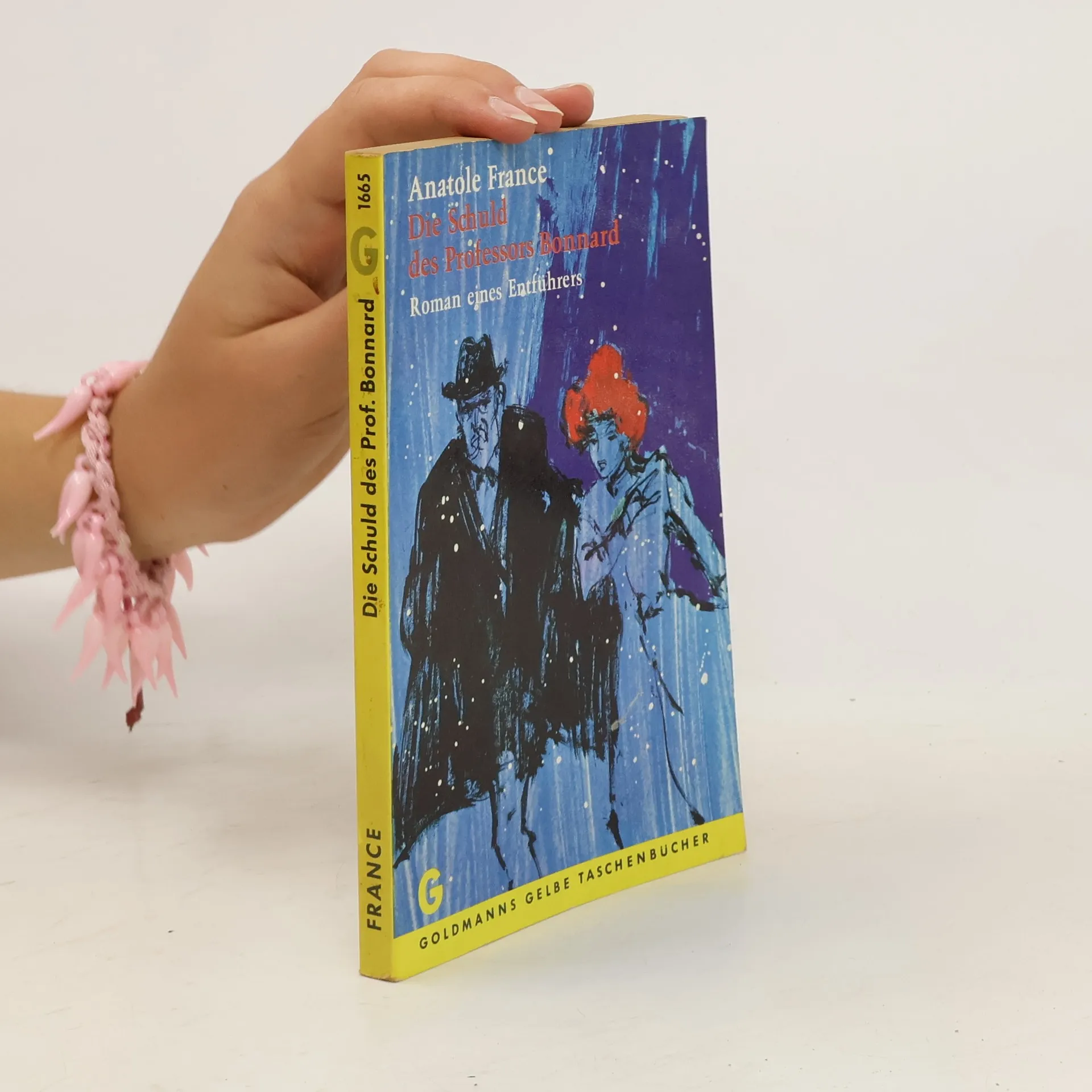
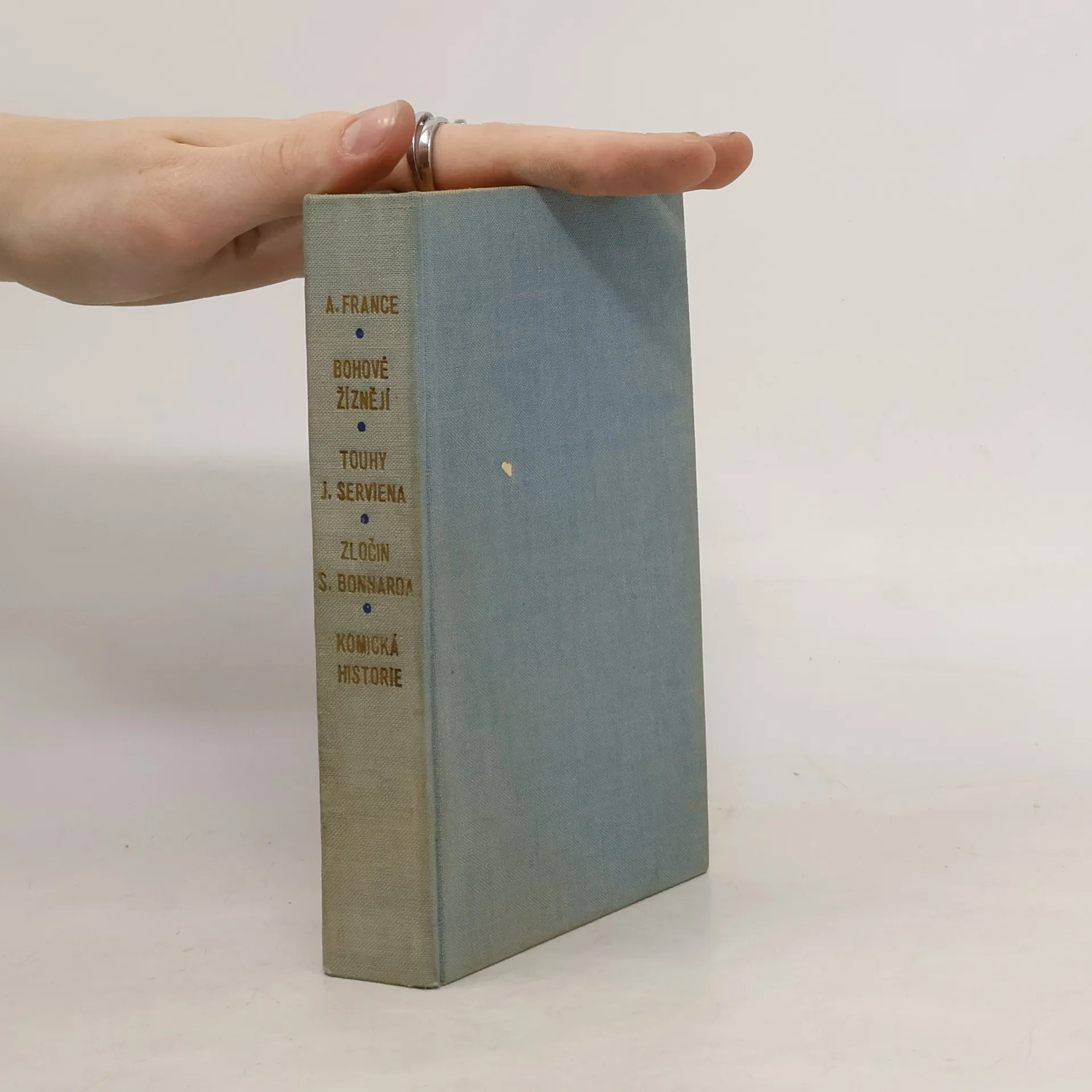
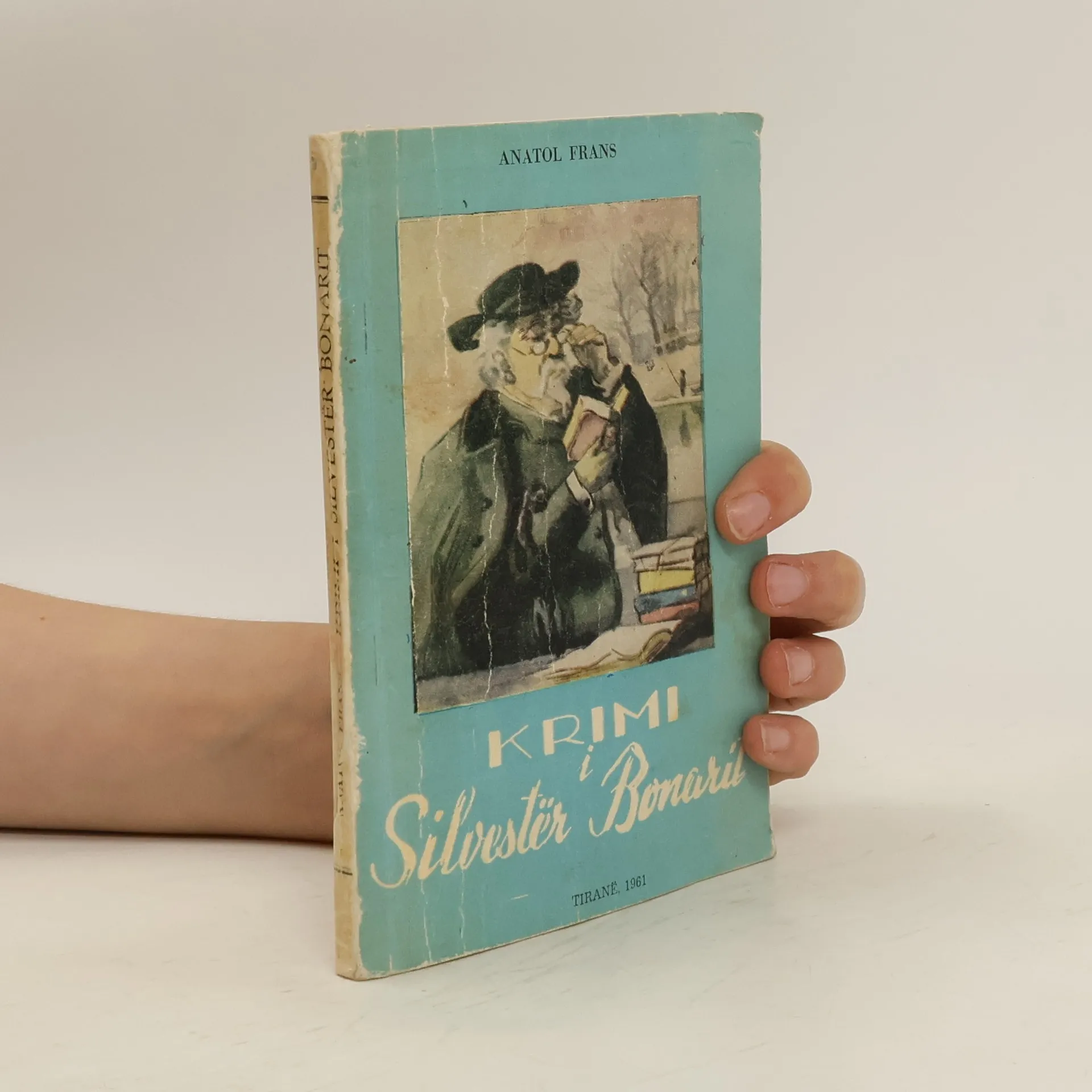
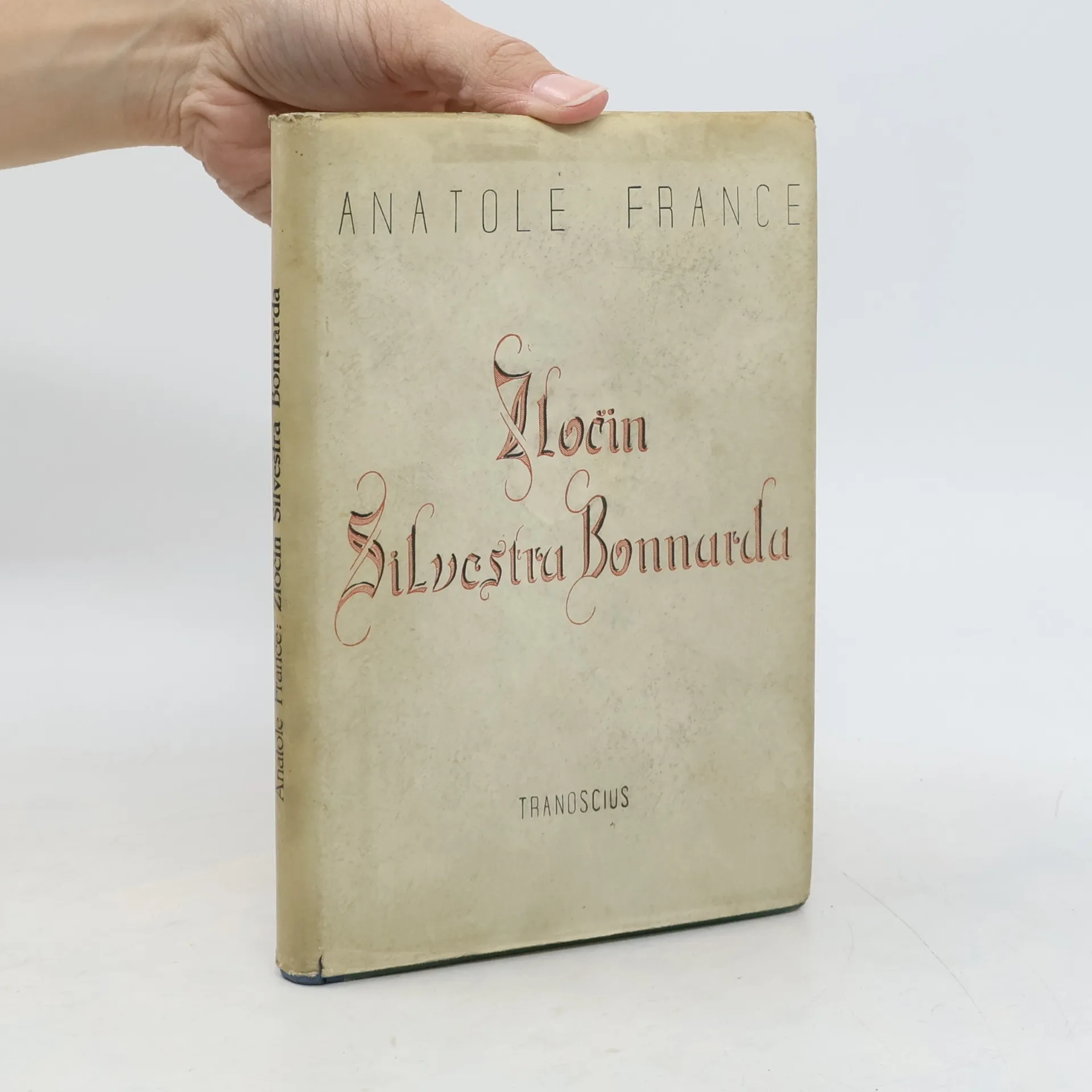
Silvestr Bonnard žil v soukromí mezi starými rukopisy a knihami, stýkal se s učenými odborníky podobně laděnými a jen jednou opustil svůj uzavřený svět: když chtěl zabránit zlu a prokázat dobro. Tu se však tento bezelstný, praktický, absolutně nezaujatý stařec přesvědčil o tom, že společenský řád, který ho obklopuje, kvalifikuje ušlechtilé city jako zločiny, zatím co skutečným zločincům umožňuje docela solidní existenci. Komická historie se sice odehrává v zákulisí pařížské Komedie, ale jinak je to příběh spíše tragický: Nadaná herečka zradila svého kolegu s mladým diplomatem. Bývalý milenec spáchal před jejíma očima sebevraždu a způsobil jí nervovou chorobu, pro kterou se musila rozejít s milovaným mužem. Obě díla, i když je dělí dvacet tvůrčích let (jejich první vydání vyšla v letech 1881 a 1903), mají mnoho společného. V prvním i druhém vrhá autor skeptický pohled na marnost a nesmyslnost, jimiž je naplněn život lidí z buržoasní společnosti; oba autorovi mluvčí, ušlechtilý Bonnard i virtuosně duchaplný doktor Trubet, jsou zaujati krásou a vedeni dobrou vůlí pomoci druhému.
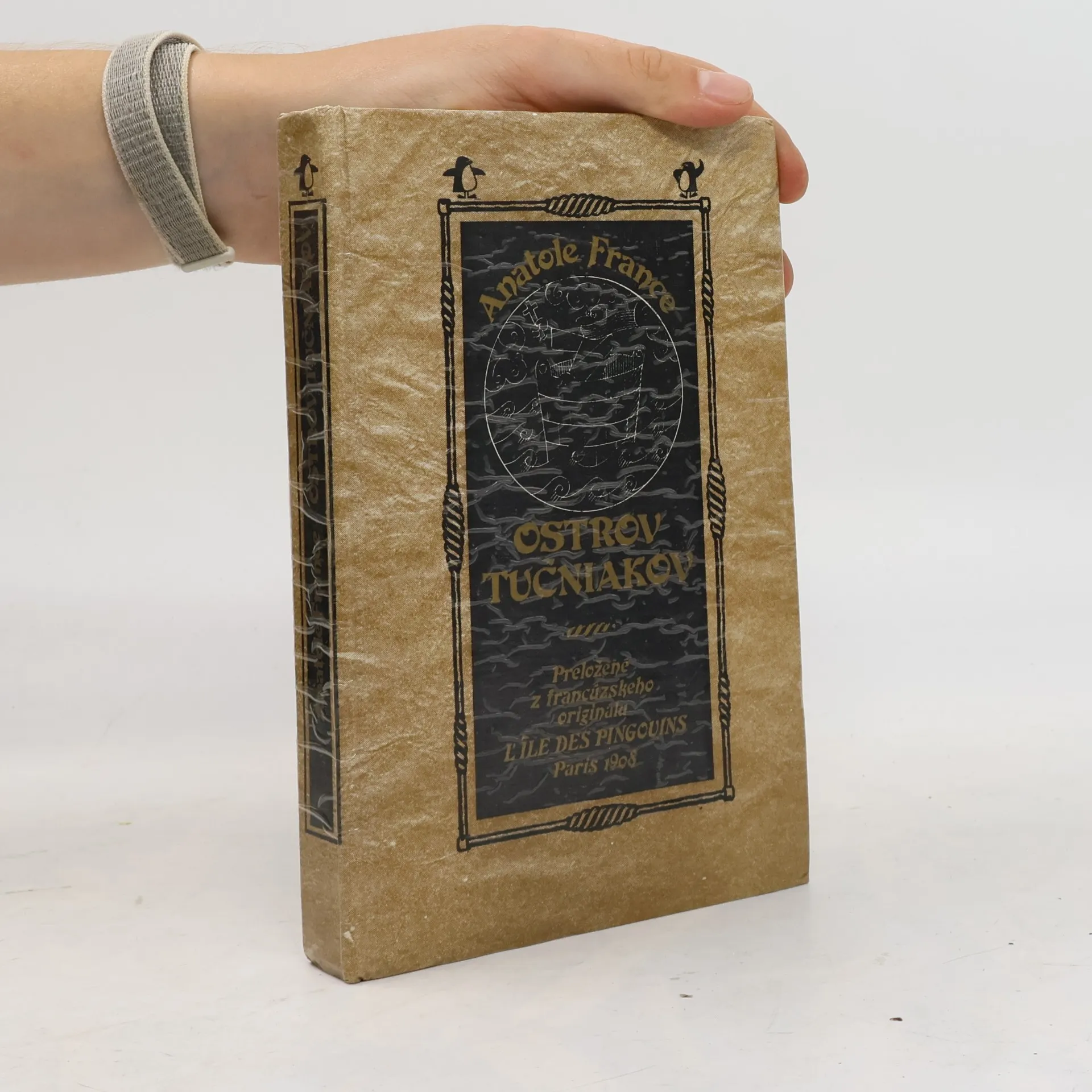
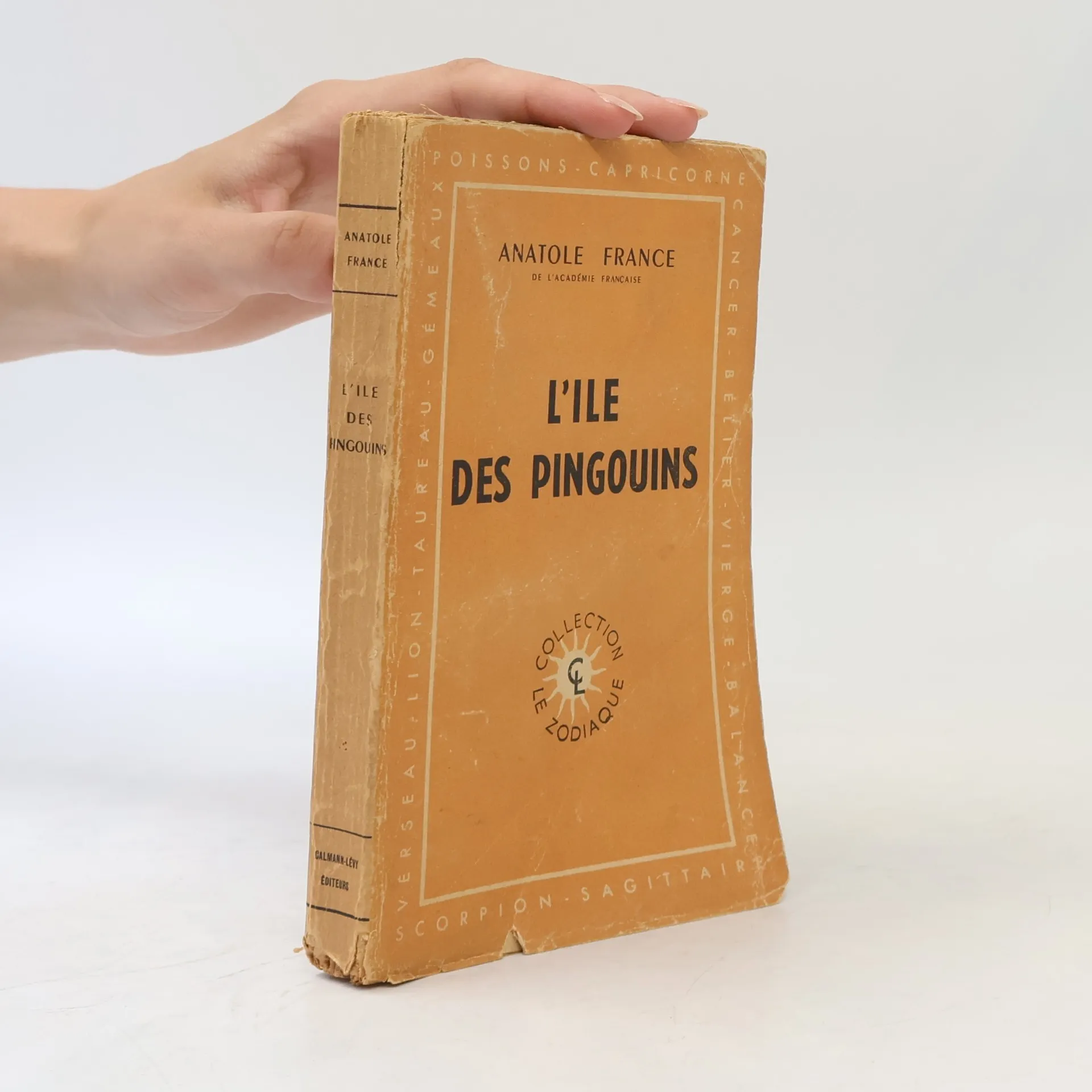
Neľútostná paródia na dejiny Francúzska od počiatkov až po tzv. civilizovaný novovek. Brilantný, ironický román si berie na mušku všetko, čo sa v autorovej krajine vydáva za veľké, vznešené, nedotknuteľné.
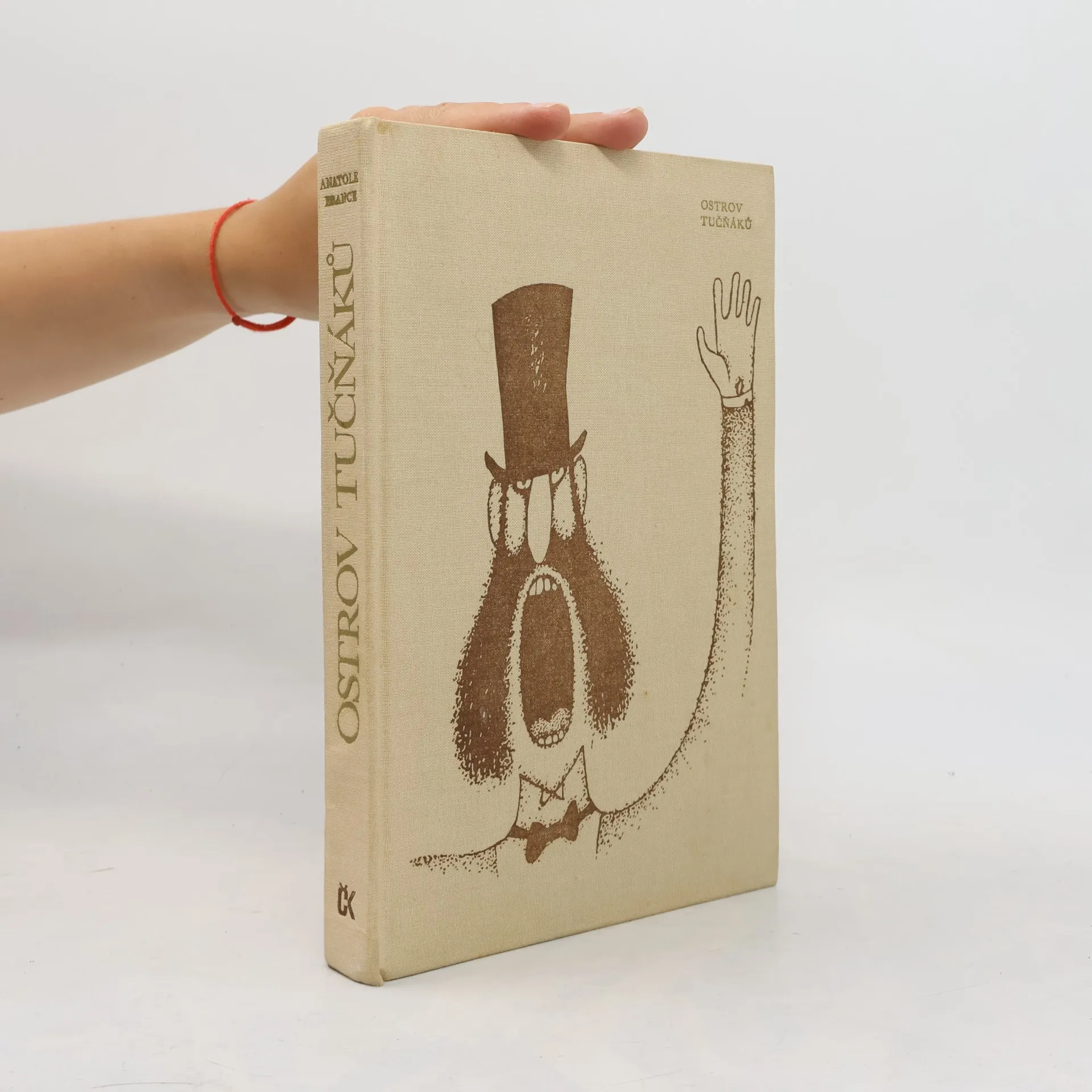
jedná se o satiru z meziválečného období , která na legendách a osudech fiktivní společnosti tučňáků paroduje vývoj lidstva a Francie zejména.
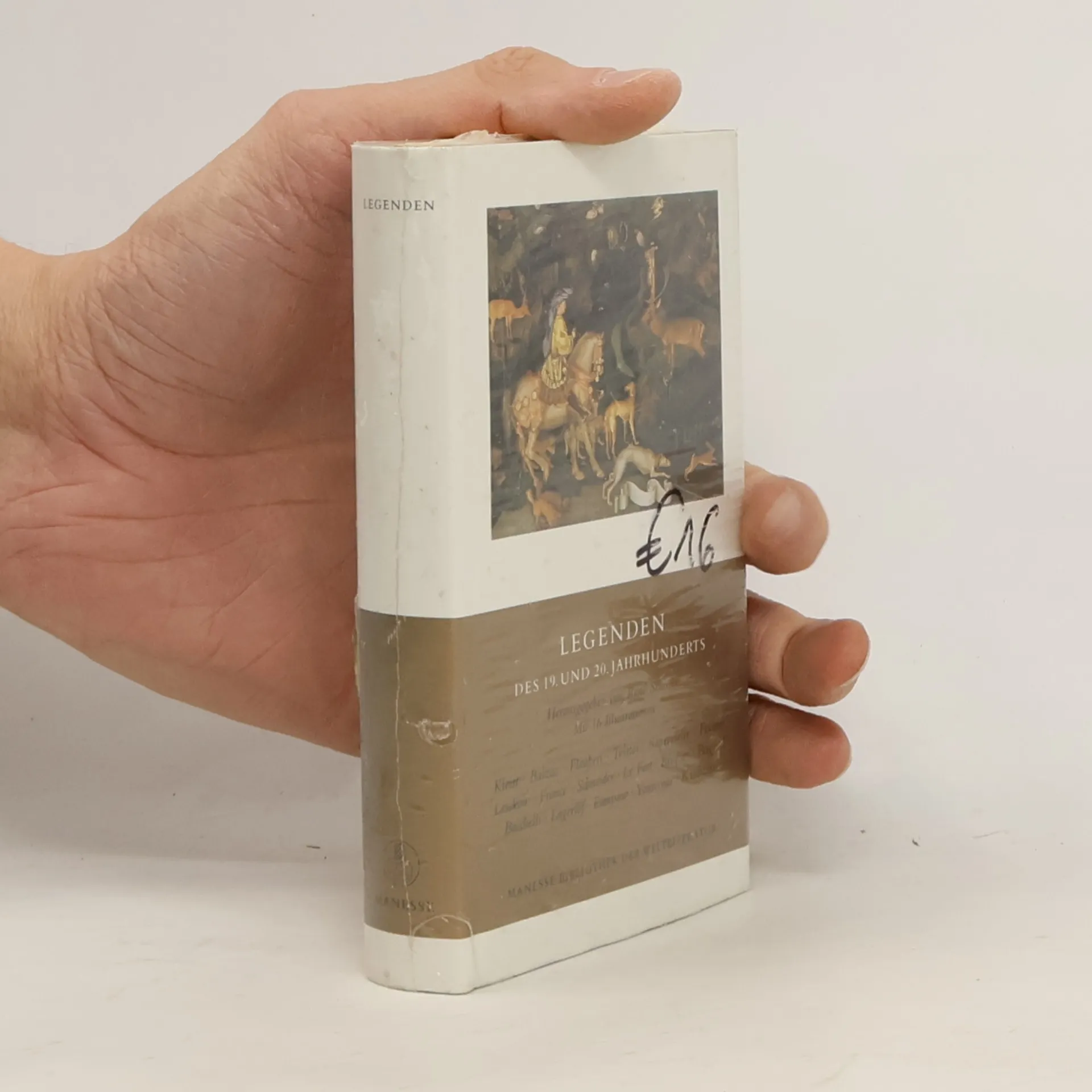
Legenden des 19. und 20. Jahrhunderts
- 493pagine
- 18 ore di lettura
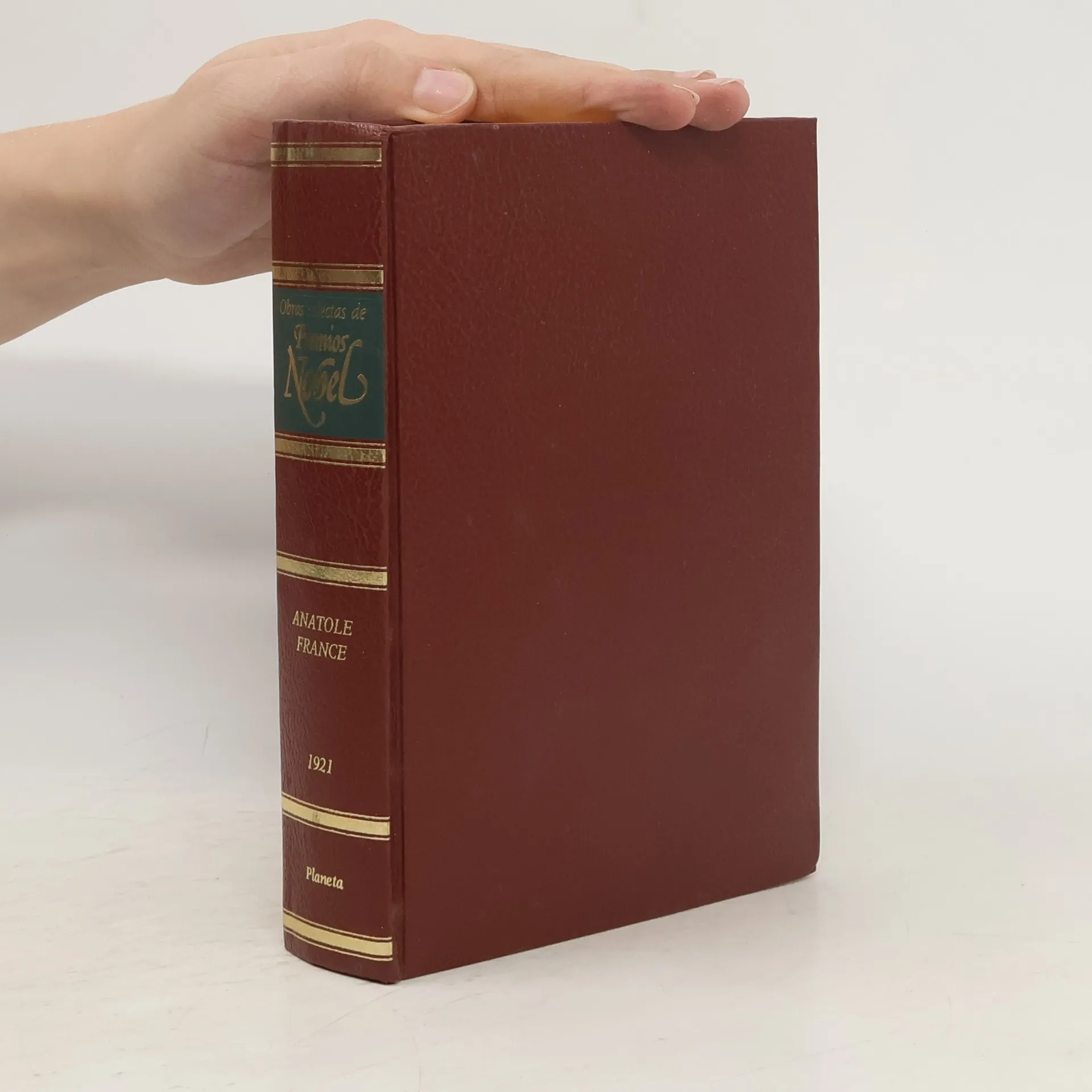
Anatole France, 1921
- 648pagine
- 23 ore di lettura
Tres novelas de Anatole France en la Colección de Premios Nobel de Literatura (1921): -Los dioses tienen sed. -El figón de la reina Patoja. -La isla de los pingüinos.
Kniha esejí vykládá autorův přístup k vzdělanostní a společenské skutečnosti na přelomu 19. a začátku 20. stol.
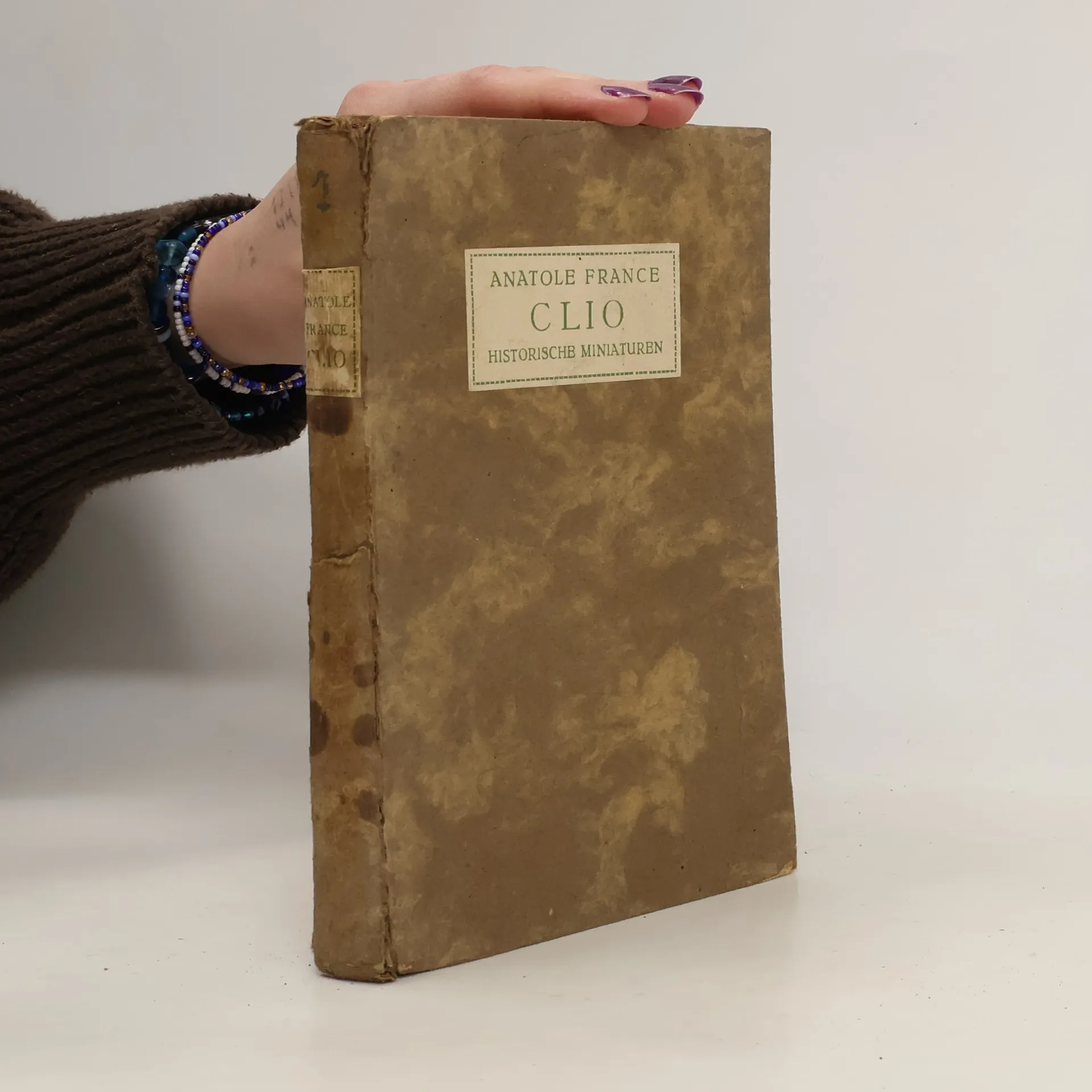
Clio
Historische Miniaturen
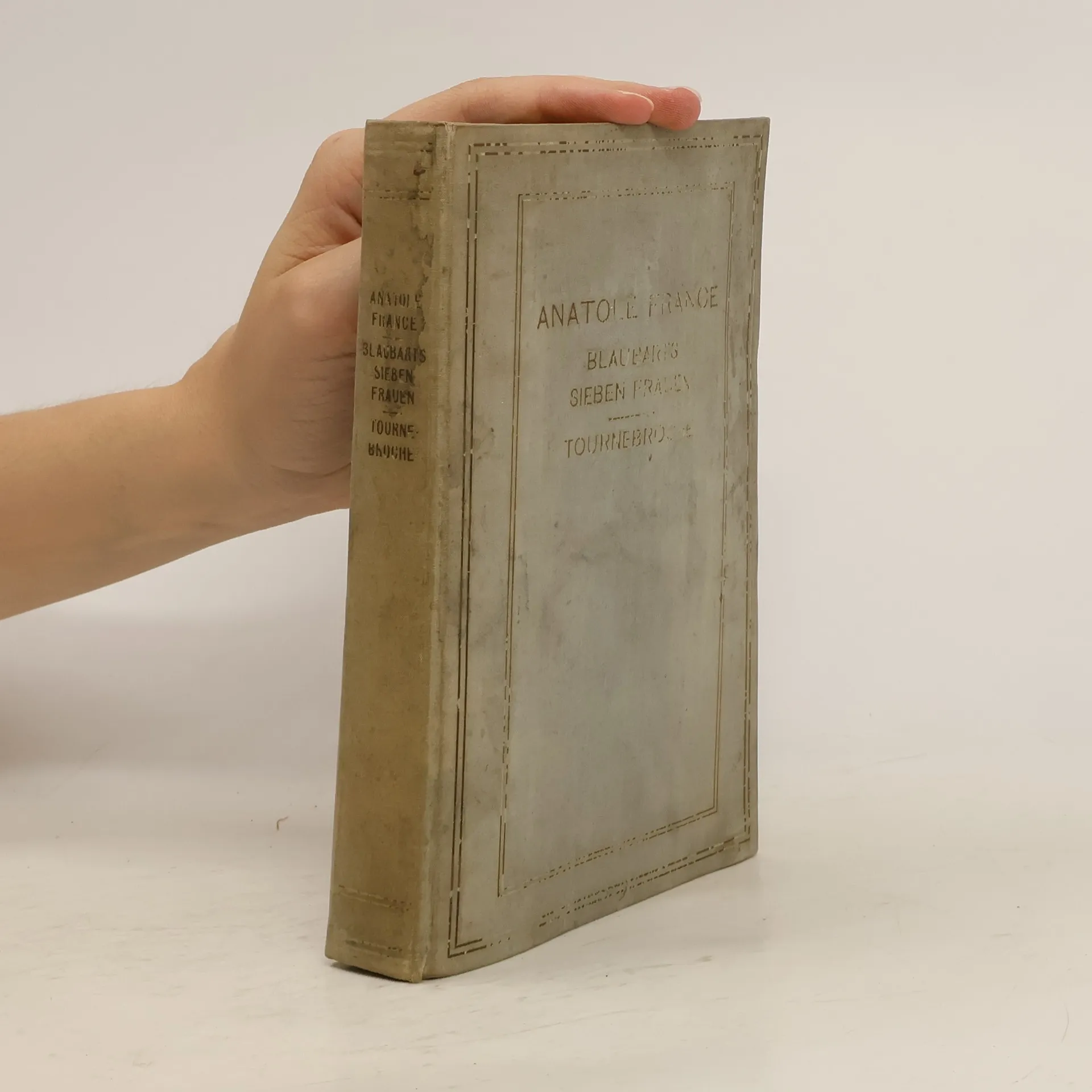
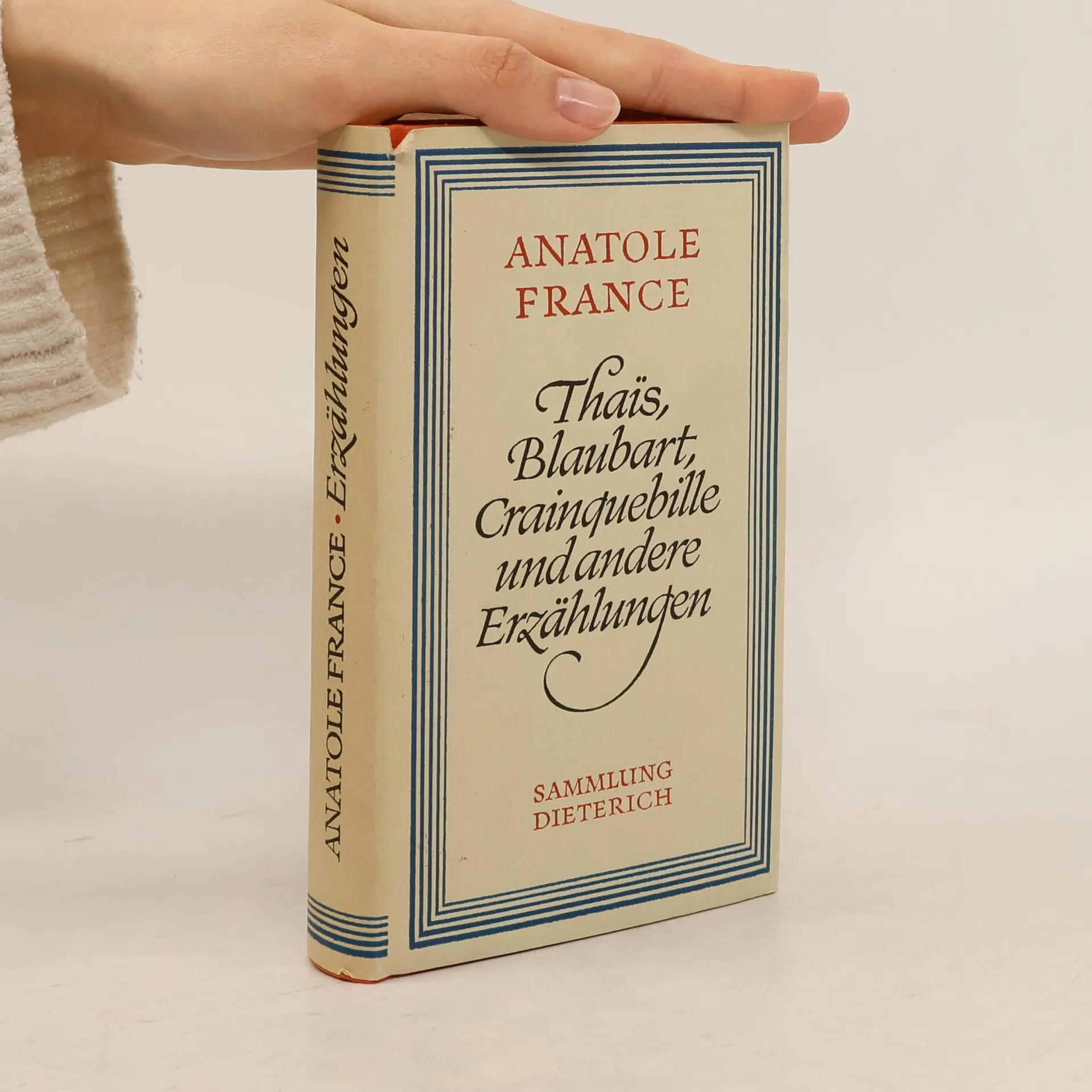
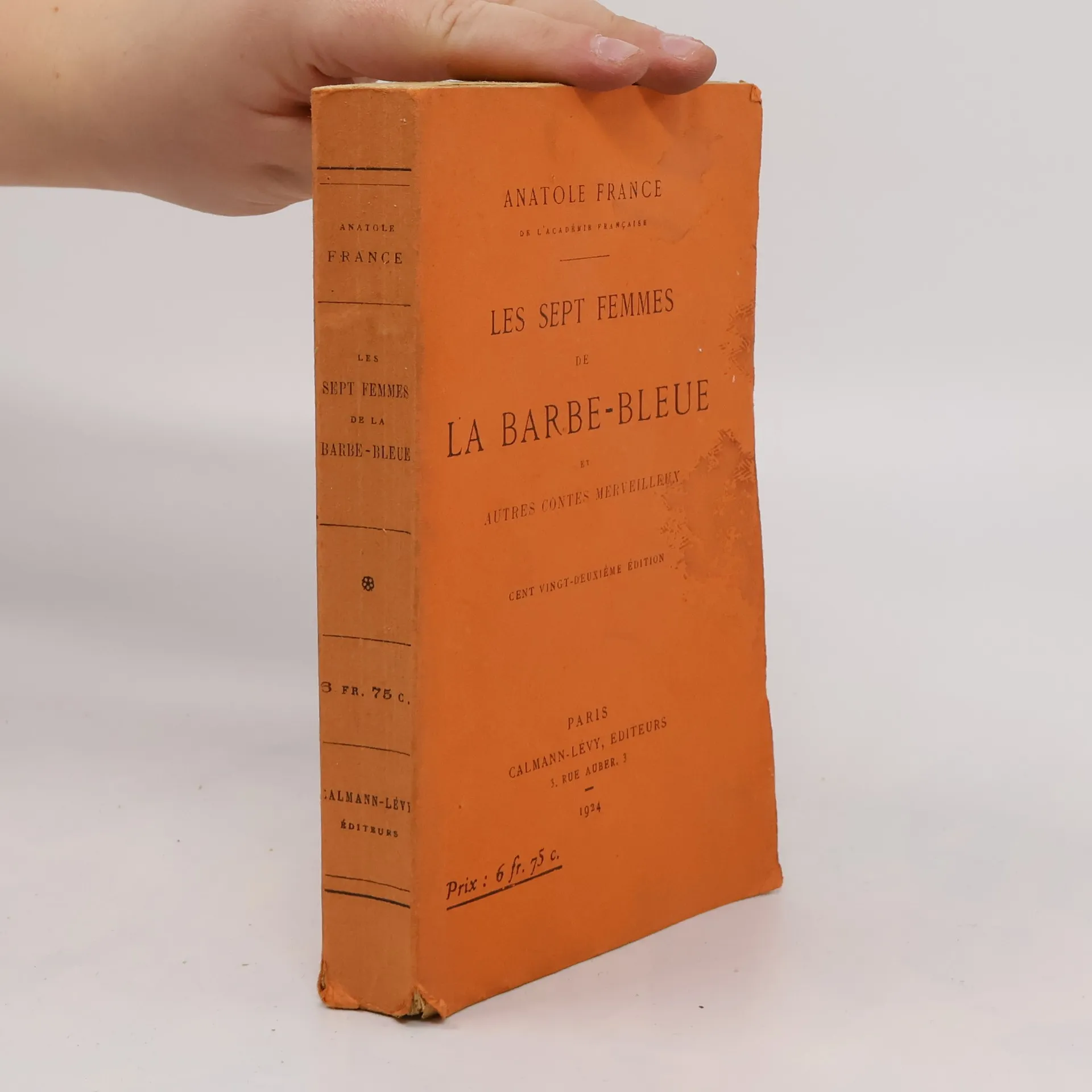
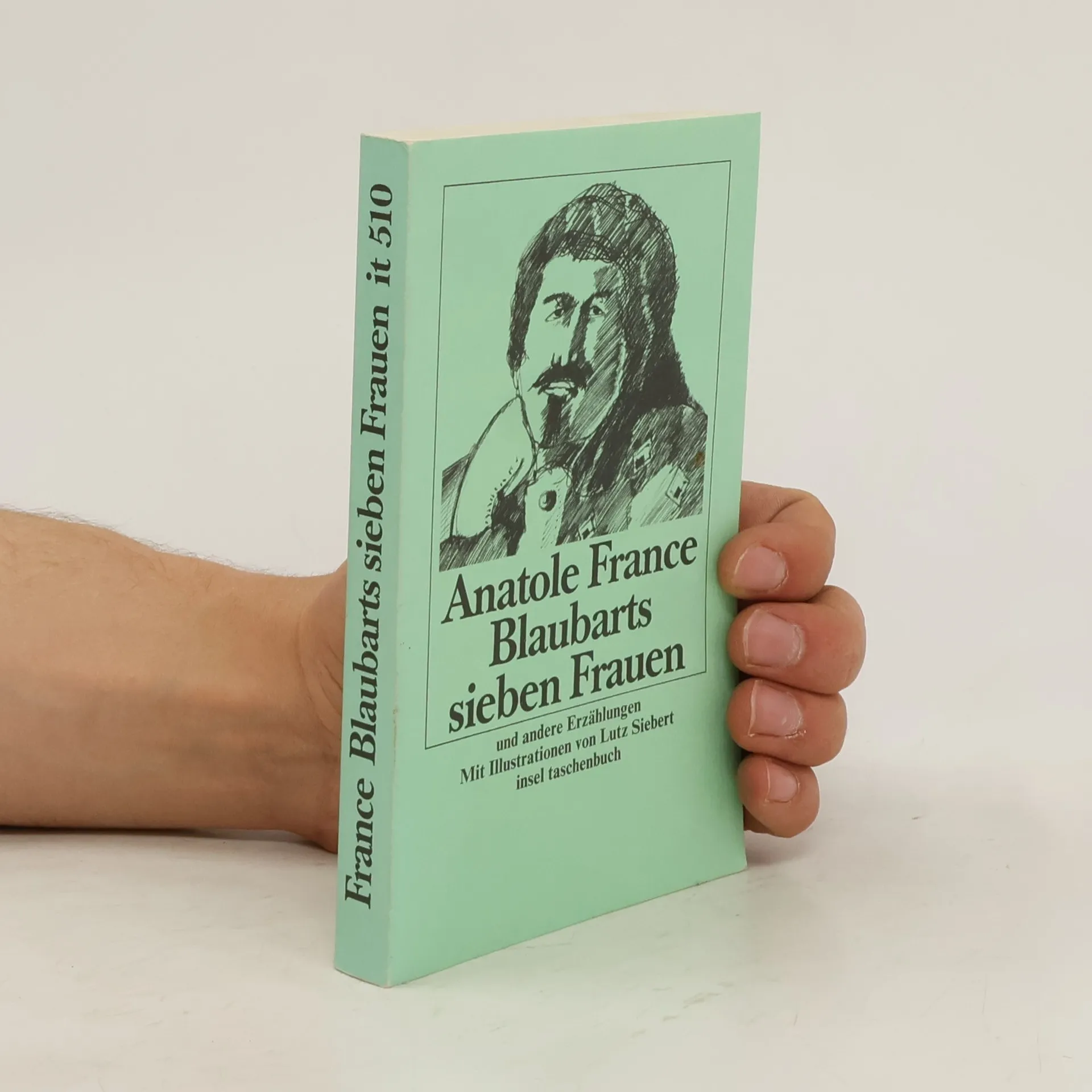
Blaubarts sieben Frauen u. and. Erzählungen.
- 290pagine
- 11 ore di lettura
Anatole France: Gesammelte Erzählungen
- 84pagine
- 3 ore di lettura
Anatole France (1844-1924) war ein renommierter französischer Schriftsteller und Nobelpreisträger. Er ist bekannt für seine Romane wie "Die Insel der Pinguine" und "Die Götter dürsten". Diese Sammlung umfasst Geschichten wie "Crainquebille", "Putois" und "Der verkannte Patriot", die seine Erzählkunst widerspiegeln.
Anatole France: Erzählungen
- 196pagine
- 7 ore di lettura
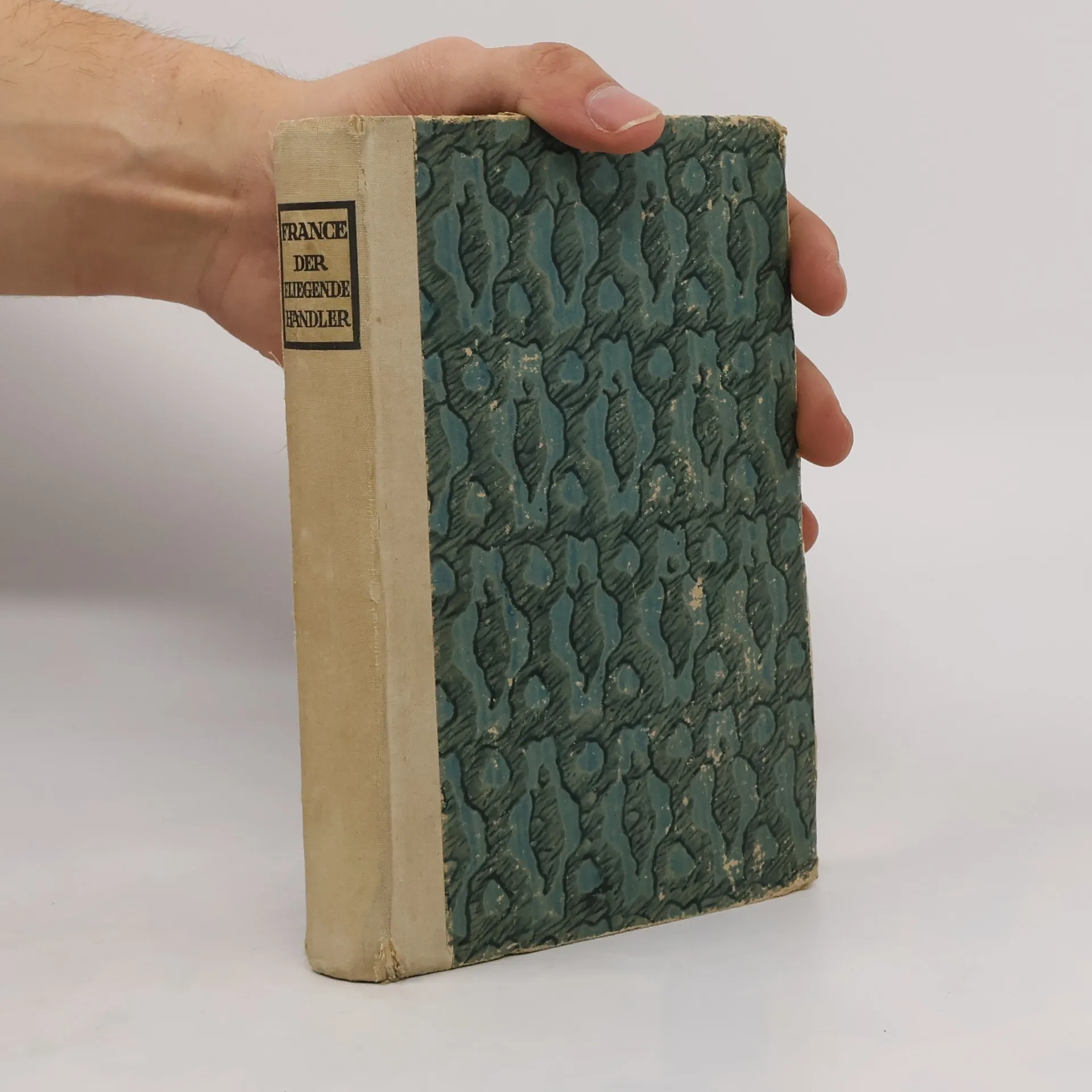
Anatole France (1844-1924) war ein renommierter französischer Schriftsteller und Nobelpreisträger. Seine Sammlung "Der fliegende Händler" umfasst mehrere Erzählungen, die verschiedene Themen wie Glück, Tugend und menschliche Beziehungen behandeln. France wird heute vor allem als Romancier geschätzt.