This edition focuses on making historical works accessible to individuals with impaired vision through large print. Published by Megali, the book is a reproduction of an original text, ensuring that important historical content is preserved and easily readable for a wider audience.
Bayard Taylor Ordine dei libri (cronologico)
11 gennaio 1825 – 19 dicembre 1878
Bayard Taylor fu un poeta, critico letterario, traduttore e scrittore di viaggi americano. La sua opera è caratterizzata da acute osservazioni di diverse culture e paesaggi, rese con un coinvolgente stile narrativo. Taylor affrontò il suo mestiere con una profonda curiosità per il mondo e la sua gente, evidente nelle sue descrizioni dettagliate e vivide. I suoi scritti esplorano frequentemente temi di viaggio, scoperta e comprensione interculturale.


A Journey to Central Africa
- 540pagine
- 19 ore di lettura
Originally published in 1857, this reprint offers readers a chance to explore the historical context and themes of the era. It captures the essence of the time through its narrative and characters, providing insights into the social dynamics and cultural influences of the period. The book's enduring relevance and literary significance make it a valuable addition to any collection.
Cyclopaedia of Modern Travel: A Record of Adventure, Exploration and Discovery, for the Past Fifty Years
- 960pagine
- 34 ore di lettura
The book is a reprint of a classic work originally published in 1856, preserving the historical context and insights of its time. It offers readers a glimpse into the themes and issues prevalent during the mid-19th century, making it a valuable resource for those interested in the era's literature and societal reflections. The reprint aims to maintain the authenticity of the original text while making it accessible to contemporary audiences.
Northern Travel
- 440pagine
- 16 ore di lettura
This reprint presents a classic work originally published in 1858, offering readers a chance to explore the themes and context of the time. The book retains its historical significance and literary value, showcasing the author's unique style and perspective. Readers can expect an authentic experience of the period's culture and ideas, making it a valuable addition to any collection of historical literature.
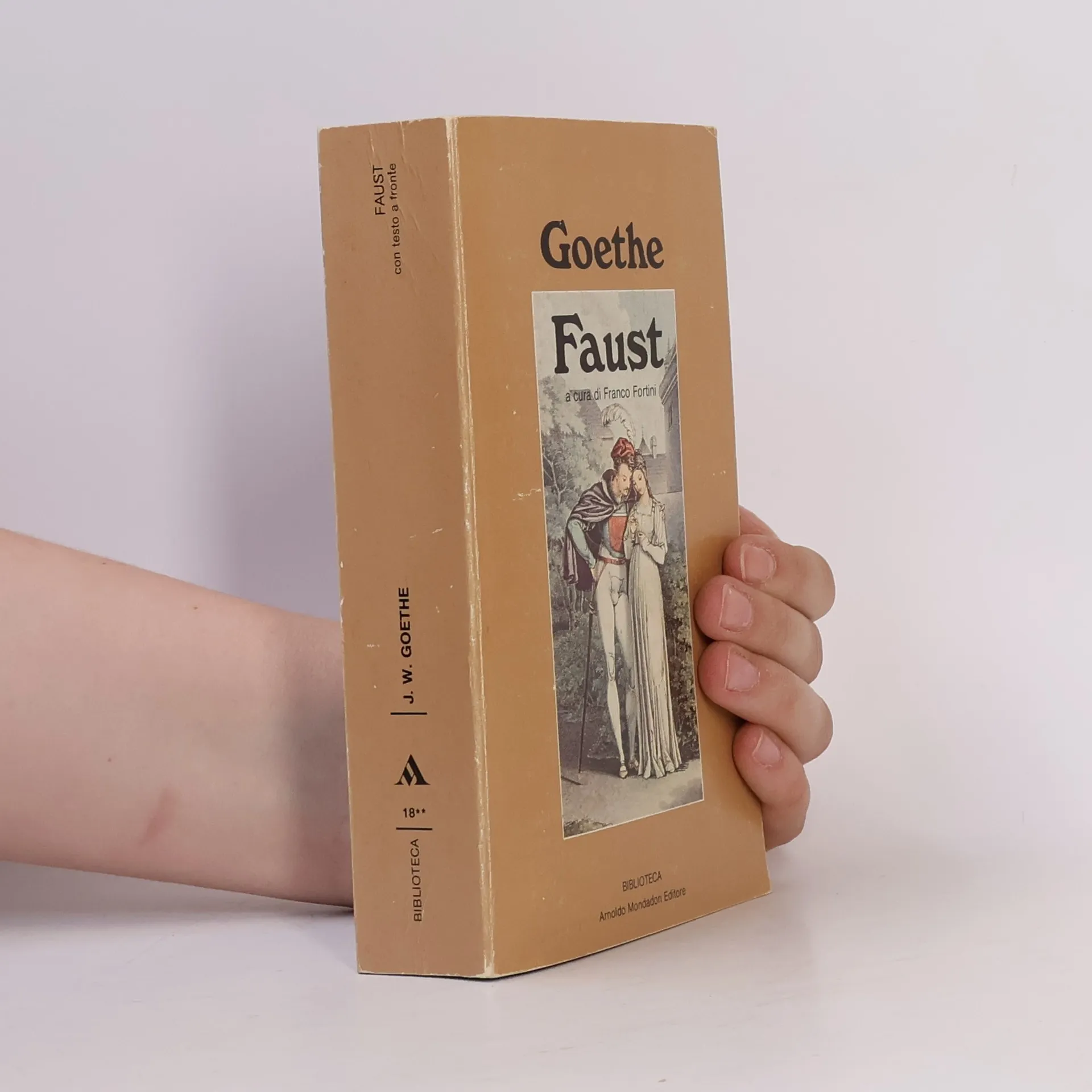
Faust I and II
- 329pagine
- 12 ore di lettura
Goethe's most complex and profound work, Faust was the effort of the great poet's entire lifetime. Written over 60 years, it can be read as a document of Goethe's moral and artistic development. Faust is made available to the English reader in a completely new translation that communicates both its poetic variety and its many levels of tone. The language is present-day English, and Goethe's formal and rhythmic variety is reproduced in all its richness.
Goethe scrisse per oltre 60 anni il suo Faust, definendo "questi molto seri scherzi" il suo "principale affare". Ne derivò una delle opere più grandiose e complesse della letteratura mondiale, interpretata come tragedia umana, mistero religioso e, in particolare nel Secondo Parte, come una profetica avvertenza sui pericoli dei moderni processi economici. L'opera esplora temi come la ricerca del significato, il conflitto tra il bene e il male, e la tensione tra aspirazioni umane e limiti morali. Attraverso il patto di Faust con Mefistofele, Goethe affronta la questione della conoscenza e del potere, interrogandosi sulle conseguenze delle scelte umane. La narrazione si sviluppa in un contesto ricco di simbolismo e riferimenti culturali, rendendo il testo un'opera fondamentale per comprendere la condizione umana e le sfide del progresso.
Testo originale a fronte
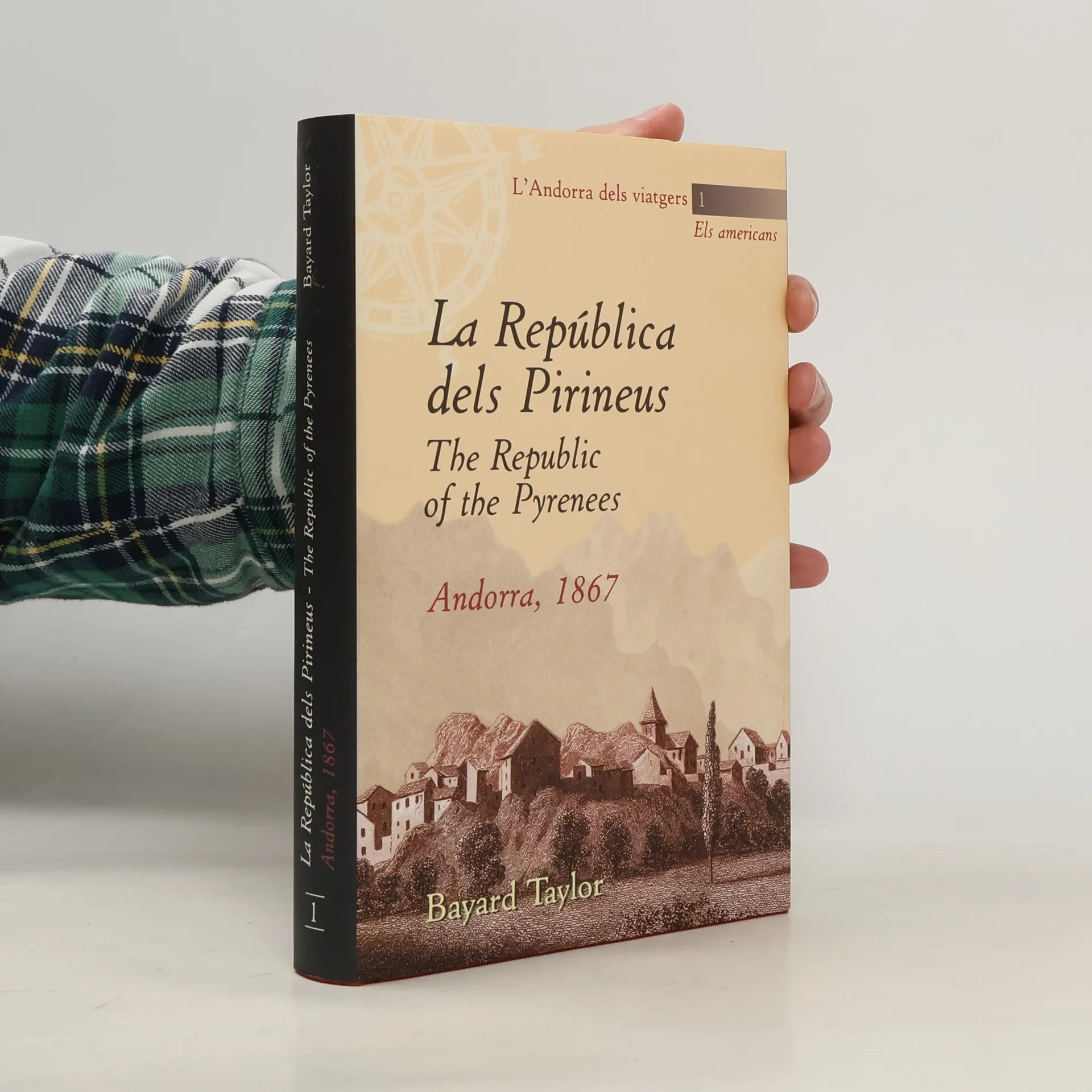
La República dels Pirineus, Andorra, 1867
- 245pagine
- 9 ore di lettura
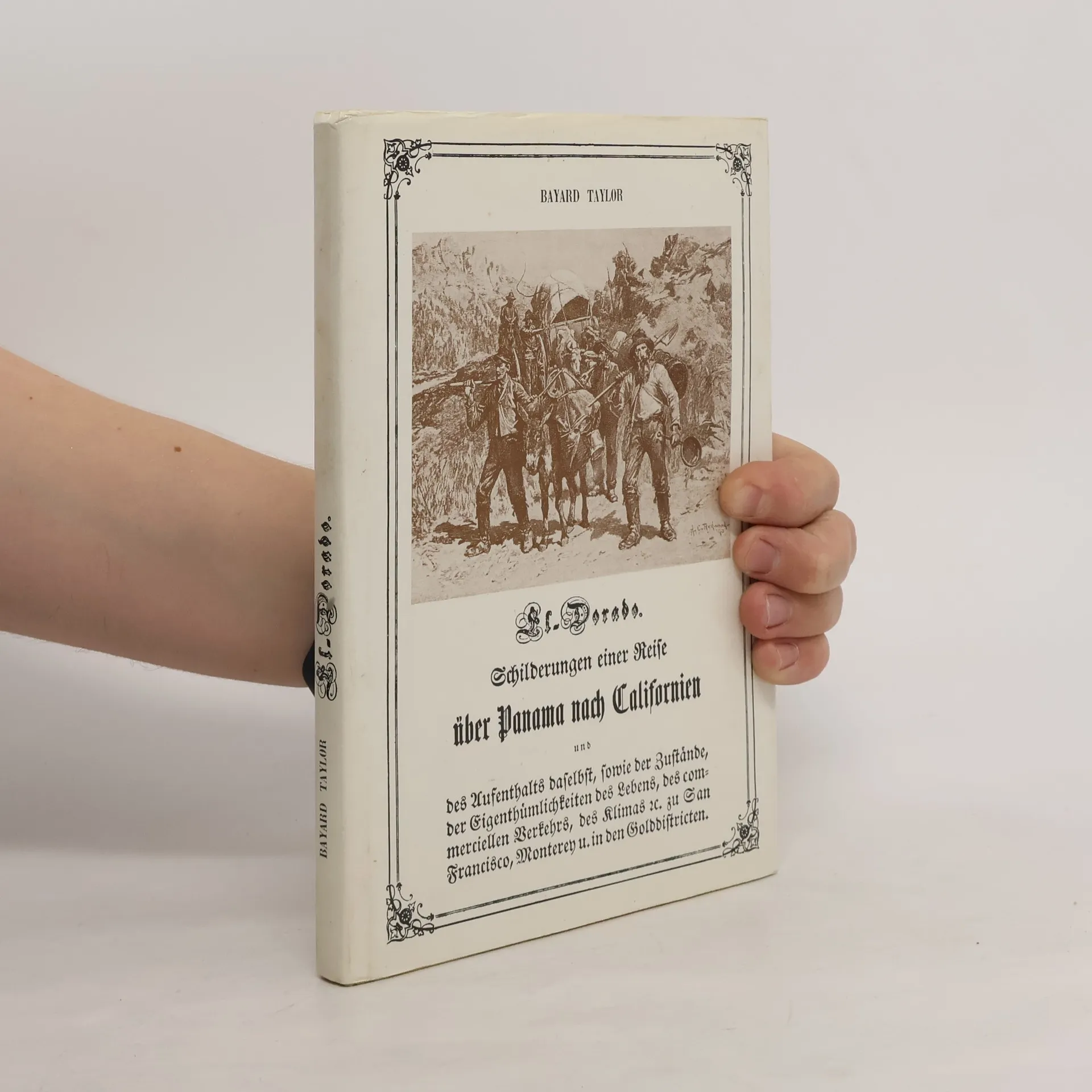
Das Eldorado, das Bayard Taylor in seiner jugendlichen Poesie imaginierte, war nicht halb so fabelhaft wie das Kalifornien, das er im historischen Jahr 1849 tatsächlich sah. Er schloss sich der Flut der Goldsucher an, nicht als Glücksritter, sondern als Journalist, und segelte von New York auf einem überfüllten Dampfer. Der Anblick von San Francisco überwältigte ihn: die brodelnden Berge, das Wasser und die Luft, die wenigen hundert Häuser, die sich vor seinen Augen zu vermehren schienen, und die Straßen, die von Menschen "einer vielfältigen und bizarren Art" wimmelten. Der Immobilienmarkt boomte, und Vermögen wurden in zwei Monaten gemacht, verloren und wiedergewonnen. Bevor Taylor 1850 über Mexiko nach New York zurückkehrte, würde er die Missionen, Goldlager und verstreuten Ranches im Landesinneren besichtigen; das landwirtschaftliche Potenzial der Täler notieren; und mit den überlandziehenden Auswanderern sprechen. Indem er den fieberhaften Puls einer zusammengewürfelten Gesellschaft erfasste, würde er, wie alle anderen, durch Kalifornien verändert werden.