

The New Job & The Owl
- 42pagine
- 2 ore di lettura


Erzählungen
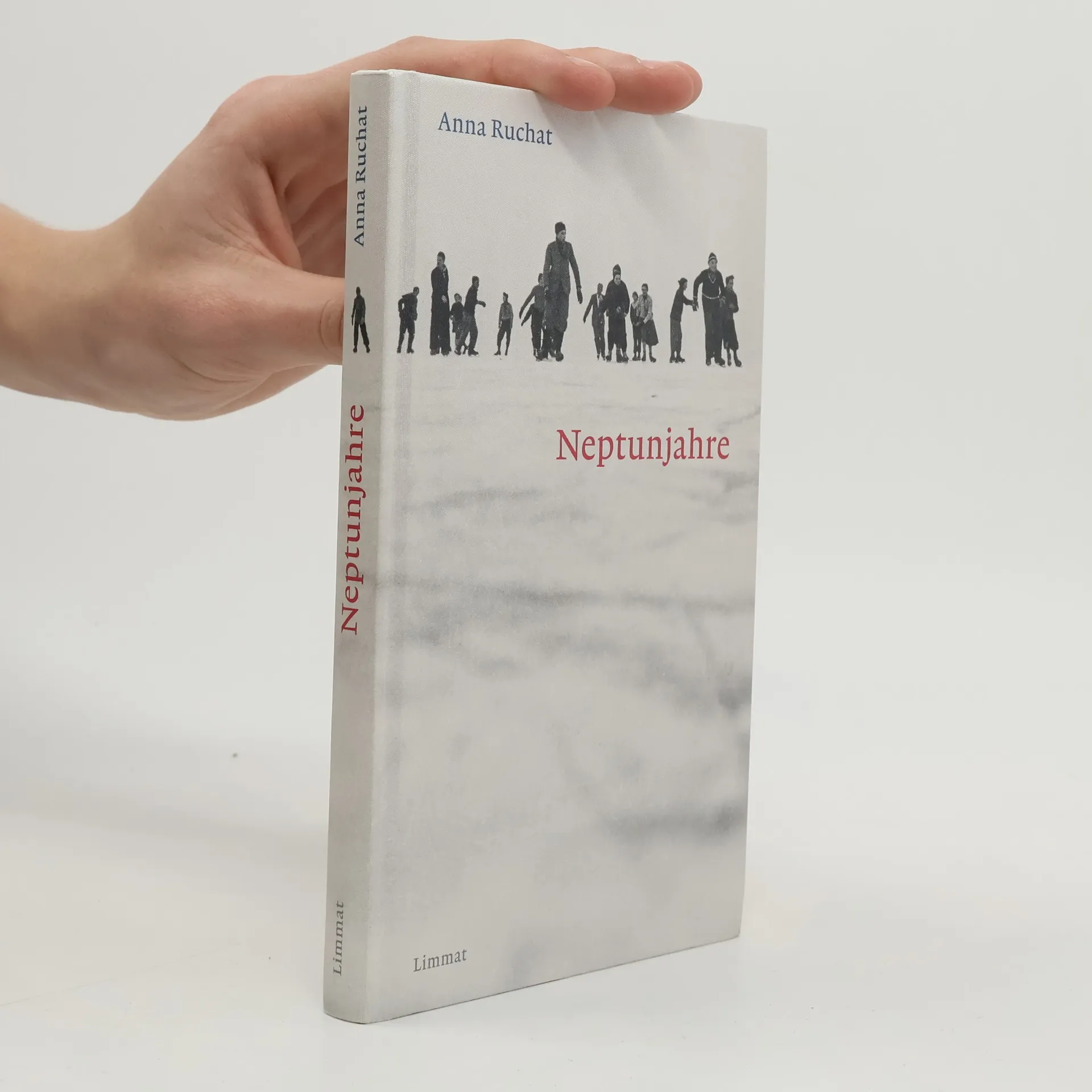
Eine betagte Mutter beobachtet nach einem Sturz bei sich zu Hause die Unruhe ihrer einzigen Tochter, die sich von ihrer Arbeit herbemüht hat, um ihr beizustehen. Ein nicht mehr junger Mann sitzt frühmorgens an seinem Arbeitstisch und schickt sich an, seiner Frau die Gründe für seinen endgültigen Abschied von ihr und ihren gemeinsamen Kindern darzulegen. Eingeleitet und damit in die Zeit eingeschrieben sind die zwölf Erzählungen mit Hinweisen auf bestimmende Ereignisse aus vier Jahrzehnten wie die Seegfrörni 1963 in Zürich oder die Schwarzenbach-Initiative 1970, aber auch auf ephemere wie die Gründung der Schweizerischen Gesellschaft für Gartenkultur 1983 oder die Erstausgabe einer belgischen Briefmarke im Jahr 2000. «Neptunjahre» umfasst zwölf Erzählungen, die jeweils einem der Kalendermonate zugeordnet und auf vier Jahrzehnte verteilt sind. In dichten, stupenden und einfühlsamen Bildern entsteht ein eindrückliches Panorama, ein Jahreskreis der Conditio humana.
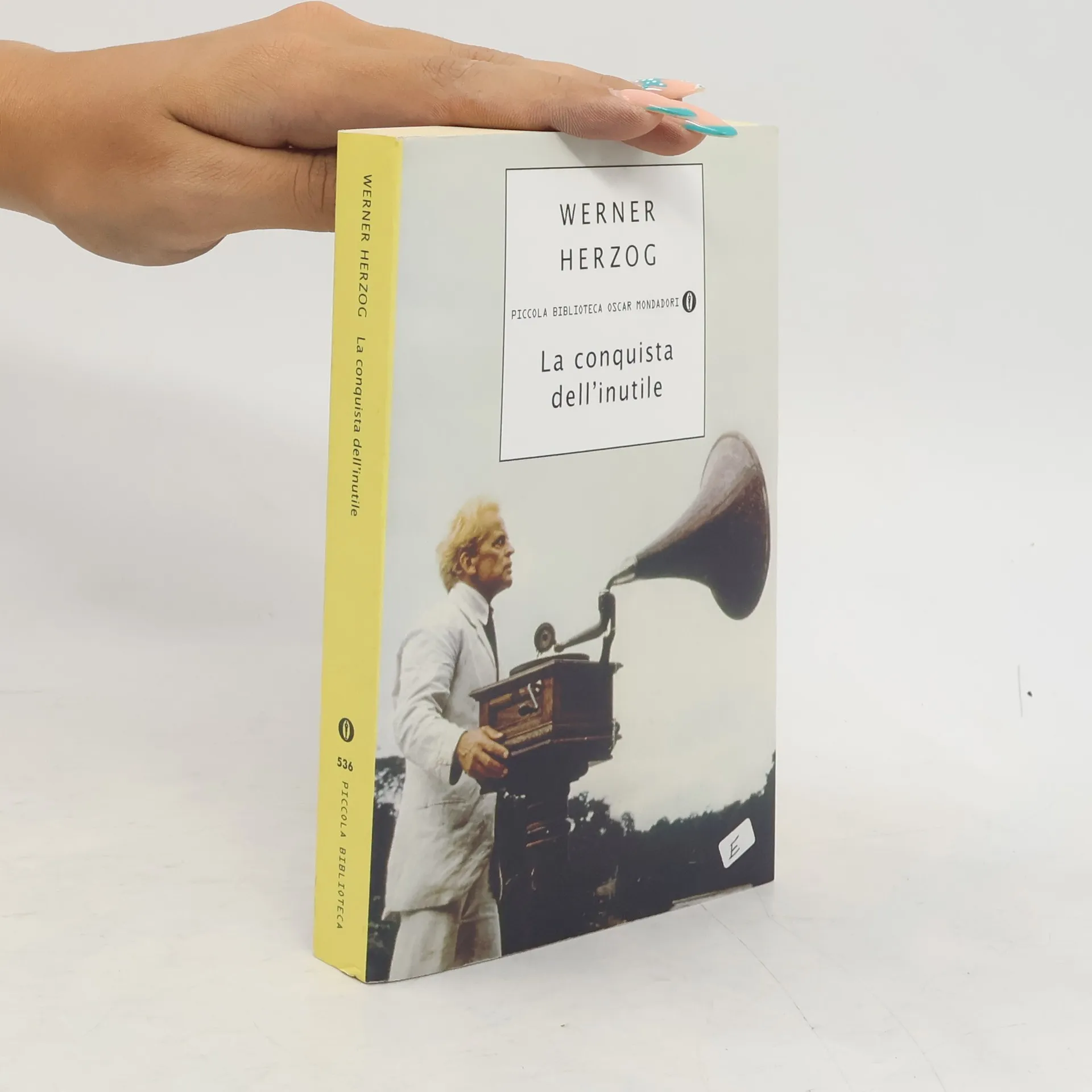
Questo testo raccoglie il lungo diario tenuto da Werner Herzog durante i due anni e mezzo di lavorazione del suo film "Fitzcarraldo" nella giungla amazzonica, tra il giugno 1979 e il novembre 1981. Protagonisti di queste pagine sono, come nel film, la lussureggiante foresta pluviale e le sue popolazioni di indios che a centinaia lavorarono come comparse nella pellicola, oltre a Klaus Kinski, l'attore preferito di Herzog. Nel descrivere la quotidianità di un'impresa che non ha nulla di quotidiano, Herzog arriva a ripensarsi radicalmente come artista e come uomo, riflettendo sul ruolo dell'arte, sul concetto di civilizzazione, sul senso della violenza e sull'ineluttabile crudeltà della natura.
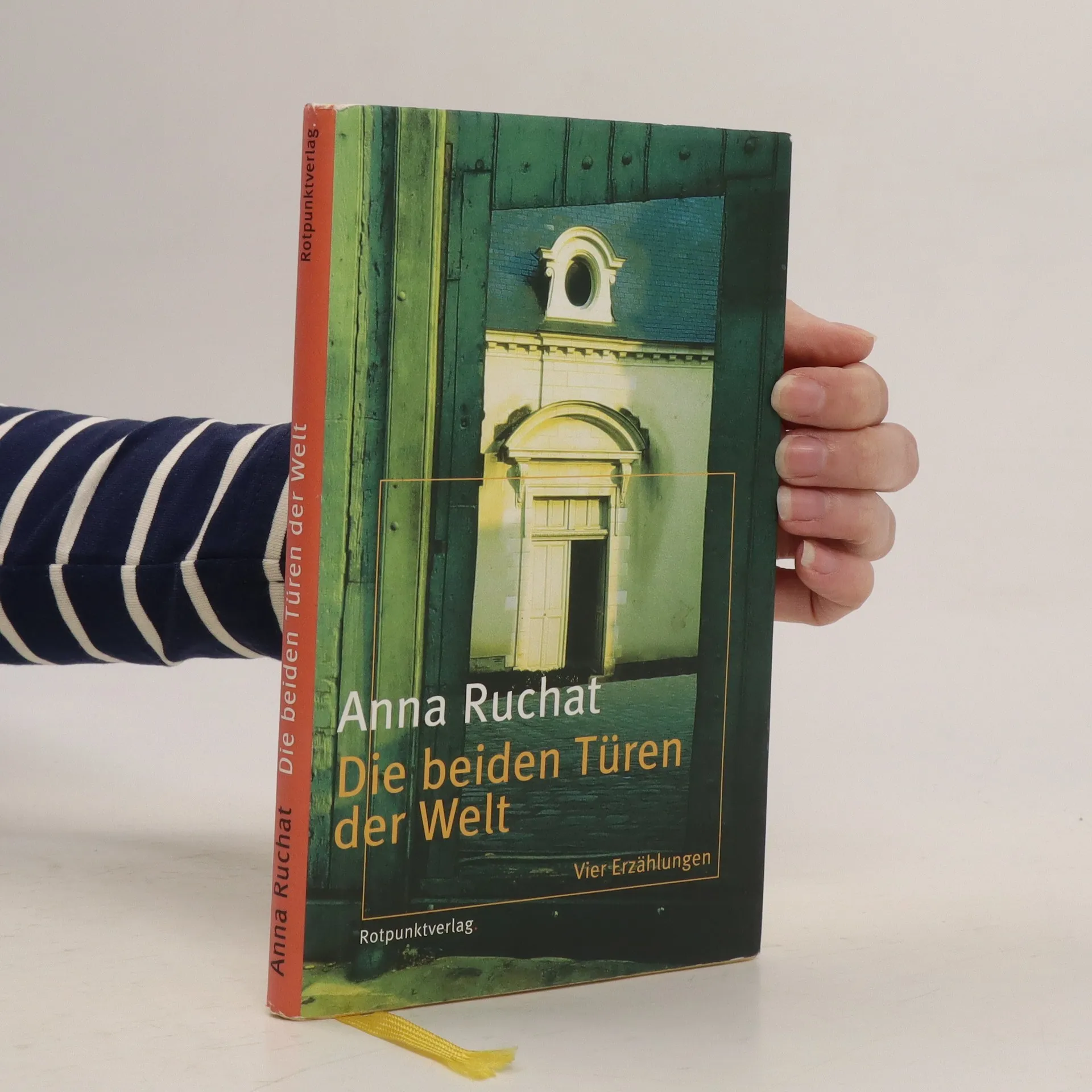
Quattro racconti per un libro malinconico e a volte persino crudele sui capricci di un destino che sembra prendersi gioco delle nostre vite, fatte di incontri e separazioni, di oblio e perdite che non ammettono consolazione.
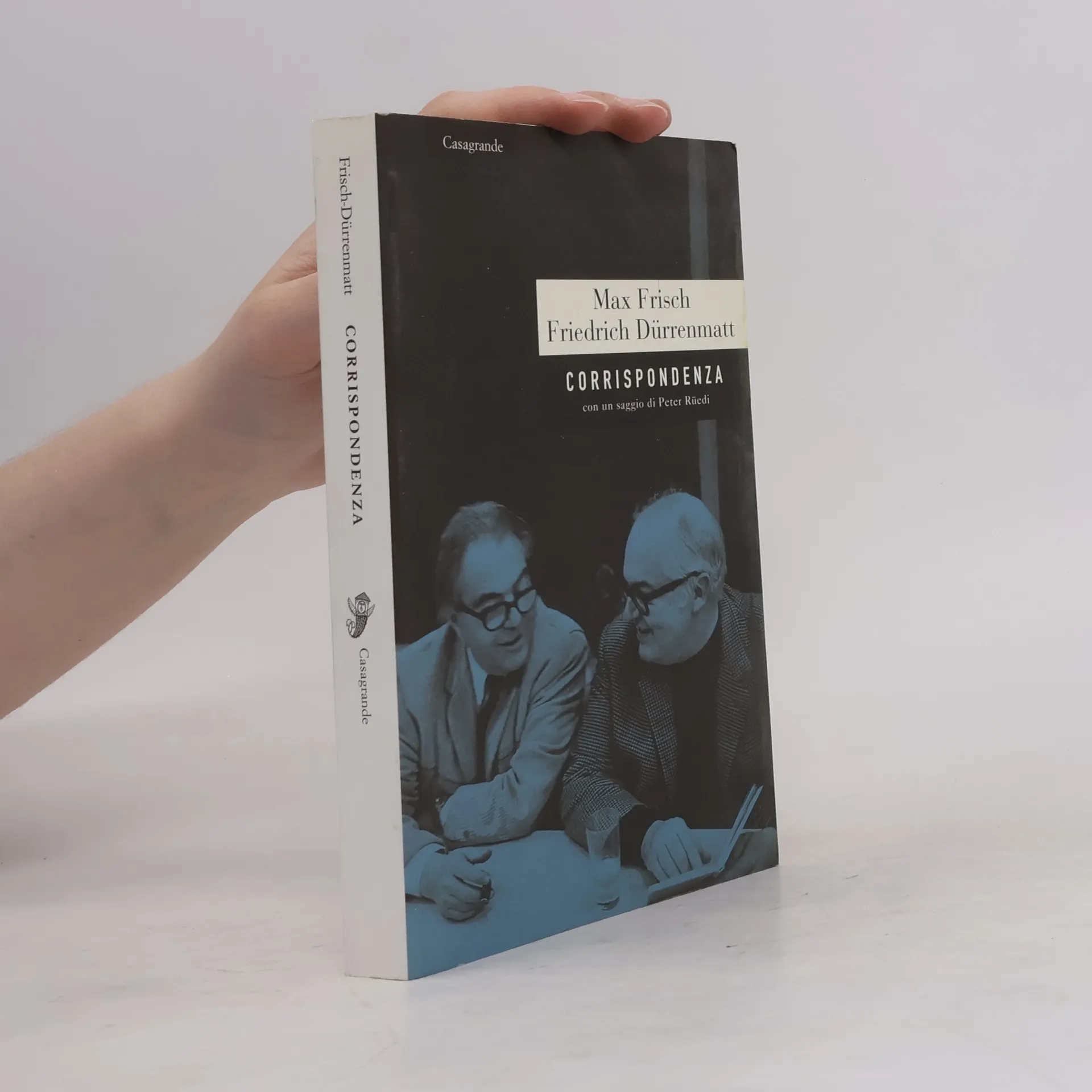
Together Max Frisch and Friedrich Dürrenmatt are not only two of the most esteemed Swiss writers of the twentieth century, but arguably two of the most important European writers since World War II. The remarkable letters gathered here document their unique, unlikely, and extraordinary friendship. This collection of correspondence offers a picture of two temperaments that could not have been more different. As their letters show, at first their friendship was tentative, both critical and respectful, as one might imagine of two contemporary literary giants. Then, under the pressure of their increasing fame, Frisch and Dürrenmatt’s letters became more teasing in spirit and began to carry a noted undertone of irony. Finally, perhaps inevitably, the friendship became seriously endangered and failed. Available in English for the first time, this collection includes an introduction by Peter Rüedi that places the letters within the context of the authors’ lives and works, as well as the larger historical events of the time. Detailed notes, a chronology, photographs, and facsimiles of the original letters complete the book, which will be engaging reading for admirers of Frisch and Dürrenmatt as well as fans of modern German writing in general.