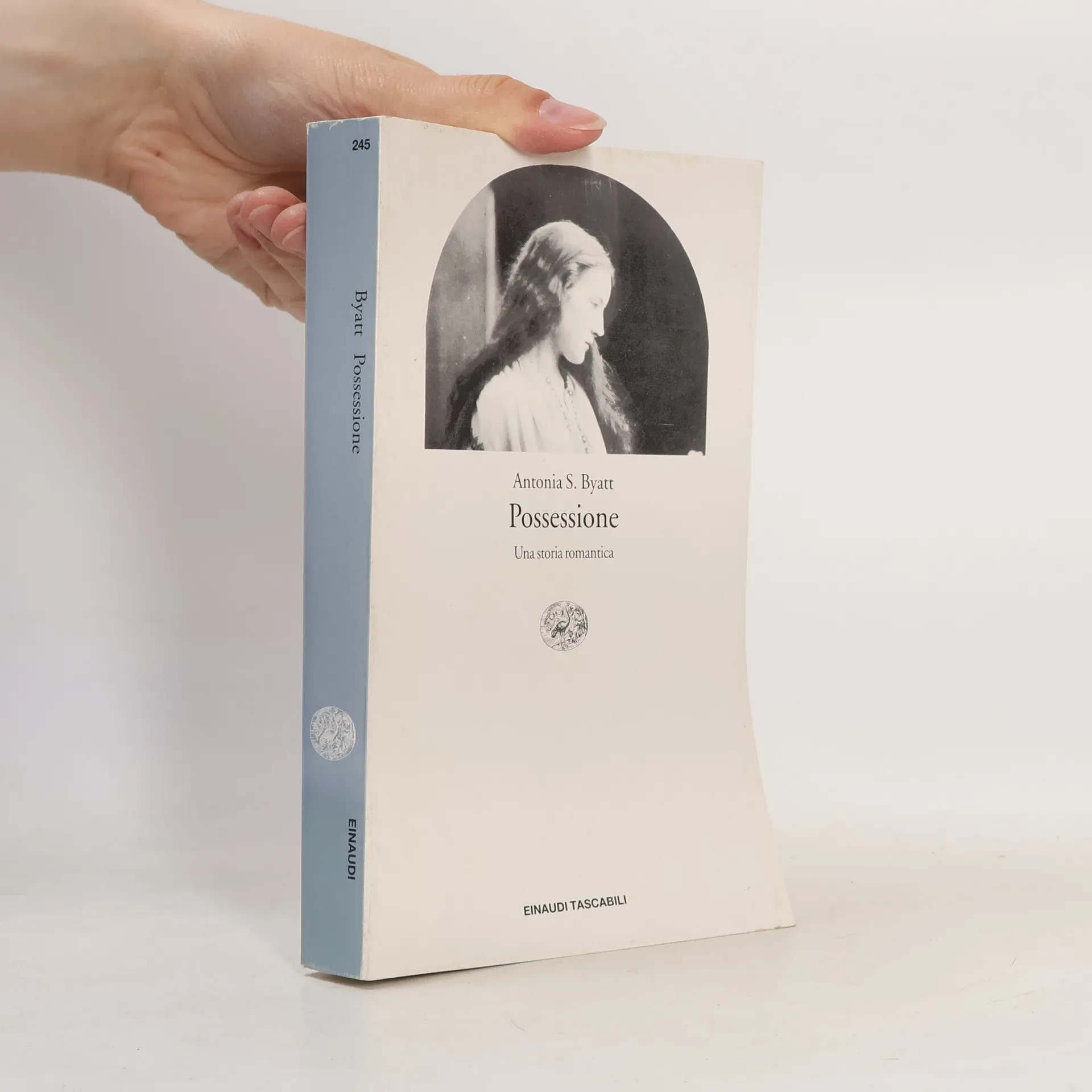
Roland Michell, giovane studioso londinese mite e riservato, trova accidentalmente in un libro appartenuto a un poeta vittoriano due minute di una lettera indirizzata a una donna. Roland s'improvvisa detective, scopre l'identità della destinataria di quella missiva e coinvolge nelle ricerche la collega Maud Bailey. Ripercorrendo i passi della donna e dell'uomo vissuti un secolo prima, visitando i luoghi dei loro incontri e studiando le opere, i due giovani ricostruiscono e ben presto rivivono, una perduta storia d'amore. I successi di pubblico e di critica mettono in luce quella passione che s'impadronisce del lettore impedendogli di separarsi dal libro finché non sarà arrivato a scoprire la traccia di verità, svelata nel rocambolesco finale.
Antonia S. Byatt Libri



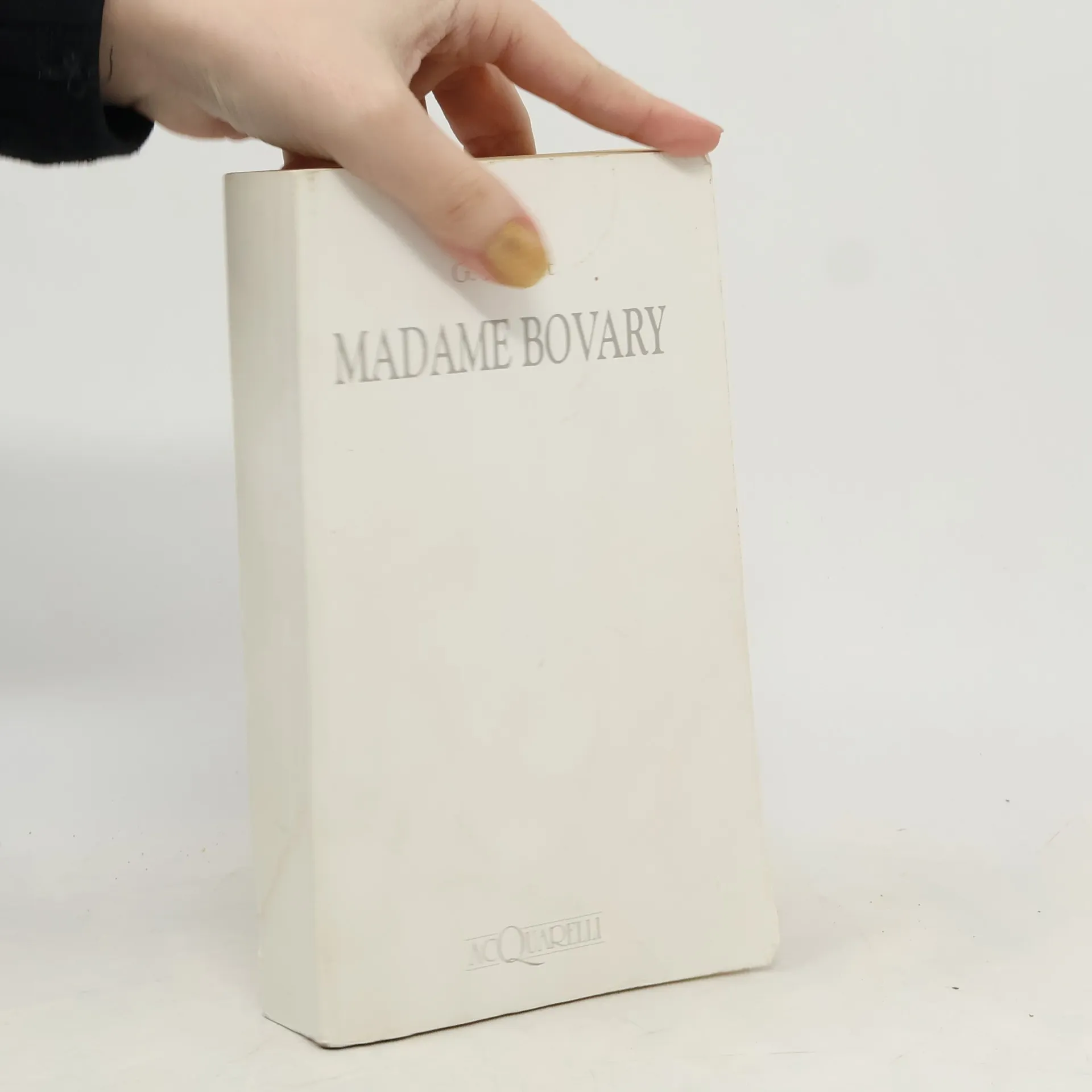
Tutto in Madame Bovary (1857) sembra disporre la scena dove il desiderio ha luogo insieme all'abisso che lo cancella. Emma Bovary ama come si divora, ama in una tragica voracità che somiglia a quella di un organismo incapace di assimilare, consuma se stessa e l'oggetto del suo desiderio in un tragico processo di alienazione amorosa, aiutata anche dal marito, Charles, che è tutt'altro che un uomo tranquillo e innocuo, ma un masochista morale di alto lignaggio che, con un sadismo perfettamente camuffato, contribuisce in maniera determinante al suicidio della moglie.
A fourth collection of contemporary British literature, including poetry, essays, short stories, and previews of novels in progress. Among the many contributors, including both new and established writers, are A.S. Byatt, Nadine Gordimer, Hanif Kureishi, Fay Weldon, William Trevor and Brian Aldiss.
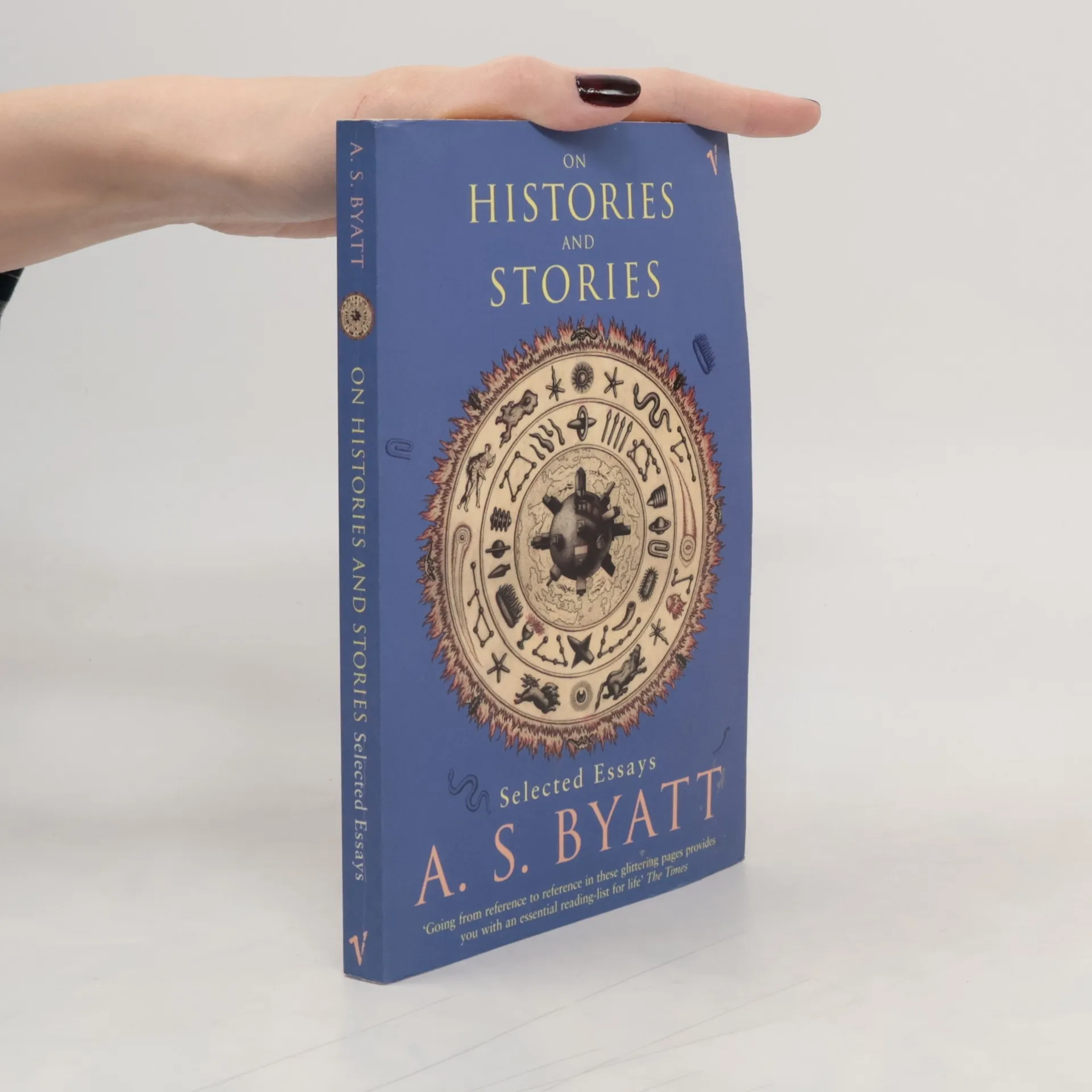
On Histories And Stories
- 208pagine
- 8 ore di lettura
In her opening essays - 'Fathers', 'Forefathers' and 'Ancestors', the author considers the renaissance of the historical novel and discusses particularly the novel of wartime experience; the surprising variety of distant pasts that British writers have invented; and the new 'Darwinian novel'. schovat popis
A luminous selection of short stories from the Booker prize-winning A. S. Byatt, celebrating over thirty years of writing With an introduction by David Mitchell Byatt takes her readers to a place that is rich in ideas, vivid in colour and wholly unforgettable. Mirrors shatter at the hairdressers when a middle-aged client explodes in rage. Snow dusts the warm body of a princess honing it into something sharp and frosted. Summer sunshine flickers on the face of a smiling child who may or may not be real. Peopled by artists, poets and fabulous creatures, these stories travel from the ancient mythic world to an English sweet factory, a Chinese restaurant to a Mediterranean swimming pool, a Turkish bazaar to a fairy-tale palace. Blazing with creativity, they show what lies beneath the veneer of the ordinary, and reveal the fantastical possibilities beyond. 'A cabinet of curiosities... Glitteringly beautiful' Sunday Times 'A cerebral extravaganza, bristling with ideas' Spectator 'Moving, witty and shocking' Sunday Telegraph
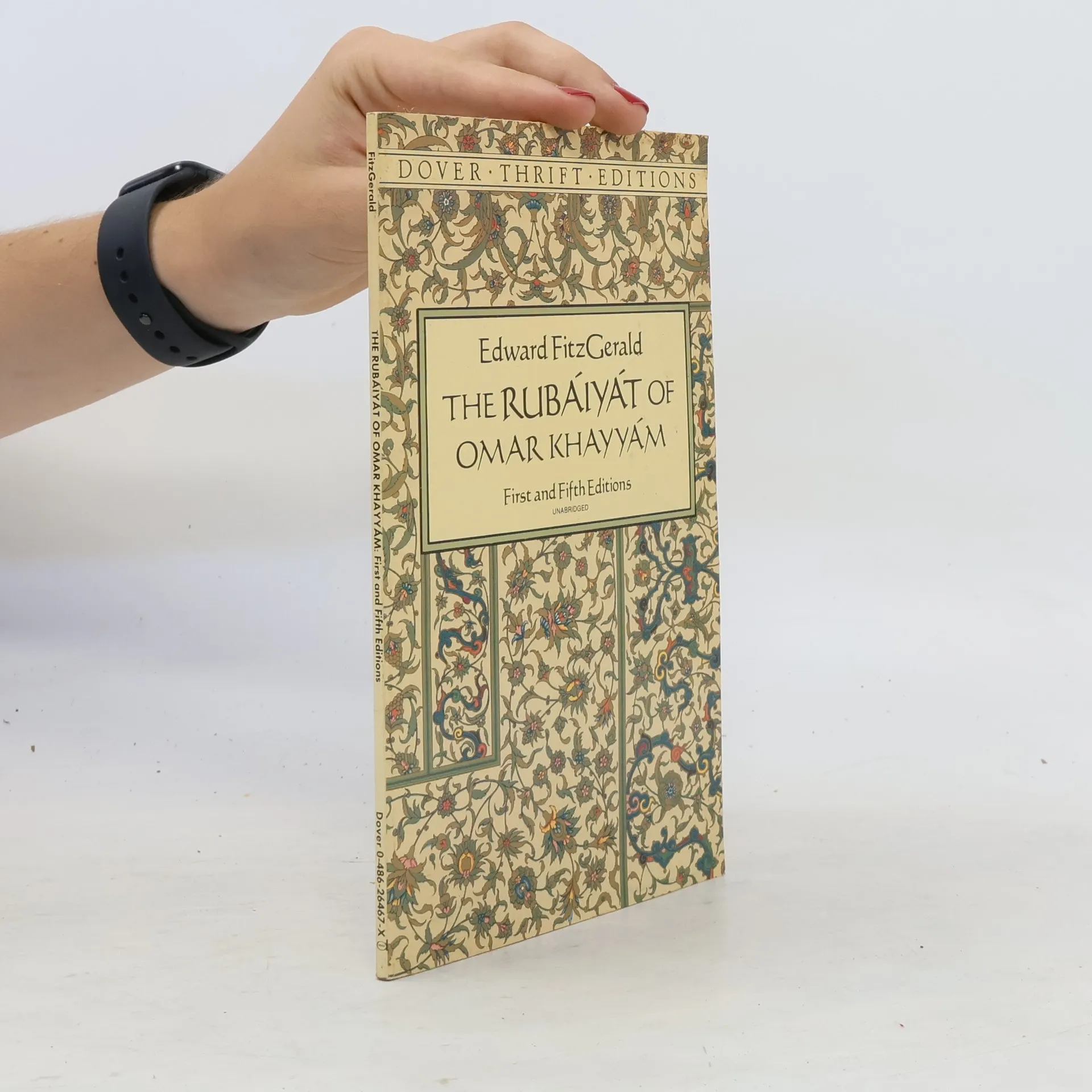
One of the best-known, most often quoted English classics. Edward FitzGeraldrsquo;s free translation of skeptical, hedonistic verse attributed to Omar Khayyaacute;m (1048ndash;1122), Persian mathematician, astronomer and philosopher. Fifth edition incorporates FitzGeraldrsquo;s handwritten changes in the fourth edition, and is traditionally printed with the first edition. Notes explaining Persian names and unfamiliar terms.
Daniel Deronda
- 816pagine
- 29 ore di lettura
A Radio 4 dramatization of George Eliot's last novel, which tells the story of young Daniel Deronda and his fateful relationship with the astonishing Gwendolen Harleth. At heart a love story, it is also a tale of mystery, betrayal and sacrifice.
Byatt's Degrees of Freedom examined the first eight novels of Iris Murdoch, identifying freedom as a central theme in all of them, and looking at Murdoch's interest in the relations between art and goodness, master and slave, and the novel of character in the nineteenth century sense.
From one of the most highly acclaimed novelists of the twentieth century: a truly remarkable book" (The New York Times), an epic story of a life lived simply in the silence of the southwestern desert. With a new introduction by Claire Messud. In 1851 Father Jean Marie Latour comes to serve as the Apostolic Vicar to New Mexico. What he finds is a vast territory of red hills and tortuous arroyos, American by law but Mexican and Indian in custom and belief. In the almost forty years that follow, Latour spreads his faith in the only way he knows—gently, all the while contending with an unforgiving landscape, derelict and sometimes openly rebellious priests, and his own loneliness. Out of these events, Cather gives us an indelible vision of life unfolding in a place where time itself seems suspended.
Still Life
- 368pagine
- 13 ore di lettura
Frederica Potter arrives at Cambridge University greedy for knowledge, sex and love. It isn’t long before she becomes infatuated with a mysterious and controlling poet. Back in Yorkshire, her sister Stephanie abandons academia and is confronted with the boredom and frustrations of motherhood. Meanwhile, their younger brother Marcus begins to recover from a nervous breakdown. Each sibling is desperate to shape their own future, but a horrifying event will soon change their lives forever.
A new volume of stories from A. S. Byatt is always a joy, and this one is rich and rare indeed. In the same distinctive format as The Matisse Stories and The Djinn in the Nightingale's Eye , this collection deals with betrayal and loyalty, quests and longings, loneliness and passion — the mysterious absences at the heart of the fullest lives. A woman walks away from her previous existence and encounters an ice-blond stranger from a secretive world; a schoolgirl draws a blood-filled picture of the biblical heroine Jael; a swimming pool reveals a beauteous monster in its depths. The settings of Elementals range from the heat of Provence in summer to the cold forests of Scandinavia, from chalk-strewn classrooms to herb-scented hillsides, from suburban streets to rocky wilds. A marvelous present for all A. S. Byatt fans, this magical collection will also serve as a perfect introduction to one of our finest contemporary writers.
Babel tower
- 624pagine
- 22 ore di lettura
Babel Tower Is The Third Novel In Byatt'S Highly Acclaimed Frederica Quartet. Frederica Is Embroiled In Two Law Cases, Twin Strands Of The Establishment'S Web, A Painful Divorce And Custody Suit And The Prosecution Of An 'Obscene' Book. Frederica'S Personal And Legal Crises Mirror An Age; Alongside Frederica'S Intellectual Life Teaching At Art School In London Are The Diverging Cultural Worlds Of The Beatles And The Advent Of Computer Languages.
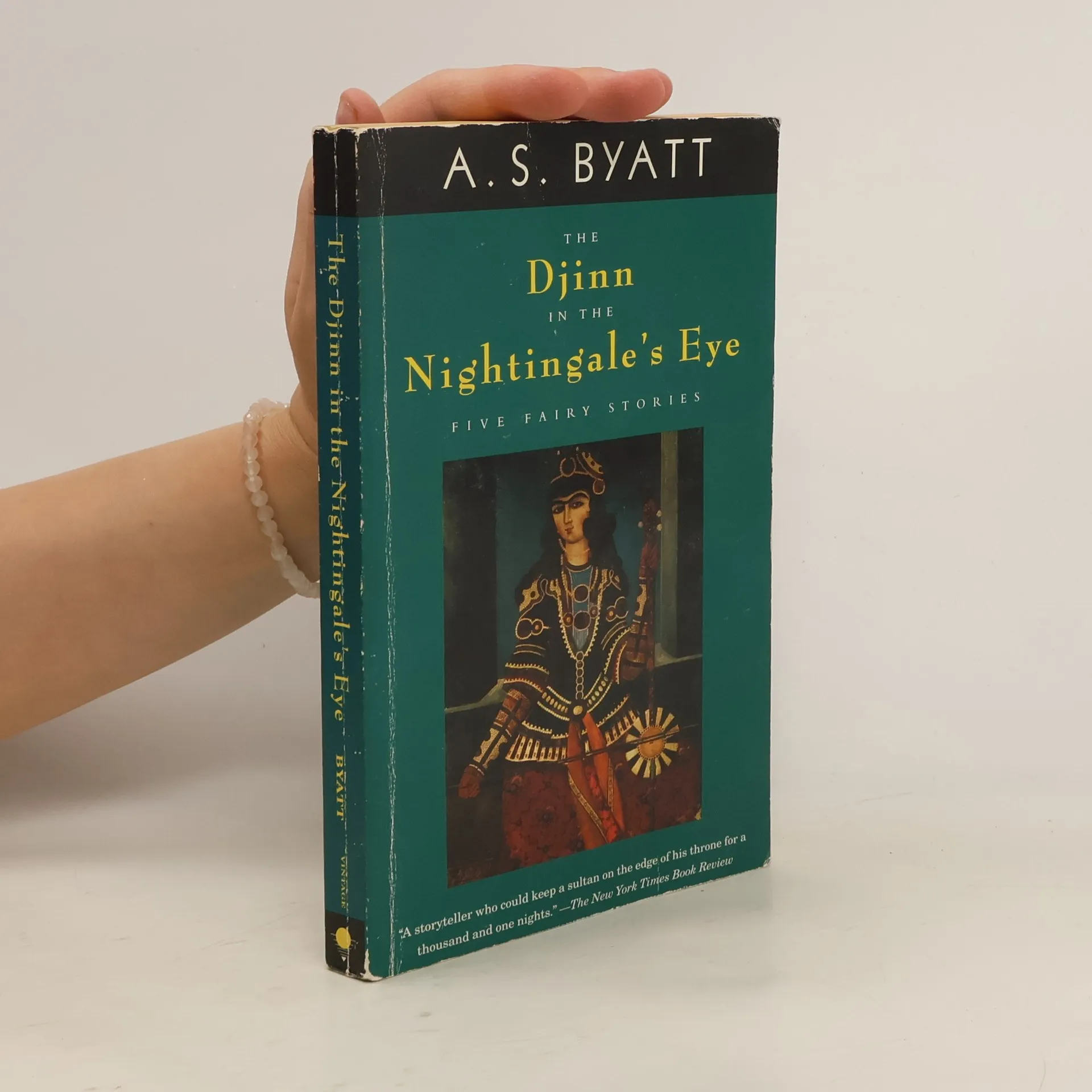
A stunning collection of fairy tales for grown-ups from the Booker Prize-winning author of Possession, a "storyteller who could keep a sultan on the edge of his throne for a thousand and one nights" (The New York Times Book Review). Includes the story “The Djinn in the Nightingale's Eye”—the basis for the George Miller film Three Thousand Years of Longing starring Idris Elba and Tilda Swinton A.S. Byatt portrays the strange relationship between an intelligent heroine—a world-renowned scholar of the art of storytelling—and the marvelous being that lives in a bottle, found in a dusty shop in an Istanbul bazaar. As Byatt renders the relationship between the woman and the being with a powerful combination of erudition and passion, she makes the interaction of the natural and the supernatural seem not only convincing, but inevitable. The companion stories in this collection each display different facets of Byatt's remarkable gift for enchantment. They range from fables of sexual obsession to allegories of political tragedy; they draw us into narratives that are as mesmerizing as dreams and as bracing as philosophical meditations; and they all inhabit an imaginative universe astonishing in the precision of its detail, its intellectual consistency, and its splendor.
The Oxford Book of English Short Stories
- 439pagine
- 16 ore di lettura
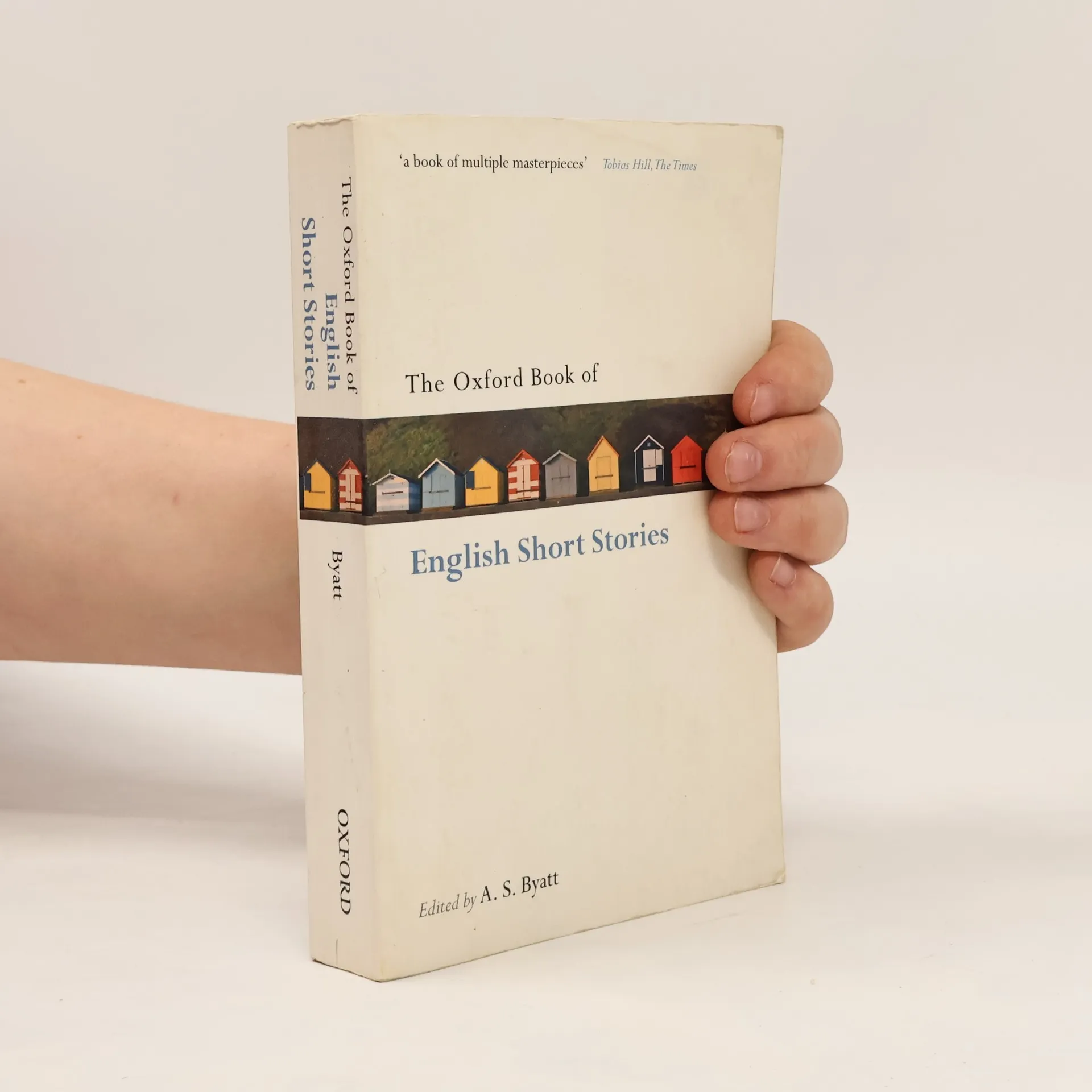
The Oxford Book of English Short Stories celebrates the excellences of the English short story. The thirty-seven stories featured here are selected from the nineteenth and twentieth centuries, by authors ranging from Dickens, Trollope, and Hardy to J. G. Ballard, Angela Carter, and Ian McEwan. They pack together comedy and tragedy, farce and delicacy, elegance and the grotesque, with language as various as the subject-matter.
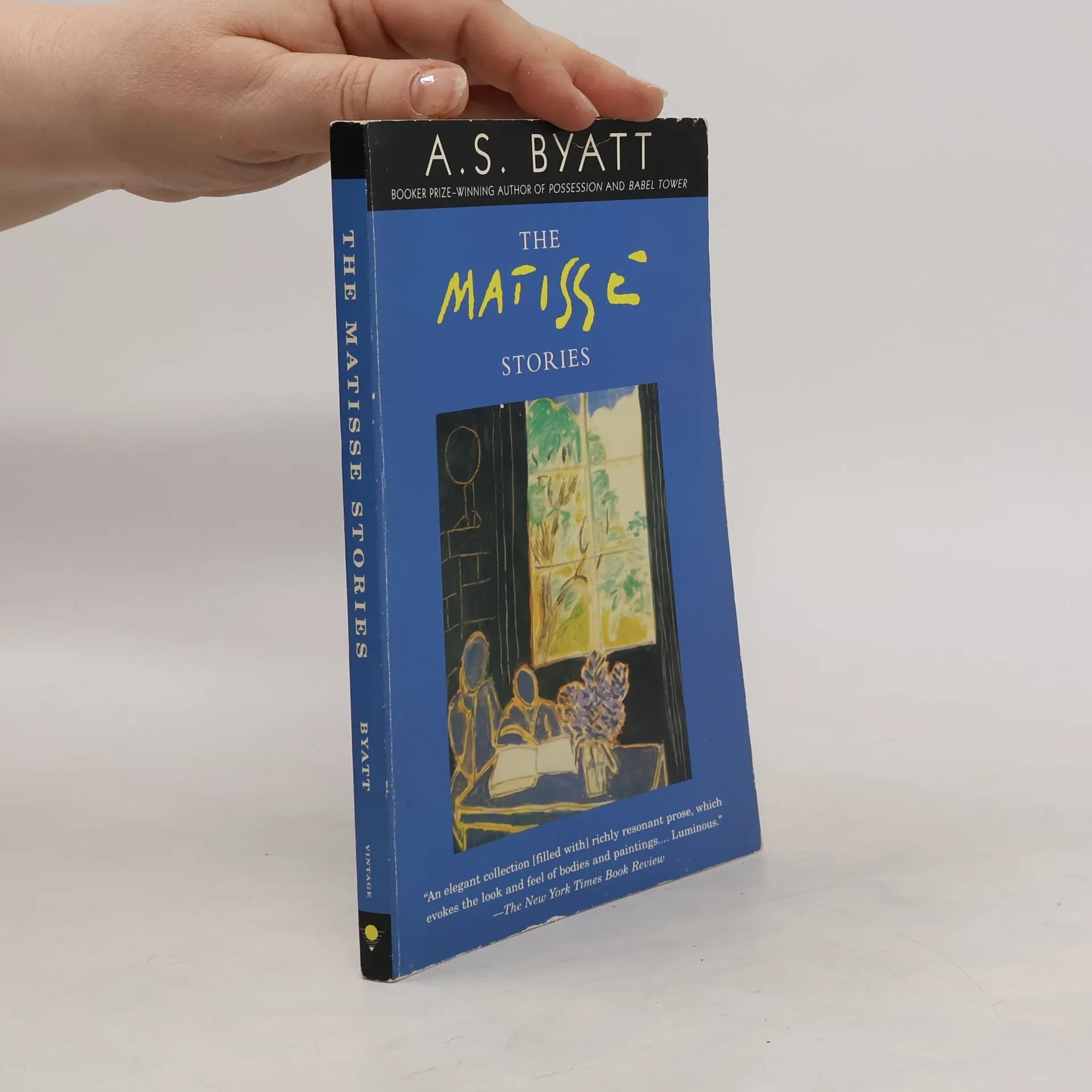
Three delightful stories inspired by a painting of Henri Matisse—from the Booker Prize-winning author of Possession and “a writer of dazzling inventiveness" (Time). "[An] exquisite triptych.... Richly drawn and touches upon things that matter to people." —People These stories celebrate the eye even as they reveal its unexpected proximity to the heart. For if each of A.S. Byatt's narratives is in some way inspired by a painting of Henri Matisse, each is also about the intimate connection between seeing and feeling—about the ways in which a glance we meant to be casual may suddenly call forth the deepest reserves of our being. Beautifully written, intensely observed, The Matisse Stories is fiction of spellbinding authority. "Full of delight and humor.... The Matisse Stories is studded with brilliantly apt images and a fine sense for subtleties of conversation and emotion." —San Francisco Chronicle
Peacock and Vine
- 192pagine
- 7 ore di lettura
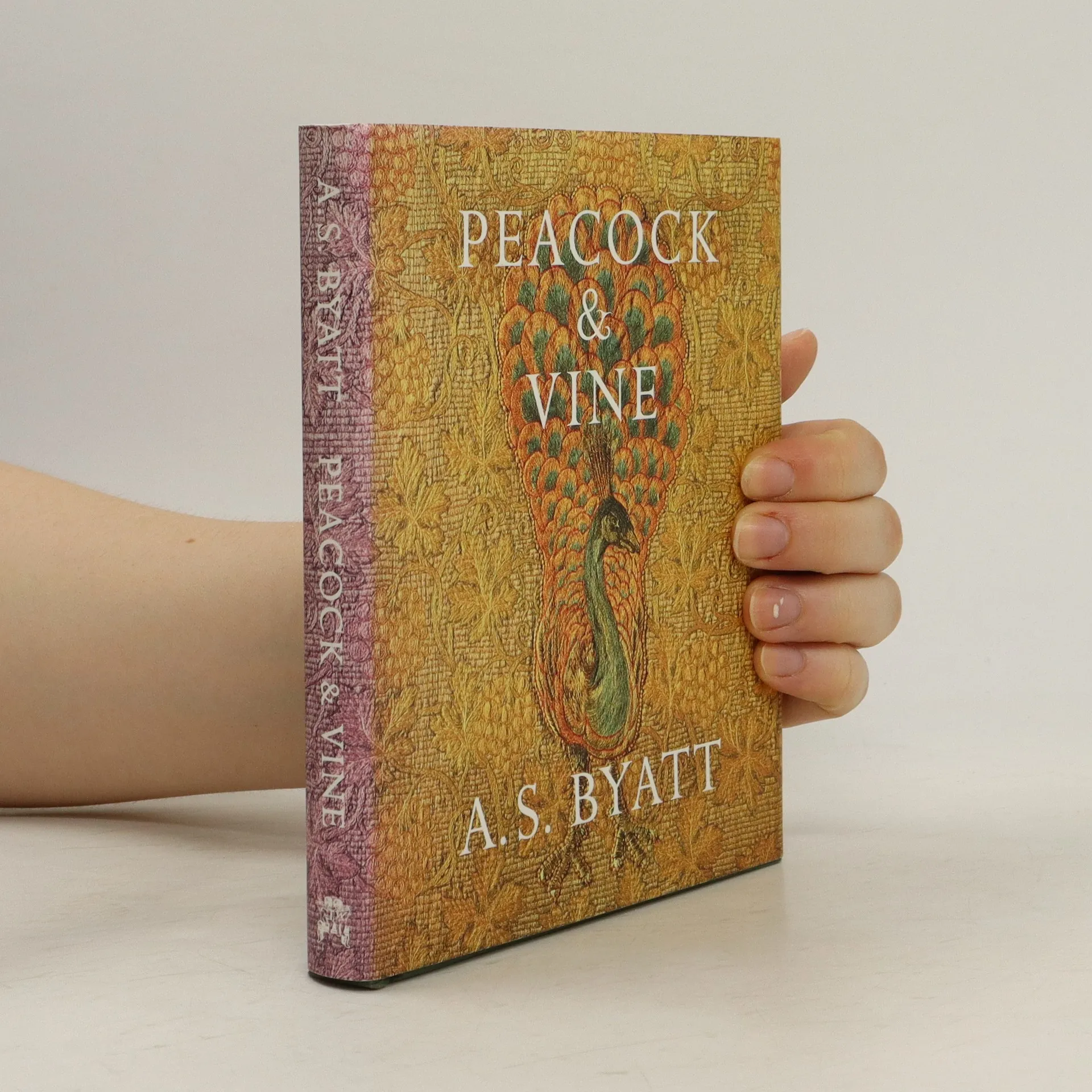
This ravishing book opens a window onto the lives, designs, and passions of two charismatic artists. Born a generation apart, they were seeming opposites: Mariano Fortuny, a Spanish aristocrat thrilled by the sun-baked cultures of Crete and Knossos; William Morris, a British craftsman, in thrall to the myths of the North. Yet through their revolutionary inventions and textiles, both men inspired a new variety of art, as vibrant today as when it was first conceived. Acclaimed writer A.S. Byatt traces their genius right to the source. The Palazzo Pesaro Orfei in Venice is a warren of dark spaces leading to a workshop where Fortuny created his designs for pleated silks and shining velvets. Here he worked alongside the French model who became his wife and collaborator, including on the 'Delphos' dress - a flowing gown evoking classical Greece. Morris's Red House, outside London, with its Gothic turrets and secret gardens, helped inspire his stunning floral and geometric patterns; it also represented a coming together of life and art. But it was Kelmscott Manor in the English countryside that he loved best - even when it became the setting for his wife's love affair with Dante Gabriel Rossetti. Generously illustrated with the artists' beautiful designs - pomegranates and acanthus, peacock and vine - A.S. Byatt brings the visions and ideas of Fortuny and Morris dazzlingly to life.
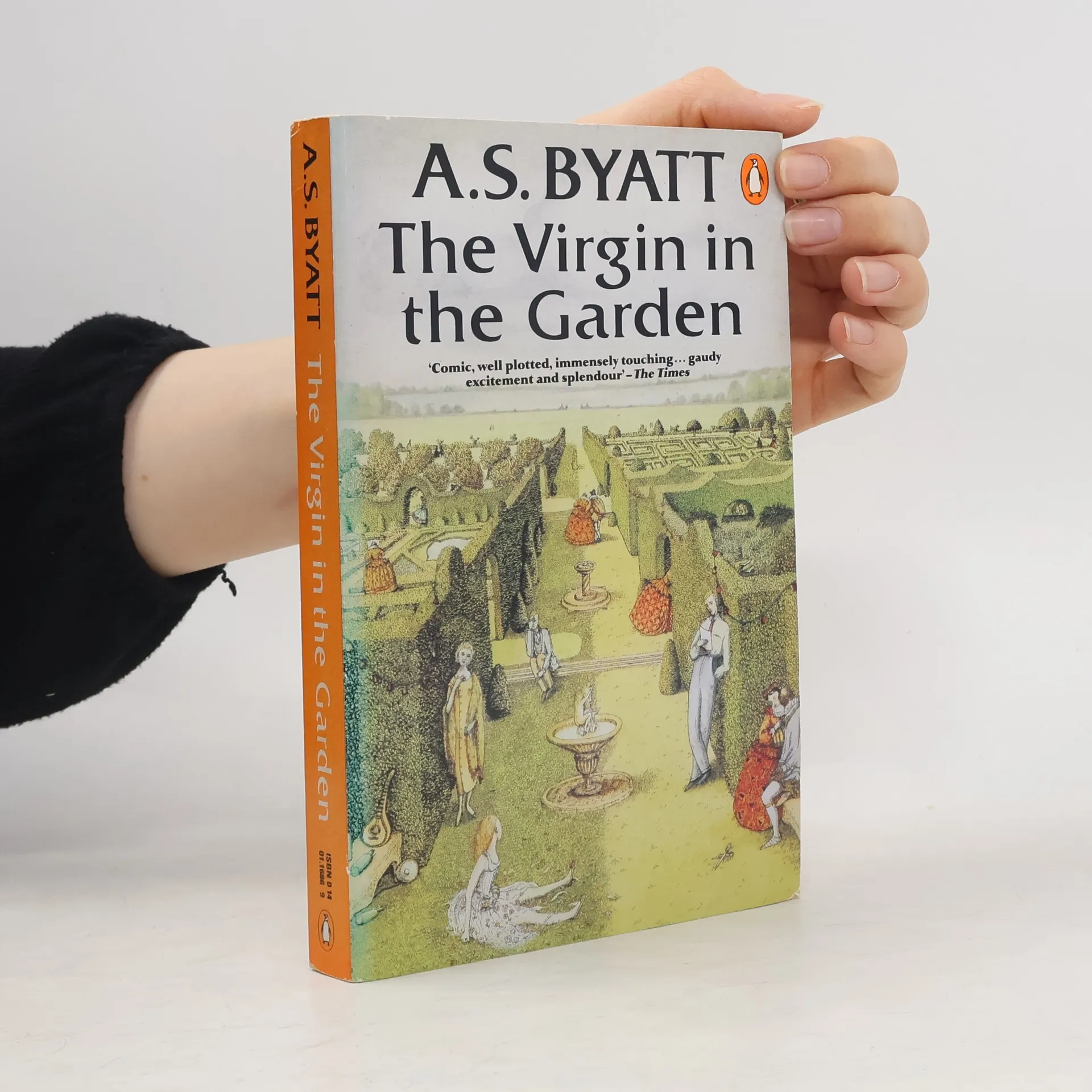
The Virgin in the Garden
- 432pagine
- 16 ore di lettura
Set in Yorkshire in 1952, the story of the Potter family and of those who surround them.
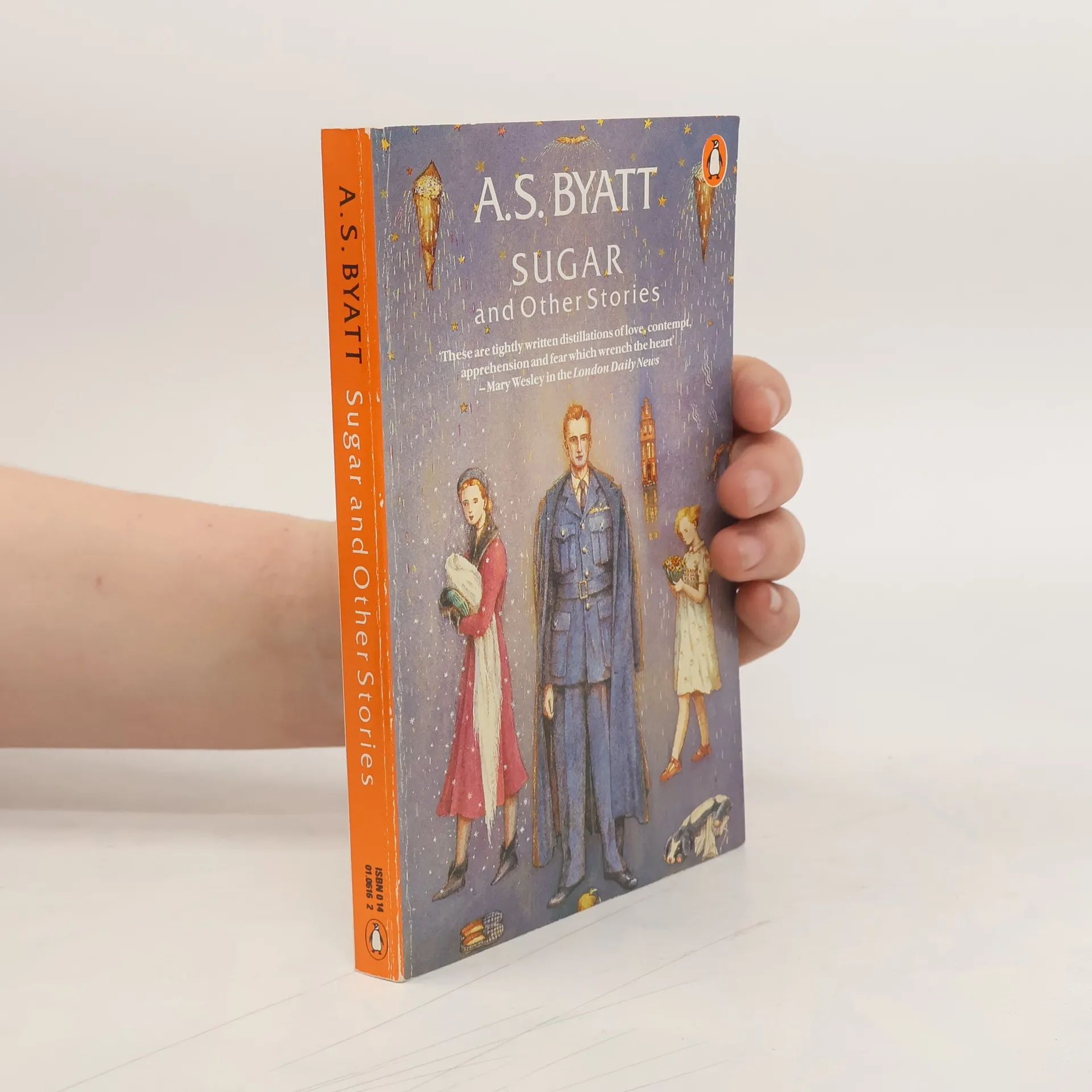
Sugar and Other Stories
- 256pagine
- 9 ore di lettura
The constant theme running through this collection of short stories, the first collection by A.S. Byatt, is that of repetition, taking the form of family patterns recurring across generations, the return of the past in the form of ghosts and the disruptive force of family stories.
Angels And Insects
- 304pagine
- 11 ore di lettura
In The Conjugal Angel, curious individuals - some fictional, others drawn from history - gather to connect with the spirit world. Throughout both, Byatt examines the eccentricities of the Victorian era, weaving fact and fiction, reality and romance, science and faith into a sumptuous, magical tapestry.
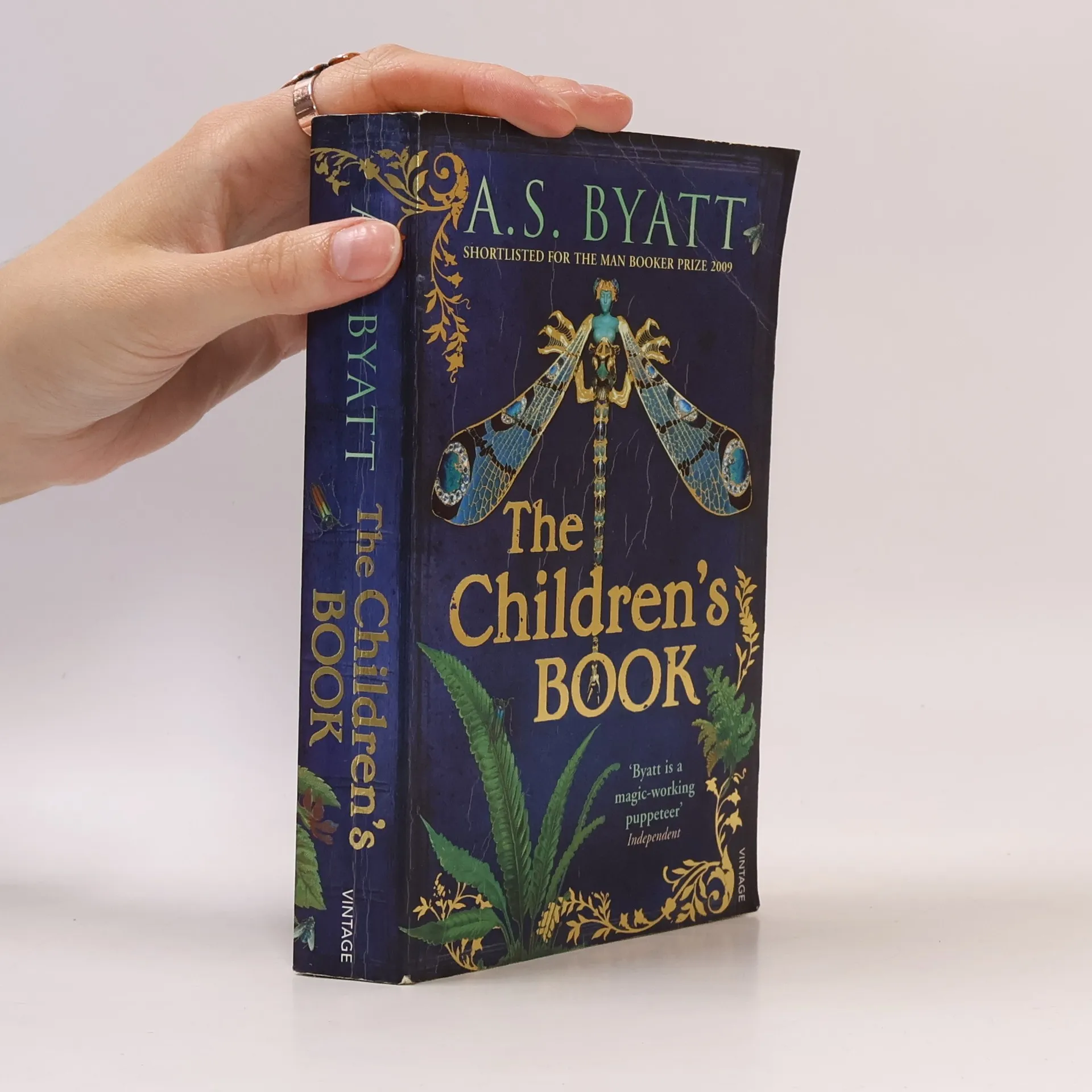
The Children's Book
- 617pagine
- 22 ore di lettura
A tale spanning the end of the Victorian era through World War I finds famous children's book author Olive Wellwood taking in a runaway and exposing the boy to dark truths about her family's summer bacchanals at their rambling country house.
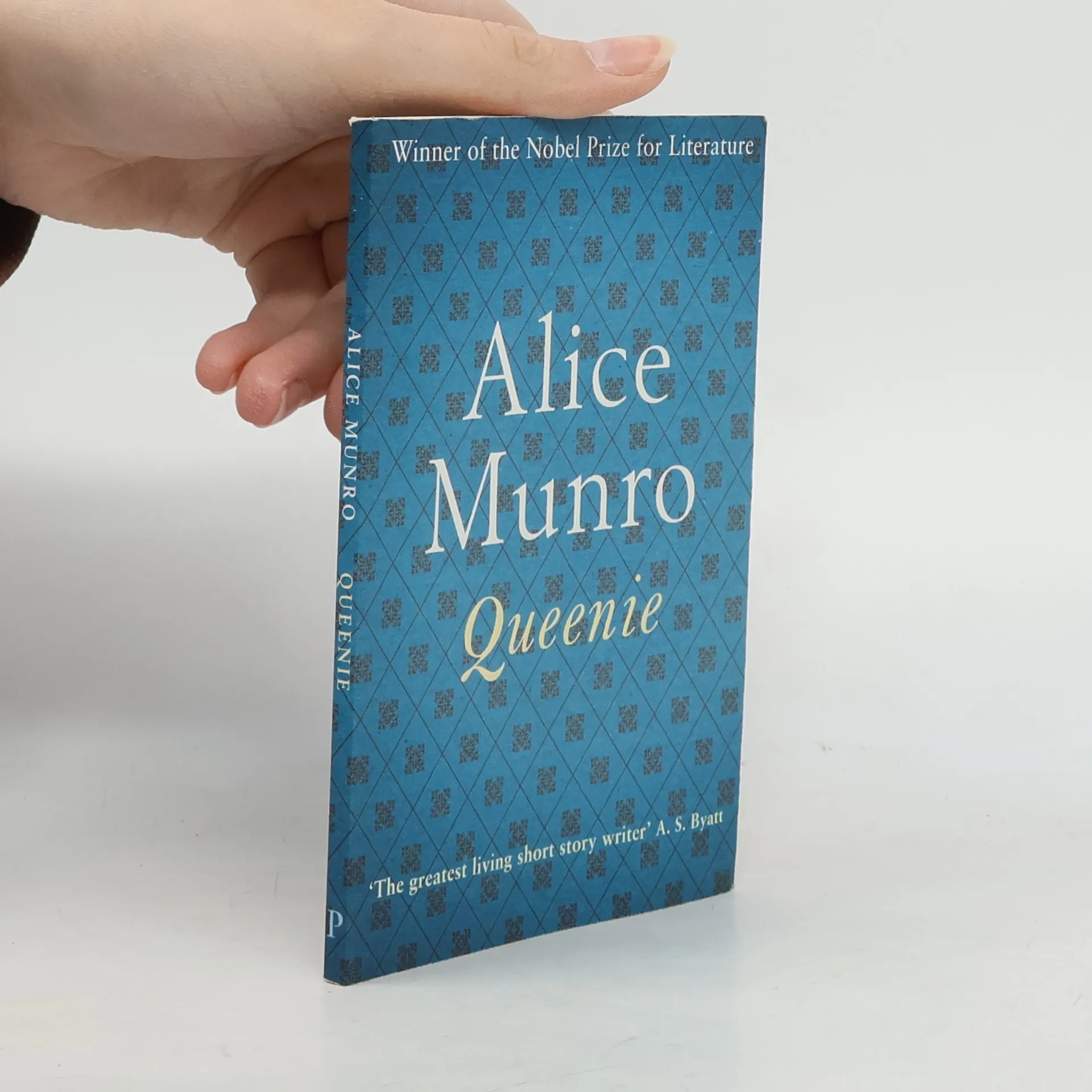
Queenie
- 64pagine
- 3 ore di lettura
When Queenie elopes with a recently widowed neighbour her family are uniformly shocked, and a window on adult life and relationships is opened for her step-sister. A summertime stay with the newlyweds in Toronto yields further insight into the lives of couples, but also causes confusion. Part of the Storycuts series, this short story was previously published in the collection Hateship, Friendship, Courtship, Loveship, Marriage .
Byobu
- 110pagine
- 4 ore di lettura
Byobu reveals a rich inner world, one driven by its meticulous attention to our rich outer one.
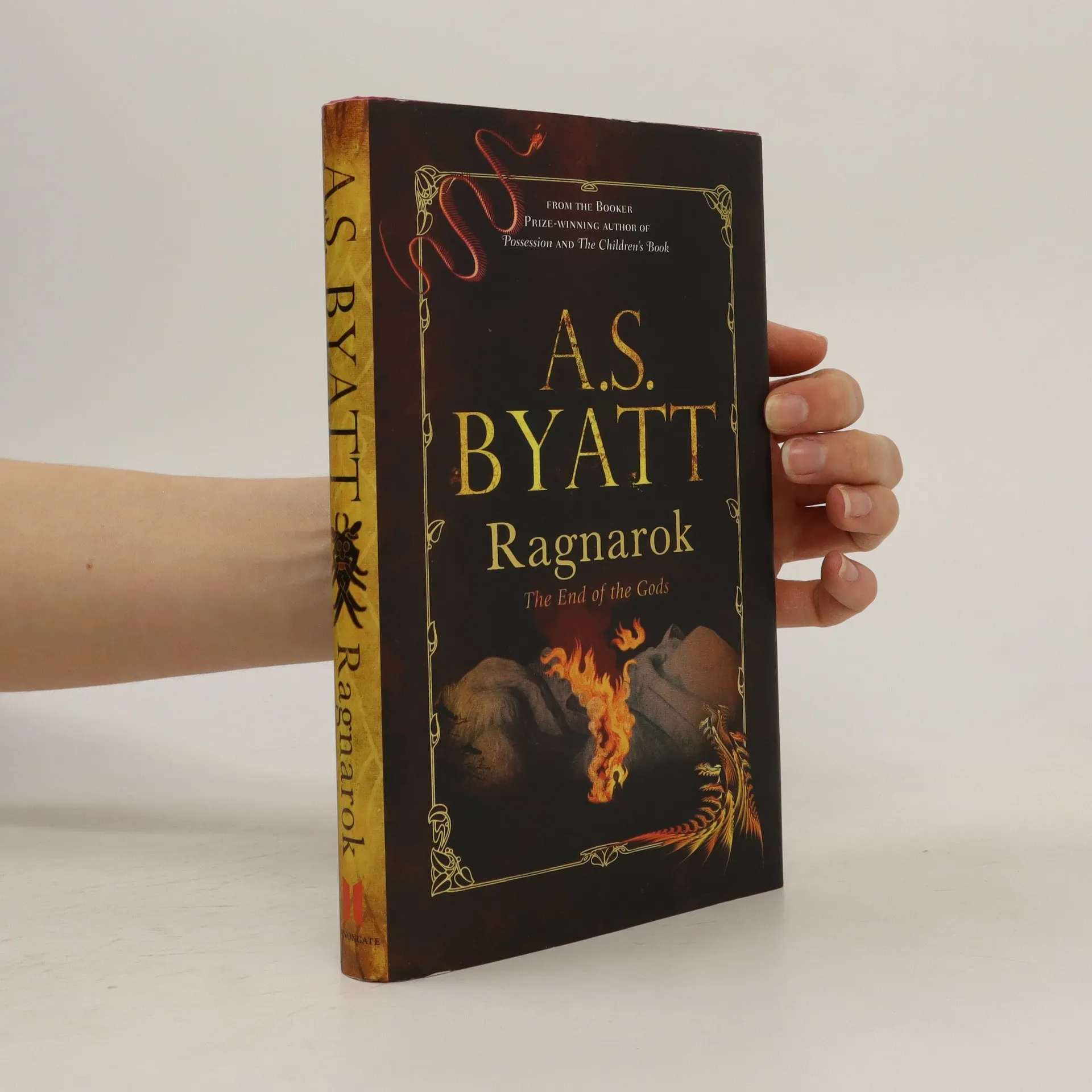
Ragnarok
- 177pagine
- 7 ore di lettura
As the bombs of the Blitz rain down on Britain, one young girl is evacuated to the countryside. She is struggling to make sense of her new wartime life. Then she is given a copy of Asgard and the Gods-- a book of ancient Norse myths-- and her inner and outer worlds are transformed.
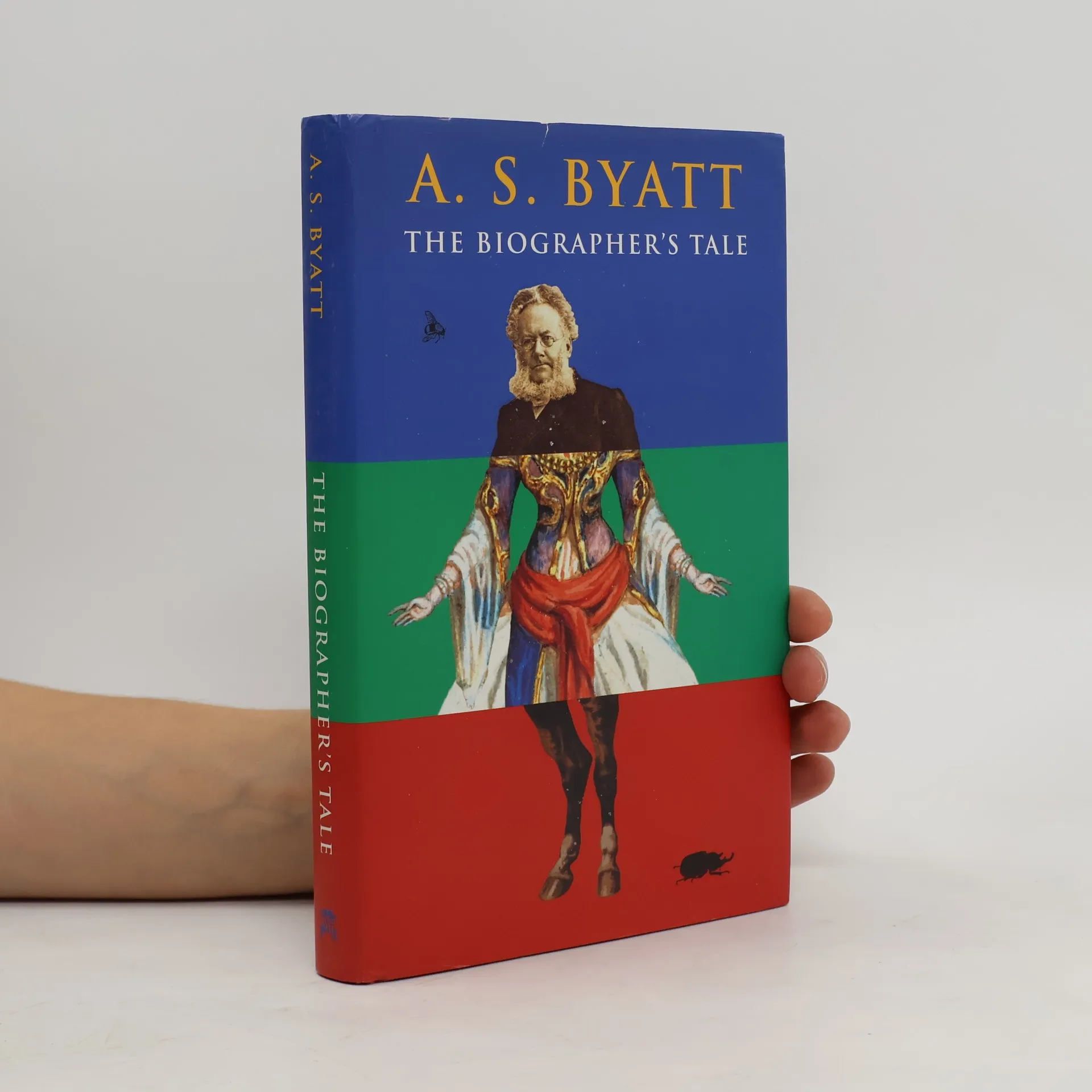
The Biographer's Tale
- 272pagine
- 10 ore di lettura
In this witty, Borges-like novel, A.S. Byatt weaves a dazzling fiction out of one man's search for fact. Fed up with stultifying criticism, Phineas G. decides to study the messiness of 'real things and facts.' Doing nothing by halves he sets out to write a biography of a great biographer. But a 'whole life' is hard to find. How do we put the idea of a person together? Everywhere he looks he finds fragments and gaps: bones and husks, boxes of marbles, collections of tools and randomly assorted photographs. Trails run cold and mysteries are unresolved. Phineas feels he is hunting shadows. Like a shaman flying across the globe, his mind tracks his subject to African deserts and Arctic maelstroms, where the shapes of myth meet the patterns of science. He meets others building wholes from bits and pieces: taxonomists, ecologists, even travel agents offering 'the trip of your dreams'. In the process he also puzzles out his own future - but what will guide him out of the labyrinth? Tantalizing, comic and rueful, The Biographer's Tale is a modern delight.
The New Uncanny
- 226pagine
- 8 ore di lettura
Performing a deft metaphorical evisceration of Sigmund Freud’s classic 1919 essay that delved deeply into the tradition of horror writing, this freshly contemporary collection of literary interpretations reintroduces to the world Freud’s compelling theory of das unheimliche —or, the uncanny. Specifically designed to challenge the creative boundaries of some of the most famed and respected horror writers working today—such as A. S. Byatt, Christopher Priest, Hanif Kureishi, Frank Cottrell Boyce, Matthew Holness, and the indomitable Ramsey Campbell—this anatomically precise experiment encapsulates what the uncanny represents in the 21st century. Masterfully narrated with the benefit of unique perspectives on what exactly it is that goes bump in the night, this chilling modern collective is not only an essential read for fans of horror but also an insightful and intriguing introduction to the greats of the genre at their gruesome best.
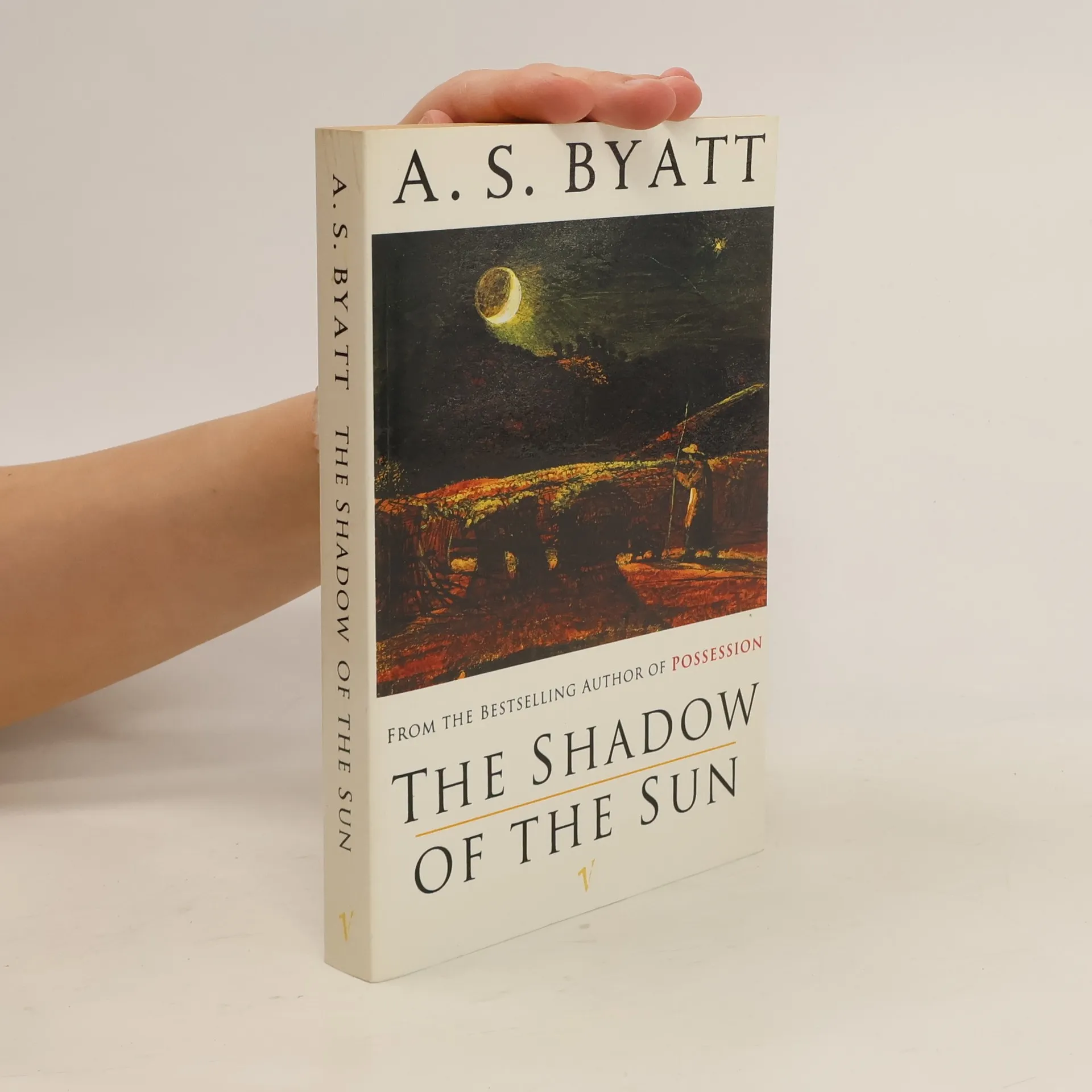
The Shadow Of The Sun
- 302pagine
- 11 ore di lettura
After she is expelled from boarding school, Anna Severell returns to the strict, orderly house of her father, a celebrated novelist. The family is soon joined by Oliver Canning, a talented young academic who urges her to take control of her future. As autumn begins and Anna enters university, the pair grow closer.
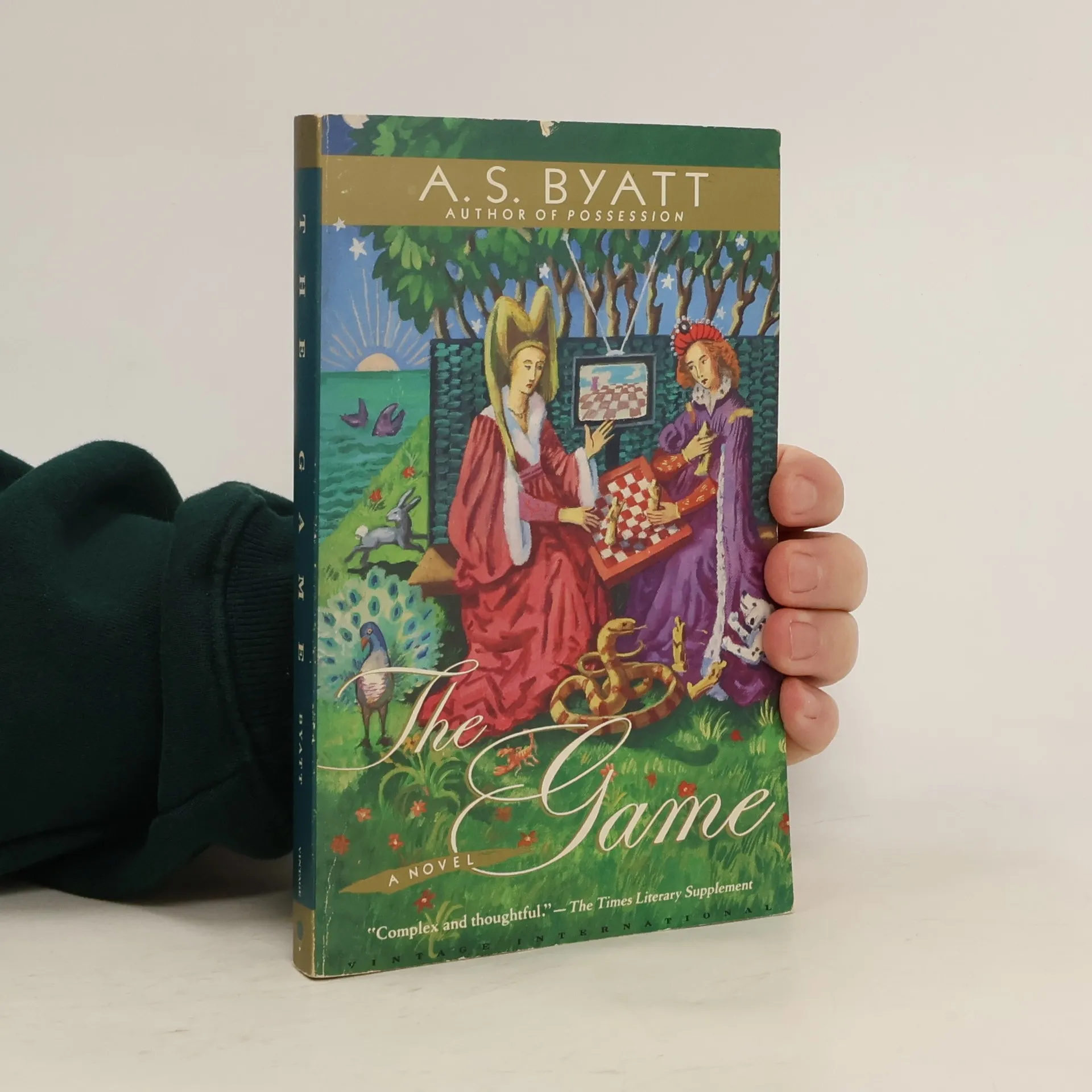
The Game is a lush and disturbing novel portraying a sibling rivalry which compels the reader to reconsider the uses and misuses of imagination. when they were little girls, Cassandra and Julia played a game in which they entered an alternate world modeled on the landscapes of Arthurian romance. Now the sisters are grown, and hostile strangers—until a figure from their past, a man they once both loved and suffered over, reenters their lives.
Gillian Perholt, auf einer Vortragsreise in der Türkei, kauft beim Trödler einen alten Flakon. Die Märchenexpertin wird so unversehens zur Gebieterin über einen Flaschengeist und hat drei Wünsche frei.
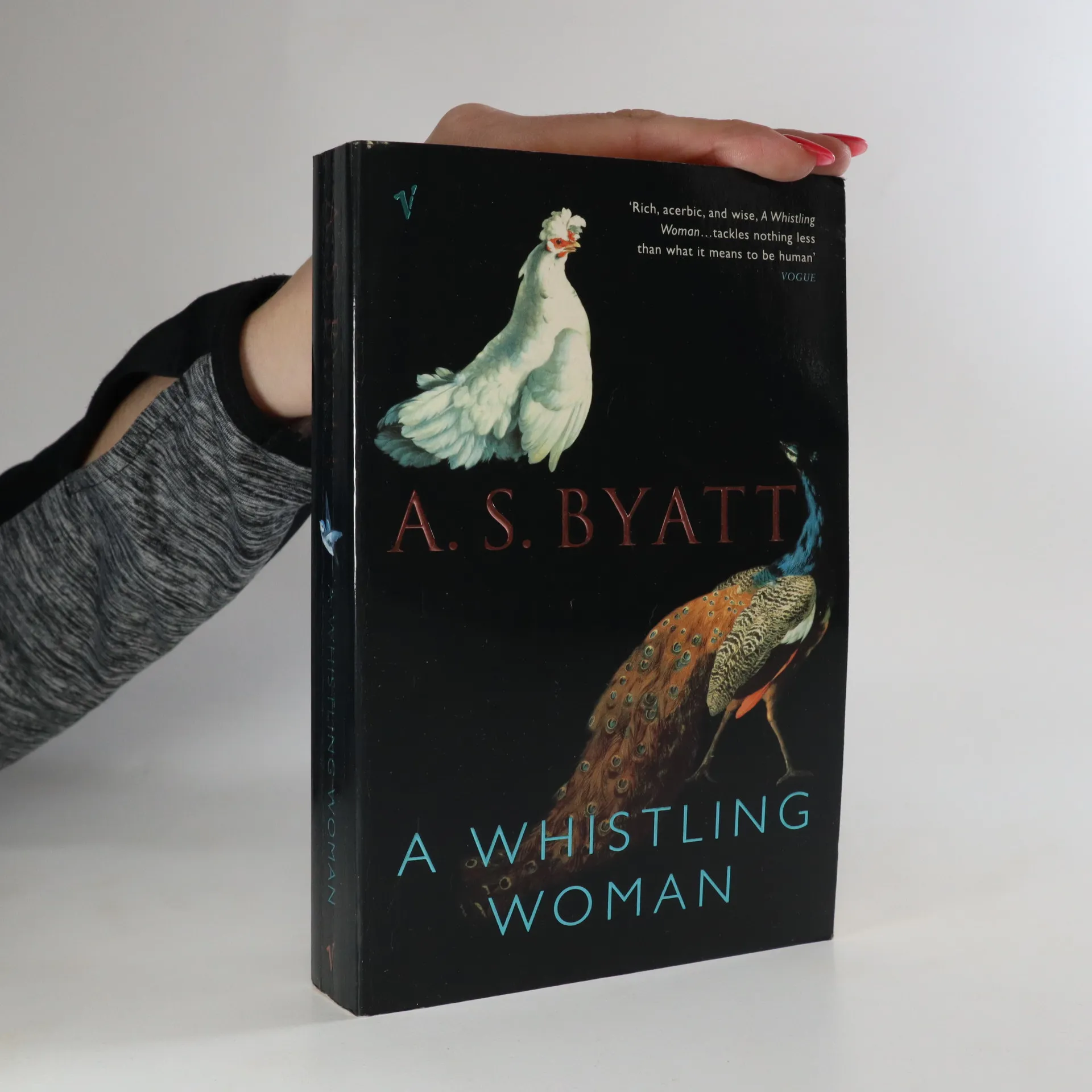
A whistling woman
- 432pagine
- 16 ore di lettura
This Intoxicating Novel Stands On Its Own, While Forming A Triumphant Conclusion To A. S. Byatt'S Great Quartet Depicting The Clashing Forces In English Life From The Early 1950S To 1970. While Frederica Falls Almost By Accident Into A Career In Television In London, Tumultuous Events In Her Home County Of Yorkshire Threaten To Change Her Life, And Those Of The People She Loves. Through Her Wayward, Lovingly-Drawn Characters And Breath-Taking Twists Of Plot, Byatt Illuminates The Effervescence Of The 1960S - Both Its Excitements And Its Dangers - As No One Has Done Before. Magical And Thought-Provoking, And With Spine-Chilling Moments, A Whistling Woman Is The Ultimate Novel Of Ideas Made Flesh - Gloriously Sensual, Sexy And Scary, Bursting With Ideas, And Wonderful Humanity.
Vom Kopf ins Herz und umgekehrt
Wie die Wahrheit über Gott Ihr Leben verändert
Obra composta por coletânea de oito poemas com evidente conteúdo sensual e erótico, foi integrada às Sagradas Escrituras e atribuída ao rei Salomão, que governou Israel e Judá durante quarenta anos, de 970 a 930 a.C. Os textos são repletos de sensualidade e fazem menções à anatomia do corpo humano, como o verso "Beija-me com beijos de tua boca, teus amores são melhores que o vinho...". Seu conteúdo gerou controvérsias ao longo dos séculos em razão das várias interpretações teológicas e mesmo em relação à sua autoria.