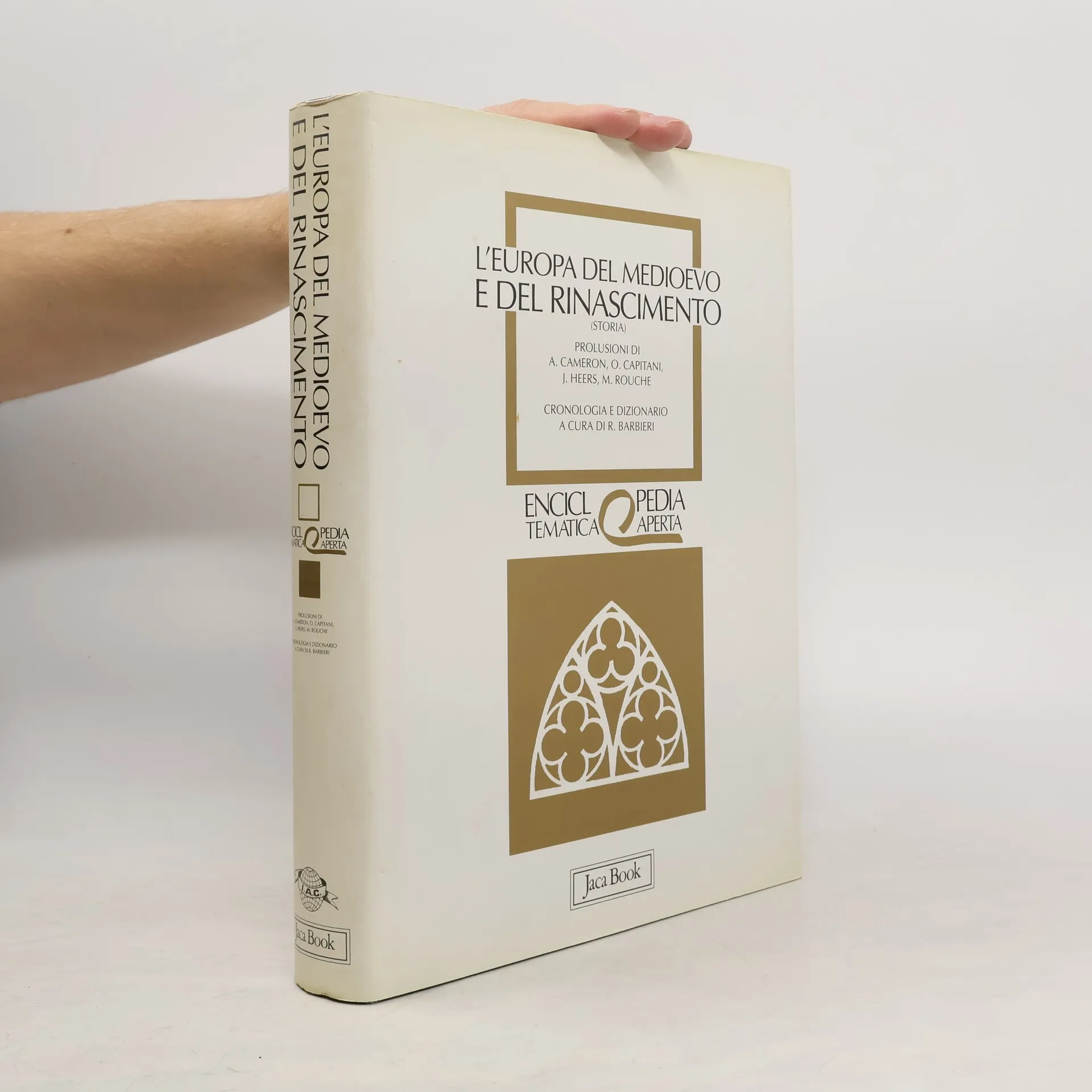
Enciclopedia Tematica Aperta: L'Europa del Medioevo e del Rinascimento
Storia - Cronologia e Dizionario
- 450pagine
- 16 ore di lettura


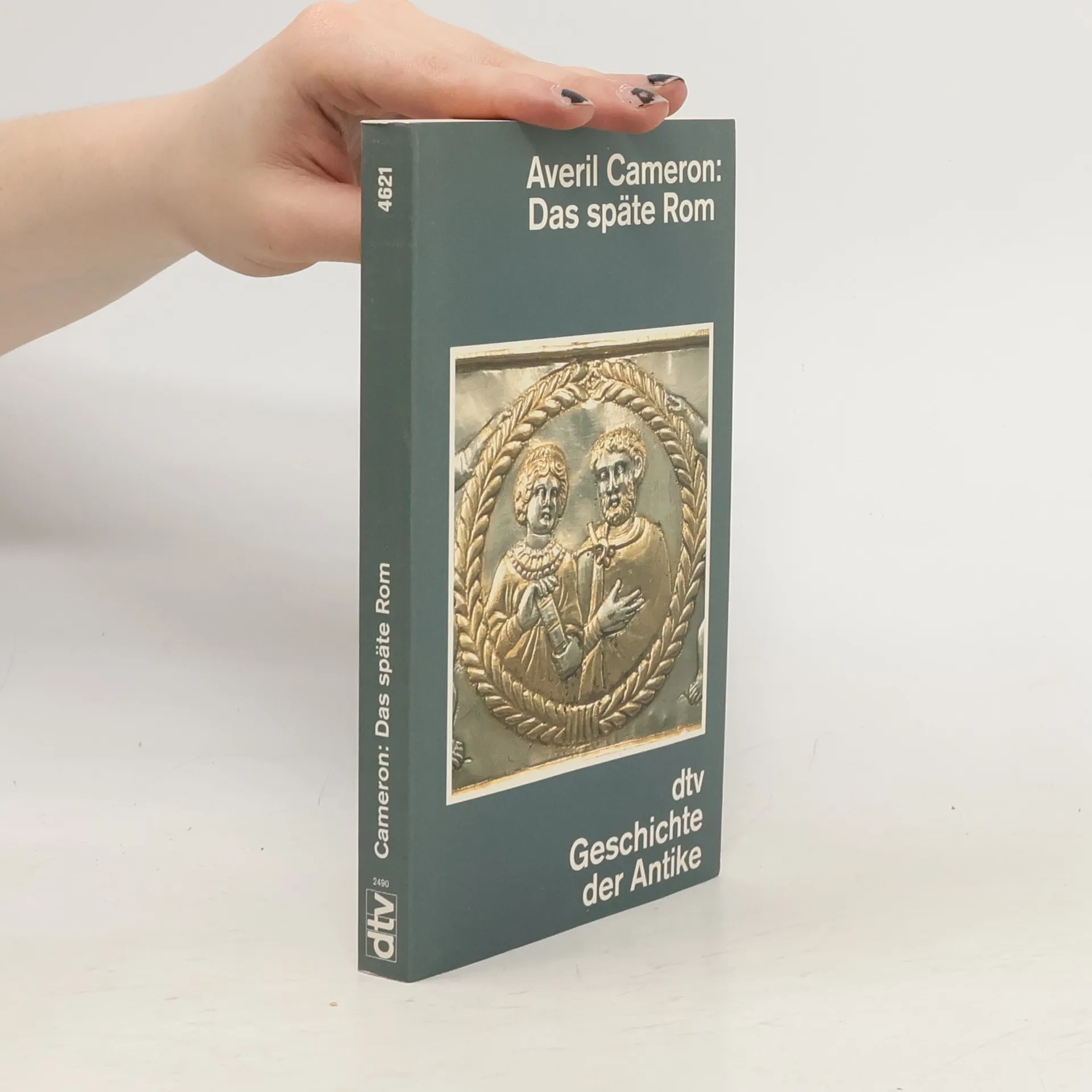
Quest'autrice si addentra nella storia della Tarda Antichità e dell'Impero Bizantino. Il suo lavoro si concentra su una profonda comprensione di questo cruciale periodo di transizione nella storia. Esamina gli aspetti politici, sociali e culturali che hanno plasmato il mondo. Le sue analisi offrono una prospettiva nuova sui complessi processi di quest'epoca.

Storia - Cronologia e Dizionario
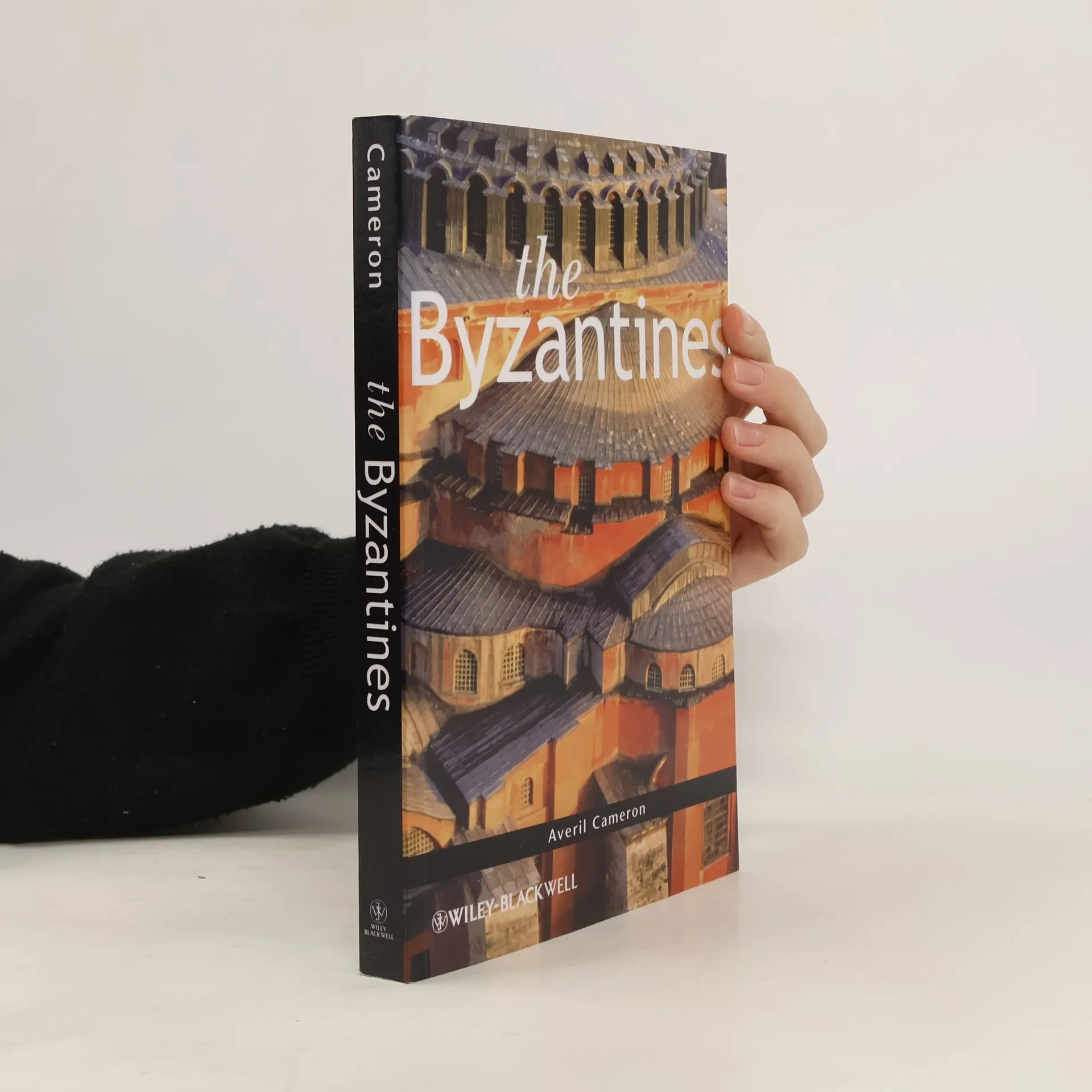
This volume brings Byzantium - often misconstrued as a vanished successor to the classical world - to the forefront of European history Focuses on the identity, ethnicity, and culture of the Byzantine people Deconstructs stereotypes surrounding Byzantium Beautifully illustrated with photographs and maps.
Auguries, oracles, omens...and software simulation. This exploration delves into humankind's enduring desire to foresee and influence future events. It opens with Stephen Hawking's predictions about the universe's billion-year future and concludes with Don Cupitt's reflections on the Last Judgement. The narrative traces the evolution of prediction, from ancient soothsayers and astrologers who relied on religious and traditional authority to today's experts who utilize empirical observation and scientific theory to forecast outcomes in various fields, including the economy and medicine. Despite advancements, contributors acknowledge that prediction remains fraught with uncertainty, navigating a delicate balance between alarmism and complacency, often disrupted by human unpredictability, unforeseen changes, or flawed data. Originating from the sixth annual series of Darwin College Lectures in Cambridge in 1991, the work features insights from various contributors, including Leo Howe, Ian Stewart, Simon Schaffer, Frank Hahn, Ian Kennedy, Averil Cameron, and Richard Gombrich, each offering unique perspectives on the complexities of predicting the future.
Volume V of the new edition of The Cambridge Ancient History encompasses the first classic age of European civilization—the fifth century B.C. This was the first and last period before the Romans in which great political and military power was located in the same place as cultural importance. This volume, therefore, is more narrowly focused geographically than its predecessors and successors, and hardly strays beyond Greece. Athens is at the center of the picture, both politically and culturally, but events and achievements elsewhere are assessed as carefully as the nature of our sources allows. Two series of narrative chapters, one on the growth of the Athenian empire and the development of Athenian democracy, the other on the Peloponnesian War that brought them down, are divided by a series of studies in which the artistic and literary achievements of the fifth century are described.
A Very Brief History
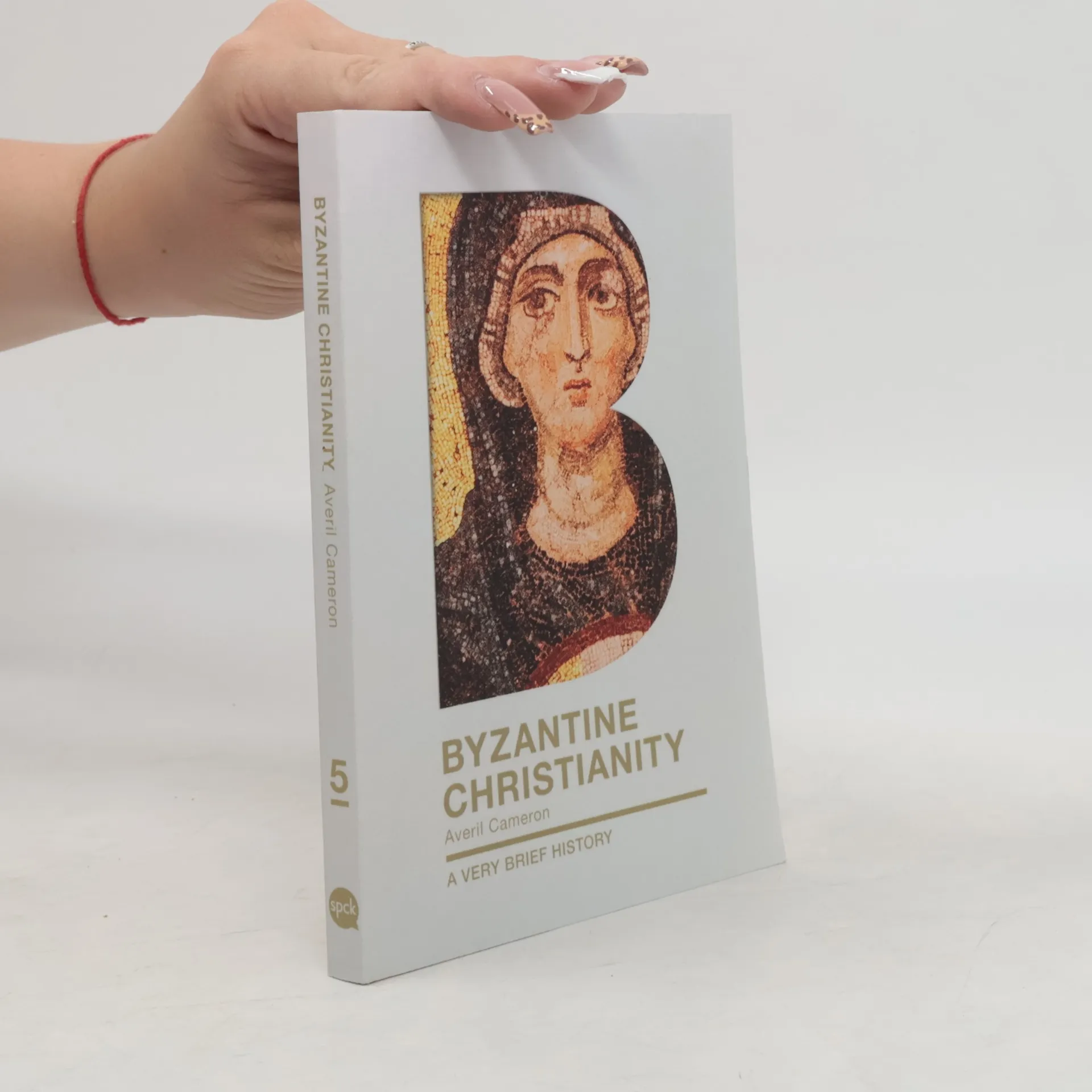
From the foundation of Constantinople in 330 to its fall in 1453, this brief history explores the key components of Byzantine Christianity, including the development of monasticism, icons and iconoclasm, the role of the emperor in relation to church councils and beliefs, the difficult relationship with the papacy and the impact of the Crusades. The book also considers Byzantine Christianity as a living force today: the variety and vitality of Orthodox churches, the role of the Church in Russia and the enduring relevance of a spirituality derived from the Church Fathers.
An Ordinary Year at the End of the Roman Empire - With a Preface by Averil Cameron
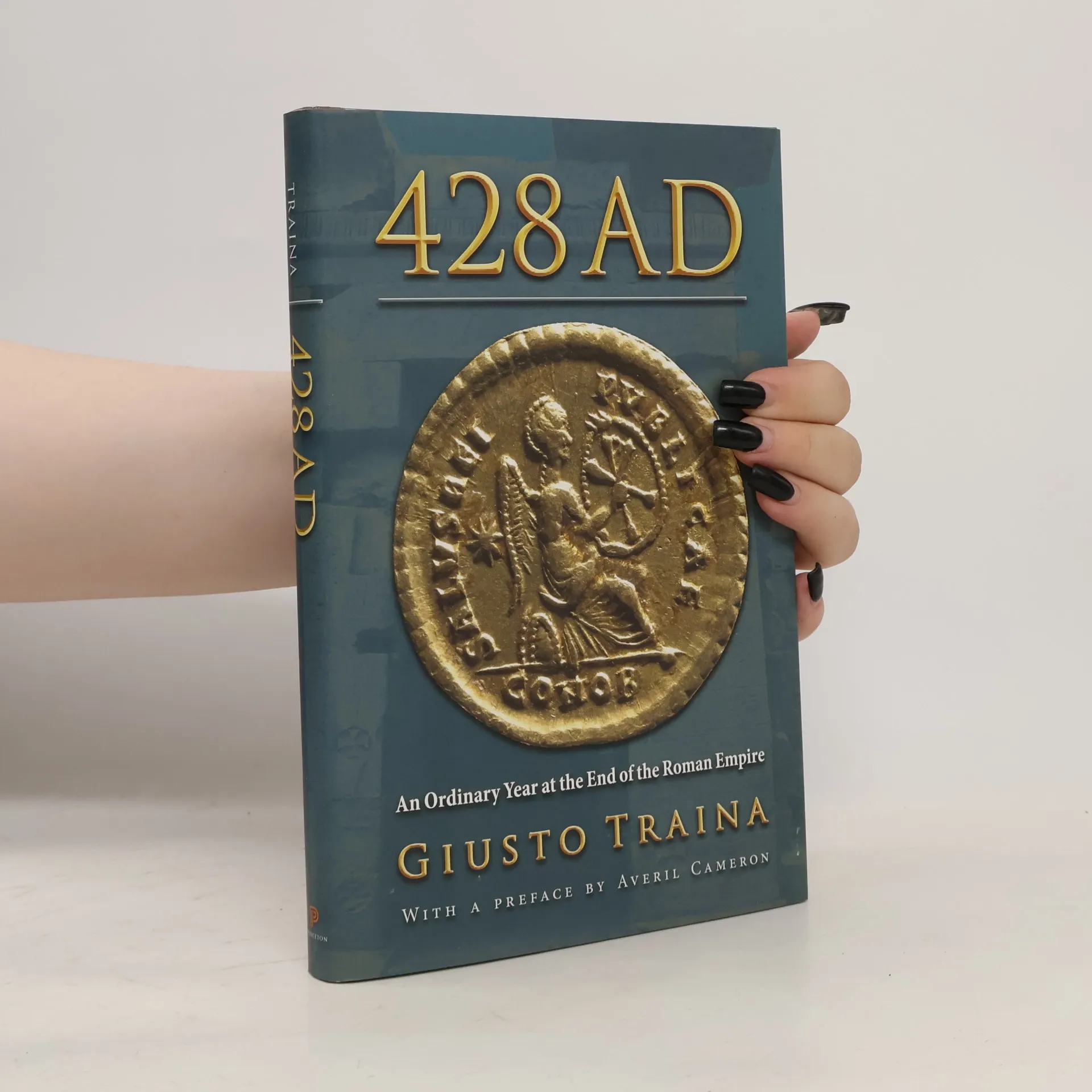
This sweeping tour of the Mediterranean world during the last half-century of the Roman Empire offers a fresh perspective on a civilization undergoing significant transformation. By focusing on the year 428 AD, the narrative captures a time when Christianity is gaining traction in rural areas, western Roman provinces are drifting from the Byzantine east, and power is shifting from Rome to Constantinople. Giusto Traina takes readers on a journey through the region, showcasing the diverse peoples, places, and events that characterize this fraying world on the brink of the medieval era. Key figures emerge, including the Roman general Flavius Dionysius, who meets a Persian delegation after Armenia's annexation; the Christian ascetic Simeon Stylites, preaching atop his column near Antioch; and eastern Roman emperor Theodosius II, preparing his legal code. The narrative also introduces Pulcheria, Theodosius's powerful sister; Galla Placidia, queen mother of the western empire; Augustine; Pope Celestine I; and the young emperor Valentinian III. Rich in detail, this account illustrates the uneven march of history, highlighting the contrasts between a disintegrating west and a resilient east, the spread of Christianity alongside enduring pagan traditions, and Rome's continued influence over the diverse Mediterranean peoples.