



David S. Cohen è un reporter di intrattenimento e affari, nonché uno scrittore e produttore per cinema e televisione. Nei suoi trent'anni di carriera nello spettacolo, ha recitato e diretto opere teatrali off-off Broadway, scritto sceneggiature per documentari televisivi e lavorato alla serie sindacata Star Trek: Deep Space Nine. Come reporter, ha coperto la scrittura di sceneggiature, gli effetti visivi e la produzione cinematografica per le riviste Variety e Script per oltre un decennio.
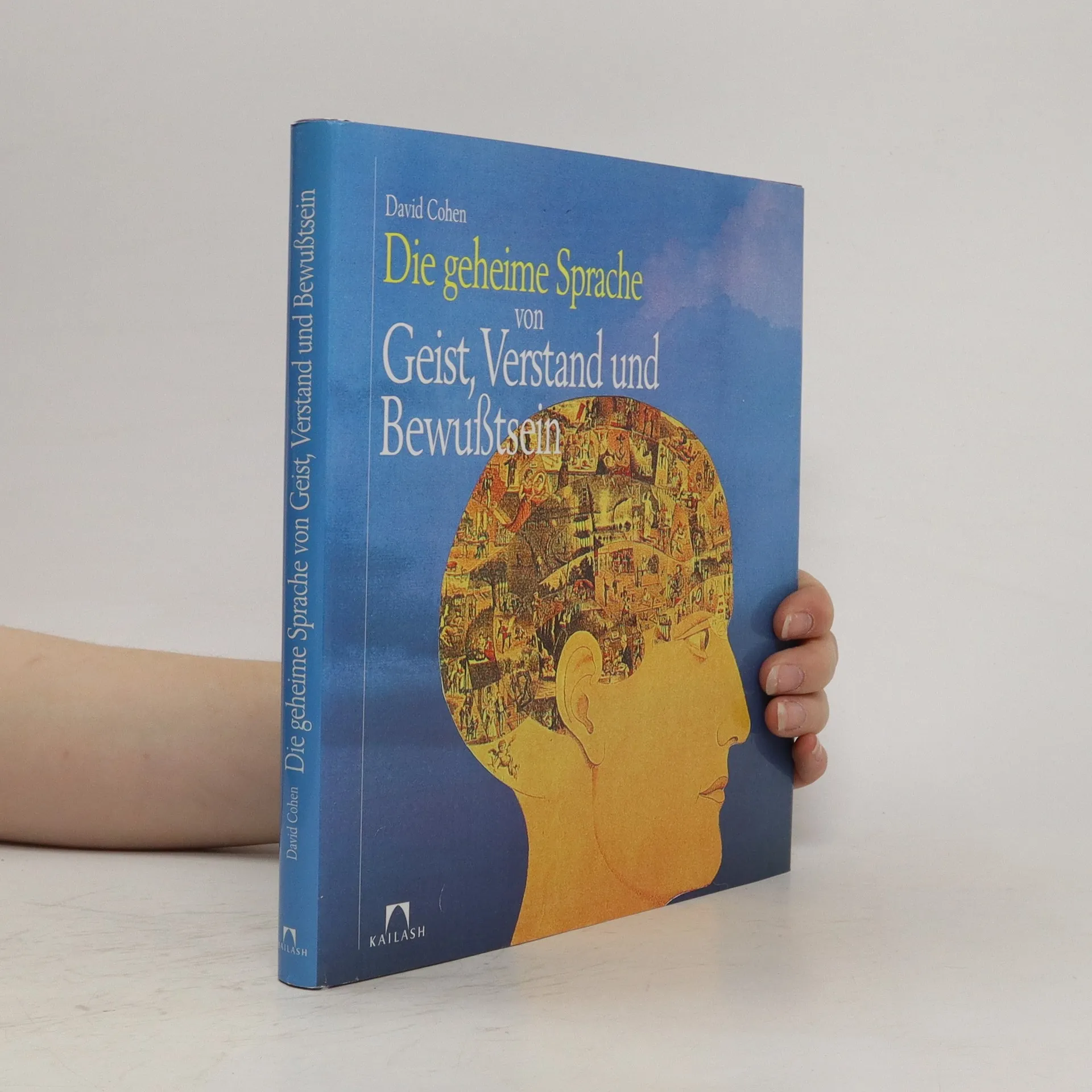
How Psychology, Society and the Media Impact our Body Image
148pagine
6 ore di lettura
Focusing on body image, this engaging book by psychologist David Cohen delves into the psychological factors that shape our perceptions of appearance. It examines how societal influences and personal experiences affect our self-image, offering insights into the complex relationship between self-esteem and physical appearance. Through a light-hearted approach, Cohen encourages readers to reflect on their feelings about their bodies and the broader implications of these perceptions.

How do we get from helpless baby to knowing teenager? What impact does iPads,
social media, video games and evolving technology have on the way children's
minds develop?
The Book of My Son Reuben is a personal account of how psychologist David
Cohen coped - and did not cope - with the death of his son, Reuben. Offering a
unique perspective on the experience of parental loss, it offers a personal
and analytical exploration of sorrow and guilt, and of what research tells us
about trauma and grief.
How Communications Will Make You an Unstoppable Founder
320pagine
12 ore di lettura
Why do nine out of ten startups fail? Why do some founders attract funding, top talent and dream customers? What’s the one skill investors universally recommend entrepreneurs improve, in order to increase their companies’ odds of success? More often than not, the answer is communications.In this actionable yet timeless must-read, Jag and Oliver give founders the unfair advantage they are looking for. Based on decades of experience and hundreds of interviews, this is the ultimate blueprint to becoming an unstoppable founder. From developing an irresistible story for growth to gaining visibility in crowded markets and attracting and retaining top talent, founders will learn how to use communication skills to take advantage of the massive opportunities ahead.In chapter 1, you will learn the fundamentals of communication, with an explanation of the hidden psychology of effective communication. Chapter 2 goes in-depth into founder communications and how to master your listening, storytelling, speaking, and leadership skills. Chapter 3 will teach you about message-market fit and how to use brand positioning for your business development. Chapter 4 explains how to build your brand, as well as your personal brand. Chapter 5 tells you all the tricks of how to attract customers and how to keep them. In chapter 6, Oliver and Jag show you how to grow your visibility through social media, PR, community-building, podcasts, and events and keep the conversation around your business going. In chapter 7, you will learn how to build an all-star team, motivate your team, and build a company culture. Chapter 8 provides the steps to becoming an employer of choice and ensuring a great employee experience through internal communications and employer branding. Chapter 9 gives you in-depth knowledge of crisis communications and how to become crisis-proof. At the end of the book, you are presented with a summary of 92 communications principles that you can continue to refer to even after reading the book.
In a rapidly changing world, children have more of a voice than ever before. In The New Power of Children and Young People, David Cohen explores how this has happened, what the consequences might be and how we can best engage with our young people. David Cohen considers the social, political, and psychological issues involved in children and young people's influence, and how it impacts the balance of power between children and parents, and other adults in their lives. It examines crucial topics including the role of high-profile young people such as Malala Yousafzai and Greta Thunberg; their knowledge of and anxieties around global issues such as climate change; children's relationships with technology and social media; their changing relationships with parents and guardians; how children develop a sense of justice; sex and relationships; how children are depicted in TV and film; young people's experience of education; and shines a light on their growing political confidence and engagement. Young people should be interested as well as parents, teachers, social workers, politicians and other key professionals involved in children and young people's lives. This thought-provoking book offers insight to help us understand young people's lives.
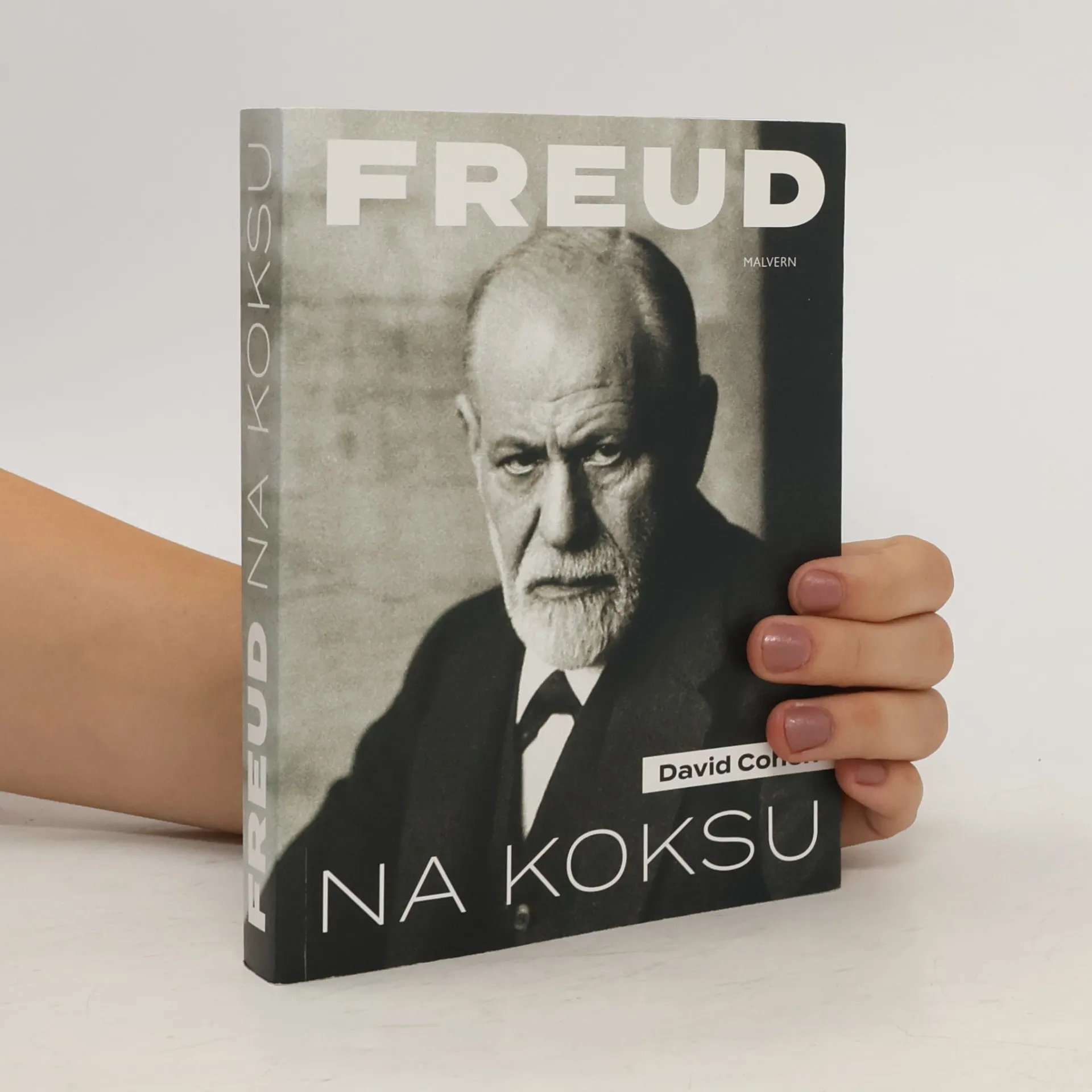
Podnětný příběh o Freudově užívání kokainu, jeho vlivu na Freudovu práci, vztahu mezi kokainem a psychiatrií a o počátcích "války proti drogám". Než mladého Sigmunda Freuda napadlo posadit pacienty na pohovku, dával si kokain. V zoufalé touze rychle získat reputaci si přečetl a bez pochybností přijal tvrzení americké farmaceutické společnosti Parke-Davis o jejím novém "zázračném léku", kokainu. Objednal si gram, a přestože léta tvrdil, že není návykový, první dávka ho přivedla k další a další, a tak si na něj vypěstoval závislost, která trvala celkem patnáct let. Tato kniha, která zasazuje jeho kokainové experimenty do tradice introspektivního užívání drog, k níž patřili William James, Aldous Huxley, Havelock Ellis a Timothy Leary, zkoumá jeho vliv na Freudovo pozdější myšlení a následný vztah mezi psychologií, psychiatrií, drogami a kulturou. Zahrnuje také analýzu moderního obchodu s kokainem. Vzhledem k tomu, že i prezident Obama, který sám v minulosti kokain užíval, uznává oprávněnost zpochybňování globální "války proti drogám", je kniha, kterou držíte v ruce, aktuální a skrytou historií toho, jak tato válka začala.
This revised, second edition develops the creative principles established in the first edition, building particularly on three-dimensional forms, featuring a large number of new images.
This book offers a unique examination of the interplay between psychology, psychiatry, and detective fiction, exploring the history of psychology alongside the evolution of crime writing. It reveals how psychological movements influenced classic authors like Agatha Christie, Arthur Conan Doyle, Dorothy Sayers, and Georges Simenon, highlighting a lasting connection between psychology and the human desire to solve mysteries. Key questions arise, such as why Christie featured so many doctors as killers and what prevented Simenon from becoming a psychiatrist. The narrative begins with the origins of psychology in Greek literature, traversing through the late 18th and 19th centuries, marked by Edgar Allan Poe's pioneering detective story. The emergence of modern psychology in the late 19th century coincided with a growing fascination for understanding behavior, paralleling the rise of the whodunnit genre. The book guides readers through the development of psychology in the 20th century, addressing the impact of World War I shellshock, early mental illness understanding, and the rise of psychoanalysis, behaviorism, and attachment theory. Throughout this engaging journey, the author reveals how these psychological movements shaped crime writers, their characters, and plots, making it a compelling read for those interested in the intersection of psychology and detective fiction.
The narrative centers on Jim Bolger, a self-taught son of Irish immigrants who rose to prominence in New Zealand politics during the 1970s. As a devout Catholic and farmer, he served as Minister of Labour and Prime Minister, fostering improved U.S. relations as ambassador. In his eighties, Bolger remains a dynamic thinker, engaging in reflective conversations with writer David Cohen. "Fridays with Jim" captures his journey through political landscapes, personal milestones, and evolving national identity, showcasing his blend of traditional values and progressive ideas.