




Bookbot

Sarah Blaffer Hrdy

    11 luglio 1946

    Sarah Blaffer Hrdy è un'antropologa e primatologa americana il cui lavoro ha profondamente plasmato la psicologia evolutiva e la sociobiologia. Scava a fondo nell'evoluzione del comportamento umano e della maternità, spesso attraverso studi comparativi sui primati. Il suo approccio intreccia biologia, antropologia e psicologia per illuminare come si sono sviluppate le nostre strategie sociali e riproduttive. Hrdy è riconosciuta come una figura di spicco negli studi sul comportamento animale.

    Matky a ti druzí : evoluční původ vzájemného porozumění
    Kobieta, której nigdy nie było
    Father Time
    Mothers and Others
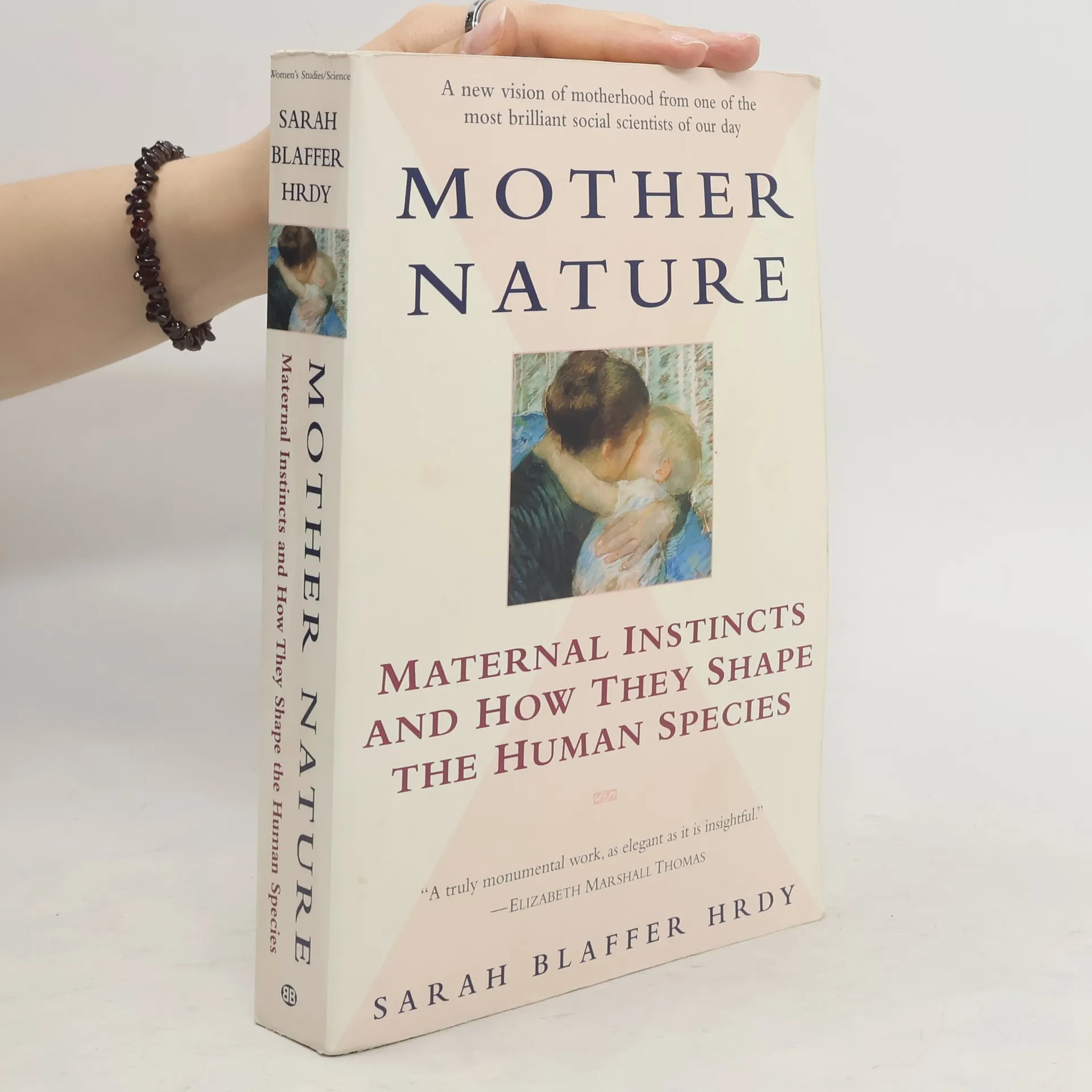
    Mother Nature
    • Mother Nature

      • 752pagine
      • 27 ore di lettura

      "Mother Nature presents a radical new way of understanding how mothers act and why, and how this new understanding is changing the way scientists think about how evolution works." "Drawing on anthropology, history, literature, developmental psychology, and animal behavior, Sarah Hrdy examines the distinct biological and genetic elements that constitute maternal instinct. She strips away the biases implicit in conventional stereotypes of female nature to give us very different and provocative perspectives on maternal ambivalence, the links between maternity and ambition, mother love and sexual love, and she explains why age-old tensions between the sexes persist and are being played out today in efforts to control women's reproductive choices."--Jacket.

      Mother Nature
      4,4
    • Mothers and Others

      The Evolutionary Origins of Mutual Understanding

      • 432pagine
      • 16 ore di lettura

      Somewhere in Africa, more than a million years ago, a line of apes began to rear their young differently than their Great Ape ancestors. From this new form of care came new ways of engaging and understanding each other. How such singular human capacities evolved, and how they have kept us alive for thousands of generations, is the mystery revealed in this bold and wide-ranging new vision of human emotional evolution."Mothers and Others" finds the key in the primatologically unique length of human childhood. If the young were to survive in a world of scarce food, they needed to be cared for, not only by their mothers but also by siblings, aunts, fathers, friends--and, with any luck, grandmothers. Out of this complicated and contingent form of childrearing, Sarah Hrdy argues, came the human capacity for understanding others. Mothers and others teach us who will care, and who will not.From its opening vision of "apes on a plane"; to descriptions of baby care among marmosets, chimpanzees, wolves, and lions; to explanations about why men in hunter-gatherer societies hunt together, "Mothers and Others" is compellingly readable. But it is also an intricately knit argument that ever since the Pleistocene, it has taken a village to raise children--and how that gave our ancient ancestors the first push on the path toward becoming emotionally modern human beings.

      Mothers and Others
      4,2
    • Father Time

      • 432pagine
      • 16 ore di lettura

      "A masterful synthesis of how it came to be that today men are taking care of very young babies given that this is unprecedented in the history of mammals, apes, and humans"--

      Father Time
      3,9
    • Kobieta, której nigdy nie było

      • 339pagine
      • 12 ore di lettura

      What does it mean to be female? Sarah Blaffer Hrdy, a sociobiologist and feminist, argues that evolutionary biology offers surprising insights. Contrary to the belief that biology works against women, and to the notion that natural selection only favors males, Hrdy introduces us to competitive, independent, and sexually assertive female primates, who have as much at stake in evolution as males. These females compete for rank and resources but also bond for mutual defense. They protect their young at great risk, yet may mate with the very males who threaten their offspring when reproduction is at stake. Their behavior varies based on environmental conditions; they tolerate other breeding females when resources are abundant but may chase them away when monogamy is advantageous. When promiscuity benefits survival, female primates, like their human counterparts, exhibit a strong sexual appetite to ensure diverse breeding partners. This challenges the myth of the passive, nurturing woman, suggesting she never evolved within the primate order. Despite this, males dominate in most primate species, including humans, indicating that women may be the most oppressed of all female primates. Hrdy emphasizes that to address sexual inequality, we must understand its evolutionary roots, studying living primates as surrogates for our ancestors. Understanding this biological legacy is crucial for women to control their own destinies.

      Kobieta, której nigdy nie było
    • Většina českých dětí dnes vyrůstá v nukleárních rodinách, ve kterých to velmi často vypadá následovně: Nevyspalá, strhaná a podrážděná maminka na “mateřské samotce” neví, zda doma dřív vařit, uklízet, pečovat o děti nebo na chvíli nabrat dech. Tatínek je většinu času nepřítomný, neboť někde mimo domov vydělává na hypotéku. Biologická rodina je daleko a sousedi jsou cizí lidé. O narůstajícím fenoménu rodičů "samo-živitelů" ani nemluvě. Homo Sapiens přitom patří k druhům s tzv. kooperativní výchovou. Abychom vychovali zdravé, netraumatizované dítě a nám samotným z výchovy "nevypadaly vlasy", dítě potřebuje minimálně tři primární vazby s tzv. spolu-rodiči. Do minimálně třech let věku dítěte je třeba, aby byl vždy minimálně jeden z těchto dospělých - odpočatý, v klidu, bez známek stresu - připraven o dítě pečovat a chovat ho.

      Matky a ti druzí : evoluční původ vzájemného porozumění