

La Traviata is a three-act opera by Giuseppe Verdi, based on a libretto by Francesco Maria Piave, inspired by Alexandre Dumas (the younger)'s play, La Dame aux Camélias. It is part of the "popular trilogy" alongside Il Trovatore and Rigoletto. Composed partly at the Ricordi publishers' villa in Cadenabbia, on Lake Como, it premiered at La Fenice Theatre in Venice on March 6, 1853, but initially failed due to inadequate performers and the delicate nature of its themes. Revived the following year with a better cast, it finally achieved the success it deserved. Due to criticisms of bourgeois society, the opera underwent censorship changes in various Italian theatres, with some passages altered and the setting shifted from the 19th to the 18th century. The story explores themes of love, sacrifice, and societal norms, centering on the tragic romance between Violetta, a courtesan, and Alfredo, a young nobleman.
William Berger Ordine dei libri (cronologico)
William Berger è un autore che si è profondamente immerso nel mondo della musica, in particolare dell'opera. La sua scrittura si distingue per la capacità di rendere complesse opere musicali accessibili a un pubblico più ampio, enfatizzando la passione e la vita all'interno della musica. L'esperienza di Berger si estende oltre l'opera, poiché scrive su una vasta gamma di argomenti come l'architettura e la religione, dimostrando la sua versatilità come scrittore e commentatore. Il suo lavoro incoraggia i lettori a scoprire e apprezzare la ricchezza del panorama musicale.


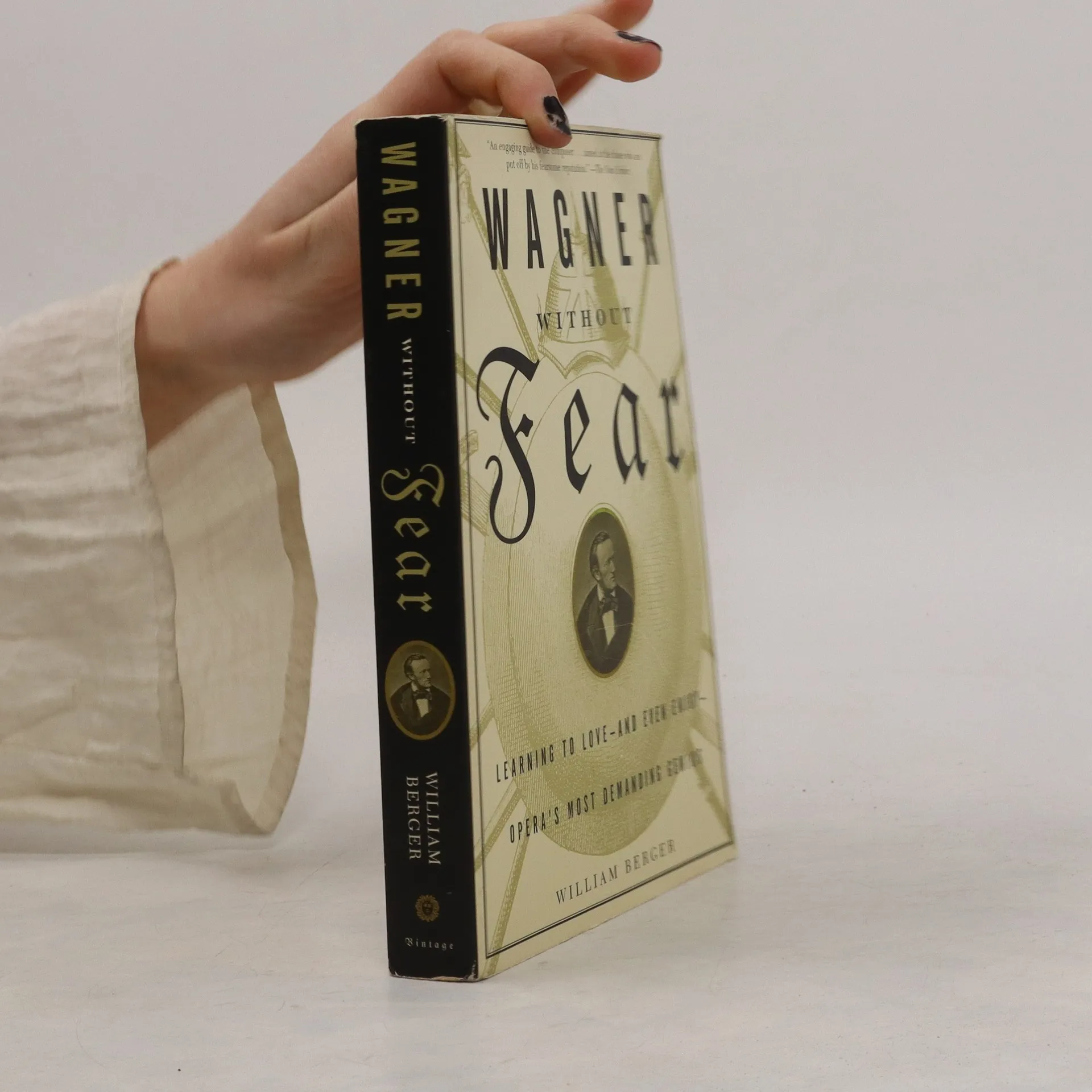
Do you cringe when your opera-loving friends start raving about the latest production of Tristan? Do you feel faint just thinking about the six-hour performance of Parsifal you were given tickets to? Does your mate accuse you of having a Tannhäuser complex? If you're baffled by the behavior of Wagner worshipers, if you've longed to fathom the mysteries of Wagner's ever-increasing popularity, or if you just want to better understand and enjoy the performances you're attending, you'll find this delightful book indispensable.William Berger is the most helpful guide one could hope to find for navigating the strange and beautiful world of the most controversial artist who ever lived. He tells you all you need to know to become a true Wagnerite--from story lines to historical background; from when to visit the rest room to how to sound smart during intermission; from the Jewish legend that possibly inspired Lohengrin to the tragic death of the first Tristan. Funny, informative, and always a pleasure to read, Wagner Without Fear proves that the art of Wagner can be accessible to everyone.Includes:- The strange life of Richard Wagner--German patriot (and exile), friend (and enemy) of Liszt and Nietzsche- Essential opera lore and "lobby talk"- A scene-by-scene analysis of each opera- What to listen for to get the most from the music- Recommended recordings, films, and sound tracks