Elizabeth Marshall Thomas è un'autrice nota per le sue profonde esplorazioni delle connessioni tra gli esseri umani e il mondo naturale. Le sue opere approfondiscono culture e modi di vita unici che esistono in armonia con i loro ambienti. Thomas possiede una notevole capacità di osservazione, che le consente di rappresentare complesse strutture sociali con empatia e acume. La sua scrittura trasporta i lettori in reami lontani, offrendo nuove prospettive sull'esperienza umana.
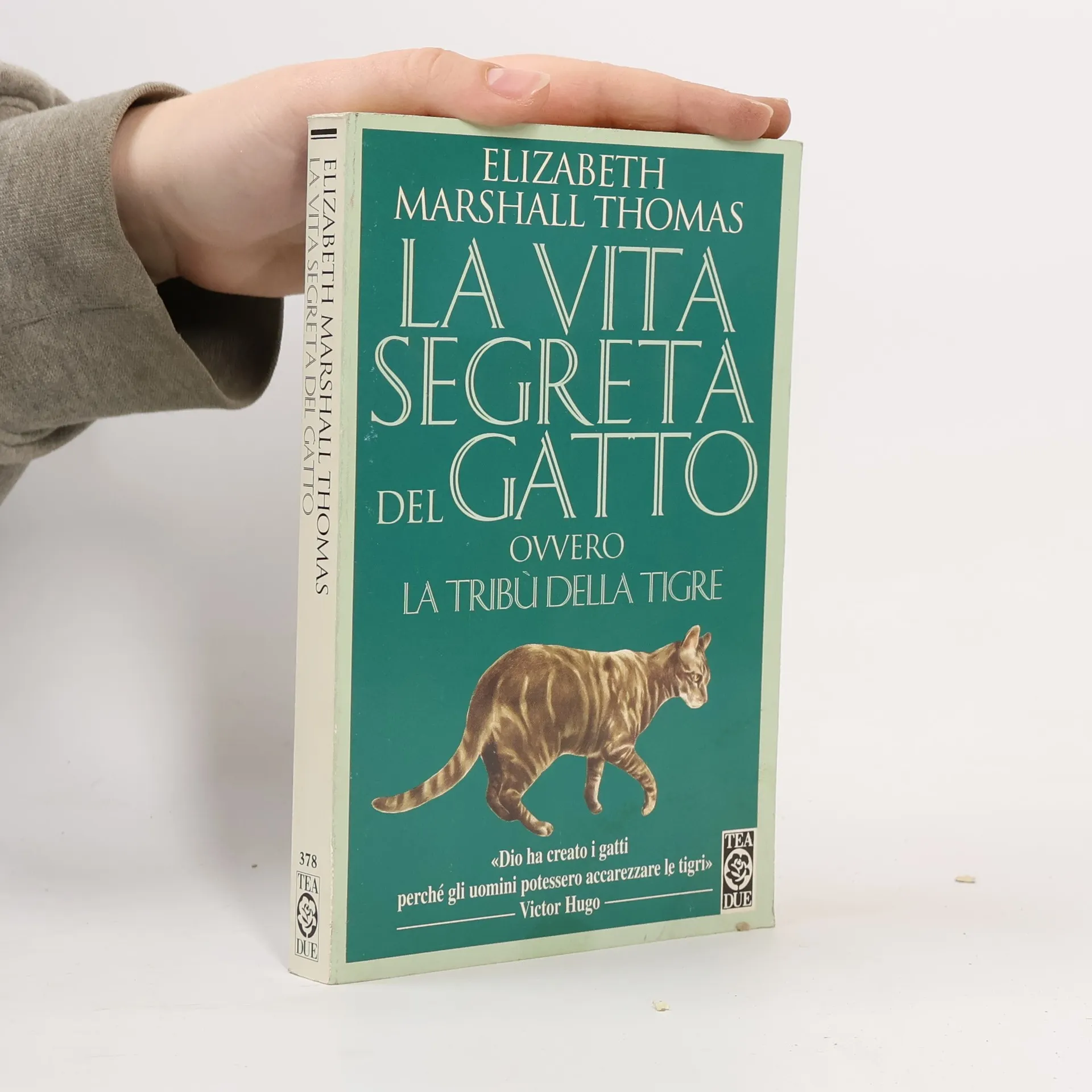
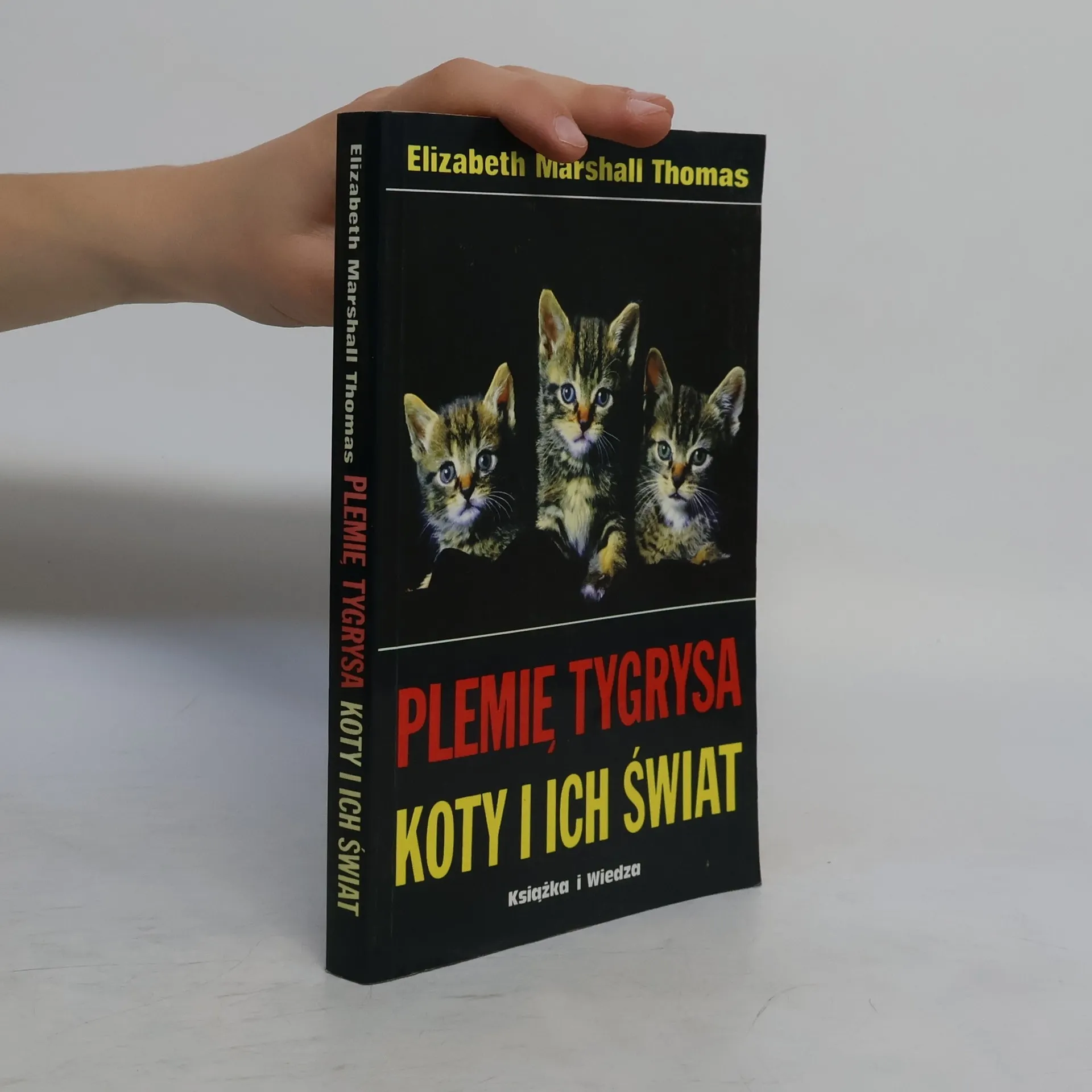
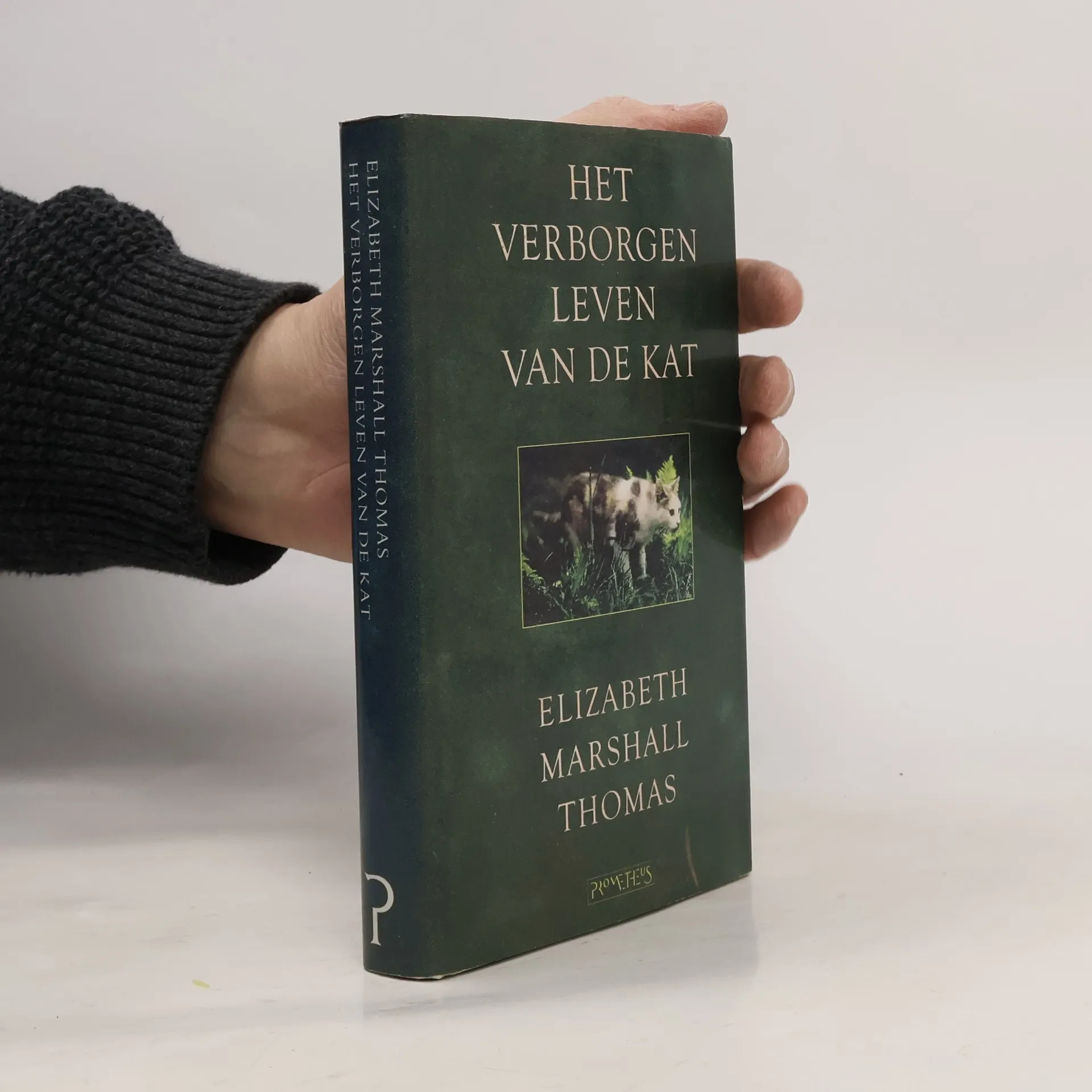
Chiunque abbia suscitato il dispiacere di un gatto conosce bene le differenze tra il felino intuitivo e il cane medio. In questo suo ultimo saggio sugli animali, Elizabeth Marshall Thomas ha concentrato il suo sguardo esperto sulla variegata famiglia dei gatti. Con rispetto per l'individualità e l'occhio di un antropologo per i modelli culturali, offre una comprensione della personalità felina ridotta al suo elemento fondamentale: la caccia.
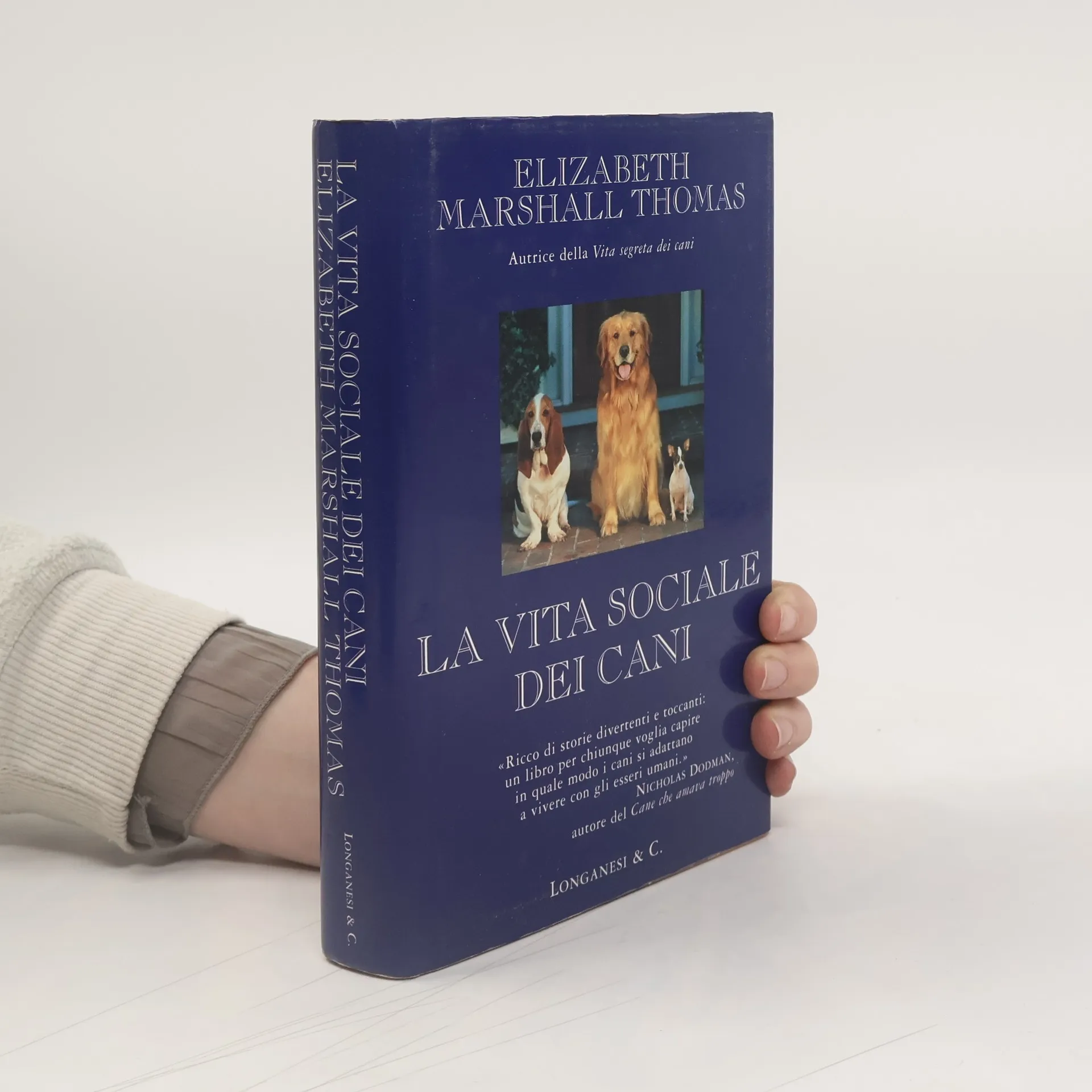
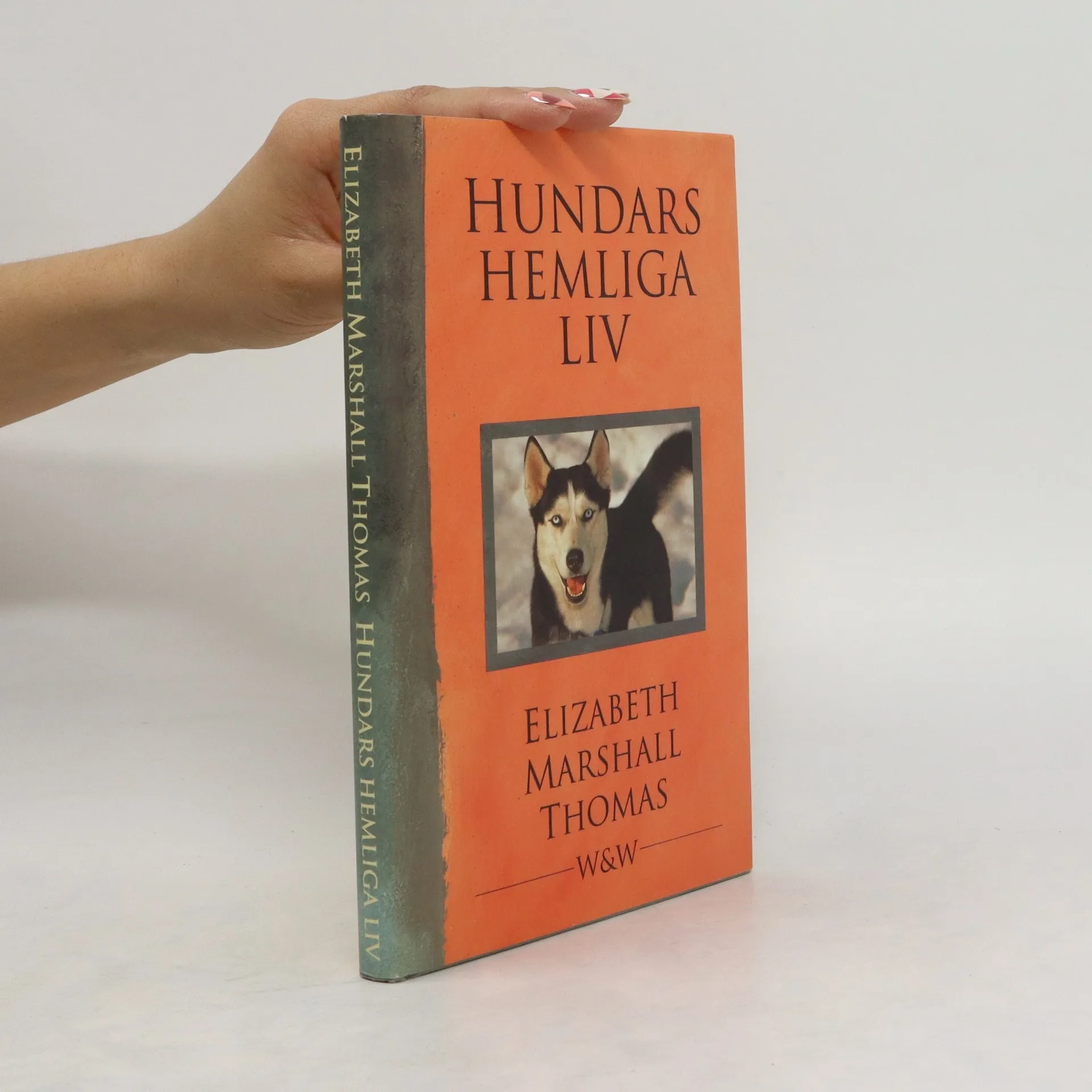
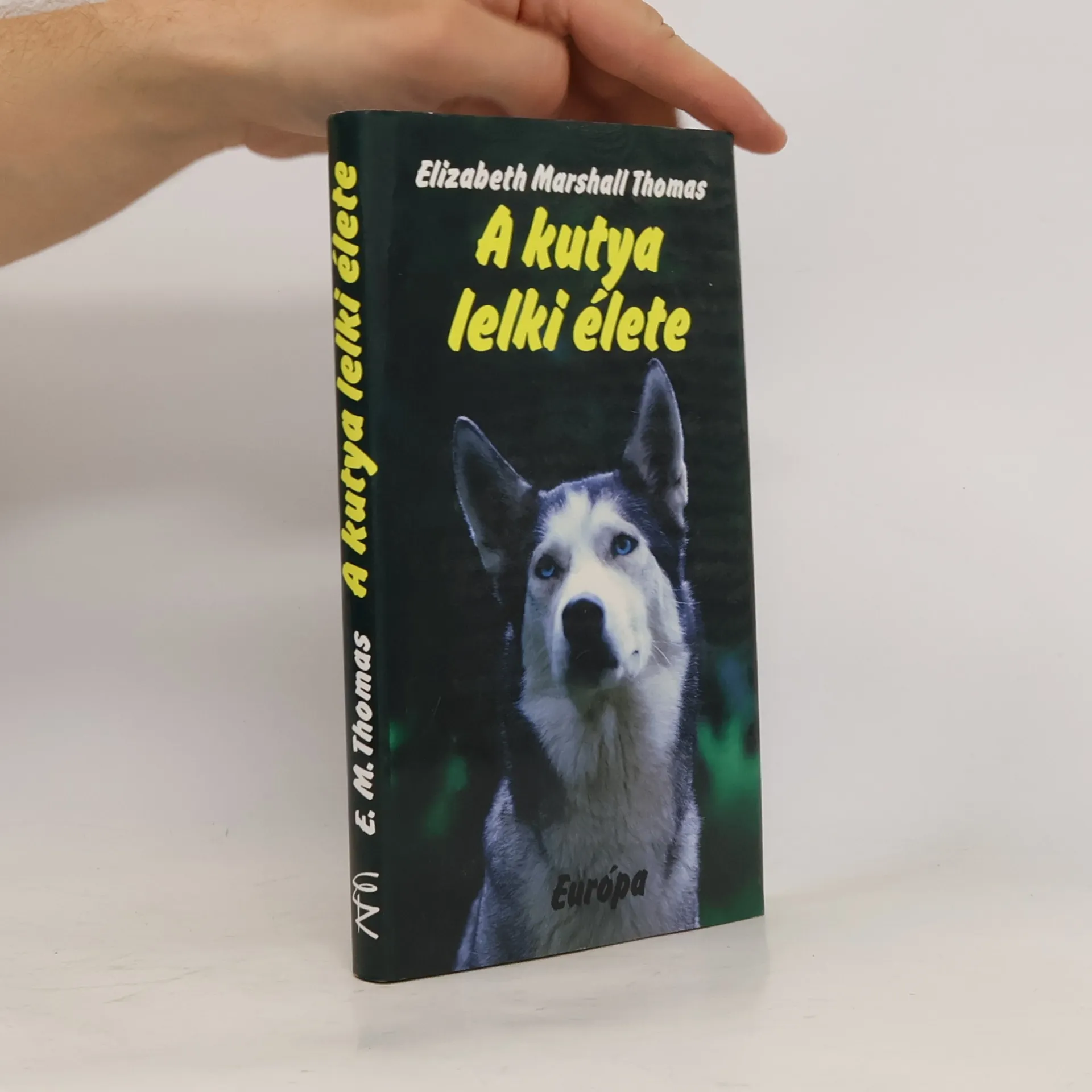
I cani pensano? Provano desideri e angosce, vivono gioie e amarezze, ambizioni e rimorsi? Per rispondere a queste domande Elizabeth Marshall Thomas ha osservato i suoi cani per oltre trent’anni, e lo ha fatto senza cercare di «addomesticarli»: ha offerto loro ospitalità, cibo e acqua, li ha seguiti nei loro lunghi vagabondaggi tentando di individuarne i pensieri e le emozioni, di scoprire quali fossero le leggi cui obbedivano. Il risultato di questa attentissima osservazione è racchiuso in questo libro, un’affettuosa «biografia» di undici cani, ognuno dei quali dotato di una personalità e di un carattere assolutamente unici.
Milano, Longanesi, 2001, 8vo legatura editoriale cartonato telato con fregi e titoli dorati al dorso e sovraccopertina illustrata a colori, pp. 299 con numerosi disegni nel testo (stato di nuovo) .
From the revered author of the bestselling The Hidden Life of Dogs, a witty,
engaging, life-affirming account of the joy, strength and wisdom that comes
with age.
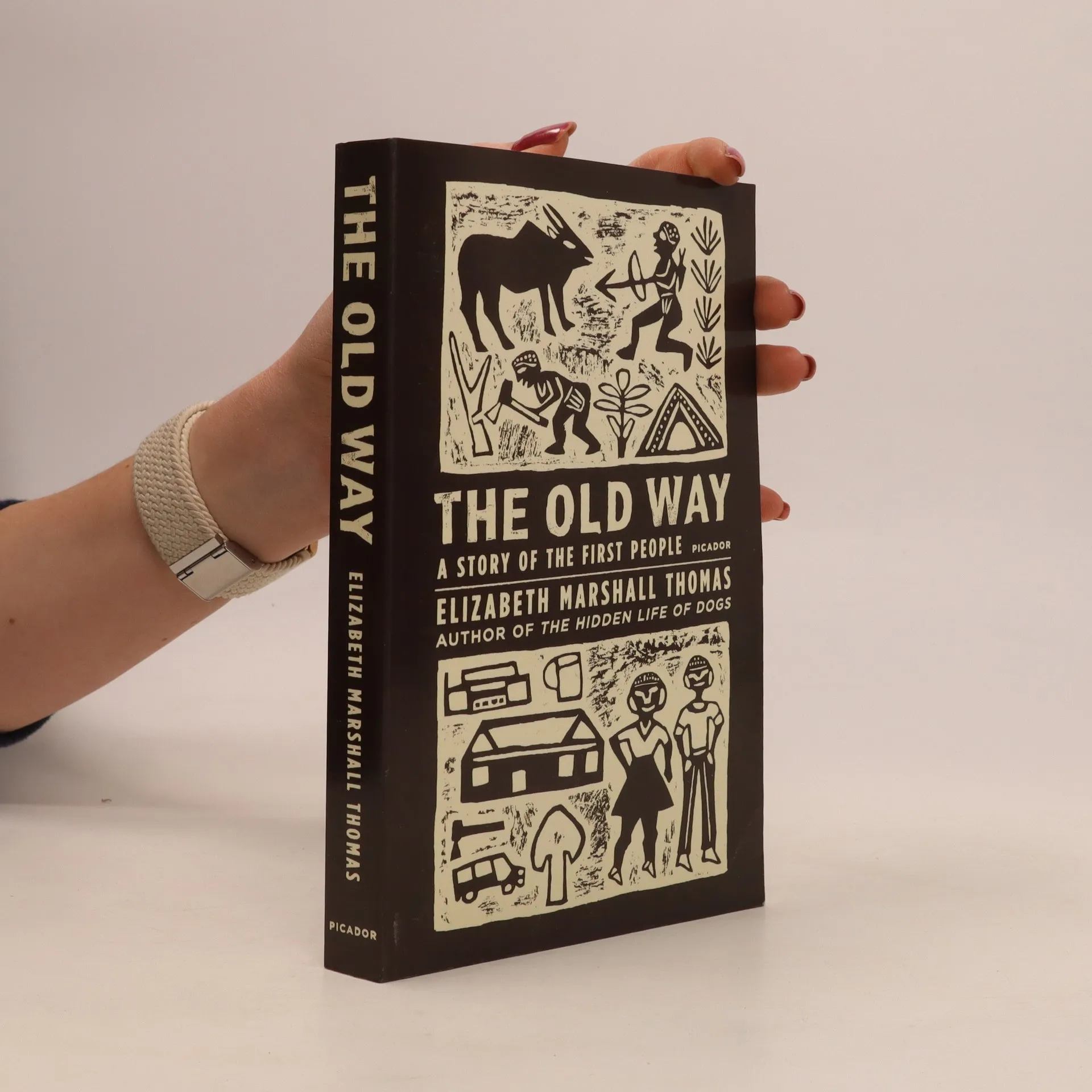
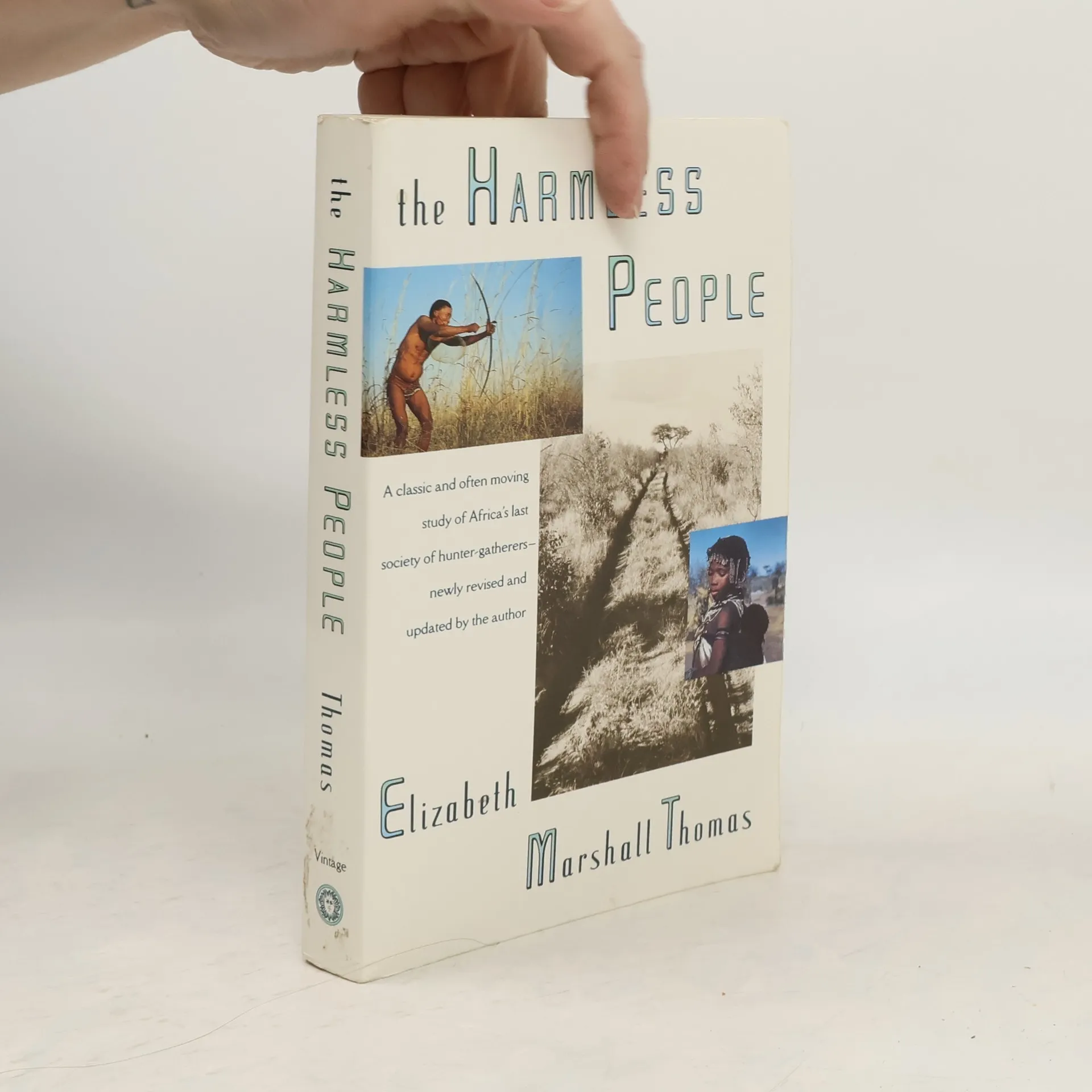
Elizabeth Marshall Thomas was nineteen when her father took his family to live among the Bushmen of the Kalahari. Fifty years later, after a life of writing and study, Thomas returns to her experiences with the Bushmen, one of the last hunter-gatherer societies on earth, and discovers among them an essential link to the origins of all human society. Humans lived for 1,500 centuries as roving clans, adapting daily to changes in environment and food supply, living for the most part like their animal ancestors. Those origins are not so easily abandoned, Thomas suggests, and our modern society has plenty still to learn from the Bushmen. Through her vivid, empathic account, Thomas reveals a template for the lives and societies of all humankind.
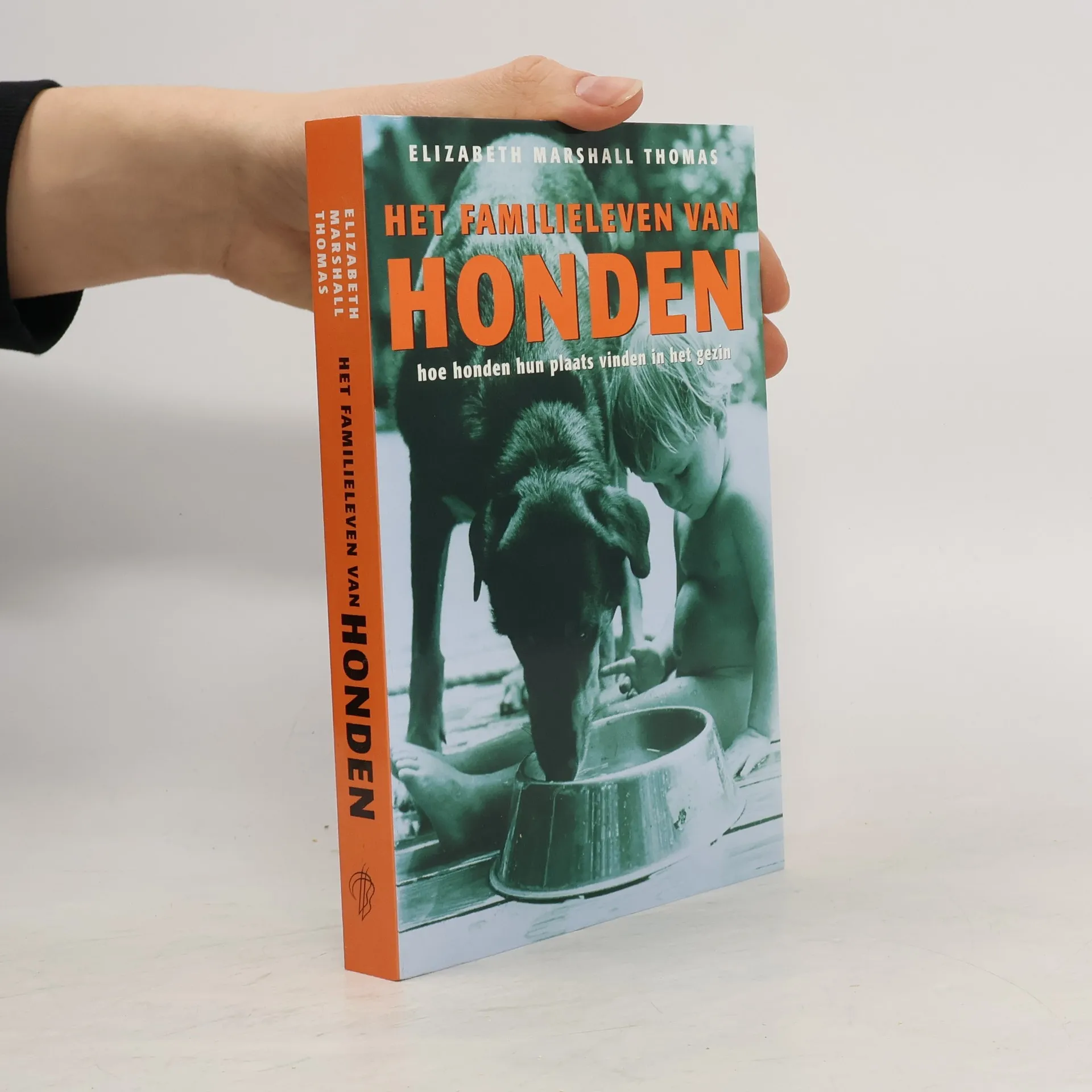
Focusing on the dynamics between dogs and their human families, the author draws from her experiences to explore canine behavior and communication. As an anthropologist, she addresses common questions about dogs, such as the significance of their barks, challenges in house-training, and the intriguing relationships between dogs and cats. Through engaging anecdotes from her own household, she provides insights into how dogs have adapted to coexist with humans and each other, enriching our understanding of these beloved pets.
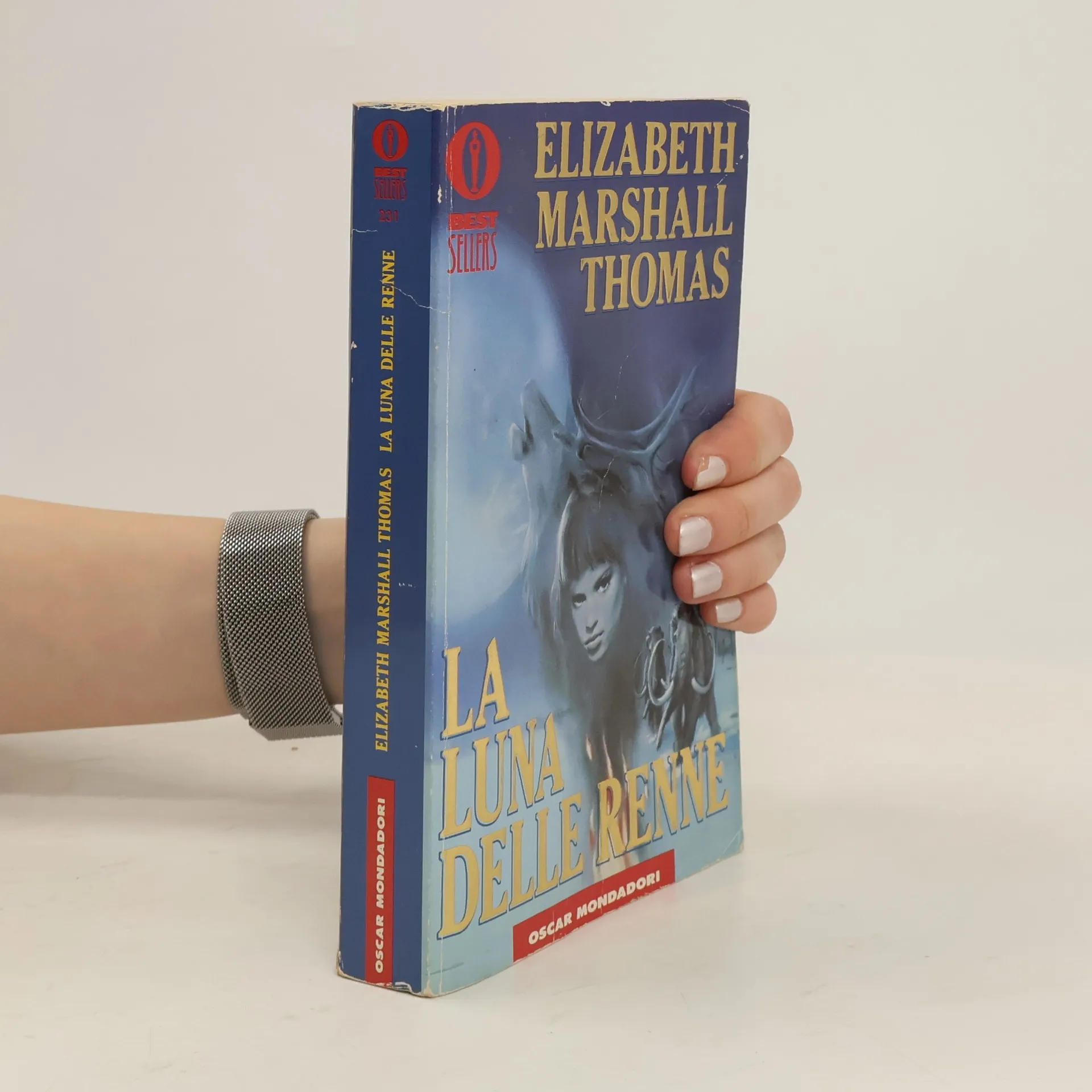
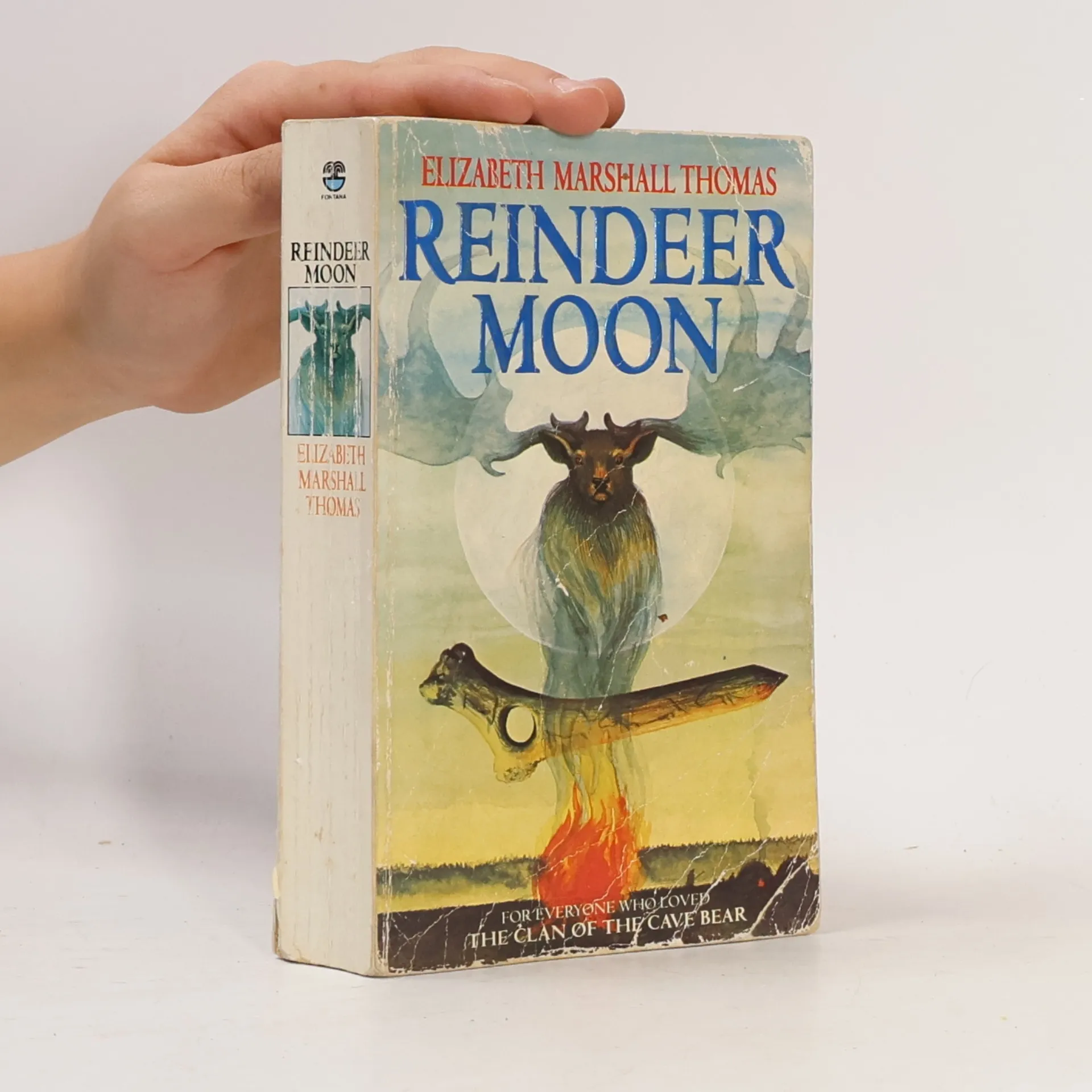
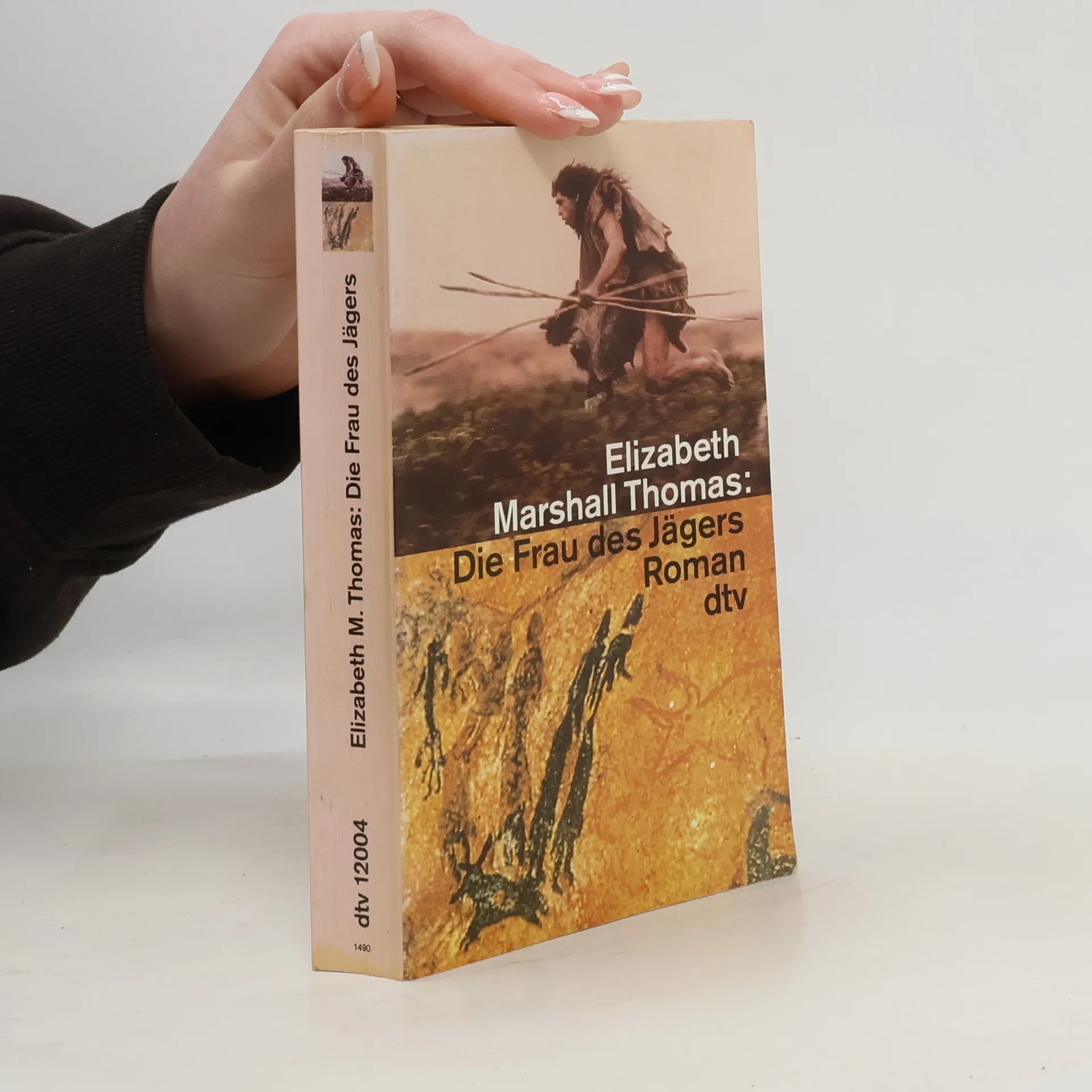
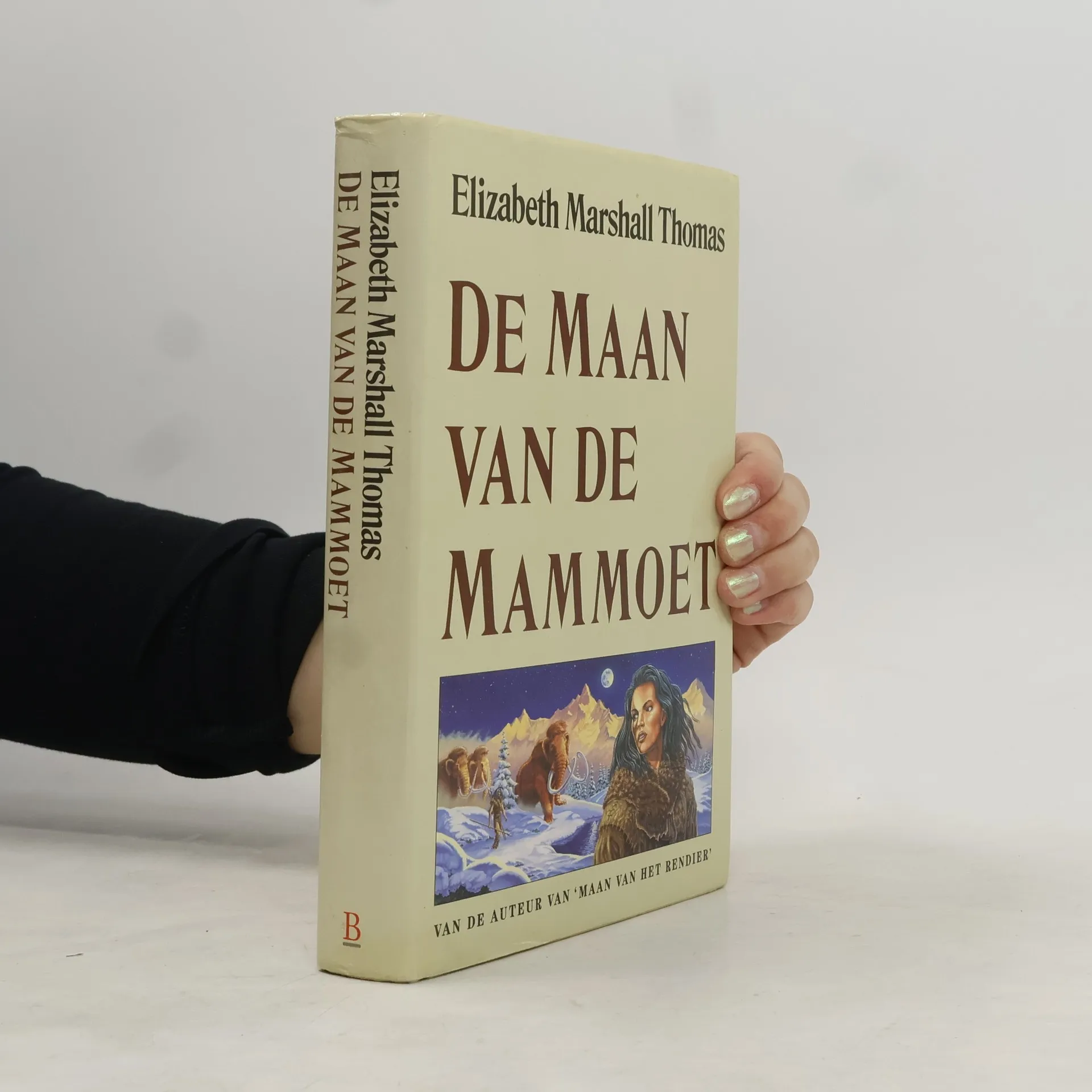
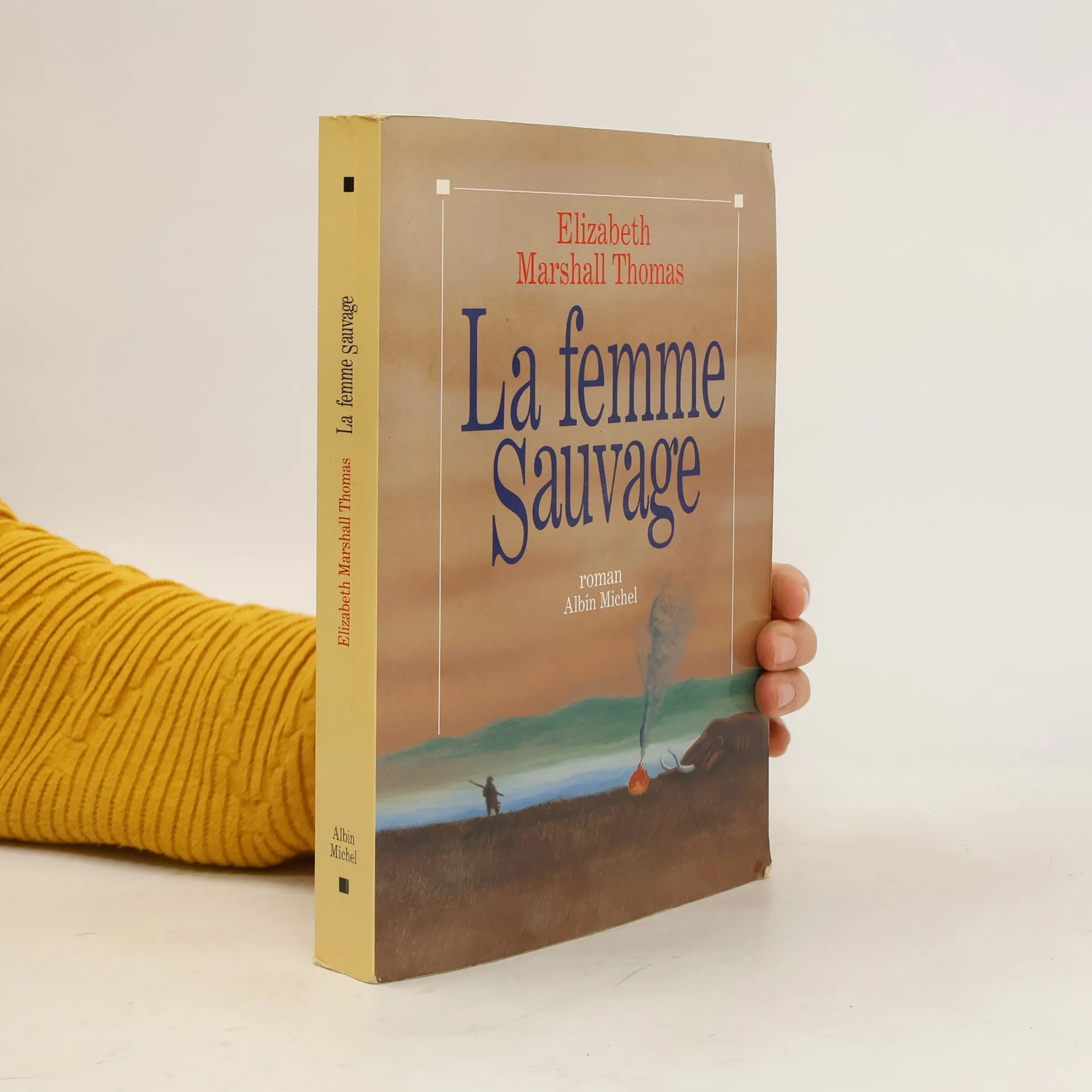
A fictional account of the life of a Siberian tribe 20,000 years ago, from the author of "Harmless People" and "Warrior Herdsmen". It is both the story of a daily struggle for survival against starvation, cold and violence, and an evocation of spiritual journeys and primitive magic.
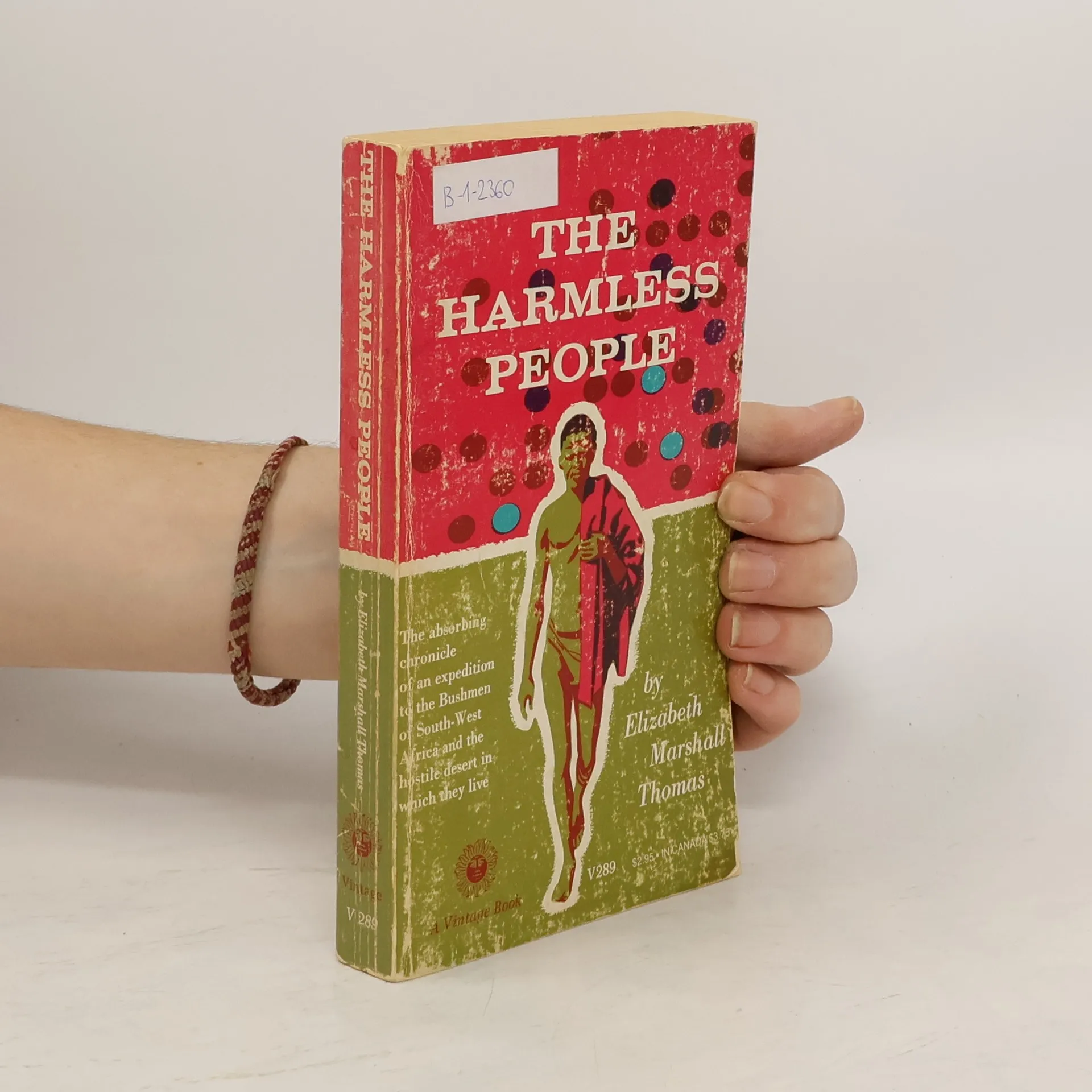
“A study of primitive people which, for beauty of . . . style and concept, would be hard to match.” — The New York Times Book ReviewIn the 1950s Elizabeth Marshall Thomas became one of the first Westerners to live with the Bushmen of the Kalahari desert in Botswana and South-West Africa. Her account of these nomadic hunter-gatherers, whose way of life had remained unchanged for thousands of years, is a ground-breaking work of anthropology, remarkable not only for its scholarship but for its novelistic grasp of character. On the basis of field trips in the 1980s, Thomas has now updated her book to show what happened to the Bushmen as the tide of industrial civilization—with its flotsam of property rights, wage labor, and alcohol—swept over them. The result is a powerful, elegiac look at an endangered culture as well as a provocative critique of our own."The charm of this book is that the author can so truly convey the strangeness of the desert life in which we perceive human traits as familiar as our own. . . . The Harmless People is a model of the style very simple and precise, perfectly suited to the neat, even fastidious activities of a people who must make their world out of next to nothing." — The Atlantic
"Tamed and Untamed -- a collection of essays penned by two of the world's most celebrated animal writers, Sy Montgomery and Elizabeth Marshall Thomas -- explores the minds, lives, and mysteries of animals as diverse as snails, house cats, hawks, sharks, dogs, lions, and even octopuses. Drawing on stories of animals both wild and domestic, the two authors, also best friends, created this book to put humans back into the animal world. The more we learn about what other animals think and do, they explain, the more we understand ourselves as animals, too. Writes Montgomery, "The list of attributes once thought to be unique to our species -- from using tools to waging war -- is not only rapidly shrinking, but starting to sound less and less impressive when we compare them with other animals' powers." With humor, empathy, and introspection, Montgomery and Thomas look into the lives of all kinds of creatures -- from man's best friend to the great white shark -- and examine the ways we connect with our fellow species. Both authors have devoted their lives to sharing the animal kingdom's magic with others, and their combined wisdom is an indispensable contribution to the field of animal literature. The book contains a foreword by Vicki Constantine Croke, author of the bestseller"--
Heartwarming and profound, this account of one writer’s relationship with his beloved German Shepherd is “one of the bonafide dog-lit classics” (New Yorker) The distinguished British man of letters J. R. Ackerley hardly thought of himself as a dog lover when, well into middle age, he came into possession of a German Shepherd. To his surprise, she turned out to be the love of his life, the “ideal friend” he had been searching for in vain for years. My Dog Tulip is a bittersweet retrospective account of their sixteen-year companionship, as well as a profound and subtle meditation on the strangeness that lies at the heart of all relationships. In vivid and sometimes startling detail, Ackerley tells of Tulip’s often erratic behavior and very canine tastes, and of his own fumbling but determined efforts to ensure for her an existence of perfect happiness. My Dog Tulip was adapted for the screen as a major animated feature film with a cast that includes the voices of Christopher Plummer, Lynn Redgrave, and Isabella Rossellini. Heralded as “a stroke of genius" by New York Magazine and “the love story of the year” by Vanity Fair, it is a masterpiece of animal literature that is sure to touch the hearts of anyone who has found companionship with their own four-legged friend.
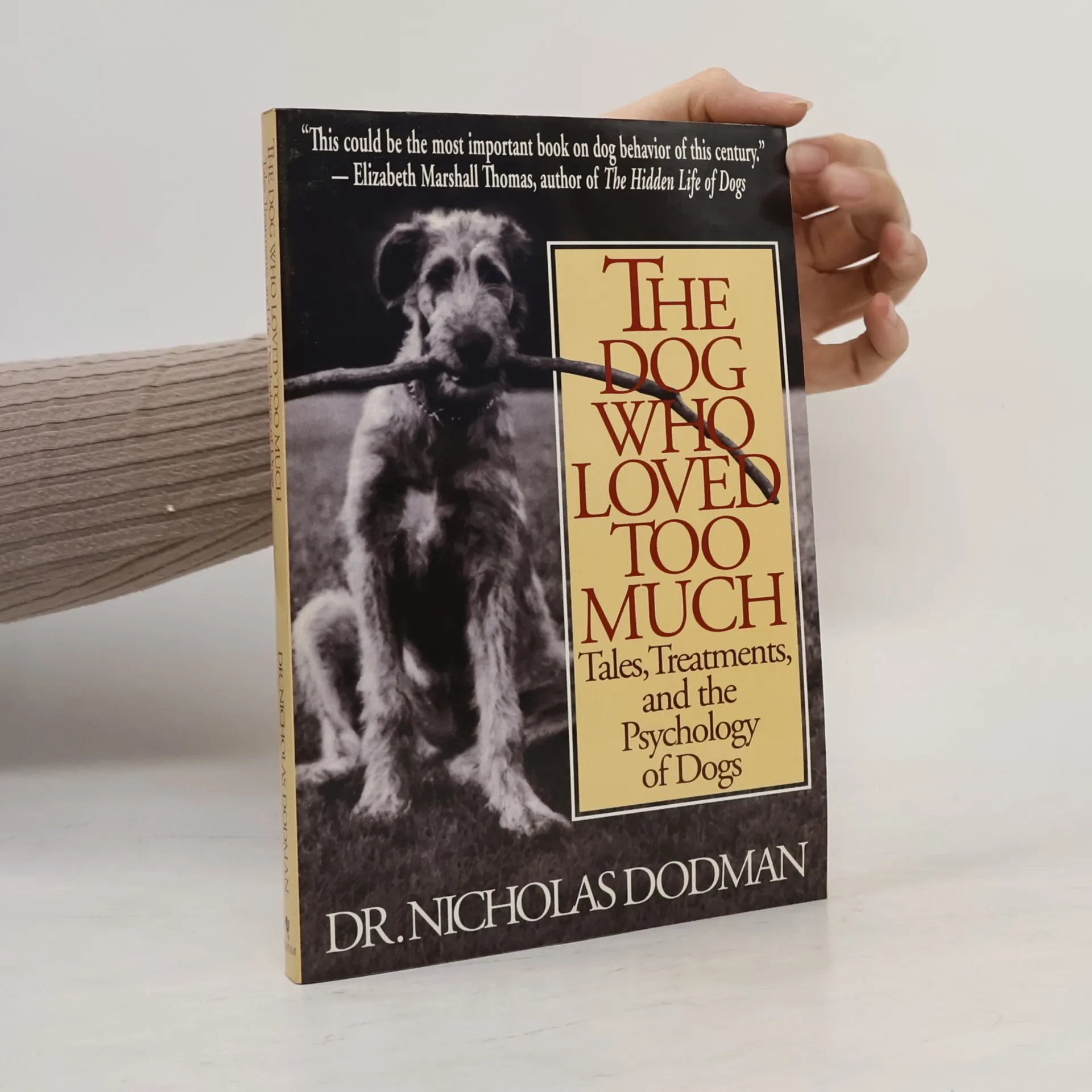
Do you have a problem pooch? What do you do with a dog who attacks the telephone whenever it rings? Or one who chases imaginary rabbits down imaginary holes? Or one who is terrified of microblinds...or turns into Cujo every time company arrives? In this warm, compassionate, entertaining, and very informative book, Dr. Nicholas Dodman, one of the premier veterinary behaviorists in the country, tells real-life stories from his practice that illustrate his unique approach to correcting unwanted behaviors. By making key changes in a dog's diet, exercise regime, environment, and training, Dr. Dodman has been able to work wonders with even the most difficult problems. Utilizing revolutionary discoveries in canine behaviorism and pharmacology, Dr. Dodman has given hope and help to owners whose only previous options were obedience schools, or if these failed--euthanasia. Whether you own a problem dog or just want to better understand the complex, intelligent mind of your canine companion, this is a book you won't want to miss.
Die Anthropologin und Verhaltensforscherin Elizabeth Marshall Thomas führt in ihrem Roman in eine Zeit, die 20.000 Jahre zurückliegt. Kori, ein junger Mammut- und Rentierjäger, begegnet einer fremden Frau, die er zunächst für ein Tier hält, da sie die für ihn unbekannte Tätigkeit des Schwimmens praktiziert. Gegen ihren Willen nimmt Kori sie mit. Da sie aber die Sprache und die religiösen Tabus seiner Sippe nicht kennt, bleibt sie eine Außenseiterin.- Die Erzählung geht auf einen uralten Mythos zurück und ist eine Parabel für den schwierigen Umgang mit allem Fremden.
/ 9789024649198 / Literature translated into Dutch / Nederlands / Dutch / Néerlandais / Niederländisch / hard cover / dust jacket / 14 x 22 cm / 300 .pp /
Beschrijving in verhaalvorm van het gedrag en de psychologie van katten en katachtigen waarbij naast gegevens over de huiskat, de ervaringen van bosjesmannen met Afrikaanse leeuwen en de levensomstandigheden van katachtigen in dierentuinen beschreven worden.
La Sibérie, il y a 20000 ans, est le décor dans lequel évoluent cette femme et la tribu où elle apportera une nouvelle manière de vivre. Dans la ligne de ##La lune des rennes## (1987) du même auteur paru chez Laffont. Documentation et plan.