


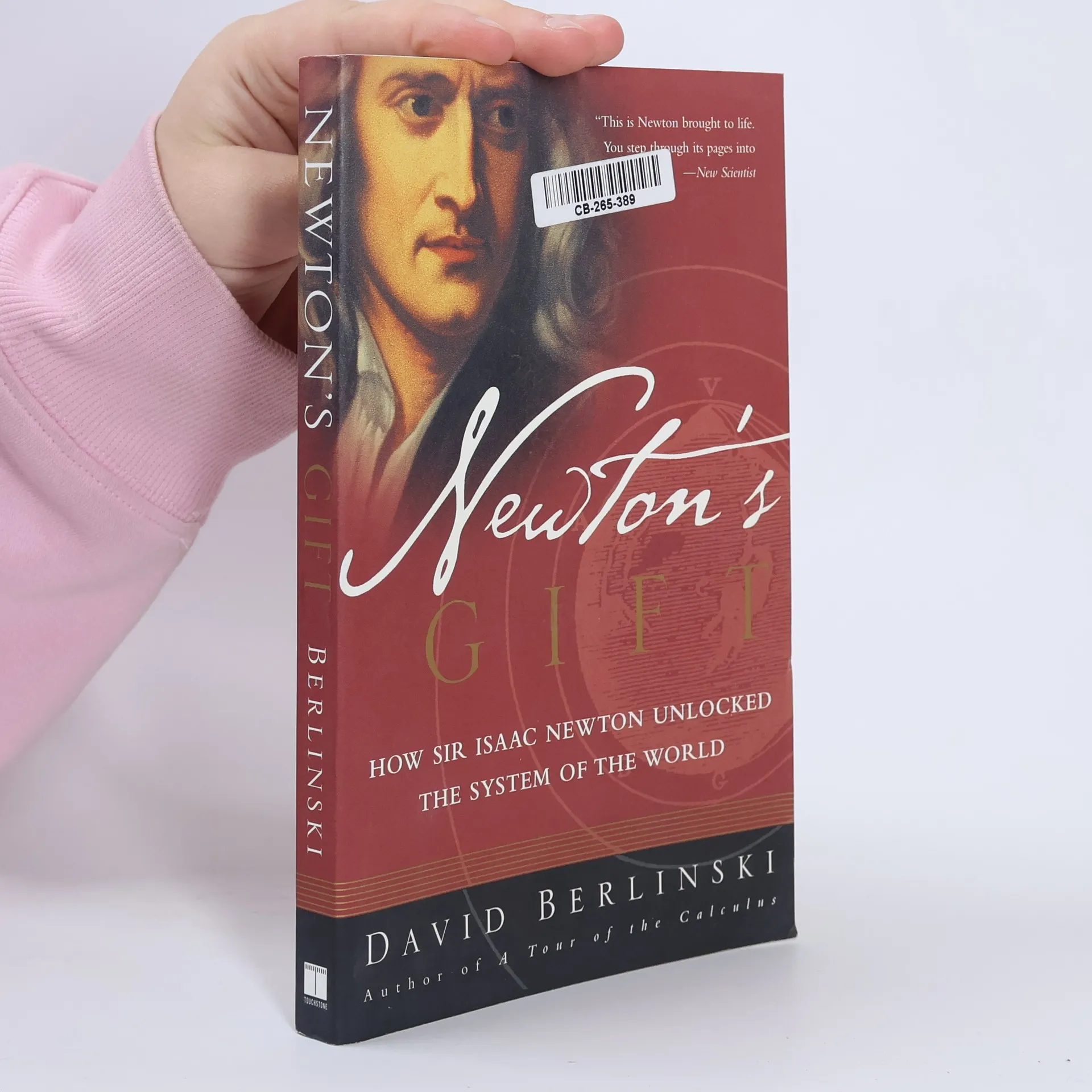
Polymath and raconteur David Berlinski is at it again, challenging the shibboleths of contemporary science with his inimitable blend of deep learning, close reasoning, and rapier wit. In Science After Babel he reflects on everything from Newton, Einstein, and Gödel to catastrophe theory, information theory, and the morass that is modern Darwinism. The scientific enterprise is unarguably impressive, but it shows no sign of reaching the empyrean heights it seemed to promise a century ago. "It resembles Bruegel's Tower of Babel," Berlinski says, "and if it suggests anything at all, it suggests that its original plans have somehow been lost." Science endures. Scientism, it would seem, is guttering out.
David Berlinski Ordine dei libri
David Berlinski affronta questioni complesse all'incrocio tra scienza e filosofia. I suoi scritti, apparsi su riviste di spicco, esplorano le origini della mente e la natura dell'esistenza. L'approccio analitico di Berlinski, affinato attraverso studi di matematica e filosofia, naviga tra argomenti intricati con profonda curiosità intellettuale. I suoi molteplici interessi spaziano dall'indagine scientifica all'espressione creativa, offrendo ai lettori una miscela unica di pensiero rigoroso e talento letterario.


- 2023
- 2021
Diabolský blud
- 184pagine
- 7 ore di lettura
Militantný ateizmus je na vzostupe. V uplynulých rokoch autority ako Richard Dawkins, Sam Harris, Daniel Dennett a Christopher Hitchens vyprodukovali nepretržitý prúd knižných bestsellerov, znevažujúcich náboženskú vieru ako nebezpečné bláznovstvo. A títo autori sú len špičkou omnoho väčšieho hnutia, ktoré dnes zahŕňa veľkú časť vedeckej komunity. David Berlinski strávil veľkú časť svojho života písaním o matematike a iných vedách. Hoci je sám sekulárnym Židom, predsa predkladá uštipačnú obranu náboženského myslenia, pričom si dovoľuje klásť dosť nepríjemné otázky o týchto nových ateistoch a odpovedať na ne. Diabolský blud je skvelá, prenikavá a zábavná kniha, ktorá skúma hranice vedy a pretvárky tých, čo nástoja, že veda môže byť ba musí byť konečným skúšobným kameňom na pochopenie nášho sveta a nás samých.
- 2011
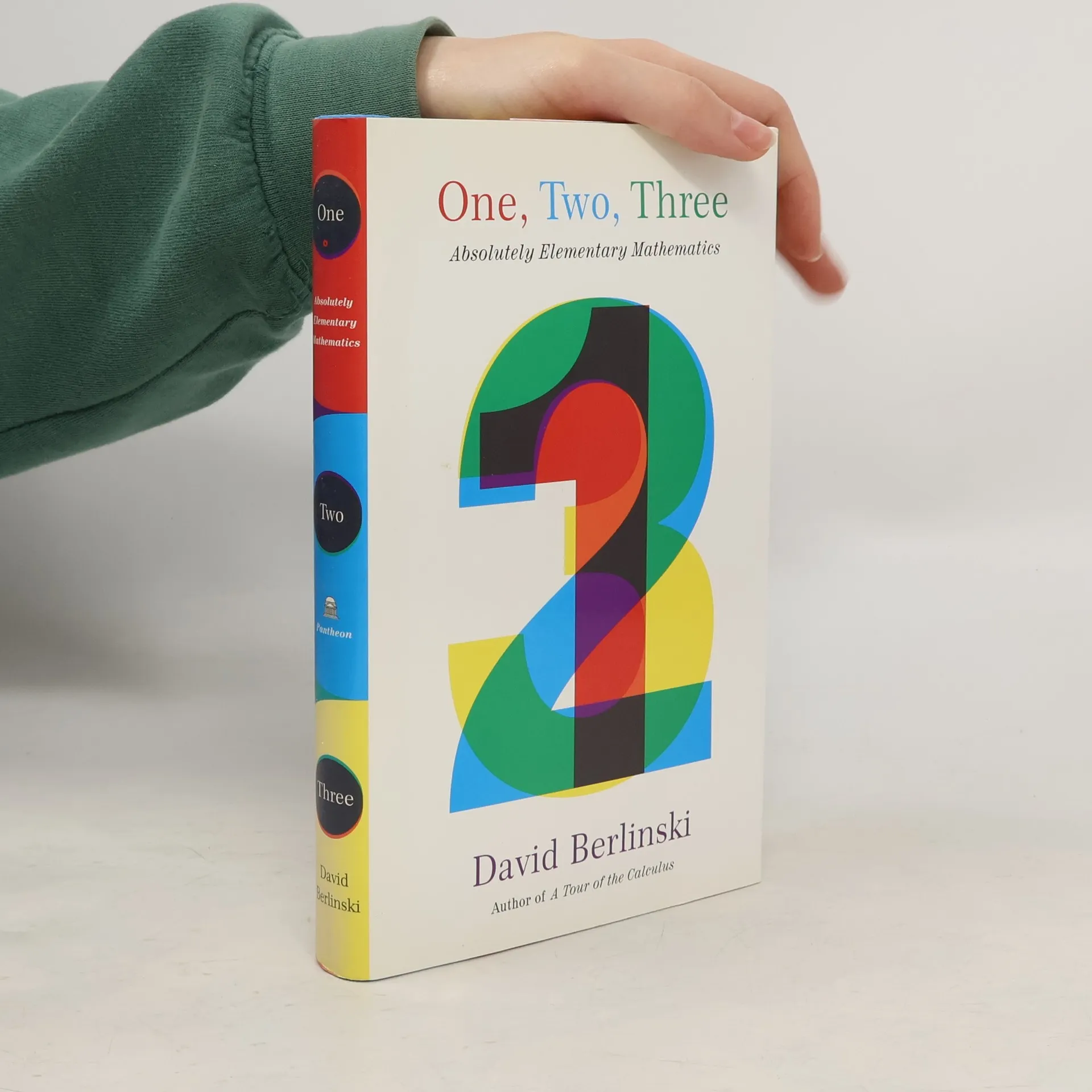
From the acclaimed author of A Tour of the Calculus and The Advent of the Algorithm, here is a riveting look at mathematics that reveals a hidden world in some of its most fundamental concepts. In his latest foray into mathematics, David Berlinski takes on the simplest questions that can be asked: What is a number? How do addition, subtraction, multiplication, and division actually work? What are geometry and logic? As he delves into these subjects, he discovers and lucidly describes the beauty and complexity behind their seemingly simple exteriors, making clear how and why these mercurial, often slippery concepts are essential to who we are. Filled with illuminating historical anecdotes and asides on some of the most fascinating mathematicians through the ages, One, Two, Three is a captivating exploration of the foundation of mathematics: how it originated, who thought of it, and why it matters. From the Hardcover edition.
- 2010
Signature of Controversy: Responses to Critics of Signature in the Cell
- 143pagine
- 6 ore di lettura
The book offers a critical analysis of the responses to Stephen C. Meyer's influential work on intelligent design, "Signature in the Cell." It highlights how many critics failed to engage with the core arguments of Meyer's theory. Edited by David Klinghoffer, it features essays from prominent defenders of intelligent design, including David Berlinski and Paul Nelson, who examine the critiques using the critics' own writings. This collection aims to clarify and defend the principles of intelligent design against its detractors.
- 2009
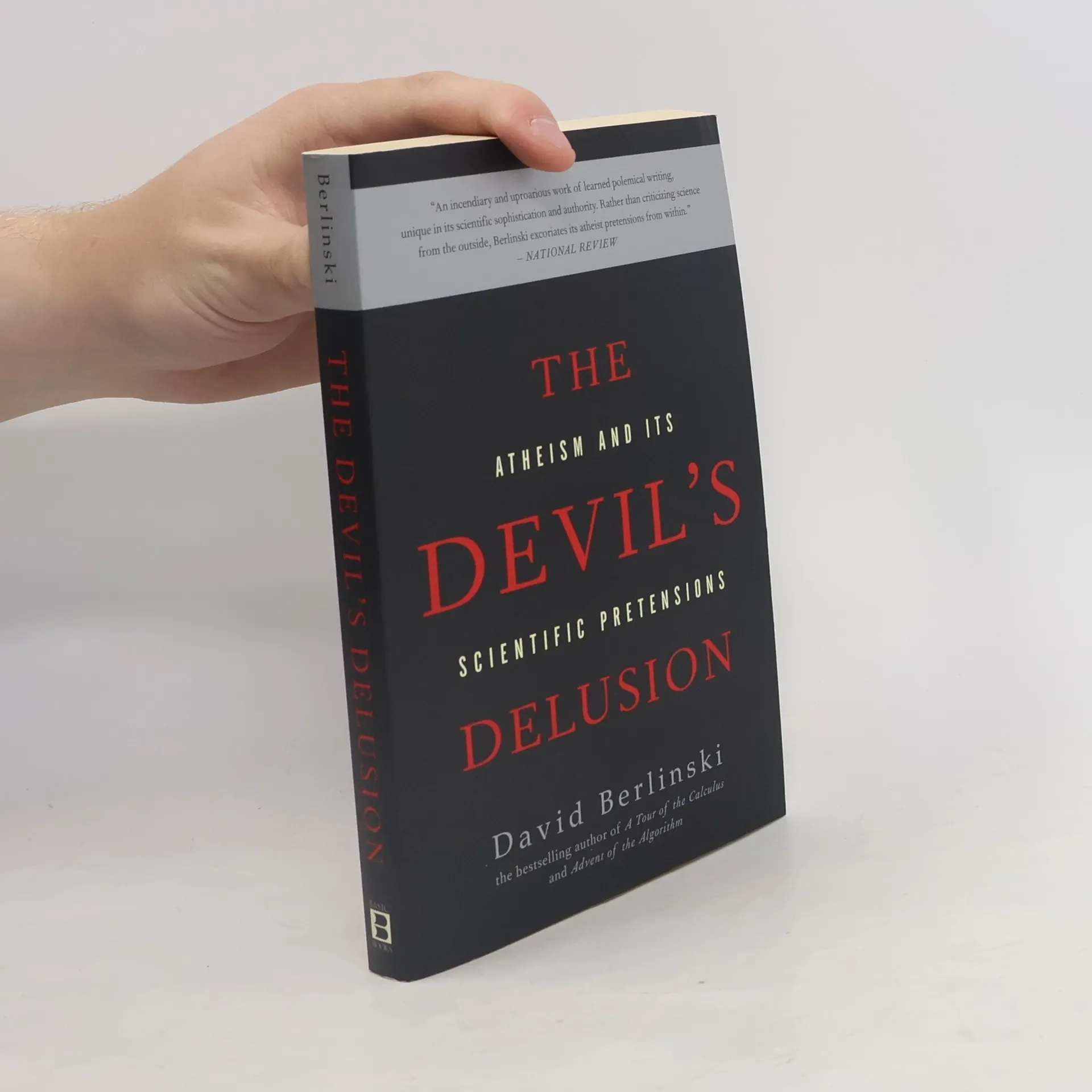
The Devil's Delusion
- 237pagine
- 9 ore di lettura
A secular Jew, Berlinski nonetheless delivers a biting defense of religious thought. This incisive book explores the limits of science and the pretensions of those who insist it can be--indeed must be--the ultimate touchstone for understanding the world.
- 2005
