




Parametri
- 246pagine
- 9 ore di lettura
Maggiori informazioni sul libro
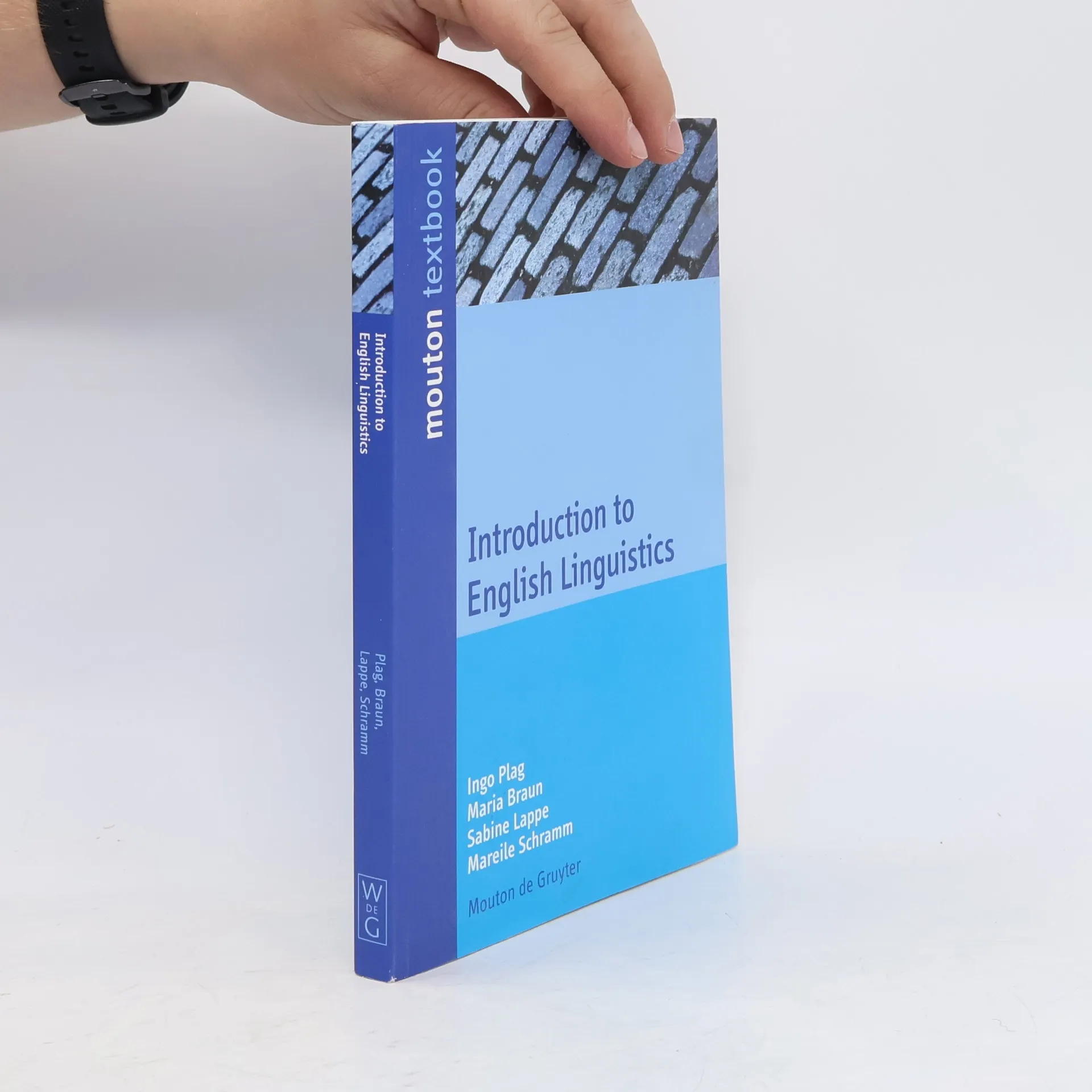
This book serves as an introduction to English linguistics for beginning university students, emphasizing a hands-on approach with a strong focus on linguistic analysis and argumentation. It adopts an empirical perspective, requiring students to address theoretical and methodological challenges in analyzing data. The theoretical framework is developed in relation to the data rather than presented as established facts. By engaging with the material, students will learn to utilize essential methodological tools to gather relevant data, such as corpora and dictionaries, and systematically analyze their findings in relation to theoretical issues. The content is not confined to a specific theoretical framework, drawing insights from various research traditions. Core areas of linguistics covered include phonology, morphology, syntax, semantics, and pragmatics. The final chapter expands the discussion to other linguistic research fields, including historical, sociolinguistics, and psycholinguistics. Additionally, the book includes exercises and a glossary to enhance learning.


Acquisto del libro
Introduction to English linguistics, Ingo Plag
- Lingua

- Pubblicato
- 2007
- product-detail.submit-box.info.binding
- (In brossura),
- Condizioni del libro
- Danneggiato
- Prezzo
- 17,17 €
Metodi di pagamento
Qui potrebbe esserci la tua recensione.
- Lingua
- Inglese
- Autori
- Ingo Plag
- Editore
- Mouton de Gruyter
- Pubblicato
- 2007
- Formato
- In brossura
- Pagine
- 246
- ISBN10
- 3110189690
- ISBN13
- 9783110189698
- Serie
- Tag
- Saggistica, Scienze sociali, Libri di testo, Dizionari Linguistici e Libri di Testo, Scuola, Lingue, Manuali di lingua
- Valutazione
- 3,8 su 5
- Descrizione
- This book serves as an introduction to English linguistics for beginning university students, emphasizing a hands-on approach with a strong focus on linguistic analysis and argumentation. It adopts an empirical perspective, requiring students to address theoretical and methodological challenges in analyzing data. The theoretical framework is developed in relation to the data rather than presented as established facts. By engaging with the material, students will learn to utilize essential methodological tools to gather relevant data, such as corpora and dictionaries, and systematically analyze their findings in relation to theoretical issues. The content is not confined to a specific theoretical framework, drawing insights from various research traditions. Core areas of linguistics covered include phonology, morphology, syntax, semantics, and pragmatics. The final chapter expands the discussion to other linguistic research fields, including historical, sociolinguistics, and psycholinguistics. Additionally, the book includes exercises and a glossary to enhance learning.