

Il libro è attualmente esaurito
Maggiori informazioni sul libro
Set in the late 15th century, this account details the early life and education of Sir Thomas More, emphasizing his connections with influential figures like Cardinal John Morton. More's journey includes his time at St. Anthony's School and Canterbury College, where he studied Greek under prominent scholars. The narrative highlights Morton's role as a patron, shaping More's future, and hints at the intellectual environment that influenced More's later works, including his reflections on society in "Utopia."


Pubblicazione

- 2024

- 2024
- 2023
- 2023
- 2022
- 2022
- 2022
- 2022
- 2022
- 2022
- 2021
- 2021
- 2021
- 2021
- 2021
- 2021

- 2020
- 2020
- 2020
- 2020
- 2019
- 2019
- 2019
- 2018
- 2018
- 2018
- 2018
- 2018
- 2018
- 2018
- 2018
- 2018
- 2017
- 2017
- 2017
- 2016
- 2015
- 2014
- 2014
- 2013

- 2012
- 2012
- 2011
- 2011
- 2011
- 2011
- 2011

- 2010
- 2010
- 2010
- 2010
- 2009
- 2009
- 2008
- 2008

- 2006
- 2005
- 2005
- 2004

- 2001
- 1999






Acquisto del libro
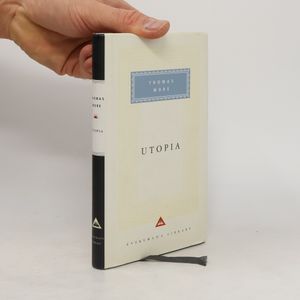
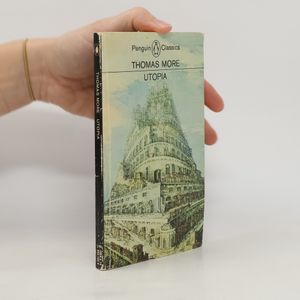
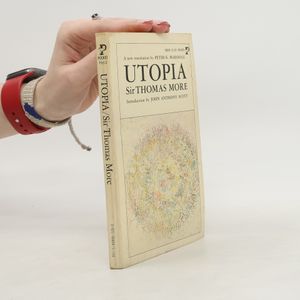
Utopia, Thomas Morus
- Lingua

- Pubblicato
- 2008
Metodi di pagamento
Qui potrebbe esserci la tua recensione.
- Titolo
- Utopia
- Lingua
- Inglese
- Autori
- Thomas Morus
- Editore
- Akasha Classics
- Pubblicato
- 2008
- Pagine
- 108
- ISBN13
- 9781605120492
- Serie
- Tag
- Narrativa, Temi religiosi, Tematica filosofica, Fantascienza, Classici, Politica, Tensione, Società, Inghilterra, Futuro, Isole, Socialismo, Utopie, Umanesimo, Stato, Esperimenti mentali
- Prima pubblicazione
- 1516
- Titolo originale
- Utopia
- Valutazione
- 3,45 su 5
- Descrizione
- Set in the late 15th century, this account details the early life and education of Sir Thomas More, emphasizing his connections with influential figures like Cardinal John Morton. More's journey includes his time at St. Anthony's School and Canterbury College, where he studied Greek under prominent scholars. The narrative highlights Morton's role as a patron, shaping More's future, and hints at the intellectual environment that influenced More's later works, including his reflections on society in "Utopia."