

Maggiori informazioni sul libro
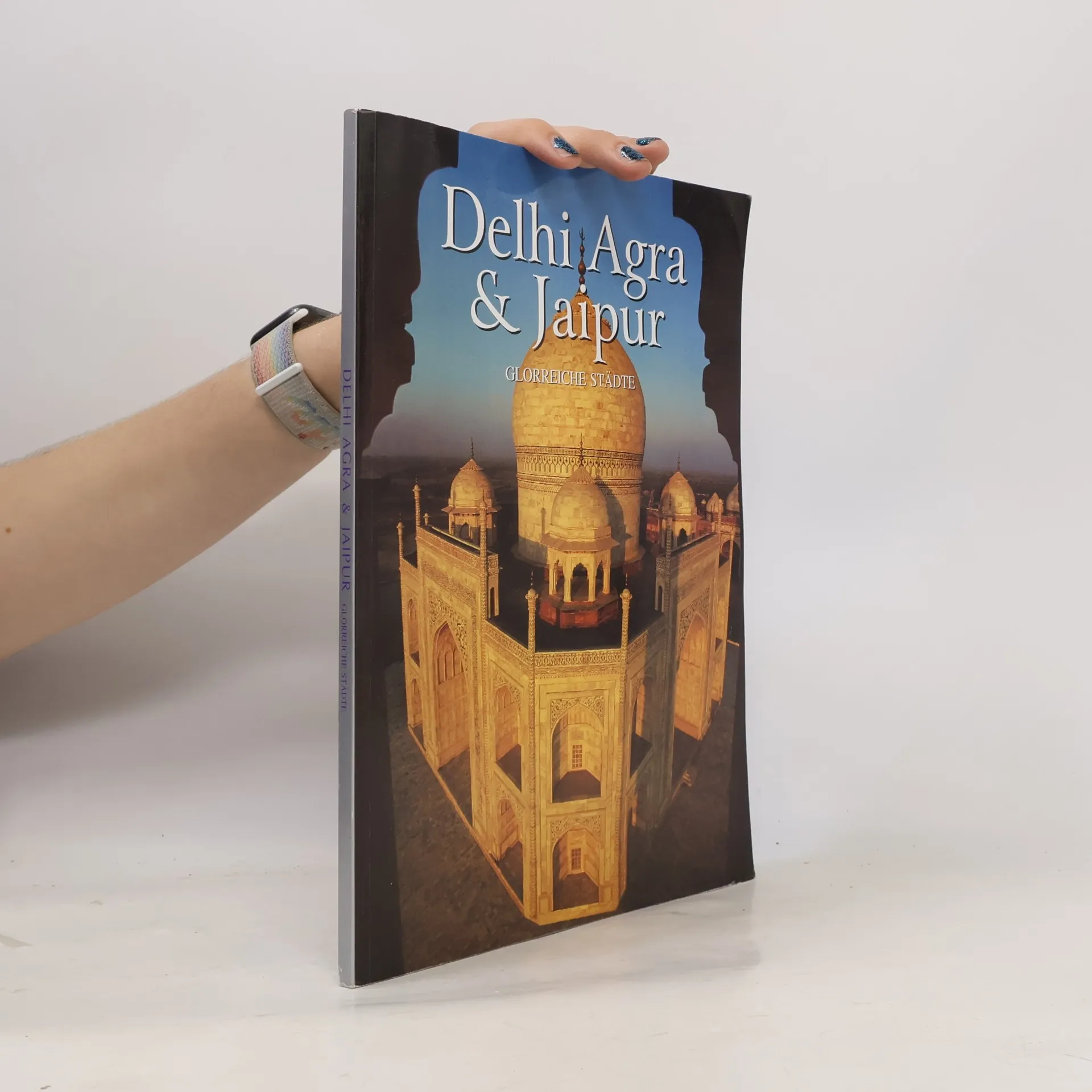
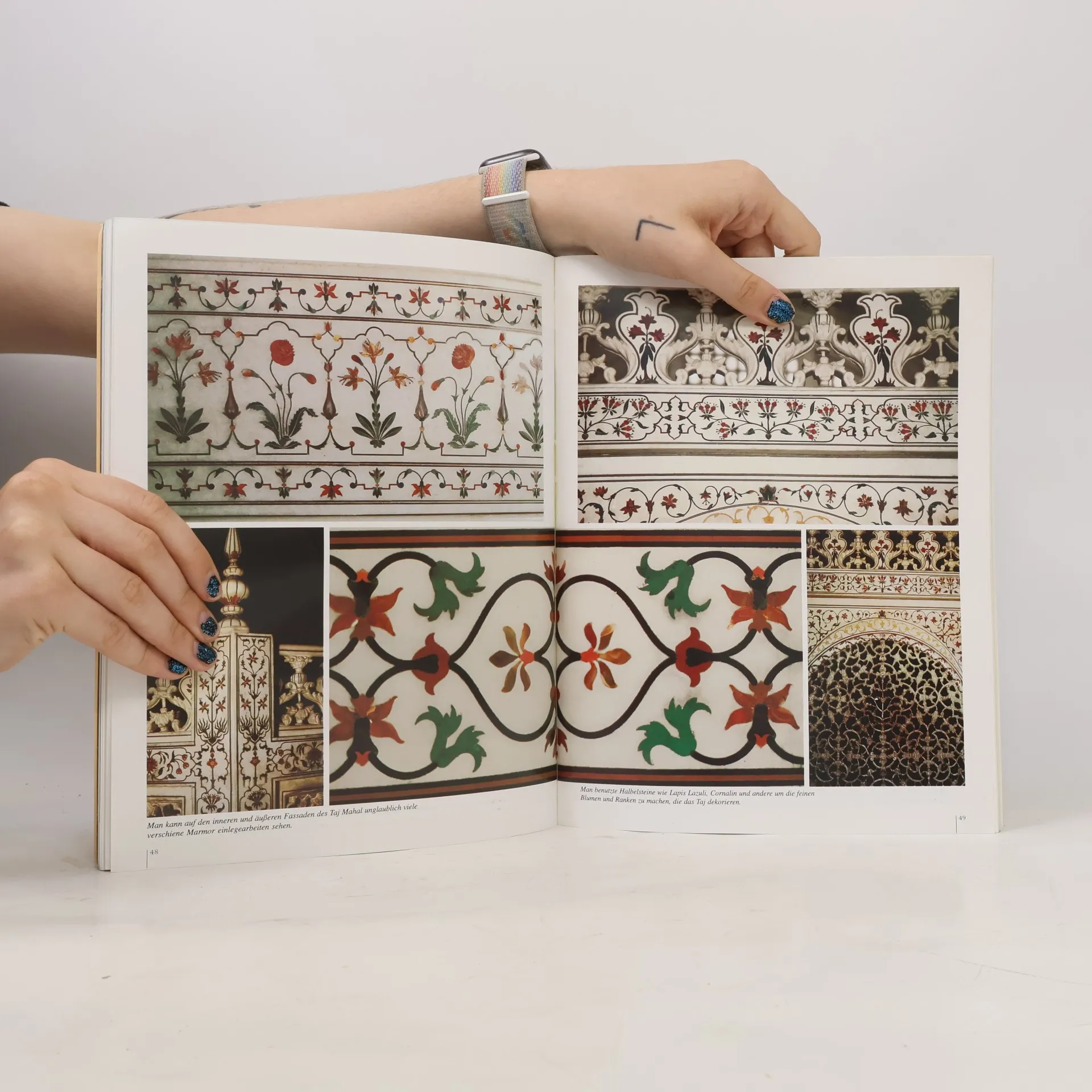
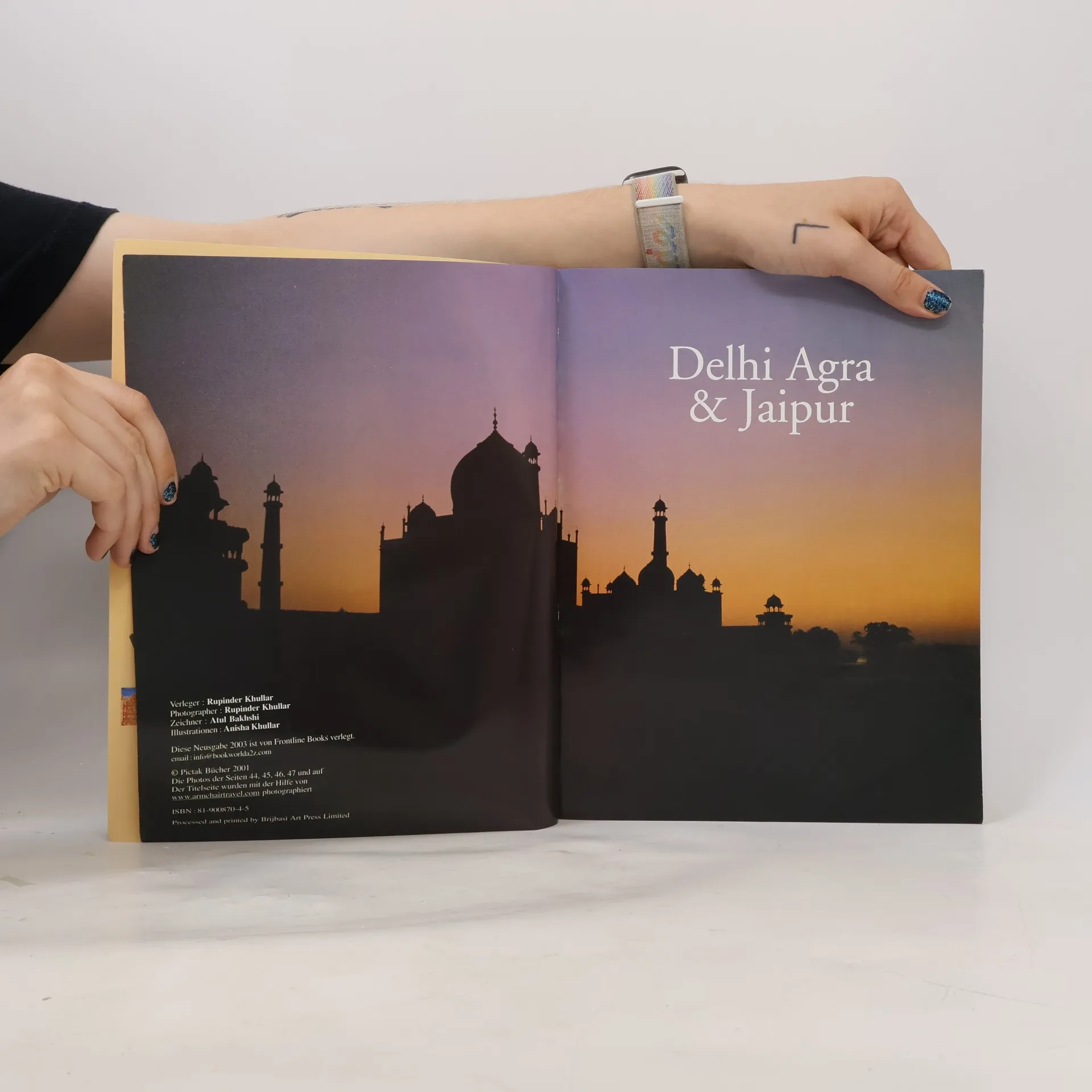
The evolution of Mughal Architecture which began with the laying of Rambagh, a Persian Charbagh (four square garden) by the first Mughal Emperor Babur in 1526, continued to flourish during the rule of Humayun, Akbar and Jahangir, till reaching its Zenith in the pure and perfect Taj Mahal, the grandiose garden tomb, that still defies an apt description. Yet to people all over the globe, Taj Mahal symbolizes India. Everyone who visits the Taj, takes away his or her impressions and experiences of the mausoleum. Innumerable romantic tales and colorful fantasies have been woven around it. Writers, poets, artists, photographers and avid travelers are drawn towards it time and again. The smooth marble veneer of the Taj is responsive to every change or shift in light so that it acquires a different look at different times of the day and during different seasons. The benign rays of the sun lend a soft purple hue to it at dawn which changes to a dazzling white during the harsh noon, appearing gloriously golden against the backdrop of the setting sun and divinely luminous on a moonlit light. Each season brings forth its own subtle variations.


Acquisto del libro
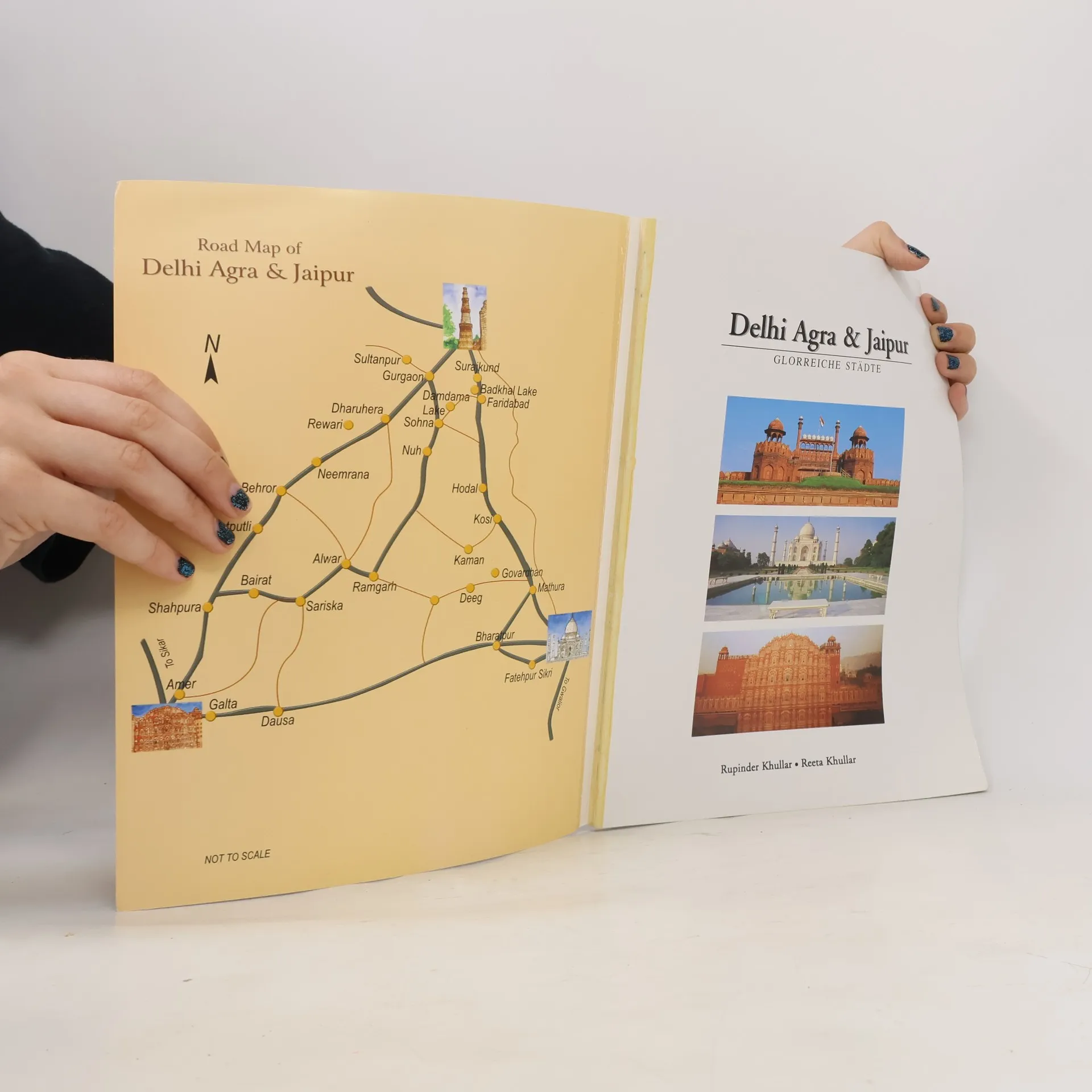
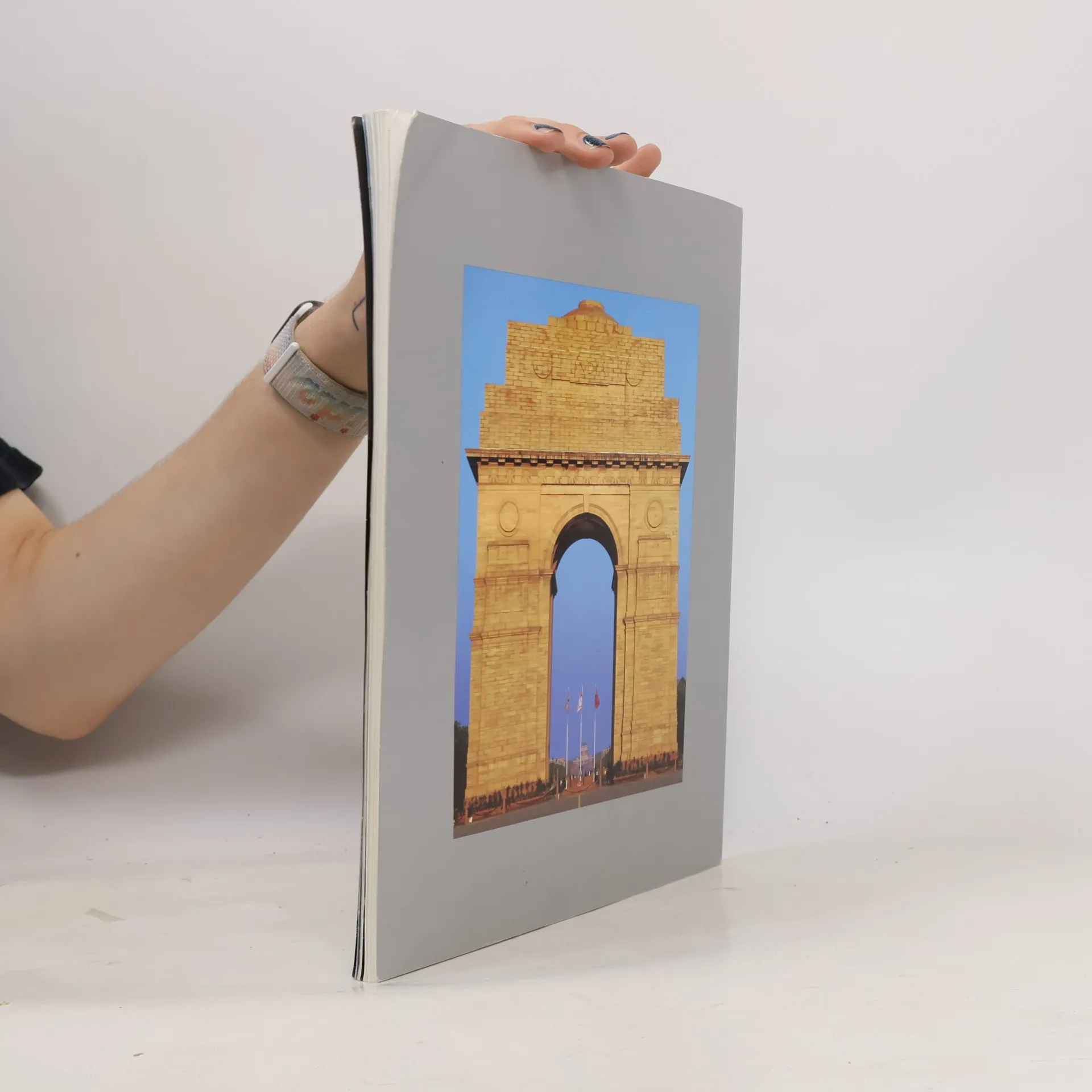
Delhi, Agra & Jaipur The Glorious Cities, Frontline Books, Reeta Khullar, Rupinder Khullar
- Lingua

- Pubblicato
- 2003
- product-detail.submit-box.info.binding
- (In brossura),
- Condizioni del libro
- Danneggiato
- Prezzo
- 3,71 €
Metodi di pagamento
Ancora nessuna valutazione.
- Lingua
- Inglese
- Pubblicato
- 2003
- Formato
- In brossura
- Pagine
- 96
- ISBN10
- 8190087045
- ISBN13
- 9788190087049
- Serie
- Descrizione
- The evolution of Mughal Architecture which began with the laying of Rambagh, a Persian Charbagh (four square garden) by the first Mughal Emperor Babur in 1526, continued to flourish during the rule of Humayun, Akbar and Jahangir, till reaching its Zenith in the pure and perfect Taj Mahal, the grandiose garden tomb, that still defies an apt description. Yet to people all over the globe, Taj Mahal symbolizes India. Everyone who visits the Taj, takes away his or her impressions and experiences of the mausoleum. Innumerable romantic tales and colorful fantasies have been woven around it. Writers, poets, artists, photographers and avid travelers are drawn towards it time and again. The smooth marble veneer of the Taj is responsive to every change or shift in light so that it acquires a different look at different times of the day and during different seasons. The benign rays of the sun lend a soft purple hue to it at dawn which changes to a dazzling white during the harsh noon, appearing gloriously golden against the backdrop of the setting sun and divinely luminous on a moonlit light. Each season brings forth its own subtle variations.