



Maggiori informazioni sul libro
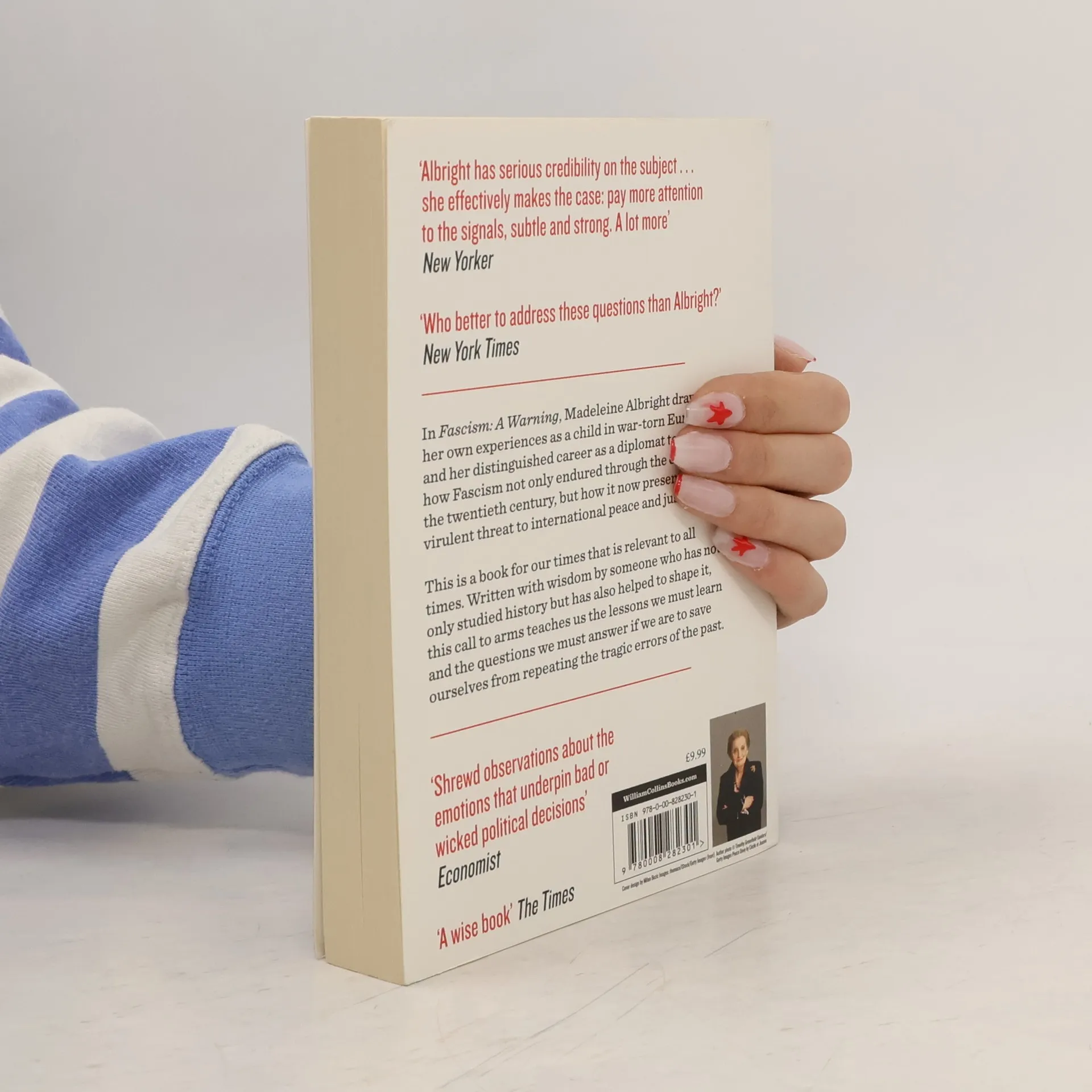
A personal and urgent examination of Fascism in the twentieth century and its legacy in today's world, this work by a distinguished public servant and the first woman U.S. secretary of state offers invaluable insights. Madeleine Albright defines a Fascist as someone who claims to represent an entire nation or group, disregards the rights of others, and resorts to violence to achieve their aims. The twentieth century was marked by the struggle between democracy and Fascism, leading to immense human suffering and loss of life. One might expect that the horrors of that era would prevent the rise of similar ideologies today. However, Albright draws on her experiences as a child in war-torn Europe and her diplomatic career to challenge this assumption. She argues that Fascism not only persisted but now poses a greater threat to global peace and justice than ever since World War II. The post-Berlin Wall momentum toward democracy has reversed, with the U.S. led by a president who deepens divisions and undermines democratic institutions. Economic, technological, and cultural shifts are empowering extremes on both sides of the political spectrum. Contemporary leaders like Vladimir Putin and Kim Jong-un employ tactics reminiscent of early twentieth-century Fascists. This timely work serves as a crucial reminder of the lessons we must learn to avoid repeating the tragic mistakes of history.




Acquisto del libro
Fascism: A warning, Madeleine Korbel Albright
- Lingua

- Pubblicato
- 2019
- Rilegatura
- (Copertina rigida)
Metodi di pagamento
Qui potrebbe esserci la tua recensione.
- Titolo
- Fascism: A warning
- Lingua
- Inglese
- Editore
- HarperCollinsPublishers
- Pubblicato
- 2019
- Formato
- Copertina rigida
- Pagine
- 288
- ISBN10
- 0008282307
- ISBN13
- 9780008282301
- Serie
- Tag
- Saggistica, Scienze sociali, Tema stórico, Storia, Storie vere, Biografie, Scienze politiche & Politica, Tematica filosofica, Filosofia, Politica, Storia Militare, Guerre, Regali per il nonno, Biografie di politici, Biografie di donne
- Valutazione
- 4,2 su 5
- Descrizione
- A personal and urgent examination of Fascism in the twentieth century and its legacy in today's world, this work by a distinguished public servant and the first woman U.S. secretary of state offers invaluable insights. Madeleine Albright defines a Fascist as someone who claims to represent an entire nation or group, disregards the rights of others, and resorts to violence to achieve their aims. The twentieth century was marked by the struggle between democracy and Fascism, leading to immense human suffering and loss of life. One might expect that the horrors of that era would prevent the rise of similar ideologies today. However, Albright draws on her experiences as a child in war-torn Europe and her diplomatic career to challenge this assumption. She argues that Fascism not only persisted but now poses a greater threat to global peace and justice than ever since World War II. The post-Berlin Wall momentum toward democracy has reversed, with the U.S. led by a president who deepens divisions and undermines democratic institutions. Economic, technological, and cultural shifts are empowering extremes on both sides of the political spectrum. Contemporary leaders like Vladimir Putin and Kim Jong-un employ tactics reminiscent of early twentieth-century Fascists. This timely work serves as a crucial reminder of the lessons we must learn to avoid repeating the tragic mistakes of history.