



Parametri
Maggiori informazioni sul libro
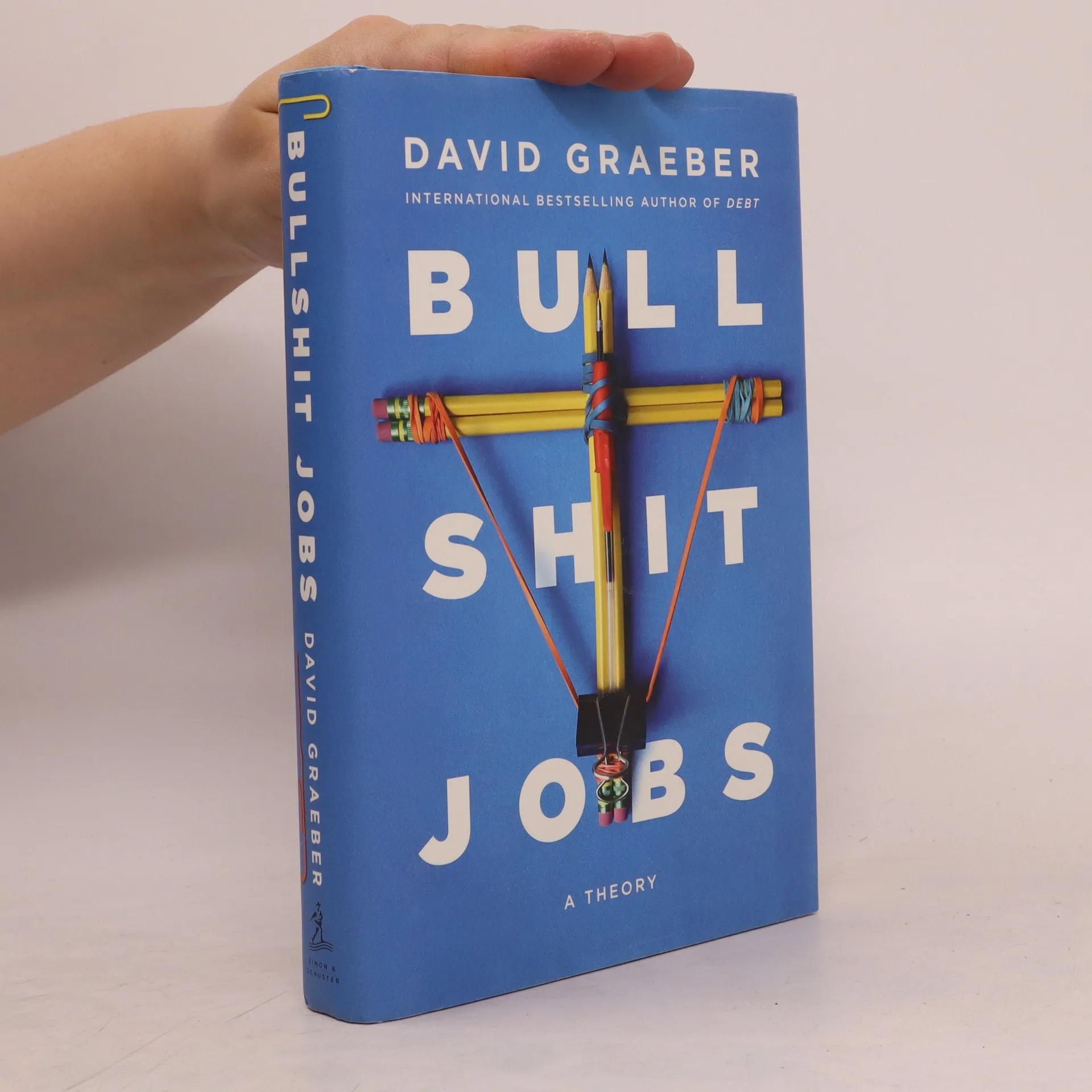
Back in 1930, the economist John Maynard Keynes prophesied that by the century's end, technology would see us all working fifteen-hour weeks. But instead, something curious happened. Today, average working hours have not decreased, but increased. And now, across the developed world, three-quarters of all jobs are in services or admin, jobs that don't seem to add anything to society- bullshit jobs. In Bullshit Jobs, David Graeber explores how this phenomenon - one more associated with the 20th-century Soviet Union, but which capitalism was supposed to eliminate - has happened. In doing so, he looks at how we value work, and how, rather than being productive, work has become an end in itself; the way such work maintains the current broken system of finance capital; and, finally, how we can get out of it.







Acquisto del libro
Bullshit Jobs, David Graeber
- Lingua

- Pubblicato
Metodi di pagamento
Qui potrebbe esserci la tua recensione.
- Titolo
- Bullshit Jobs
- Lingua
- Inglese
- Autori
- David Graeber
- Editore
- Simon & Schuster
- ISBN10
- 9936986032
- ISBN13
- 9789936986039
- Serie
- Tag
- Saggistica, Scienze sociali, Commercio, Business & Management, Scienze politiche & Politica, Tematica filosofica, Filosofia, Politica, Economia, Sociologia, Regali per il nonno, Società, Antropologia, Occupazione, Critica, Capitalismo
- Valutazione
- 4,05 su 5
- Descrizione
- Back in 1930, the economist John Maynard Keynes prophesied that by the century's end, technology would see us all working fifteen-hour weeks. But instead, something curious happened. Today, average working hours have not decreased, but increased. And now, across the developed world, three-quarters of all jobs are in services or admin, jobs that don't seem to add anything to society- bullshit jobs. In Bullshit Jobs, David Graeber explores how this phenomenon - one more associated with the 20th-century Soviet Union, but which capitalism was supposed to eliminate - has happened. In doing so, he looks at how we value work, and how, rather than being productive, work has become an end in itself; the way such work maintains the current broken system of finance capital; and, finally, how we can get out of it.