


Maggiori informazioni sul libro
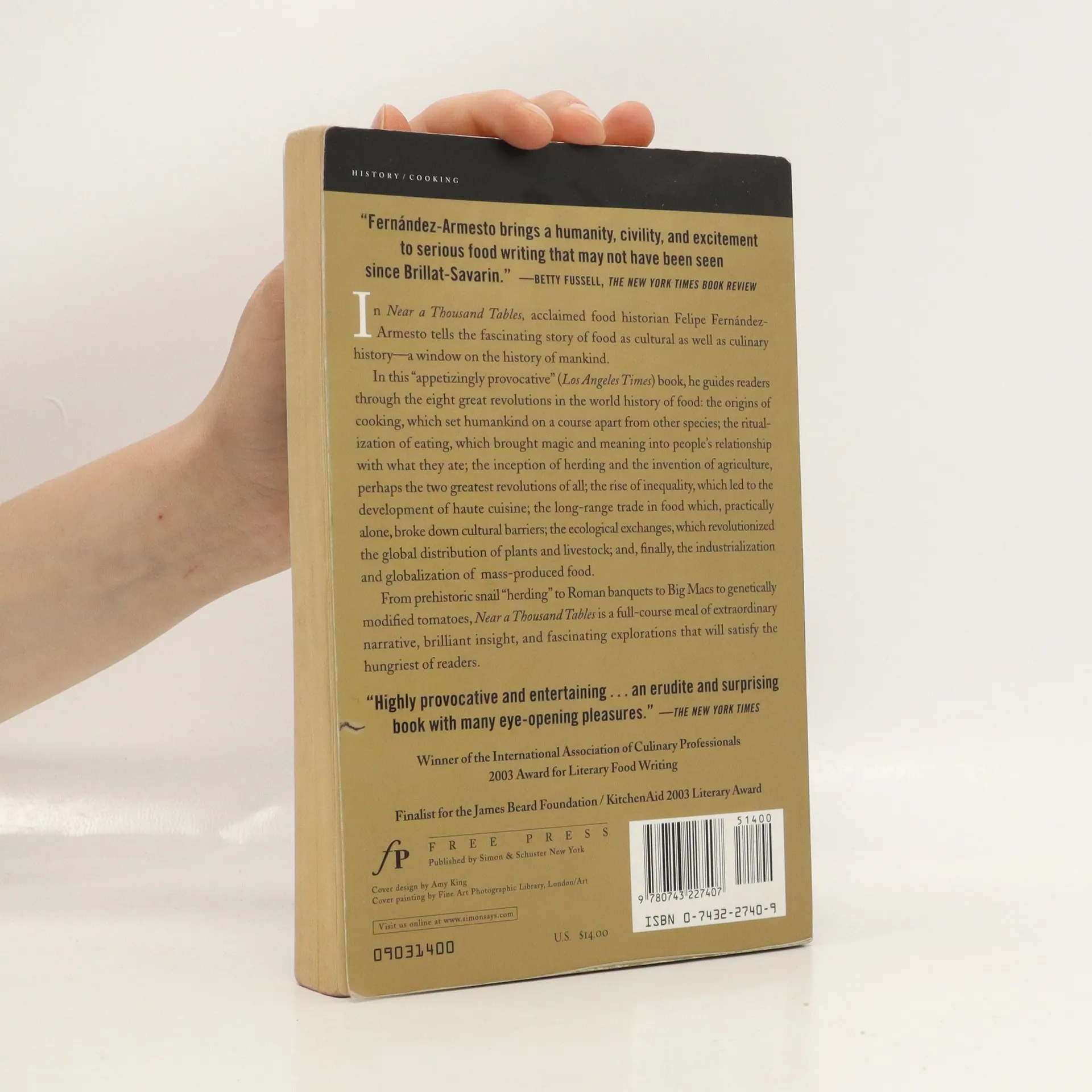
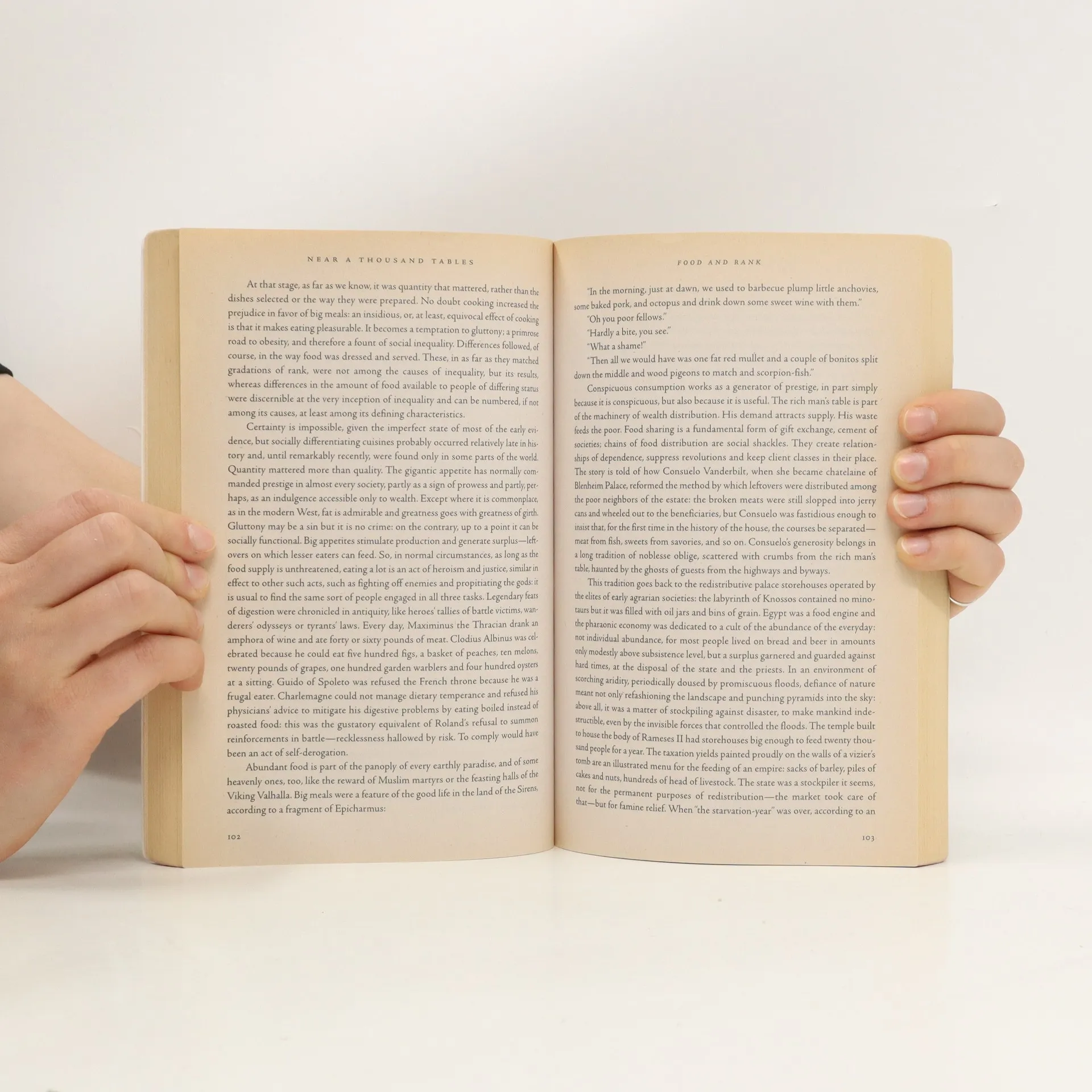
In Near a Thousand Tables, acclaimed food historian Felipe Fernández-Armesto tells the fascinating story of food as cultural as well as culinary history -- a window on the history of mankind. In this "appetizingly provocative" (Los Angeles Times) book, he guides readers through the eight great revolutions in the world history of food: the origins of cooking, which set humankind on a course apart from other species; the ritualization of eating, which brought magic and meaning into people's relationship with what they ate; the inception of herding and the invention of agriculture, perhaps the two greatest revolutions of all; the rise of inequality, which led to the development of haute cuisine; the long-range trade in food which, practically alone, broke down cultural barriers; the ecological exchanges, which revolutionized the global distribution of plants and livestock; and, finally, the industrialization and globalization of mass-produced food. From prehistoric snail "herding" to Roman banquets to Big Macs to genetically modified tomatoes, Near a Thousand Tables is a full-course meal of extraordinary narrative, brilliant insight, and fascinating explorations that will satisfy the hungriest of readers.
Acquisto del libro
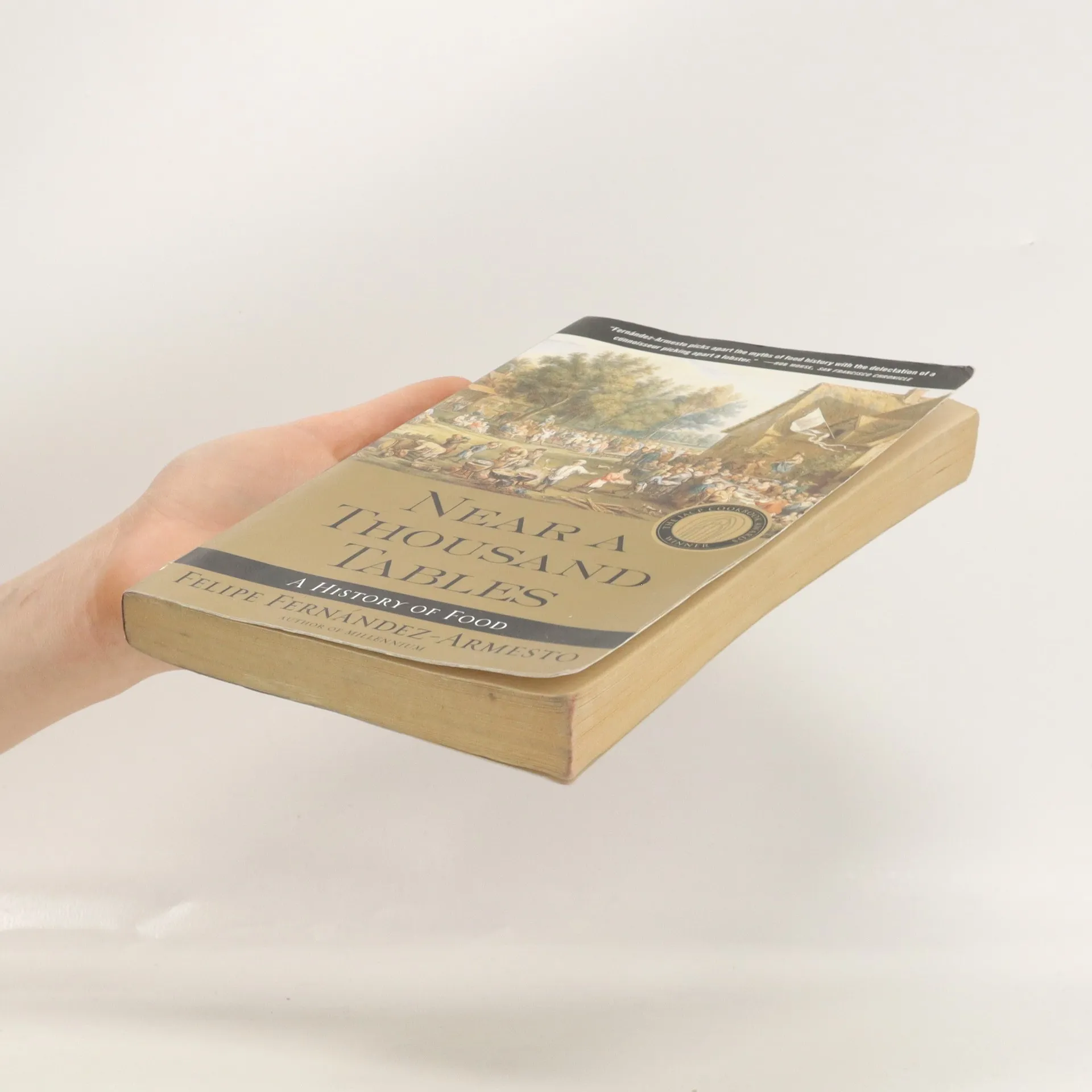
Near a thousand tables : a history of food, Felipe Fernández-Armesto
- Lingua

- Pubblicato
- 2002
- Rilegatura
- (In brossura)
Metodi di pagamento
Qui potrebbe esserci la tua recensione.
- Titolo
- Near a thousand tables : a history of food
- Lingua
- Inglese
- Autori
- Felipe Fernández-Armesto
- Editore
- Free Press
- Pubblicato
- 2002
- Formato
- In brossura
- Pagine
- 272
- ISBN10
- 0743227409
- ISBN13
- 9780743227407
- Serie
- Categoria
- Valutazione
- 3,7 su 5
- Descrizione
- In Near a Thousand Tables, acclaimed food historian Felipe Fernández-Armesto tells the fascinating story of food as cultural as well as culinary history -- a window on the history of mankind. In this "appetizingly provocative" (Los Angeles Times) book, he guides readers through the eight great revolutions in the world history of food: the origins of cooking, which set humankind on a course apart from other species; the ritualization of eating, which brought magic and meaning into people's relationship with what they ate; the inception of herding and the invention of agriculture, perhaps the two greatest revolutions of all; the rise of inequality, which led to the development of haute cuisine; the long-range trade in food which, practically alone, broke down cultural barriers; the ecological exchanges, which revolutionized the global distribution of plants and livestock; and, finally, the industrialization and globalization of mass-produced food. From prehistoric snail "herding" to Roman banquets to Big Macs to genetically modified tomatoes, Near a Thousand Tables is a full-course meal of extraordinary narrative, brilliant insight, and fascinating explorations that will satisfy the hungriest of readers.