

Maggiori informazioni sul libro
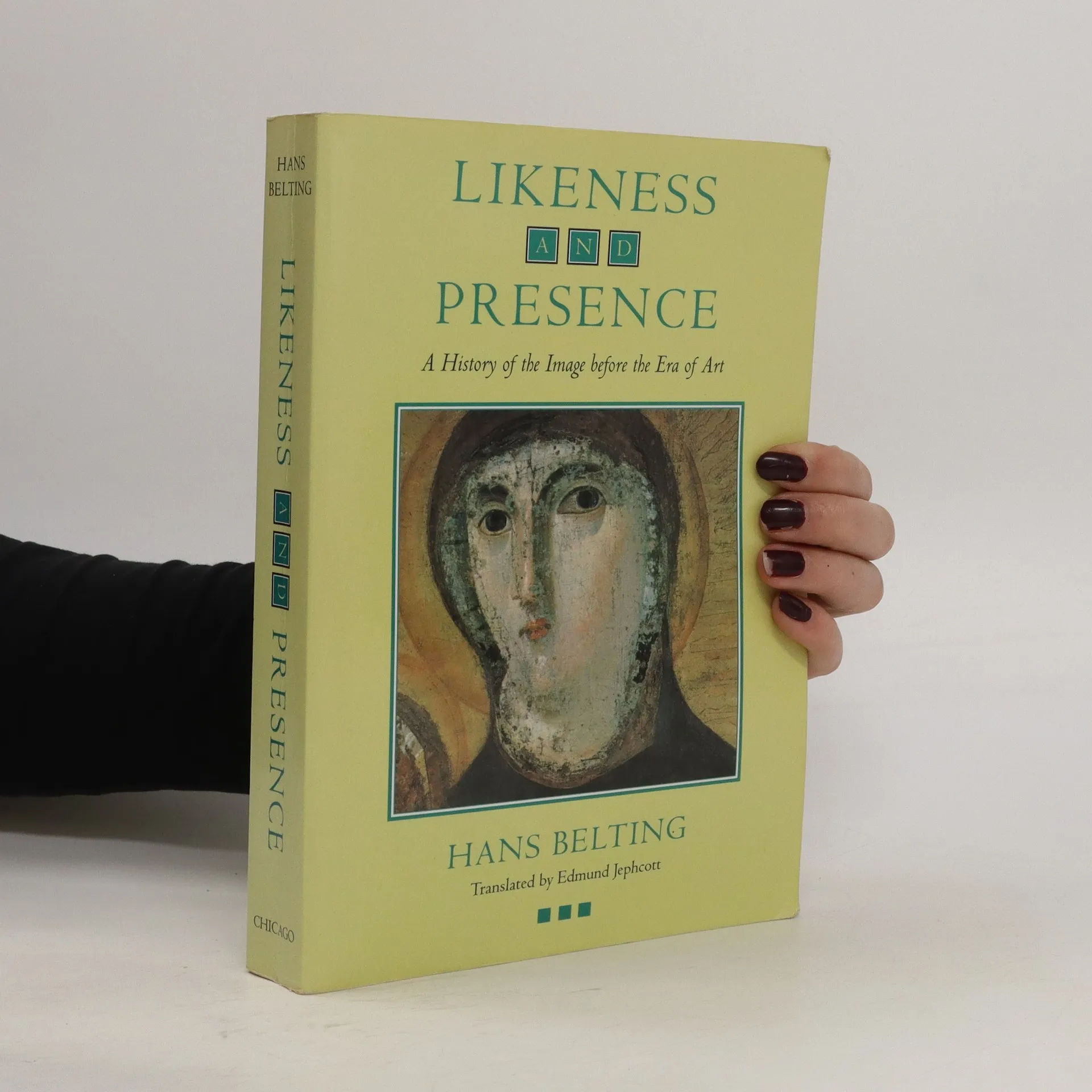
Before the Renaissance and Reformation, holy images were treated not as "art" but as objects of veneration which possessed the tangible presence of the Holy. the faithful believed that these images served as relics and were able to work miracles, deliver oracles, and bring victory to the battlefield. In this magisterial book, Hans Belting traces the long history of the sacral image and its changing role--from surrogate for the represented image to an original work of art--in European culture. Likeness and Presence looks at the beliefs, superstitions, hopes, and fears that come into play as people handle and respond to sacred images, and presents a compelling interpretation of the place of the image in Western history. -- Back cover




Acquisto del libro
Likeness and presence, Hans Belting
- Lingua

- Pubblicato
- 1996
- Rilegatura
- (In brossura)
Metodi di pagamento
Qui potrebbe esserci la tua recensione.
- Titolo
- Likeness and presence
- Sottotitolo
- A History of the Image before the Era of Art
- Lingua
- Inglese
- Autori
- Hans Belting
- Pubblicato
- 1996
- Formato
- In brossura
- Pagine
- 676
- ISBN10
- 0226042154
- ISBN13
- 9780226042152
- Serie
- Categoria
- Titolo originale
- Bild und Kult
- Valutazione
- 4,4 su 5
- Descrizione
- Before the Renaissance and Reformation, holy images were treated not as "art" but as objects of veneration which possessed the tangible presence of the Holy. the faithful believed that these images served as relics and were able to work miracles, deliver oracles, and bring victory to the battlefield. In this magisterial book, Hans Belting traces the long history of the sacral image and its changing role--from surrogate for the represented image to an original work of art--in European culture. Likeness and Presence looks at the beliefs, superstitions, hopes, and fears that come into play as people handle and respond to sacred images, and presents a compelling interpretation of the place of the image in Western history. -- Back cover