

Maggiori informazioni sul libro
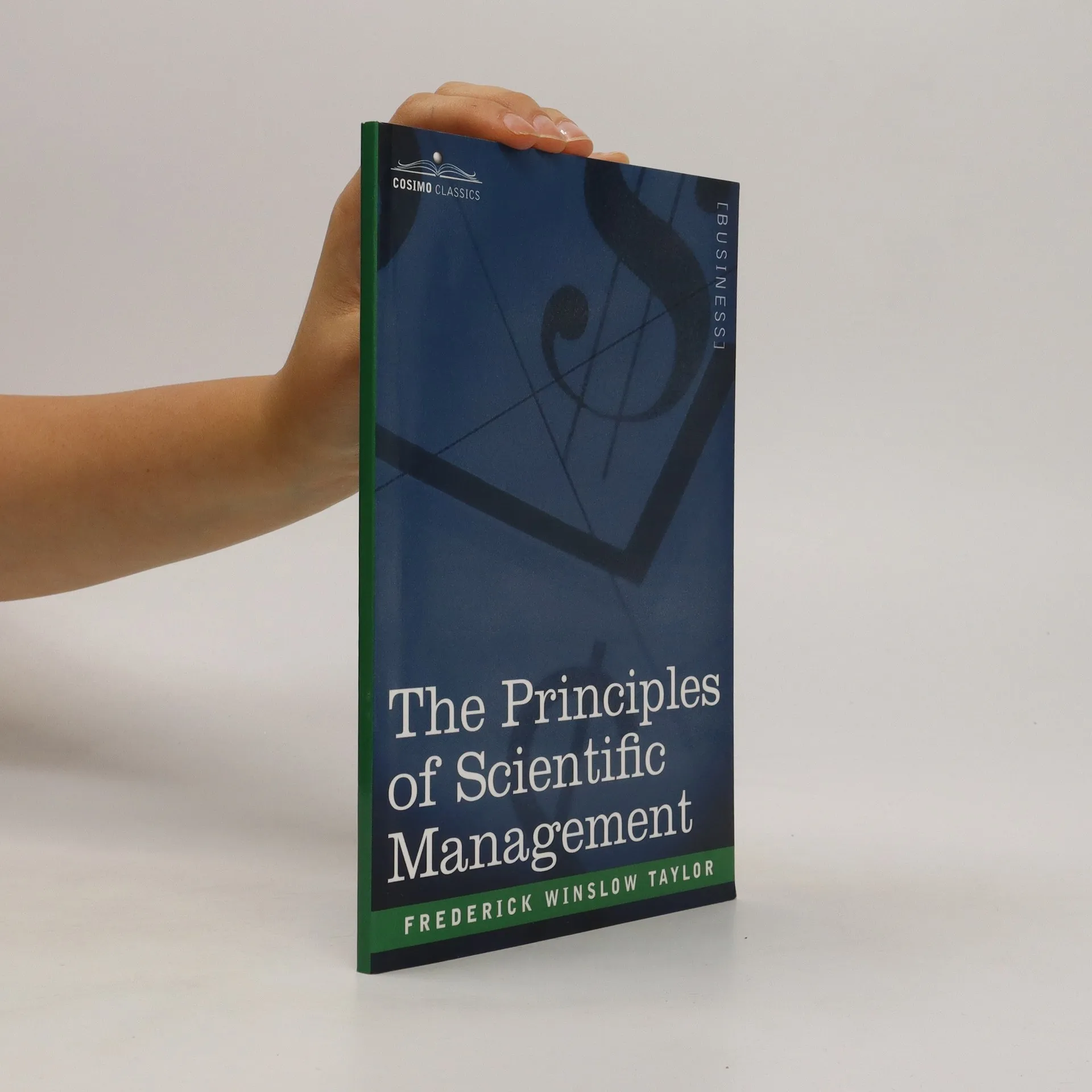
It seems, at first glance, like an obvious step to take to improve industrial productivity: one should simply watch workers at work in order to learn how they actually do their jobs. But American engineer FREDERICK WINSLOW TAYLOR (1856-1915) broke new ground with this 1919 essay, in which he applied the rigors of scientific observation to such labor as shoveling and bricklayer in order to streamline their work... and bring a sense of logic and practicality to the management of that work. This highly influential book, must-reading for anyone seeking to understand modern management practices, puts lie to such misconceptions that making industrial processes more efficient increases unemployment and that shorter workdays decrease productivity. And it laid the foundations for the discipline of management to be studied, taught, and applied with methodical precision.




Acquisto del libro
The Principles of Scientific Management, Frederick Winslow Taylor
- Lingua

- Pubblicato
- 2006
- Rilegatura
- (In brossura)
Metodi di pagamento
Qui potrebbe esserci la tua recensione.
- Lingua
- Inglese
- Autori
- Frederick Winslow Taylor
- Editore
- Cosimo, Inc.
- Pubblicato
- 2006
- Formato
- In brossura
- Pagine
- 88
- ISBN10
- 1596058897
- ISBN13
- 9781596058897
- Serie
- Tag
- Saggistica, Tema stórico, Storia, Commercio, Business & Management, Scienza, Gestione & HR, Leadership
- Titolo originale
- The principles of scientific management
- Valutazione
- 3,6 su 5
- Descrizione
- It seems, at first glance, like an obvious step to take to improve industrial productivity: one should simply watch workers at work in order to learn how they actually do their jobs. But American engineer FREDERICK WINSLOW TAYLOR (1856-1915) broke new ground with this 1919 essay, in which he applied the rigors of scientific observation to such labor as shoveling and bricklayer in order to streamline their work... and bring a sense of logic and practicality to the management of that work. This highly influential book, must-reading for anyone seeking to understand modern management practices, puts lie to such misconceptions that making industrial processes more efficient increases unemployment and that shorter workdays decrease productivity. And it laid the foundations for the discipline of management to be studied, taught, and applied with methodical precision.