


Maggiori informazioni sul libro
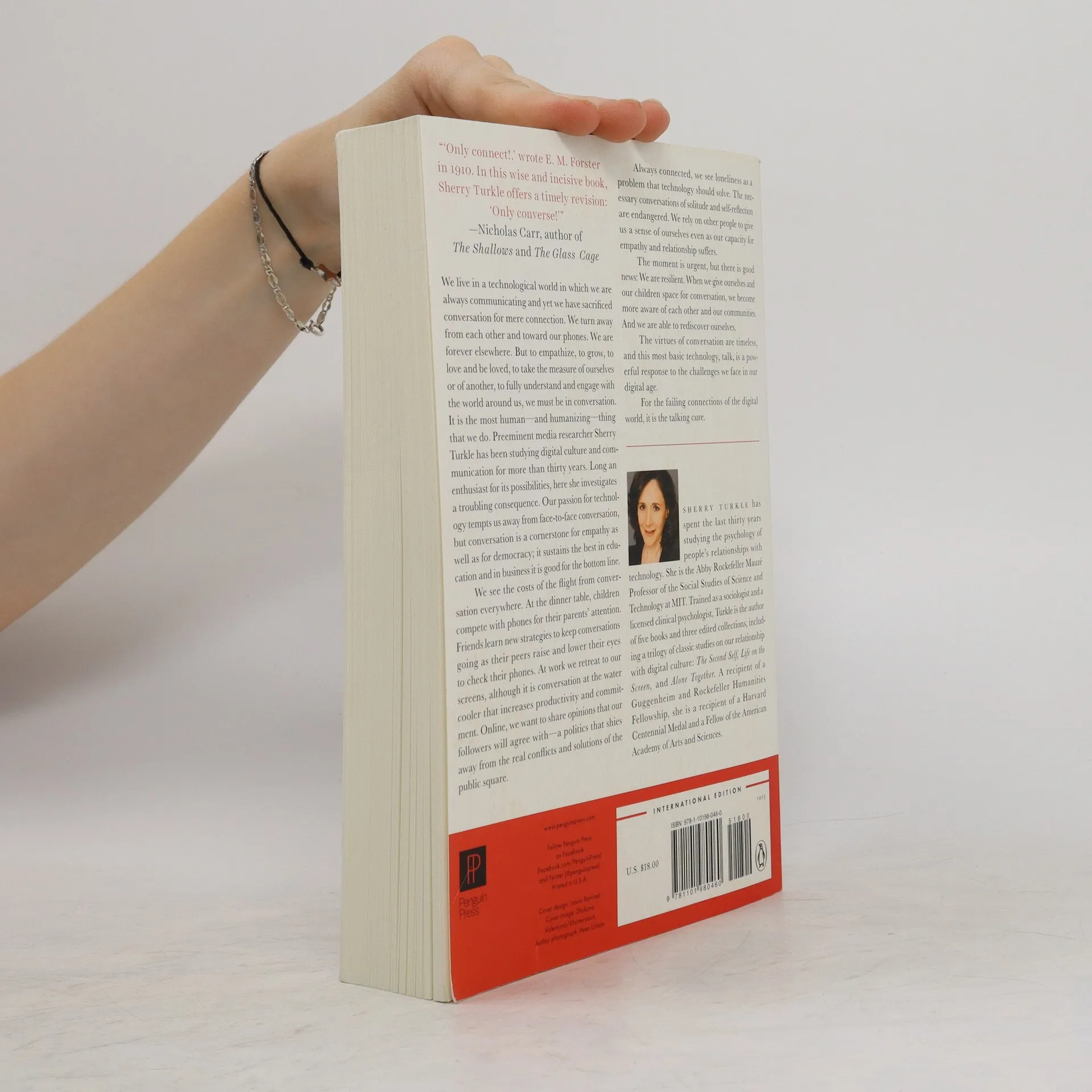
Renowned media scholar Sherry Turkle explores how our retreat from conversation undermines relationships, creativity, and productivity, emphasizing the need to reclaim face-to-face dialogue. In a world dominated by constant communication, we have sacrificed meaningful conversation for superficial connection. With over thirty years of experience studying digital culture, Turkle highlights a troubling trend: whether at work, home, or in politics, we often avoid direct conversation, opting instead for texts and emails that allow us to hide from genuine interaction. This shift has led to silent dinner tables and friends struggling to engage while distracted by their phones. At work, reliance on screens diminishes productivity, as informal conversations boost commitment and collaboration. Online, we tend to share only agreeable opinions, avoiding the real conflicts necessary for public discourse. Turkle argues that the essential conversations of solitude and self-reflection are endangered, as we increasingly depend on others for our self-worth, which diminishes our empathy and relational capacity. The consequences of this flight from conversation are evident: it jeopardizes democracy, business success, and personal connections. However, there is hope. Based on five years of research, Turkle asserts that we can reclaim conversation, the most humanizing act, which can address our modern challenges and foster empathy, friendship, and




Acquisto del libro
Reclaiming Conversation, Sherry Turkle
- Lingua

- Pubblicato
- 2015
- Rilegatura
- (In brossura)
Metodi di pagamento
Qui potrebbe esserci la tua recensione.
- Titolo
- Reclaiming Conversation
- Lingua
- Inglese
- Autori
- Sherry Turkle
- Editore
- Penguin Press HC
- Pubblicato
- 2015
- Formato
- In brossura
- Pagine
- 436
- ISBN10
- 110198046X
- ISBN13
- 9781101980460
- Serie
- Tag
- Saggistica, Scienze sociali, Tecnologia & Ingegneria, Auto-aiuto, Temi psicologici, Maternità e Genitorialità, Tecnologia, Sociologia, Genitorialità, Comunicazione
- Valutazione
- 3,8 su 5
- Descrizione
- Renowned media scholar Sherry Turkle explores how our retreat from conversation undermines relationships, creativity, and productivity, emphasizing the need to reclaim face-to-face dialogue. In a world dominated by constant communication, we have sacrificed meaningful conversation for superficial connection. With over thirty years of experience studying digital culture, Turkle highlights a troubling trend: whether at work, home, or in politics, we often avoid direct conversation, opting instead for texts and emails that allow us to hide from genuine interaction. This shift has led to silent dinner tables and friends struggling to engage while distracted by their phones. At work, reliance on screens diminishes productivity, as informal conversations boost commitment and collaboration. Online, we tend to share only agreeable opinions, avoiding the real conflicts necessary for public discourse. Turkle argues that the essential conversations of solitude and self-reflection are endangered, as we increasingly depend on others for our self-worth, which diminishes our empathy and relational capacity. The consequences of this flight from conversation are evident: it jeopardizes democracy, business success, and personal connections. However, there is hope. Based on five years of research, Turkle asserts that we can reclaim conversation, the most humanizing act, which can address our modern challenges and foster empathy, friendship, and