

Maggiori informazioni sul libro
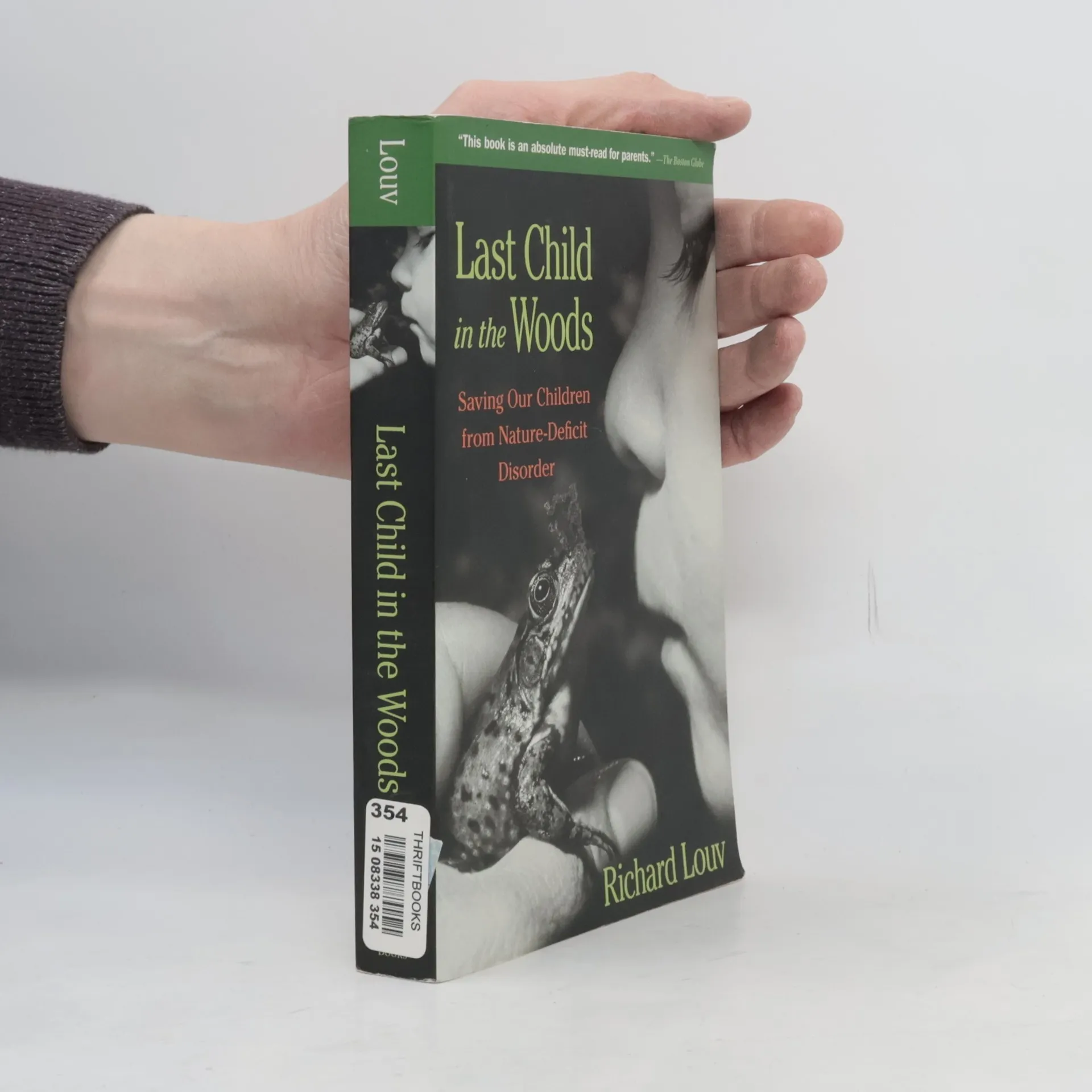
A fourth-grader states, "I like to play indoors better 'cause that's where all the electrical outlets are," highlighting a troubling trend: children today are increasingly disconnected from nature. Child advocacy expert Richard Louv identifies this phenomenon as "nature deficit," linking it to alarming childhood issues like obesity, Attention Deficit Disorder (ADD), and depression. By the 1990s, the area where children could roam freely had decreased to a mere ninth of what it was in 1970. Today's eight-year-olds can recognize cartoon characters better than local flora and fauna, and the prescription rate for antidepressants in children has doubled in five years. Nature-deficit disorder, while not a medical diagnosis, reflects the human costs of this disconnection, impacting children and shaping families and communities. However, solutions exist within our own backyards. This book presents research that emphasizes the necessity of direct nature exposure for healthy childhood development—physically, emotionally, and spiritually. Nature serves as effective therapy for depression, obesity, and ADD, and enhances educational outcomes. Yet, barriers like technology, safety fears, and increasing homework limit outdoor play. Parents can help ensure their children are not the "last child in the woods," and this book serves as a guide to reconnecting with nature.




Acquisto del libro
Last Child in the Woods, Richard Louv
- Lingua

- Pubblicato
- 2006
- Rilegatura
- (In brossura)
Metodi di pagamento
Qui potrebbe esserci la tua recensione.
- Titolo
- Last Child in the Woods
- Sottotitolo
- Saving Our Children from Nature-Deficit Disorder
- Lingua
- Inglese
- Autori
- Richard Louv
- Editore
- Algonquin Books
- Pubblicato
- 2006
- Formato
- In brossura
- Pagine
- 310
- ISBN10
- 1565125223
- ISBN13
- 9781565125223
- Serie
- Tag
- Saggistica, Scienze sociali, Salute & Medicina, Scienza e Matematica, Auto-aiuto, Natura, Temi psicologici, Psicologia, Scienza, Salute, Maternità e Genitorialità, Tematica ecologica, Educazione, istruzione, Ecologia, Genitorialità
- Titolo originale
- Last child in the woods
- Valutazione
- 3,9 su 5
- Descrizione
- A fourth-grader states, "I like to play indoors better 'cause that's where all the electrical outlets are," highlighting a troubling trend: children today are increasingly disconnected from nature. Child advocacy expert Richard Louv identifies this phenomenon as "nature deficit," linking it to alarming childhood issues like obesity, Attention Deficit Disorder (ADD), and depression. By the 1990s, the area where children could roam freely had decreased to a mere ninth of what it was in 1970. Today's eight-year-olds can recognize cartoon characters better than local flora and fauna, and the prescription rate for antidepressants in children has doubled in five years. Nature-deficit disorder, while not a medical diagnosis, reflects the human costs of this disconnection, impacting children and shaping families and communities. However, solutions exist within our own backyards. This book presents research that emphasizes the necessity of direct nature exposure for healthy childhood development—physically, emotionally, and spiritually. Nature serves as effective therapy for depression, obesity, and ADD, and enhances educational outcomes. Yet, barriers like technology, safety fears, and increasing homework limit outdoor play. Parents can help ensure their children are not the "last child in the woods," and this book serves as a guide to reconnecting with nature.