



Parametri
- 350pagine
- 13 ore di lettura
Maggiori informazioni sul libro
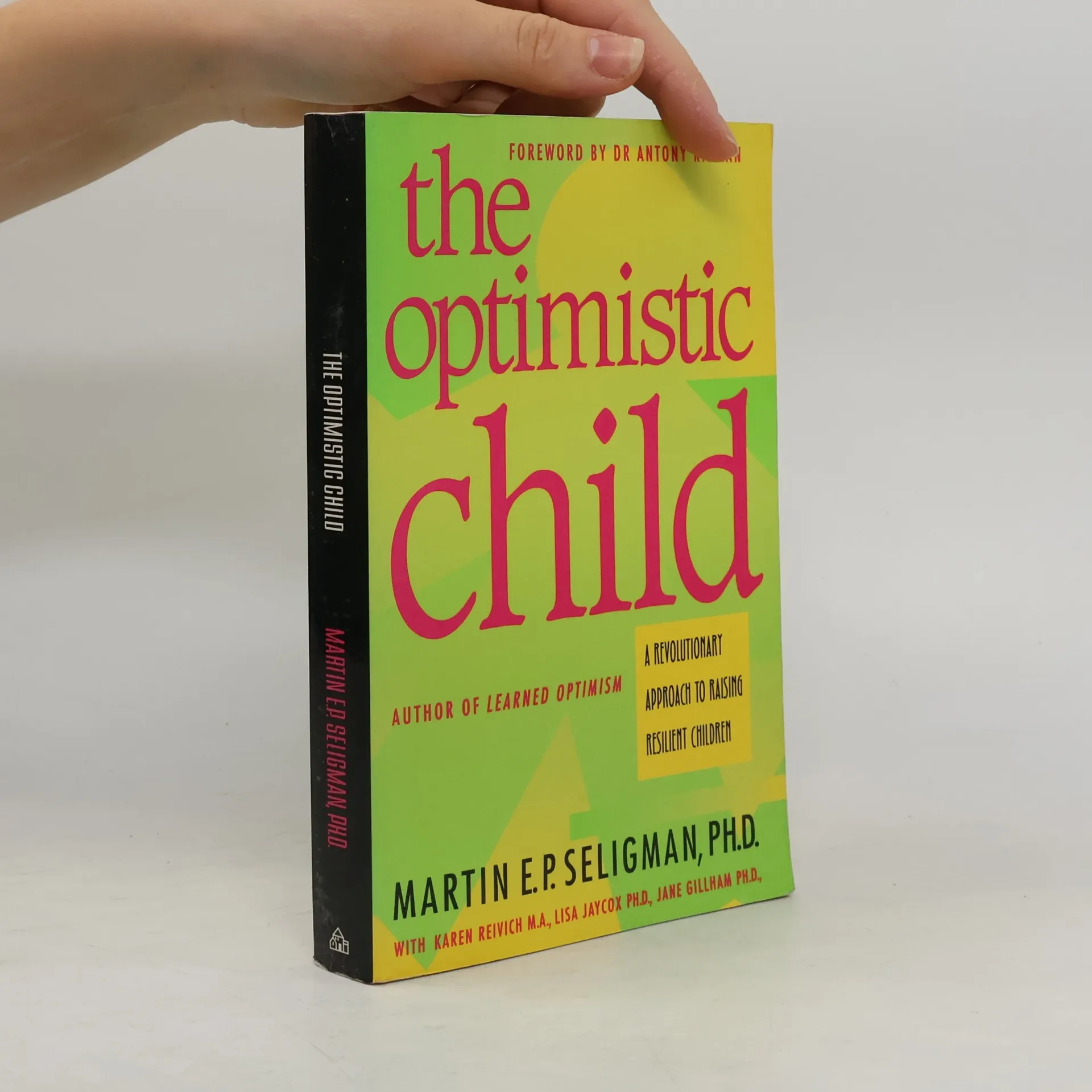
A proven program to safeguard children against depression and build lifelong resilience. Dr. Martin Seligman offers parents, teachers, and coaches a well-validated program to prevent depression in children. Through a thirty-year study, Seligman and his colleagues identified the connection between pessimism—focusing on the worst outcomes of setbacks—and depression. He demonstrates how adults can teach children optimism skills that combat depression, enhance performance in sports and academics, and improve physical health. Seligman emphasizes that teaching optimism is not merely about correcting pessimism; it involves fostering a positive mindset that supports resilience and success throughout life. This program equips parents and educators with tools to help children transform feelings of helplessness into mastery, thereby enhancing self-esteem. Learning optimism not only lowers the risk of depression but also boosts academic performance and physical well-being, providing children with essential self-reliance as they transition into their teenage years and beyond. Seligman asserts that "a world of optimists is a bigger world, a world of more possibilities." Filled with practical advice and written in accessible language, this resource is invaluable for caregivers aiming to empower children.


Acquisto del libro
The Optimistic Child, Martin E. P. Seligman, Karen Reivich, Lisa Jaycox, Jane Gillham, Antony S.R. Manstead
- Lingua

- Pubblicato
- 1995
- product-detail.submit-box.info.binding
- (In brossura),
- Condizioni del libro
- Danneggiato
- Prezzo
- 6,14 €
Metodi di pagamento
Qui potrebbe esserci la tua recensione.
- Titolo
- The Optimistic Child
- Lingua
- Inglese
- Editore
- Random House Australia
- Pubblicato
- 1995
- Formato
- In brossura
- Pagine
- 350
- ISBN10
- 0091831199
- ISBN13
- 9780091831196
- Serie
- Tag
- Saggistica, Salute & Medicina, Auto-aiuto, Temi psicologici, Salute, Maternità e Genitorialità, Educazione, istruzione, Genitorialità
- Valutazione
- 4,15 su 5
- Descrizione
- A proven program to safeguard children against depression and build lifelong resilience. Dr. Martin Seligman offers parents, teachers, and coaches a well-validated program to prevent depression in children. Through a thirty-year study, Seligman and his colleagues identified the connection between pessimism—focusing on the worst outcomes of setbacks—and depression. He demonstrates how adults can teach children optimism skills that combat depression, enhance performance in sports and academics, and improve physical health. Seligman emphasizes that teaching optimism is not merely about correcting pessimism; it involves fostering a positive mindset that supports resilience and success throughout life. This program equips parents and educators with tools to help children transform feelings of helplessness into mastery, thereby enhancing self-esteem. Learning optimism not only lowers the risk of depression but also boosts academic performance and physical well-being, providing children with essential self-reliance as they transition into their teenage years and beyond. Seligman asserts that "a world of optimists is a bigger world, a world of more possibilities." Filled with practical advice and written in accessible language, this resource is invaluable for caregivers aiming to empower children.