

Maggiori informazioni sul libro
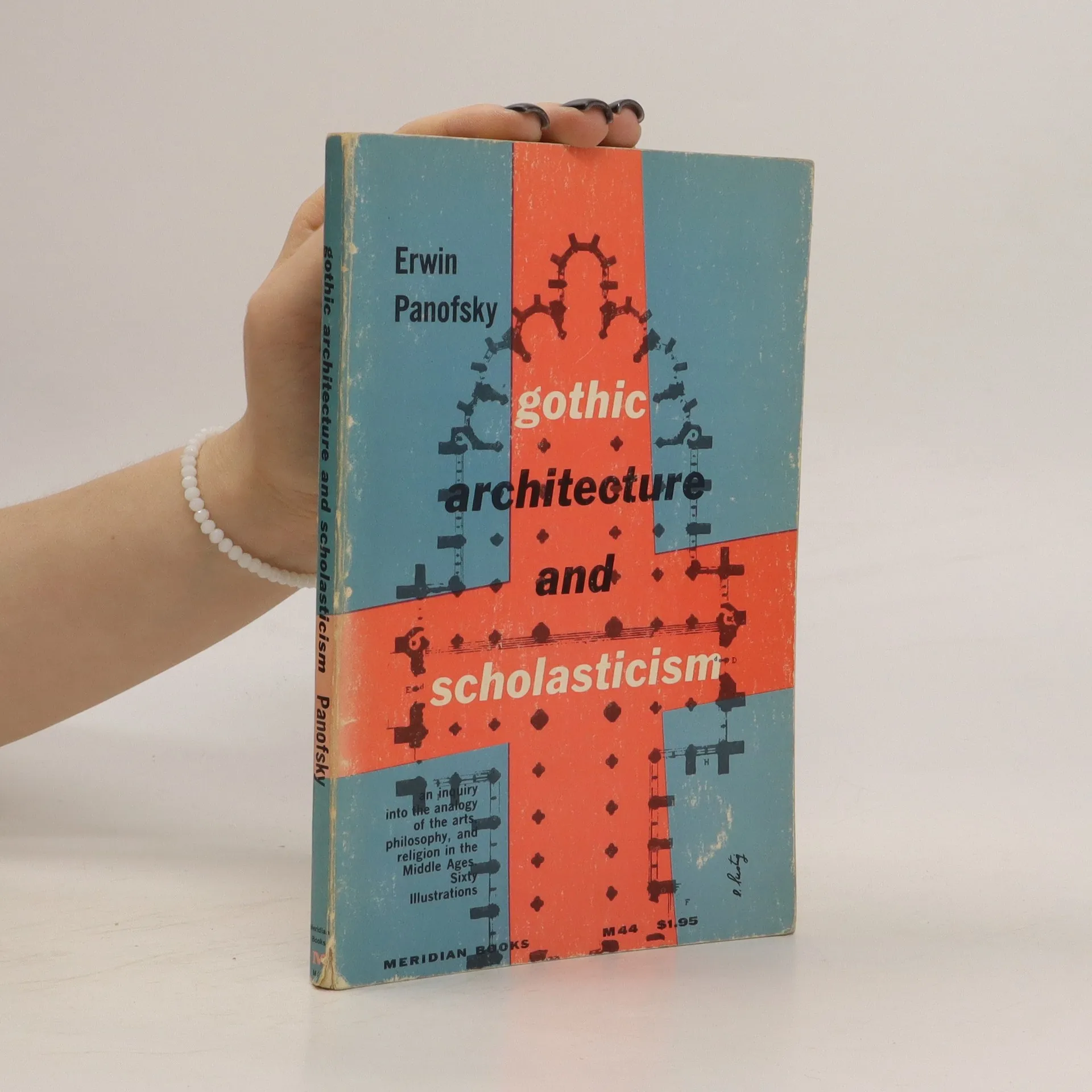
The two essays presented here offer the most methodical interpretation of the genesis, structure, and evolution of Gothic architecture. A systematic biography linking the aesthetic intentions of Suger to various traits of his physical and social personality leads to the principle of the "creative destruction" undertaken by the abbot of Saint-Denis, which poses challenges for his successors due to his innovations. To meet this challenge, the architects of the great Gothic era equip themselves with the intellectual tools derived from scholasticism: intelligible sets composed according to identical methods, the Summa Theologica and the cathedral contain structural homologies that cannot be reduced to mere literal translations of theological language into architectural language as understood by positivist historiography.




Acquisto del libro
Gothic Architecture and Scholasticism, Erwin Panofsky
- Lingua

- Pubblicato
- 1957
- Rilegatura
- (In brossura)
Metodi di pagamento
Qui potrebbe esserci la tua recensione.
- Lingua
- Inglese
- Autori
- Erwin Panofsky
- Editore
- The World Publishing Company
- Pubblicato
- 1957
- Formato
- In brossura
- Serie
- Tag
- Saggistica, Arte / Cultura, Scienze sociali, Tema stórico, Storia, Esoterismo e religione, Temi religiosi, Tematica filosofica, Religione, Arte, Architettura, Architettura e urbanistica, Filosofia, Teologia, Storia e teoria dell’arte, Storia dell'arte
- Valutazione
- 4,3 su 5
- Descrizione
- The two essays presented here offer the most methodical interpretation of the genesis, structure, and evolution of Gothic architecture. A systematic biography linking the aesthetic intentions of Suger to various traits of his physical and social personality leads to the principle of the "creative destruction" undertaken by the abbot of Saint-Denis, which poses challenges for his successors due to his innovations. To meet this challenge, the architects of the great Gothic era equip themselves with the intellectual tools derived from scholasticism: intelligible sets composed according to identical methods, the Summa Theologica and the cathedral contain structural homologies that cannot be reduced to mere literal translations of theological language into architectural language as understood by positivist historiography.