

Maggiori informazioni sul libro
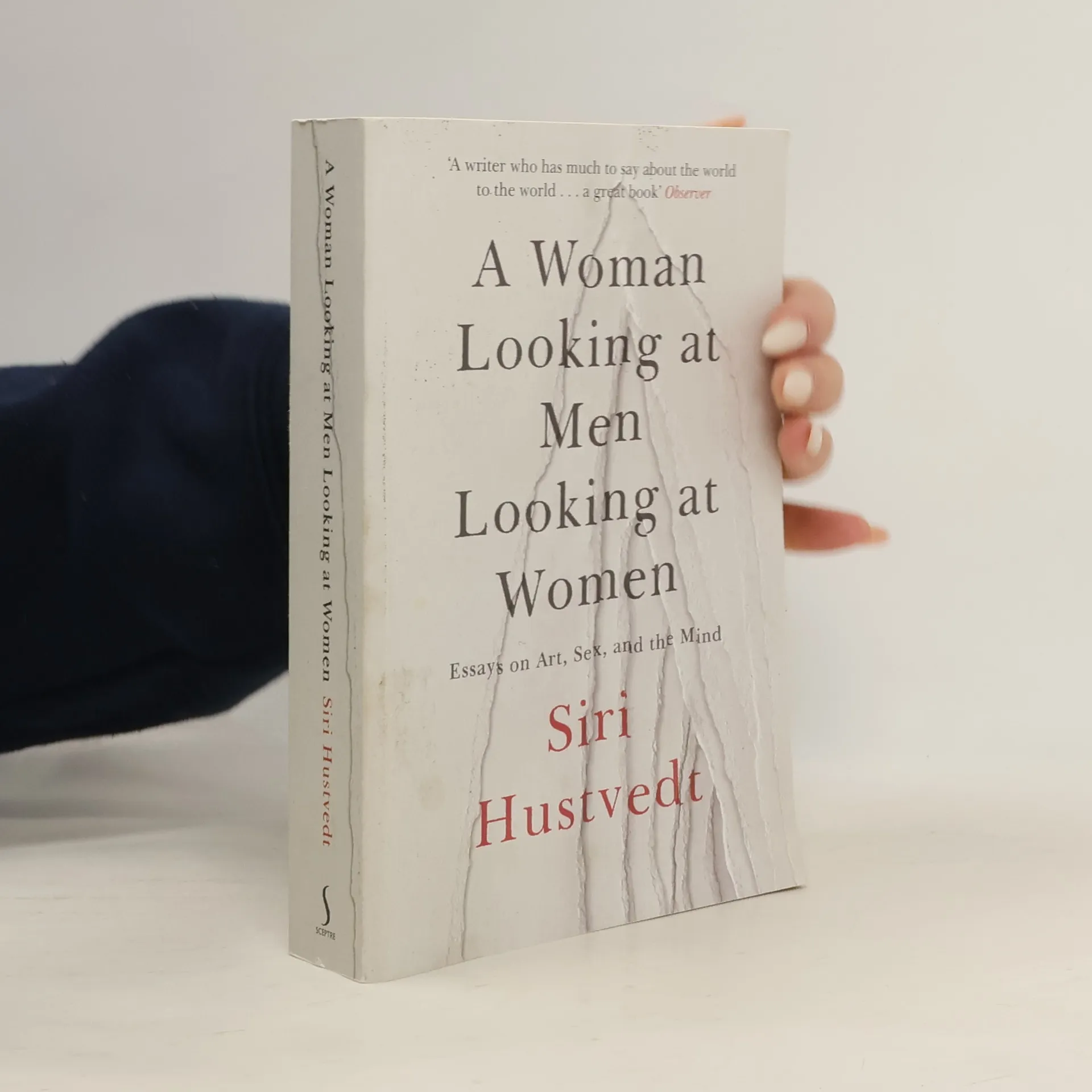
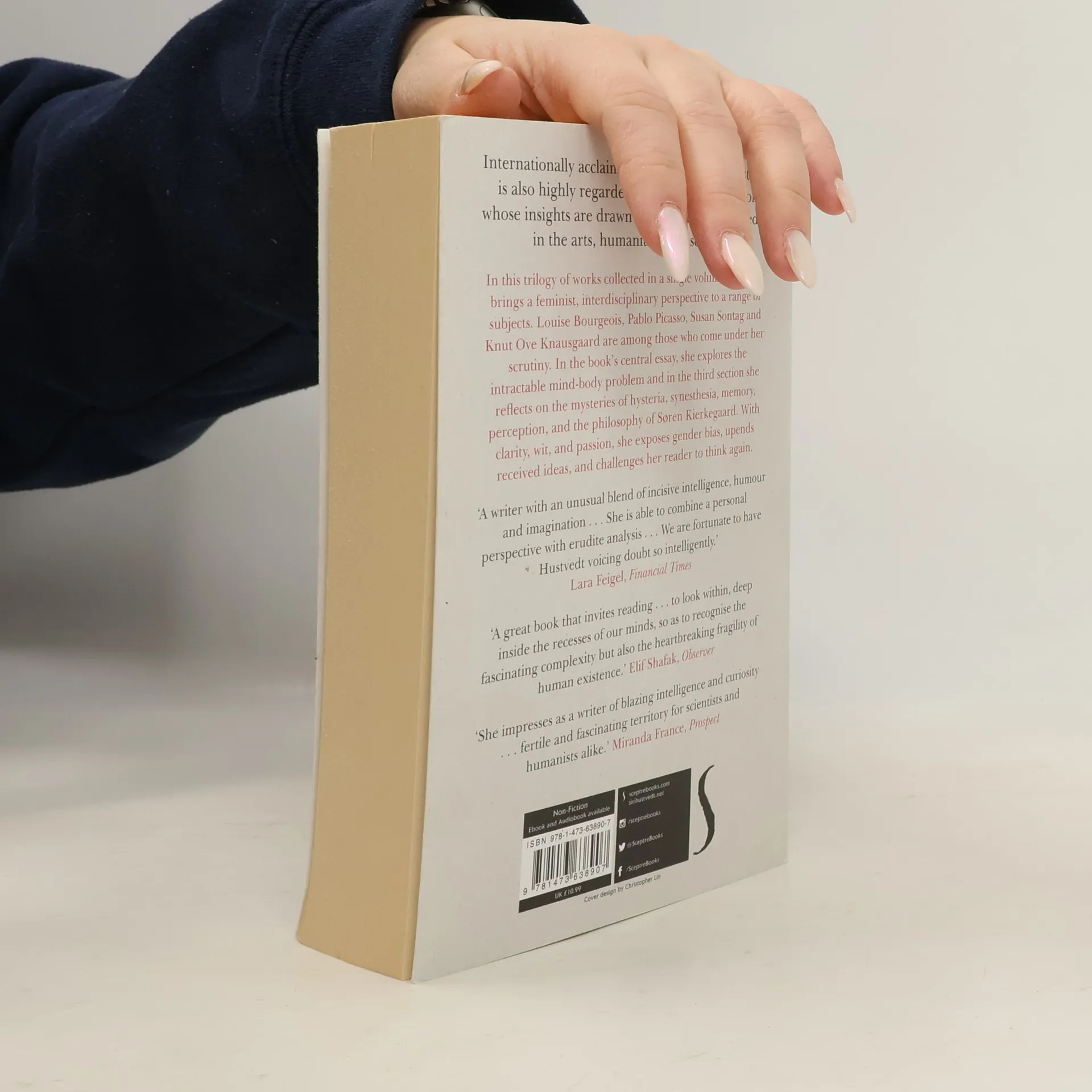
Internationally acclaimed as a novelist, Siri Hustvedt is also highly regarded as a writer of non-fiction whose insights are drawn from her broad knowledge in the arts, humanities and sciences. In this trilogy of works collected in a single volume, Hustvedt brings a feminist, interdisciplinary perspective to a range of subjects. Louise Bourgeois, Pablo Picasso, Susan Sontag and Knut Ove Knausgaard are among those who come under her scrutiny. In the book's central essay, she explores the intractable mind-body problem and in the third section, reflects on the mysteries of hysteria, synesthesia, memory, perception and the philosophy of Kierkegaard. With clarity, wit, and passion, she exposes gender bias, upends received ideas and challenges her reader to think again.






Acquisto del libro
A Woman Looking at Men Looking at Women, Siri Hustvedt
- Lingua

- Pubblicato
- 2017
- Rilegatura
- (In brossura)
Metodi di pagamento
Qui potrebbe esserci la tua recensione.
- Lingua
- Inglese
- Autori
- Siri Hustvedt
- Editore
- Sceptre
- Pubblicato
- 2017
- Formato
- In brossura
- ISBN10
- 1473638909
- ISBN13
- 9781473638907
- Serie
- Tag
- Saggistica, Arte / Cultura, Scienze sociali, Storie vere, Temi psicologici, Tematica filosofica, Arte, Filosofia, Psicologia, Donne, Giornalismo d’opinione & Saggi, Regali per le donne, Femminismo
- Valutazione
- 3,9 su 5
- Descrizione
- Internationally acclaimed as a novelist, Siri Hustvedt is also highly regarded as a writer of non-fiction whose insights are drawn from her broad knowledge in the arts, humanities and sciences. In this trilogy of works collected in a single volume, Hustvedt brings a feminist, interdisciplinary perspective to a range of subjects. Louise Bourgeois, Pablo Picasso, Susan Sontag and Knut Ove Knausgaard are among those who come under her scrutiny. In the book's central essay, she explores the intractable mind-body problem and in the third section, reflects on the mysteries of hysteria, synesthesia, memory, perception and the philosophy of Kierkegaard. With clarity, wit, and passion, she exposes gender bias, upends received ideas and challenges her reader to think again.