

Maggiori informazioni sul libro
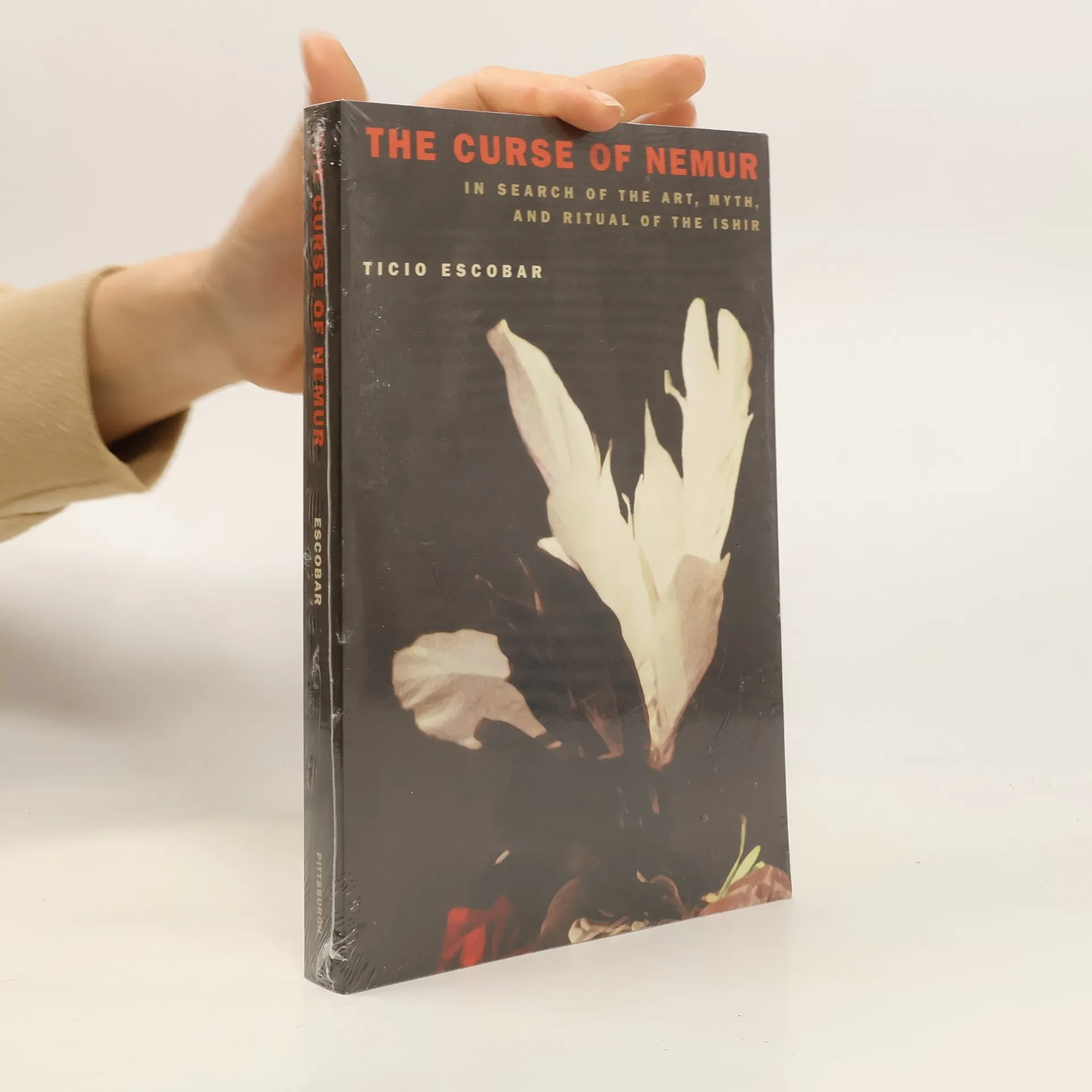
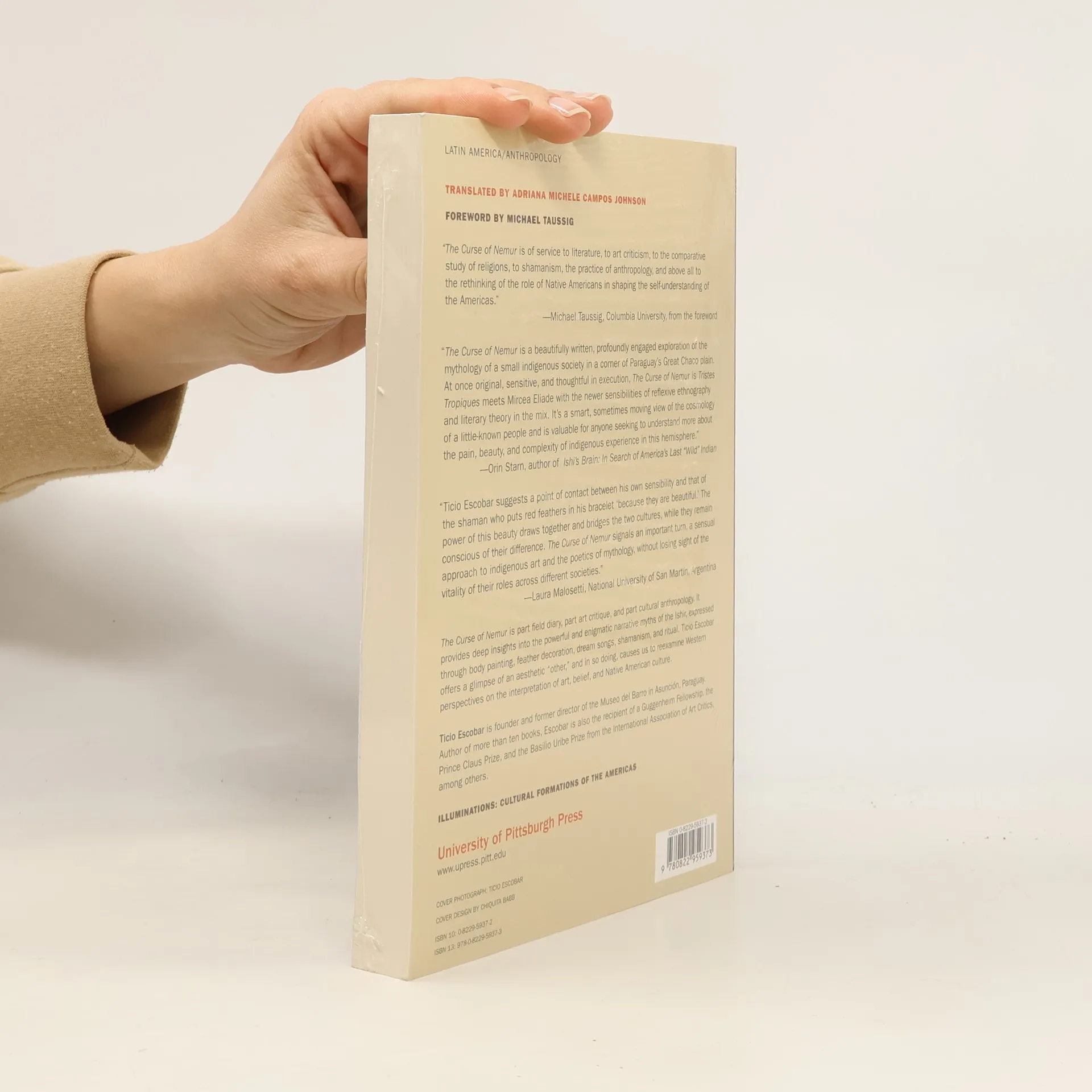
The Tomáraho, a subgroup of the Ishir (Chamacoco) in Paraguay, are among the few indigenous groups to have preserved their language and spiritual beliefs. Residing in a remote area of the Gran Chaco with limited contact with outside cultures, their survival is precarious, with only eighty-seven members remaining at the time of writing. Ticio Escobar, who spent significant time with the Tomáraho, utilizes his understanding of Ishir beliefs to engage with his own Western ideology, creating a unique cultural dialogue that challenges traditional anthropological interpretations. This work, part field diary, part art critique, and part cultural anthropology, provides a fresh perspective from the Ishir viewpoint. It delves into their rich narrative myths expressed through body painting, feather decoration, dream songs, shamanism, and rituals. Enhanced by striking photographs, native drawings, and a thorough exploration of color in Ishir art, Escobar’s observations reveal the intrinsic link between religious practice and artistic expression in their culture. This exploration invites a reevaluation of Western views on art, belief, and Native American culture, offering a glimpse into an aesthetic “other.”
Pubblicazione


Acquisto del libro
The Curse of Nemur, Ticio Escobar
- Lingua

- Pubblicato
- 2007
- Rilegatura
- (In brossura),
- Condizioni del libro
- In ottime condizioni
- Prezzo
- 2,79 €
Metodi di pagamento
Qui potrebbe esserci la tua recensione.
- Titolo
- The Curse of Nemur
- Sottotitolo
- In Search of the Art, Myth and Ritual of the Ishir
- Lingua
- Inglese
- Autori
- Ticio Escobar
- Pubblicato
- 2007
- Formato
- In brossura
- Pagine
- 360
- ISBN10
- 0822959372
- ISBN13
- 9780822959373
- Serie
- Categoria
- Valutazione
- 4 su 5
- Descrizione
- The Tomáraho, a subgroup of the Ishir (Chamacoco) in Paraguay, are among the few indigenous groups to have preserved their language and spiritual beliefs. Residing in a remote area of the Gran Chaco with limited contact with outside cultures, their survival is precarious, with only eighty-seven members remaining at the time of writing. Ticio Escobar, who spent significant time with the Tomáraho, utilizes his understanding of Ishir beliefs to engage with his own Western ideology, creating a unique cultural dialogue that challenges traditional anthropological interpretations. This work, part field diary, part art critique, and part cultural anthropology, provides a fresh perspective from the Ishir viewpoint. It delves into their rich narrative myths expressed through body painting, feather decoration, dream songs, shamanism, and rituals. Enhanced by striking photographs, native drawings, and a thorough exploration of color in Ishir art, Escobar’s observations reveal the intrinsic link between religious practice and artistic expression in their culture. This exploration invites a reevaluation of Western views on art, belief, and Native American culture, offering a glimpse into an aesthetic “other.”