


Maggiori informazioni sul libro
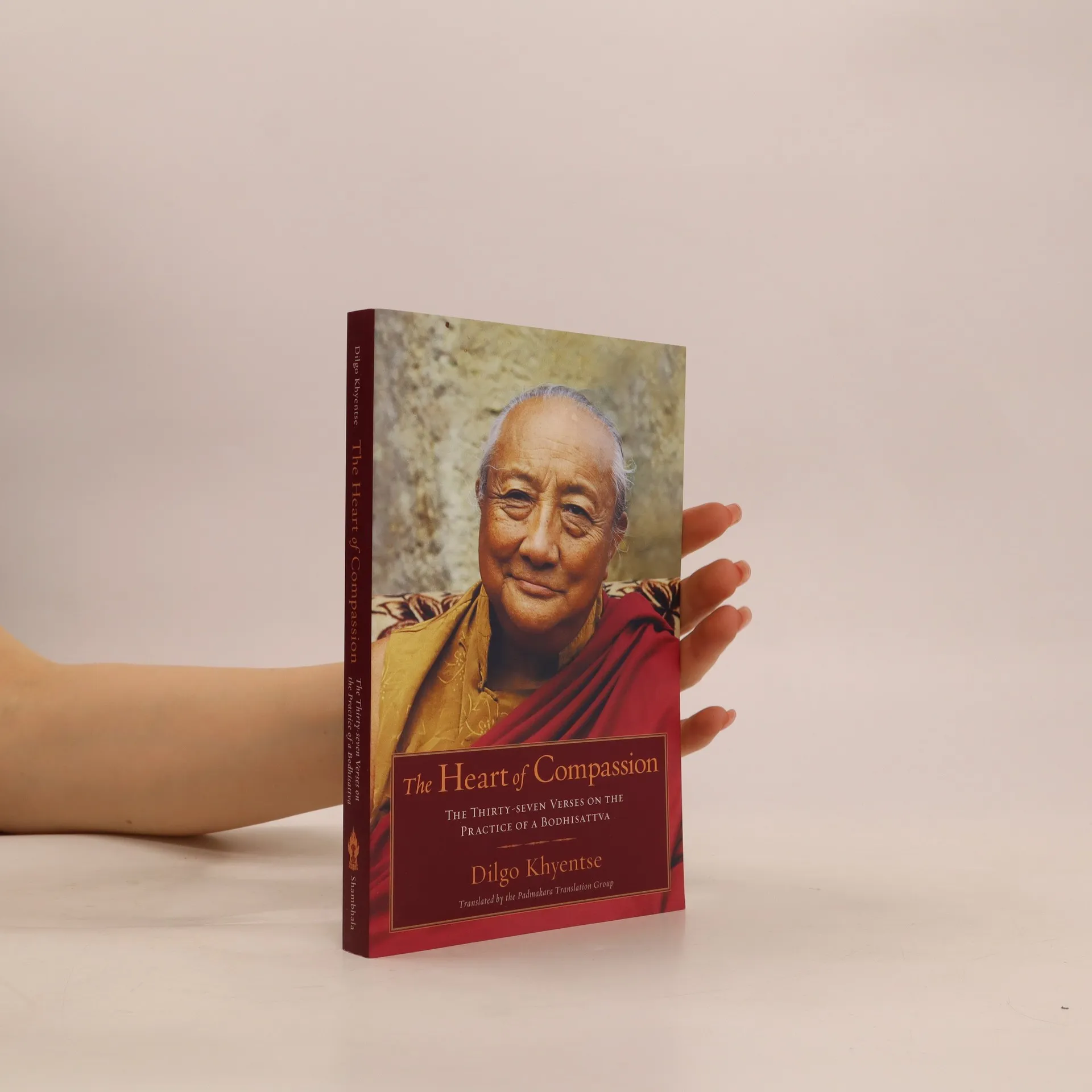
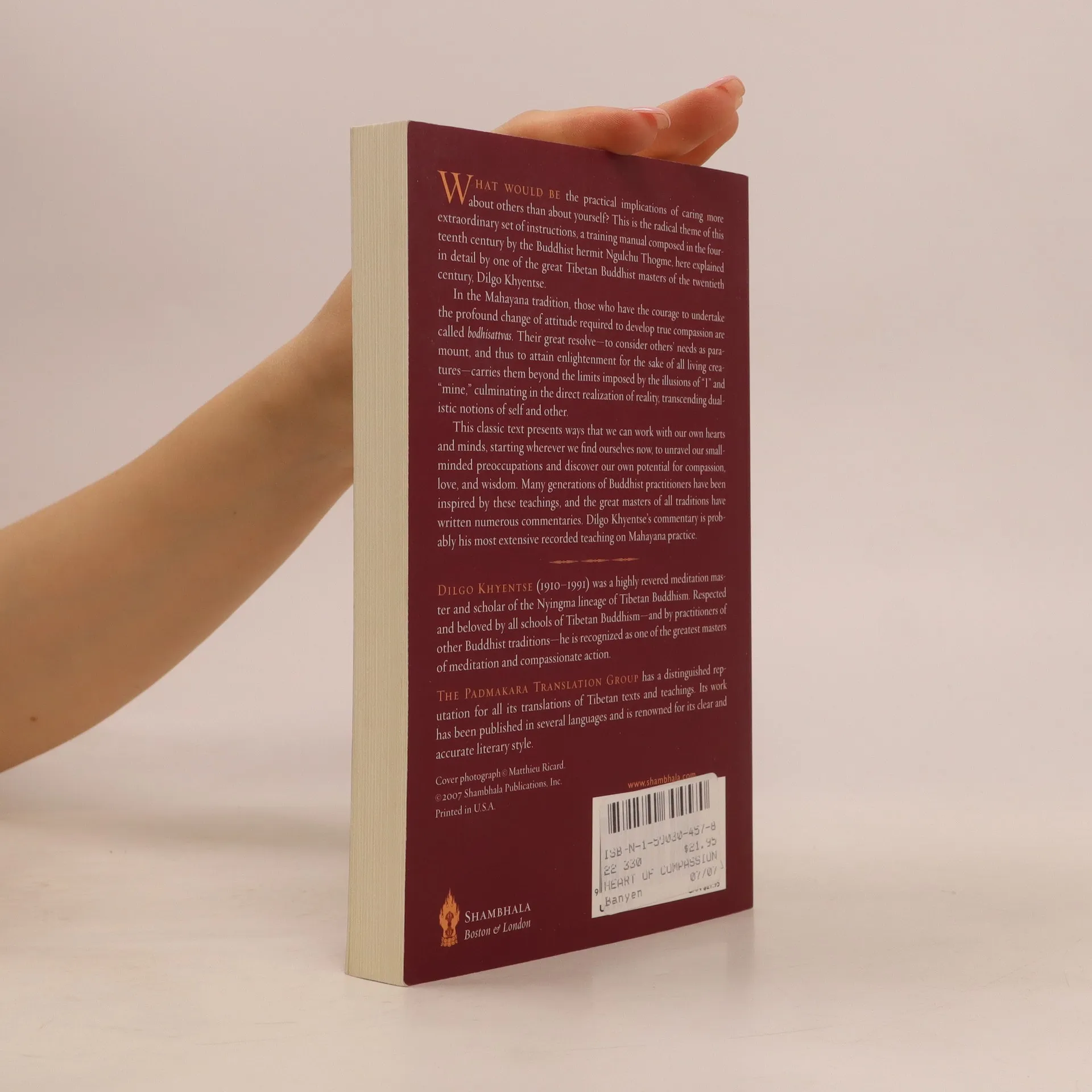
Would the world not be better if everyone cared more for others than for themselves? The love and compassion we are capable of can not only be cultivated to become stronger, but they can also become infinite, unconditional, and perfect. This is the training of the heart and mind that the hermit Gyalsé Thogmé of Ngultchou, who lived in Tibet in the 14th century, invites us to in his Thirty-Seven Stances on the Practice of Bodhisattvas. In this relatively brief poem, he manages to gather all the teachings of the famous Bodhicaryavatara of Shantideva, a work that already exposed the essence of the Great Vehicle texts dedicated to the spirit of Awakening. Here, one will find a comprehensive commentary on the Thirty-Seven Stances by one of the greatest contemporary masters of Tibetan Buddhism, Dilgo Khyentse Rinpoche (1910-1991). In light of his knowledge and compassion, this scholar, poet, and visionary provides a clear and essentially practical explanation of all aspects of the thought and action of bodhisattvas, those "children of the Victors" whose existence embodies all the virtues of the wisest and most unrestrained altruism.
Acquisto del libro
The Heart of Compassion, Dilgo Khyentse
- Lingua

- Pubblicato
- 2007
- Rilegatura
- (In brossura)
Metodi di pagamento
Qui potrebbe esserci la tua recensione.
- Titolo
- The Heart of Compassion
- Lingua
- Inglese
- Autori
- Dilgo Khyentse
- Editore
- Shambhala Publications
- Pubblicato
- 2007
- Formato
- In brossura
- ISBN10
- 1590304578
- ISBN13
- 9781590304570
- Serie
- Valutazione
- 4,6 su 5
- Descrizione
- Would the world not be better if everyone cared more for others than for themselves? The love and compassion we are capable of can not only be cultivated to become stronger, but they can also become infinite, unconditional, and perfect. This is the training of the heart and mind that the hermit Gyalsé Thogmé of Ngultchou, who lived in Tibet in the 14th century, invites us to in his Thirty-Seven Stances on the Practice of Bodhisattvas. In this relatively brief poem, he manages to gather all the teachings of the famous Bodhicaryavatara of Shantideva, a work that already exposed the essence of the Great Vehicle texts dedicated to the spirit of Awakening. Here, one will find a comprehensive commentary on the Thirty-Seven Stances by one of the greatest contemporary masters of Tibetan Buddhism, Dilgo Khyentse Rinpoche (1910-1991). In light of his knowledge and compassion, this scholar, poet, and visionary provides a clear and essentially practical explanation of all aspects of the thought and action of bodhisattvas, those "children of the Victors" whose existence embodies all the virtues of the wisest and most unrestrained altruism.