



Maggiori informazioni sul libro
Set in Dublin during the Lockout of 1913, Strumpet City is a panoramic novel of city life. It embraces a wide range of social milieux, from the miseries of the tenements to the cultivated, bourgeois Bradshaws. It introduces a memorable cast of characters: the main protagonist, Fitz, a model of the hard-working, loyal and abused trade unionist; the isolated, well-meaning and ineffectual Fr O'Connor; the wretched and destitute Rashers Tierney. In the background hovers the enormous shadow of Jim Larkin, Plunkett's real-life hero. Strumpet City's popularity derives from its realism and its naturalistic presentation of traumatic historical events. There are clear heroes and villians. The book is informed by a sense of moral outrage at the treatment of the locked-out trade unionists, the indifference and evasion of the city's clergy and middle class and the squalor and degradation of the tenement slums.



Acquisto del libro
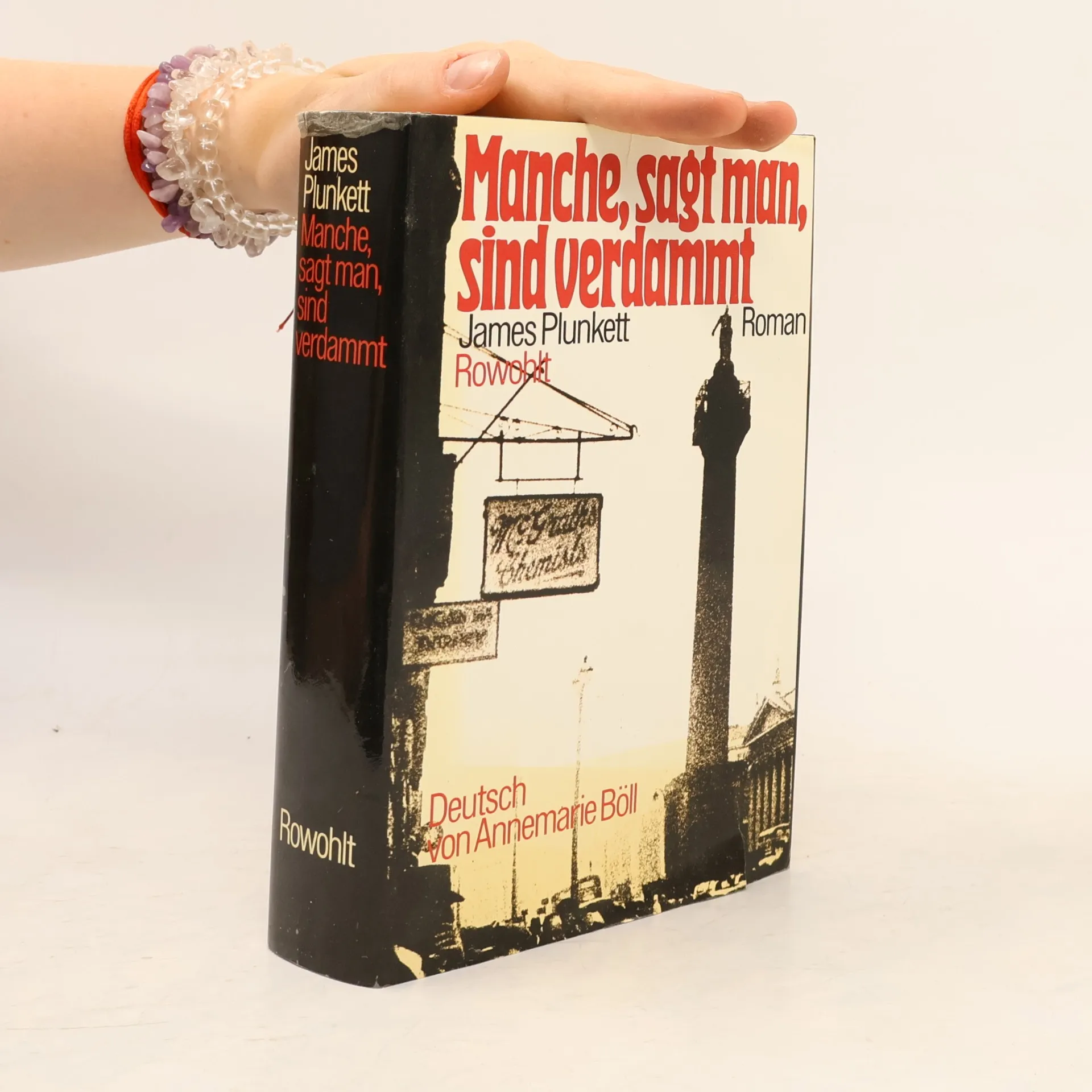
Manche, sagt man, sind verdammt, James Plunkett, Annemarie Böll
- Lingua

- Pubblicato
- 1972
- product-detail.submit-box.info.binding
- (Copertina rigida),
- Condizioni del libro
- Danneggiato
- Prezzo
- 1,98 €
Metodi di pagamento
Qui potrebbe esserci la tua recensione.
- Lingua
- Tedesco
- Autori
- James Plunkett, Annemarie Böll
- Editore
- Rowohlt
- Pubblicato
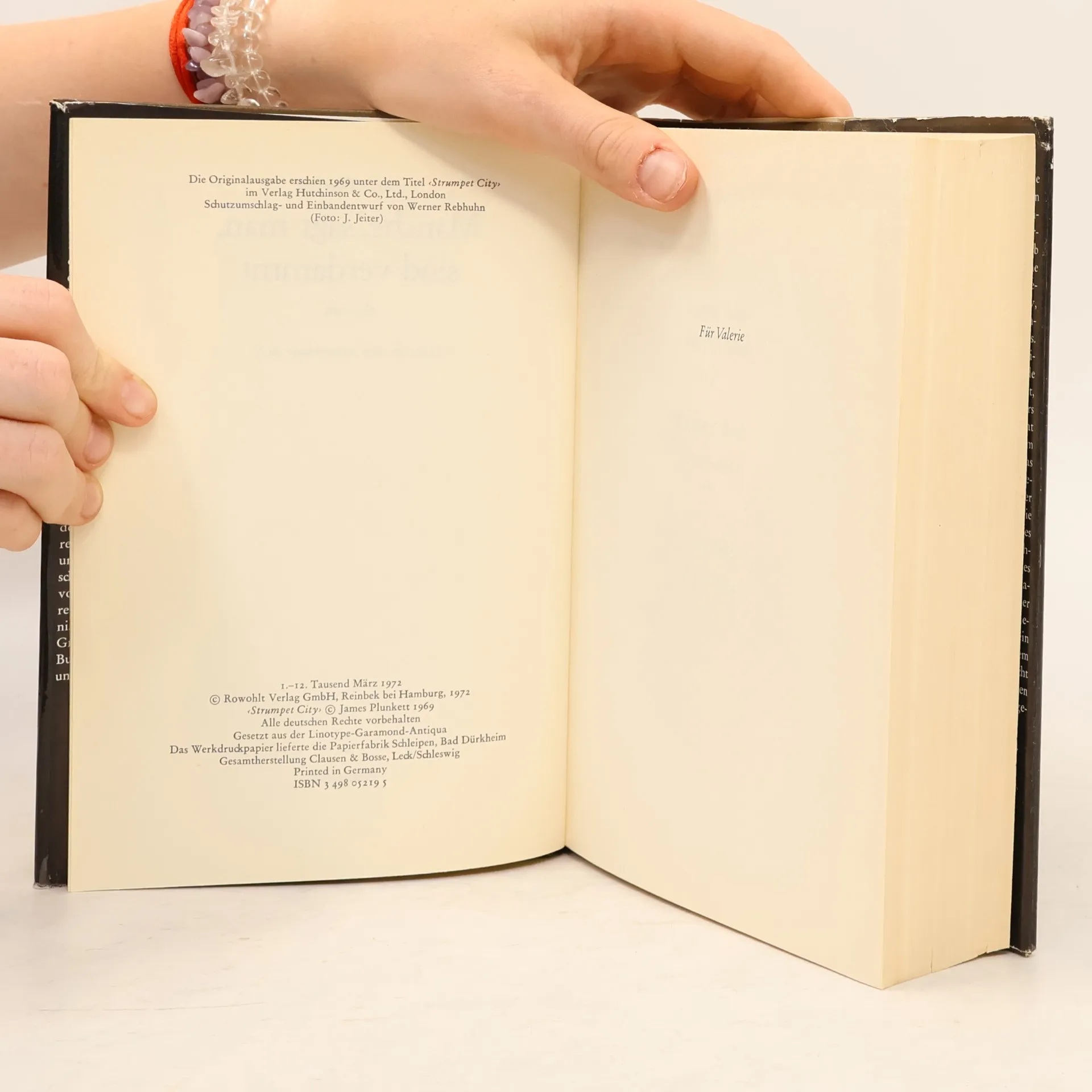
- 1972
- Formato
- Copertina rigida
- Pagine
- 472
- ISBN10
- 3498052195
- ISBN13
- 9783498052195
- Serie
- Titolo originale
- Strumpet city
- Valutazione
- 4,25 su 5
- Descrizione
- Set in Dublin during the Lockout of 1913, Strumpet City is a panoramic novel of city life. It embraces a wide range of social milieux, from the miseries of the tenements to the cultivated, bourgeois Bradshaws. It introduces a memorable cast of characters: the main protagonist, Fitz, a model of the hard-working, loyal and abused trade unionist; the isolated, well-meaning and ineffectual Fr O'Connor; the wretched and destitute Rashers Tierney. In the background hovers the enormous shadow of Jim Larkin, Plunkett's real-life hero. Strumpet City's popularity derives from its realism and its naturalistic presentation of traumatic historical events. There are clear heroes and villians. The book is informed by a sense of moral outrage at the treatment of the locked-out trade unionists, the indifference and evasion of the city's clergy and middle class and the squalor and degradation of the tenement slums.