

Valutazione del libro
Maggiori informazioni sul libro
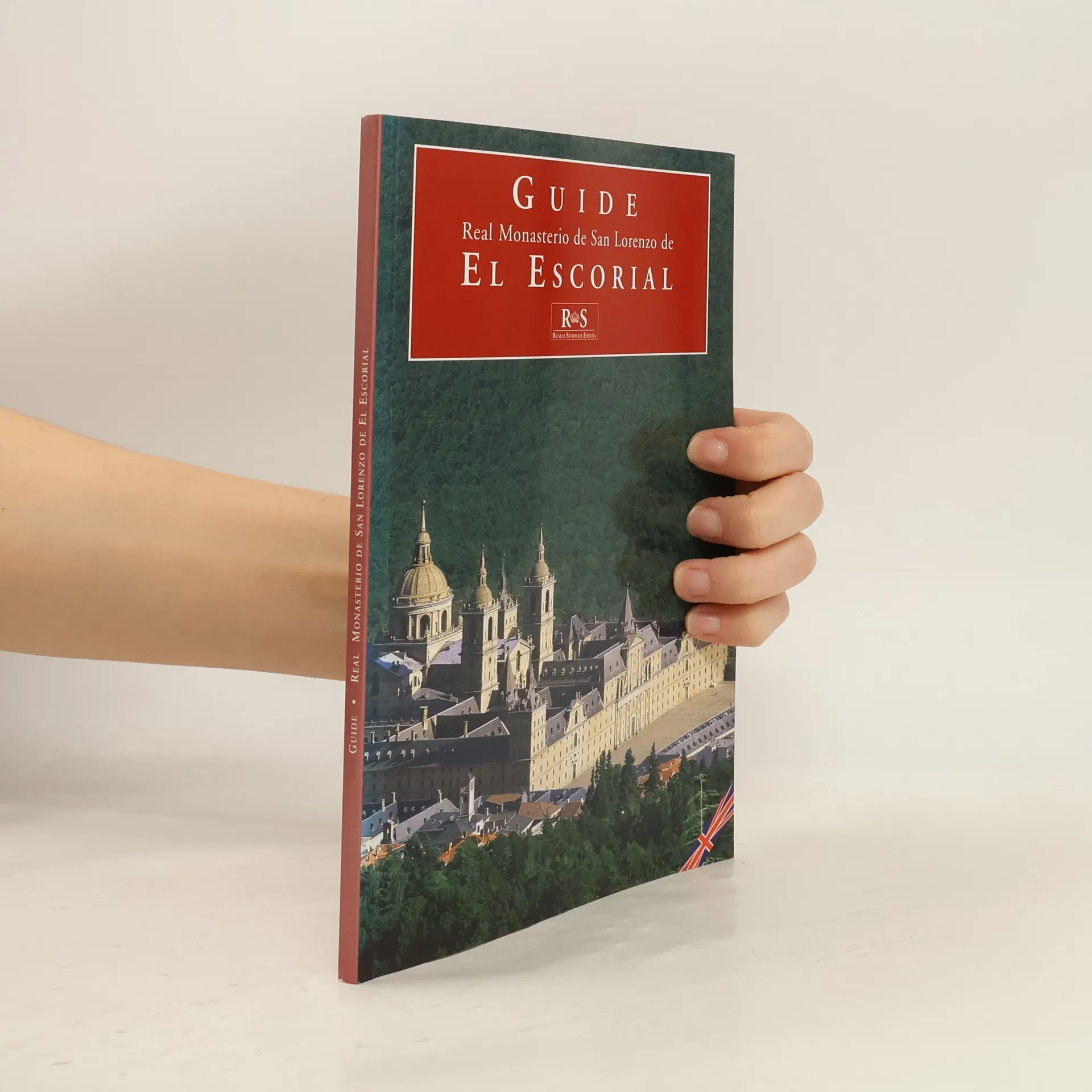
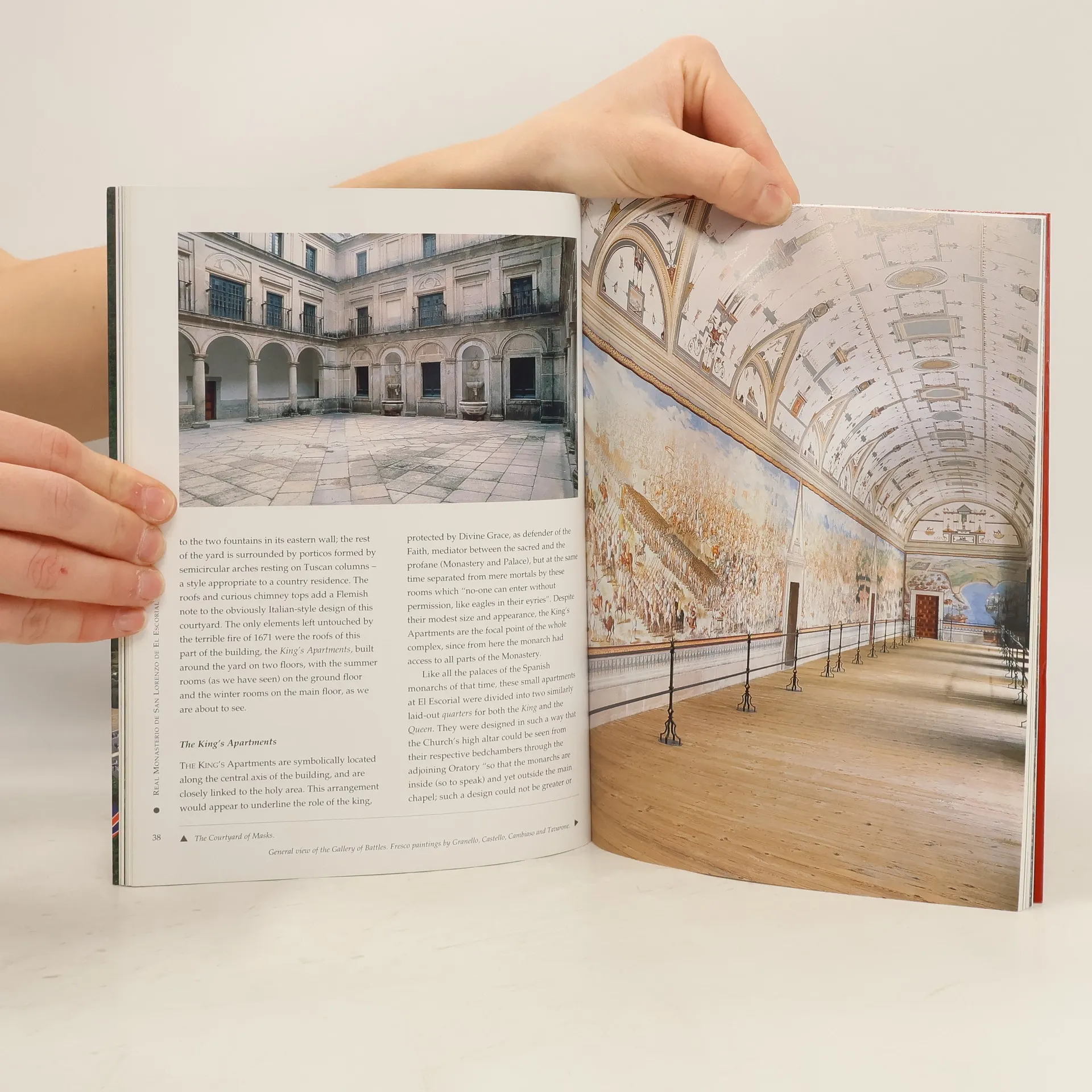
The book explores the historical and architectural significance of the Monastery of El Escorial, a UNESCO World Heritage site located near Madrid. It delves into the rich cultural heritage of this monumental complex, highlighting its role as a royal palace, monastery, and burial site for Spanish monarchs. The narrative provides insights into the artistic and religious dimensions of the monastery, examining its intricate design and the historical context of its construction during the reign of King Philip II. Themes of power, faith, and artistry are interwoven throughout, offering readers a comprehensive understanding of the significance of El Escorial in Spanish history and its enduring legacy. The book serves as a valuable resource for those interested in Spanish architecture, history, and the interplay between religion and politics in the formation of national identity.




Acquisto del libro
Real Monasterio de San Lorenzo de el Escorial, AA.VV.
- Lingua

- Pubblicato
- 2008
- product-detail.submit-box.info.binding
- (In brossura)
Metodi di pagamento
Qui potrebbe esserci la tua recensione.
- Lingua
- Inglese
- Autori
- AA.VV.
- Pubblicato
- 2008
- Formato
- In brossura
- ISBN10
- 8471203553
- ISBN13
- 9788471203557
- Serie
- Tag
- Saggistica, Arte / Cultura, Tema stórico, Storia, Mappe e viaggi, Storie vere, Architettura, Architettura e urbanistica, Narrativa di viaggio
- Valutazione
- 3,1 su 5
- Descrizione
- The book explores the historical and architectural significance of the Monastery of El Escorial, a UNESCO World Heritage site located near Madrid. It delves into the rich cultural heritage of this monumental complex, highlighting its role as a royal palace, monastery, and burial site for Spanish monarchs. The narrative provides insights into the artistic and religious dimensions of the monastery, examining its intricate design and the historical context of its construction during the reign of King Philip II. Themes of power, faith, and artistry are interwoven throughout, offering readers a comprehensive understanding of the significance of El Escorial in Spanish history and its enduring legacy. The book serves as a valuable resource for those interested in Spanish architecture, history, and the interplay between religion and politics in the formation of national identity.