

Maggiori informazioni sul libro
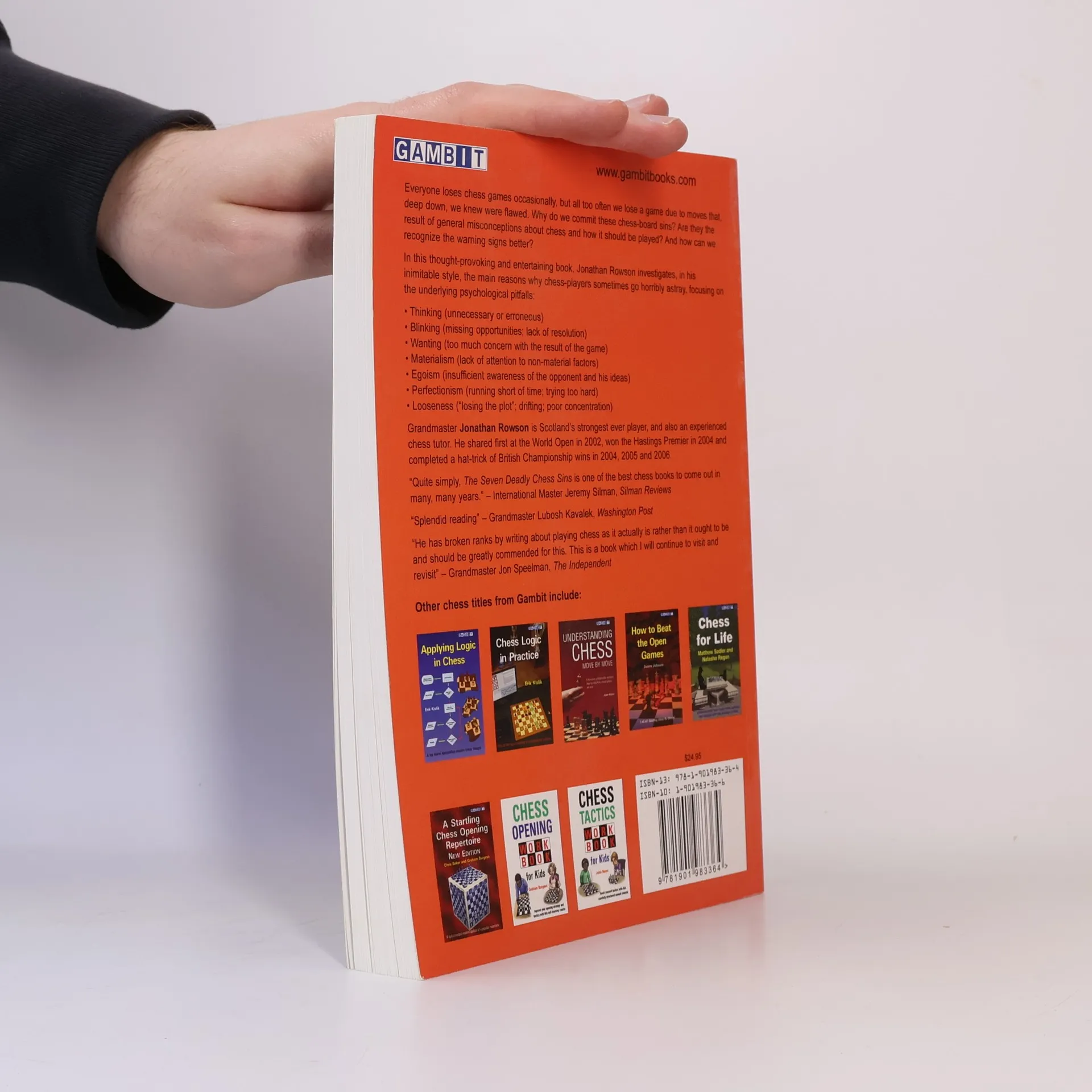
Everyone loses chess games occasionally, but all too often we lose a game due to moves that, deep down, we knew were flawed. Why do we commit these chess-board sins? Are they the result of general misconceptions about chess and how it should be played? And how can we recognize the warning signs better?In this thought-provoking and entertaining book, Jonathan Rowson investigates, in his inimitable style, the main reasons why chess-players sometimes go horribly astray, focusing on the underlying psychological * Thinking (unnecessary or erroneous)* Blinking (missing opportunities; lack of resolution)* Wanting (too much concern with the result of the game)* Materialism (lack of attention to non-material factors)* Egoism (insufficient awareness of the opponent and his ideas)* Perfectionism (running short of time; trying too hard)* Looseness (“losing the plot”; drifting; poor concentration)

Acquisto del libro
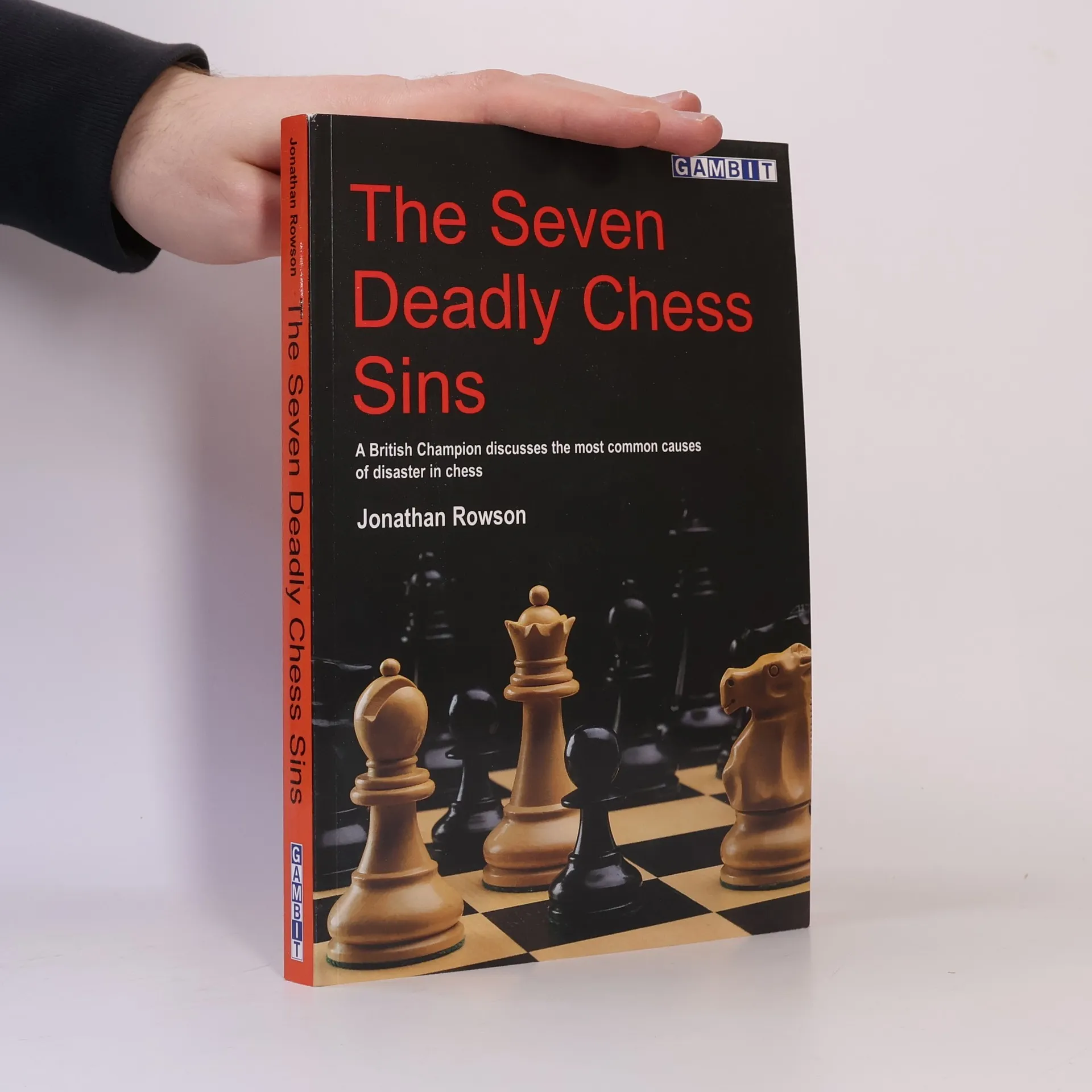
The Seven Deadly Chess Sins, Jonathan Rowson
- Lingua

- Pubblicato
- 2001
- Rilegatura
- (In brossura)
Metodi di pagamento
Qui potrebbe esserci la tua recensione.
- Titolo
- The Seven Deadly Chess Sins
- Lingua
- Inglese
- Autori
- Jonathan Rowson
- Editore
- Gambit Publications
- Pubblicato
- 2001
- Formato
- In brossura
- Pagine
- 207
- ISBN10
- 1901983366
- ISBN13
- 9781901983364
- Serie
- Categoria
- Valutazione
- 4,35 su 5
- Descrizione
- Everyone loses chess games occasionally, but all too often we lose a game due to moves that, deep down, we knew were flawed. Why do we commit these chess-board sins? Are they the result of general misconceptions about chess and how it should be played? And how can we recognize the warning signs better?In this thought-provoking and entertaining book, Jonathan Rowson investigates, in his inimitable style, the main reasons why chess-players sometimes go horribly astray, focusing on the underlying psychological * Thinking (unnecessary or erroneous)* Blinking (missing opportunities; lack of resolution)* Wanting (too much concern with the result of the game)* Materialism (lack of attention to non-material factors)* Egoism (insufficient awareness of the opponent and his ideas)* Perfectionism (running short of time; trying too hard)* Looseness (“losing the plot”; drifting; poor concentration)